Why Mole Creek Karst National Park stands out
Mole Creek Karst National Park is best known for its spectacular underground cave systems and the rare cave-dwelling species that inhabit them. The park's Marakoopa Cave features one of the most impressive glow worm displays in Tasmania, with the bioluminescent larvae of Arachnocampus tasmaniensis creating a starry night effect on the cave ceilings. King Solomons Cave is renowned for its elaborate speleothem formations including flowing shawls, stalactites, and stalagmites, as well as sediment and bone deposits. Beyond the show caves, the park protects an exceptional collection of troglobite species that have evolved entirely within the cave environment, including the rare cave beetle Tasmanotrechus cockerilli, the Mole Creek Cave Pseudoscorpion, and the Mole Creek Cave Harvestman, all of which are endemic to this specific karst system.
Mole Creek Karst National Park history and protected-area timeline
Mole Creek Karst National Park was officially declared in 1996, making it one of Tasmania's more recently established national parks. The creation of the park represented a significant step in the protection of Tasmania's unique karst resources, as it was the first and remains the only national park in the state established specifically to protect karst landforms. Prior to formal protection, the cave systems had been known to local communities and researchers for decades, with exploratory work documenting the extent and significance of the underground network.
The establishment of the park came after growing recognition of the need to protect the cave systems and their unique biological inhabitants. The karst environment faces particular vulnerability due to its geological nature, where impacts to one part of the system can affect underground connections throughout the network. The parks and wildlife management authorities worked to consolidate the twelve separate land blocks that now comprise the national park, creating a protected framework that acknowledges the above-ground components while working to coordinate conservation of the broader underground system.
King Solomons Cave and Marakoopa Cave were developed as show caves prior to the national park's formal establishment, with infrastructure installed to allow guided access while protecting the sensitive cave environments. These show caves remain the primary attractions for visitors and provide important revenue that supports ongoing conservation and management activities within the park.
Mole Creek Karst National Park landscape and geographic character
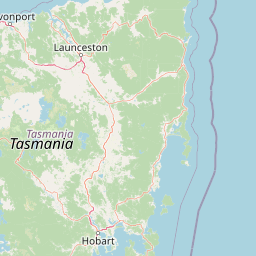
The landscape of Mole Creek Karst National Park is defined by the interaction between surface terrain and the extraordinary underground karst system that lies beneath. The park occupies the lower slopes of the Great Western Tiers, a mountain range that forms part of Tasmania's central highlands. The surface terrain varies from gentle slopes to more steeply pitched areas, with the underlying limestone bedrock creating distinctive karst topography including sinkholes, vertical shafts, and resurgences where underground streams re-emerge.
The twelve discrete blocks that comprise the national park are interspersed with cleared agricultural land, creating a patchwork landscape where the protected areas sit within a broader rural setting. Within the park boundaries, the vegetation ranges from dense eucalyptus forest to more open areas that have been affected by historical fire regimes and grazing pressure. Many sinkholes within the park are associated with Sphagnum peatlands that develop in the depressions, adding wetland character to portions of the landscape.
The cave systems themselves represent the most dramatic landscape feature, with some passages extending for considerable distances beneath the surface. The Marakoopa Cave contains two underground streams, large caverns, rim pools, and the flowstone and shawl formations that characterize limestone caves. King Solomons Cave features extensive sediment deposits and impressive speleothem formations. The caves maintain a stable microclimate that differs dramatically from the surface environment, with constant temperatures and high humidity supporting the specialized cave-dwelling organisms.
Mole Creek Karst National Park ecosystems, habitats, and plant life
The ecological systems within Mole Creek Karst National Park encompass both surface forests and the unique underground cave environment, each supporting distinct communities of organisms adapted to their respective conditions. The surface forests are dominated by a diverse array of eucalyptus species including brown-top stringybark, white-top stringybark, swamp gum, black gum, white gum, and black peppermint, with silver wattle appearing in certain areas. The understory varies from shrubby vegetation in healthier forest areas to more open sections dominated by sedges and ferns where past disturbances have occurred.
The cave systems represent the most ecologically significant aspect of the national park, supporting a specialized community of organisms that have evolved to survive in complete darkness. These troglobite species have adapted in remarkable ways, including the reduction or complete loss of eyes, heightened non-visual senses, and specialized behaviors suited to the stable cave environment. The glow worm Arachnocampus tasmaniensis is perhaps the most famous cave resident, its bioluminescent larvae creating the spectacular display that draws many visitors to Marakoopa Cave.
The cave environment also supports a diverse community of invertebrates including crickets, beetles, harvestmen, and pseudoscorpions, each with varying degrees of cave adaptation. Several of these species are known only from the Mole Creek karst system and are considered rare or threatened under Tasmanian legislation. The caves also contain bacterial, algal, and fungal communities that play important roles in the formation and growth of speleothems.
Mole Creek Karst National Park wildlife and species highlights
The wildlife of Mole Creek Karst National Park is distinguished by the presence of numerous species that are endemic to the cave systems and found nowhere else in the world. The glow worm Arachnocampus tasmaniensis is the most visible and celebrated of these cave-dwelling species, inhabiting many caves throughout the system and providing one of the main attractions for visitors. These bioluminescent organisms create living light displays that are particularly spectacular in Marakoopa Cave.
The cave systems support several rare troglobite species that have evolved entirely within the underground environment. The cave beetle Tasmanotrechus cockerilli is a highly modified beetle that has evolved to live in complete darkness, with vestigial eyes and specialized adaptations for cave life. It is listed as vulnerable under the Tasmanian Threatened Species Protection Act. The Mole Creek Cave Pseudoscorpion, Pseudotyrannochthonius typhlus, is known from only about a dozen specimens and is considered one of the rarest cave-dwelling arthropods in Australia. The Mole Creek Cave Harvestman, Hickmanoxyomma gibbergunyar, is another troglobite species endemic to the karst system.
The surrounding forests support additional wildlife including the grey goshawk, eastern barred bandicoot, Tasmanian wedge-tailed eagle, and the giant freshwater crayfish, all of which are listed as endangered or vulnerable under Australian and Tasmanian legislation. These surface species depend on the forest habitats within and adjacent to the park, creating connections between the underground and above-ground ecosystems.
Mole Creek Karst National Park conservation status and protection priorities
Mole Creek Karst National Park serves critical conservation functions both for Tasmania and internationally, protecting a unique karst landscape and the remarkable species that depend on it. The park is the only protected area in Tasmania specifically established to preserve karst landforms, recognizing the exceptional geological and biological values of this underground system. As part of the Tasmanian Wilderness World Heritage Site, the park contributes to the protection of one of the world's last great temperate wilderness areas.
The cave-dwelling species within the park face particular conservation challenges due to their extremely restricted distributions. Several species are known only from a single cave or cave system, making them vulnerable to any disturbance within their limited habitat. The three primary troglobite species, the cave beetle, cave pseudoscorpion, and cave harvestman, are all listed as rare or vulnerable under Tasmanian legislation, acknowledging their conservation significance.
Tourism within the cave systems presents a complex conservation challenge. While visitor revenue supports ongoing management and protection activities, the cave environment is extremely sensitive to human disturbance. The stable, closed nature of cave microclimates means that visitor impacts can alter temperature, humidity, and atmospheric composition in ways that affect cave-dwelling organisms. Physical impacts from foot traffic can damage fragile speleothems and compact cave floor sediments that provide habitat for troglobite species. Ongoing management focuses on education, path marking, visitor monitoring, and infrastructure design that minimizes environmental impacts while allowing public access to appreciate these natural wonders.
Mole Creek Karst National Park cultural meaning and human context
Mole Creek Karst National Park is situated in an area with historical connections to Tasmanian Aboriginal communities, though the specific cultural relationships between Indigenous peoples and the cave systems are not extensively documented in the available source material. The broader Tasmanian landscape has been inhabited by Aboriginal peoples for tens of thousands of years, and many significant cultural sites exist throughout the region.
The modern landscape surrounding the park reflects European settlement patterns, with agricultural land surrounding the protected areas and the town of Mole Creek providing local services. The park's establishment in 1996 represents a more recent phase in the area's history, as conservation values were recognized and formalized through protected area designation. The relationship between the park management and traditional landowners could provide additional cultural context that is not captured in the current source material.
Top sights and standout views in Mole Creek Karst National Park
Mole Creek Karst National Park offers visitors the opportunity to explore one of Tasmania's most remarkable underground environments. The guided cave tours through Marakoopa Cave provide access to spectacular glow worm displays, underground streams, large caverns, and decorative flowstone formations. King Solomons Cave showcases impressive speleothem formations including shawls, stalactites, and stalagmites, along with sediment deposits that provide scientific insights into the cave's history. The park's significance extends far beyond tourism, as the cave systems protect species found nowhere else on Earth, making it important for scientific research and conservation.
The variety of cave experiences available ranges from developed show caves to more challenging locations for experienced cavers, though many caves remain undeveloped and unpromoted to protect their sensitive environments. The surface landscape also offers opportunities for bushwalking and nature appreciation, with diverse eucalyptus forests providing habitat for various native species. The park's inclusion in the Tasmanian Wilderness World Heritage Site connects it to a broader network of protected areas representing outstanding natural values.
Best time to visit Mole Creek Karst National Park
The show caves at Mole Creek Karst National Park can be visited throughout the year, as the underground environment maintains stable conditions regardless of surface weather. The cave environment remains at a constant temperature and humidity, making cave tours comfortable in any season. Surface activities within the park may be more pleasant during Tasmania's warmer months from late spring through early autumn, though the forests offer different experiences throughout the seasons.
Winter visits can offer a unique perspective on the karst landscape, with the surrounding forests displaying the characteristic colors of the colder months. The cave tours themselves remain equally impressive year-round, as the underground environment is not affected by seasonal changes. Visitors interested in seeing the glow worm display may wish to consider that the phenomenon is most visible in darker cave sections, and the experience is consistent regardless of when visited. The peak tourist season typically occurs during Australian school holidays and summer months, so those seeking a quieter experience might consider visiting during shoulder seasons.