
Mori Atlas logo
Nature reserveRéserve naturelle régionale des anciennes carrières de Cléty

A protected chalk quarry site showcasing Cretaceous stratigraphic history in the Hauts-de-France region.

Réserve naturelle régionale des anciennes carrières de Cléty: Geological Landscape and Atlas Map

The Réserve naturelle régionale des anciennes carrières de Cléty represents a vital geological record within the Hauts-de-France region of northern France. This protected site preserves a distinct exposure of Cretaceous-age chalk, documenting 90 million years of fossilised algal deposits and geological shifts. Beyond its scientific stratigraphic value, the reserve serves as a compact mosaic of calcareous flora, butterflies, and bat habitats within an agricultural landscape.

chalk quarrygeological reserveregional nature reservecalcareous floraorchidsbutterflies
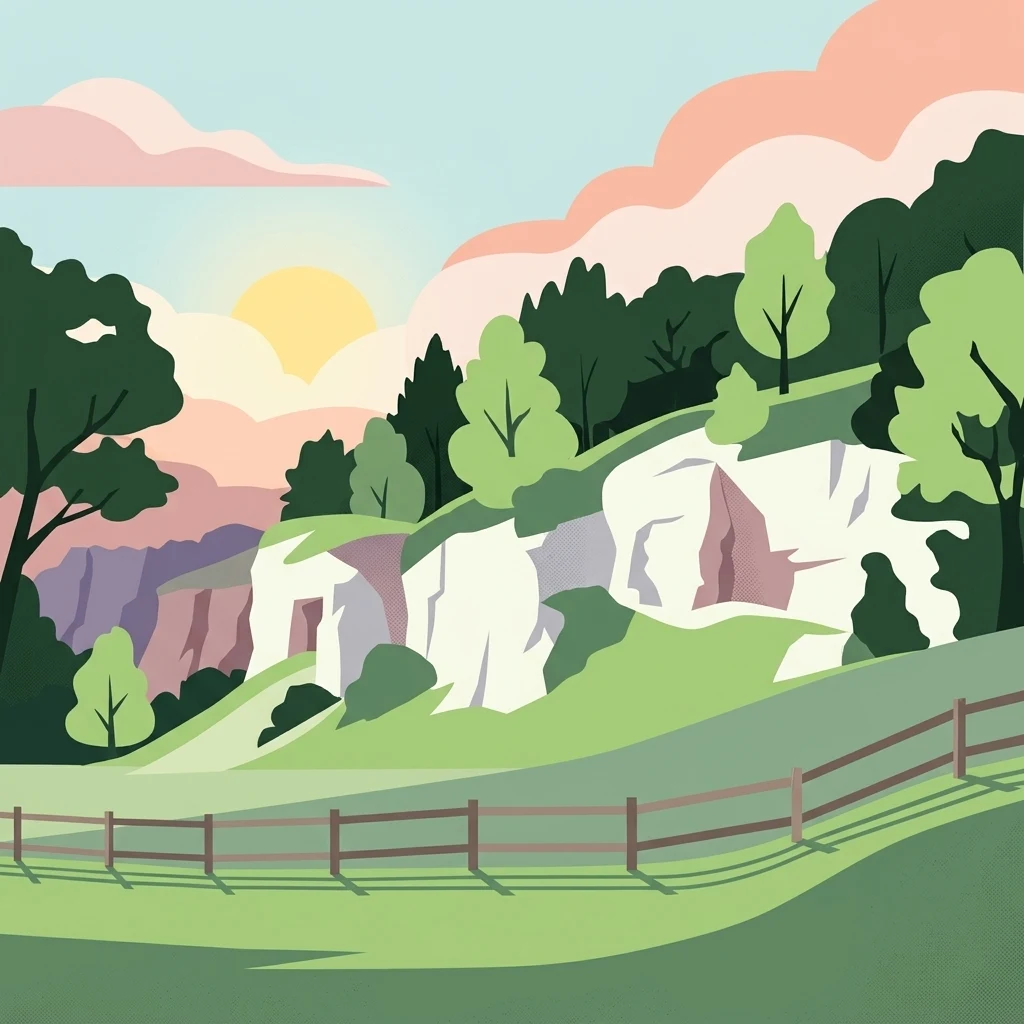
A stylized flat illustration of an old chalk quarry featuring white limestone cliffs surrounded by lush green hills, trees, and a wooden fence, set under a pastel sunset sky.

Réserve naturelle régionale des anciennes carrières de Cléty

Nature reserve

Park overview

Structured park overview, official facts, and landscape profile for Réserve naturelle régionale des anciennes carrières de Cléty

Réserve naturelle régionale des anciennes carrières de Cléty park facts, protected area profile, and essential visitor context

Review the core facts for Réserve naturelle régionale des anciennes carrières de Cléty, including designation, size, terrain, visitor scale, habitats, and operating context in one park-focused overview.

About Réserve naturelle régionale des anciennes carrières de Cléty

The Anciennes carrières de Cléty reserve is a compact but content-rich protected area in the rural Pas-de-Calais, established less than two decades ago to safeguard a small abandoned chalk quarry of clear geological and biological interest. The reserve's defining feature is its quarry face, which exposes a sequence of Cretaceous deposits, beginning with fossilised algal accumulations and transitioning into the chalk that gives the surrounding region its characteristic geology.

Beyond its stratigraphic interest, the reserve reflects a broader French conservation approach in which small, highly targeted sites are protected for their specific scientific, educational, or ecological value rather than for sheer size. At about 2 hectares, Anciennes carrières de Cléty is far smaller than most national parks or large regional nature reserves, yet it offers an unusually concentrated snapshot of chalk geology and the species communities that colonise abandoned calcareous workings in northern France.

The surrounding Pas-de-Calais countryside is largely agricultural, punctuated by villages and small woodlands, so the reserve stands out as a focused pocket of exposed rock and semi-natural calcareous habitat. Its combination of geological exposure, chalk-grassland flora, breeding birds, butterflies, and bat-roosting galleries makes it a useful reference site for understanding how biodiversity can develop even on very small, post-industrial protected parcels in the Hauts-de-France region.

Quick facts and research context for Réserve naturelle régionale des anciennes carrières de Cléty

The Réserve naturelle régionale des anciennes carrières de Cléty is a regional nature reserve (réserve naturelle régionale) located in the commune of Cléty, in the Pas-de-Calais department of the Hauts-de-France region.

It was classified on 4 July 2011 by a délibération of the former Nord-Pas-de-Calais regional council and covers a surface of approximately 2 hectares. The site is catalogued under UICN Category IV (habitat or species management area) and is administered by the Conservatoire d'espaces naturels du Nord et du Pas-de-Calais.

Protection and recognition

Review documented protection history, administrative scope, and official designation records.

Protection Status and International Recognition for Réserve naturelle régionale des anciennes carrières de Cléty

Exploration of Réserve naturelle régionale des anciennes carrières de Cléty reveals structured data covering documented protection status and official database registration records. Detailed records outline international recognition sources and baseline management scope without assuming conservation outcomes.

Protection details

WDPA ID
555514395
Park context

Deeper park guide and search-rich context for Réserve naturelle régionale des anciennes carrières de Cléty

Réserve naturelle régionale des anciennes carrières de Cléty history, landscape, wildlife, and travel context

Explore Réserve naturelle régionale des anciennes carrières de Cléty through its history, landscape character, ecosystems, wildlife, conservation priorities, cultural context, and seasonal travel timing in a structured park guide built for atlas discovery and search intent.

Why Réserve naturelle régionale des anciennes carrières de Cléty stands out

The reserve is best known for its geological value: the quarry face offers a visible stratigraphic record of chalk deposition, including fossilised algal deposits leading into the chalk itself, dating to roughly 90 million years ago. It is also recognised for combining this geological heritage with a species-rich chalk substrate habitat. Although the site is tiny, it supports orchid-rich calcareous flora, breeding birds, day-flying butterflies, and bats that shelter in the old quarry galleries, giving it a layered ecological profile unusual for a reserve of its size.
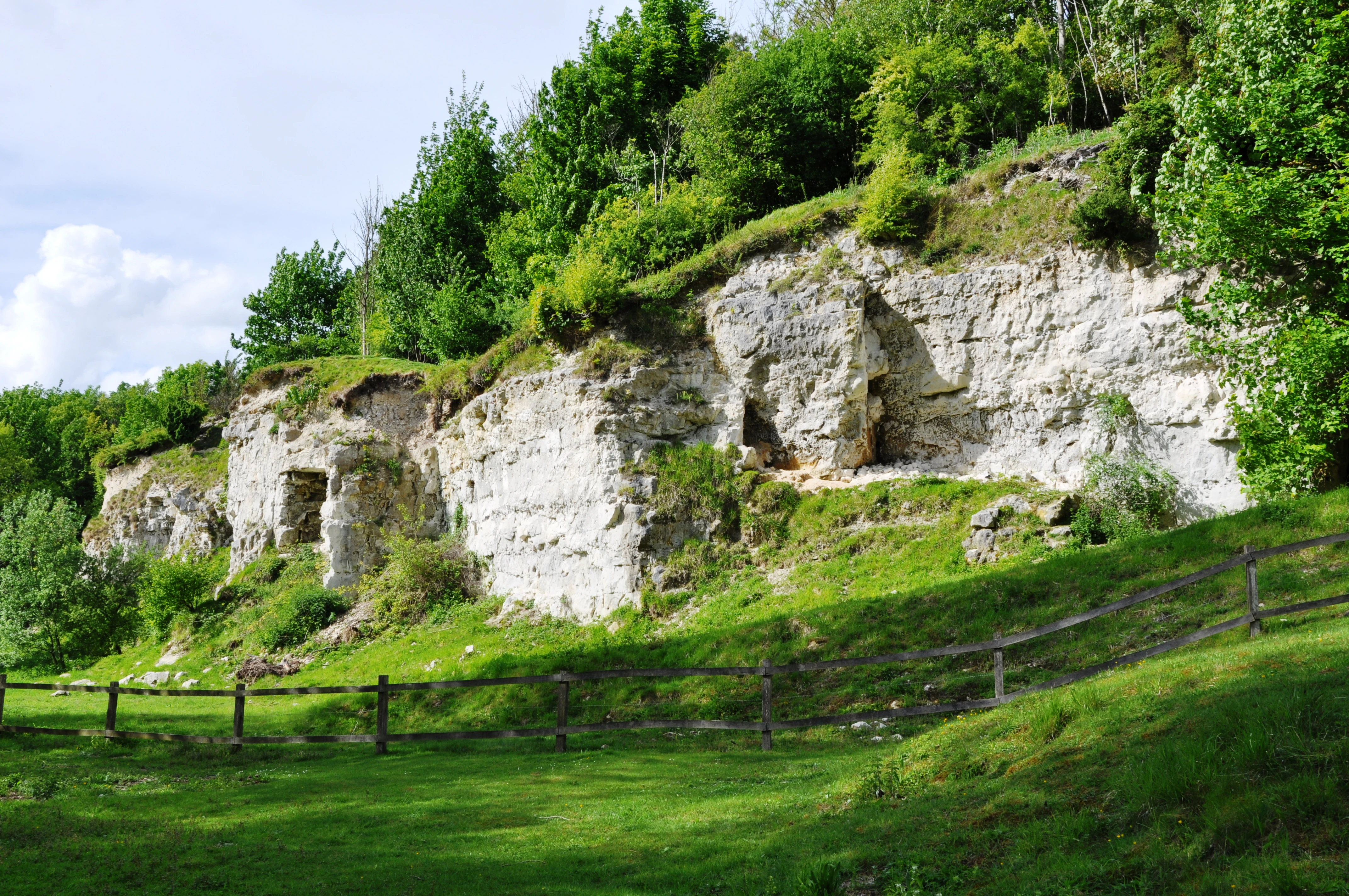
A wide, eye level shot of a white limestone quarry cliff face partially covered by lush green deciduous trees and grass, with a wooden fence in the foreground.
The exposed limestone cliffs and surrounding vegetation of the former quarries at the Réserve naturelle régionale des anciennes carrières de Cléty.

Réserve naturelle régionale des anciennes carrières de Cléty history and protected-area timeline

The quarry itself predates its protected status by many decades. The chalk deposits exposed in the face date from around 90 million years ago, and the site was historically exploited for construction stone and for agricultural amendment derived from chalk.

Its modern protected history began on 4 July 2011, when the regional council of Nord-Pas-de-Calais classified the site as a réserve naturelle régionale. Since then, the reserve has been managed by the Conservatoire d'espaces naturels du Nord et du Pas-de-Calais, which oversees the conservation of small protected natural sites across the former Nord-Pas-de-Calais region.

Réserve naturelle régionale des anciennes carrières de Cléty landscape and geographic character

The reserve's landscape is dominated by the abandoned chalk quarry itself, with its exposed workings and vertical face. The face displays a clear geological progression, from fossilised algal deposits at the base into the overlying chalk, providing a compact but legible stratigraphic record.

Surrounding the quarry, the land takes on the character of the rural Pas-de-Calais: gentle agricultural terrain, small field boundaries, and scattered pockets of semi-natural vegetation on calcareous soils. The combination of bare rock face, quarry floor, spoil, and adjacent rough calcareous ground gives the site a mosaic of micro-landscapes within a very small footprint.

Réserve naturelle régionale des anciennes carrières de Cléty ecosystems, habitats, and plant life

Ecologically, the reserve is shaped by its calcareous substrate. The chalk-derived soils support a specialised flora adapted to lime-rich, often thin and dry conditions, and the quarry environment adds further habitat variety through bare rock, shaded galleries, and disturbed ground.

This setting has allowed a relatively rich community to develop on the roughly 2-hectare site. More than 169 plant species have been recorded, including 11 considered patrimonial species of conservation concern. The mosaic of quarry micro-habitats effectively amplifies biodiversity beyond what a uniform two-hectare field of similar geology might support, making the site an example of how disturbance history can enhance biological value.

Réserve naturelle régionale des anciennes carrières de Cléty wildlife and species highlights

Despite its very small area, the reserve supports a notable mix of fauna linked to calcareous habitats and quarry structures. The breeding bird community includes around 20 nesting species, taking advantage of the rough ground, cliff-like faces, and surrounding scrub.

Butterflies are particularly well represented, with 26 species of day-flying butterflies recorded. The old quarry galleries also provide roosting habitat for bats, adding an often-overlooked but ecologically important element to the site's wildlife profile. Together, these groups give the reserve a layered fauna unusual for a protected area of its size.

Réserve naturelle régionale des anciennes carrières de Cléty conservation status and protection priorities

The reserve's principal conservation value lies in protecting a small but scientifically important geological exposure that would otherwise be vulnerable to weathering, vegetation overgrowth, or redevelopment. The exposed Cretaceous sequences, including the transition from fossilised algal deposits to chalk, provide a direct window into deep-time environmental change in the region.

Alongside this geological role, the reserve contributes to the conservation of calcareous flora and fauna in northern France, where chalk habitats host specialised orchid populations and invertebrate communities. Its designation as a regional nature reserve under UICN Category IV recognises its role as a habitat and species management area, with active oversight by the Conservatoire d'espaces naturels du Nord et du Pas-de-Calais.

Top sights and standout views in Réserve naturelle régionale des anciennes carrières de Cléty

The quarry face at the heart of the reserve is its standout feature, offering a visible fossilised sequence spanning roughly 90 million years of chalk deposition and serving as both a geological record and an educational reference.

Equally notable is the biological richness compressed into the site's roughly 2 hectares: more than 169 plant species, including orchids of calcareous substrates, around 20 breeding bird species, 26 day-flying butterfly species, and bats using the quarry galleries. The combination of compact scale, layered geology, and managed conservation status makes the reserve a distinctive example of small-site protection in northern France.
Monthly climate preview

Long-term representative point measurements tracking monthly temperature ranges and precipitation rhythm

Climate Normals and Annual Weather Patterns at Réserve naturelle régionale des anciennes carrières de Cléty

Representative coordinate records show measured monthly temperature variations and precipitation averages across the protected terrain throughout the year. Reviewing the complete twelve-month climatology profile provides deeper insight into long-term environmental patterns for Réserve naturelle régionale des anciennes carrières de Cléty.
Annual mean10 °C
4 °C17 °C
Jan
Feb
Mar
Apr
May12°
Jun15°
Jul17°
Aug17°
Sep15°
Oct11°
Nov
Dec
Warmest month
August

17.1 °C

Coolest month
January

3.6 °C

Wettest month
December

3 mm/day

Driest month
April

1.7 mm/day

Park location guide

Geography guide, regional context, and park location map for Réserve naturelle régionale des anciennes carrières de Cléty

Réserve naturelle régionale des anciennes carrières de Cléty park geography, regions, and map view in France

Understand where Réserve naturelle régionale des anciennes carrières de Cléty sits in France through a broader geographic reading of the surrounding landscape, nearby location context, and its mapped position within the national park landscape.

How Réserve naturelle régionale des anciennes carrières de Cléty fits into France

France is a unitary semi-presidential republic and one of the world's largest economies. It borders Belgium, Luxembourg, Germany, Switzerland, Italy, Monaco, Andorra, and Spain, with a maritime border to the United Kingdom. The country is known for its cultural influence, art, cuisine, and political history spanning centuries.

Wider geography shaping Réserve naturelle régionale des anciennes carrières de Cléty in France

France is located in Western Europe. Metropolitan France extends from the Rhine to the Atlantic Ocean and from the Mediterranean Sea to the English Channel and North Sea. The country borders Belgium, Luxembourg, Germany, Switzerland, Italy, Monaco, Andorra, Spain, and has a maritime border with the United Kingdom.

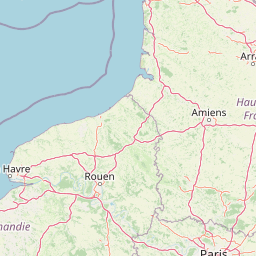
Map view of Réserve naturelle régionale des anciennes carrières de Cléty

Use this park location map to pinpoint Réserve naturelle régionale des anciennes carrières de Cléty in France, understand its exact geographic position, and read its mapped placement within the surrounding landscape more clearly.

Pigeon | © OpenStreetMap contributors

Location context for Réserve naturelle régionale des anciennes carrières de Cléty

Hauts-de-France

Visualizing the chalk quarry terrain, calcareous habitats, and geological formations

Réserve naturelle régionale des anciennes carrières de Cléty Photos and Landscapes

Examine detailed photographs documenting the exposed rock faces, sparse calcareous flora, and post-industrial terrain of Réserve naturelle régionale des anciennes carrières de Cléty. Visual records provide clear insight into the distinct geological features and micro-habitats defining this protected reserve.

A wide, eye level shot of a white limestone quarry cliff face partially covered by lush green deciduous trees and grass, with a wooden fence in the foreground.

Park atlas

Compare nearby protected areas and regional landscapes in northern France

Parks Near Réserve naturelle régionale des anciennes carrières de Cléty

Browsing other protected areas near Réserve naturelle régionale des anciennes carrières de Cléty reveals the wider geographic distribution of chalk geology and regional reserves across northern France. Comparing adjacent terrain helps contextualize local conservation networks and biological corridors within the surrounding agricultural countryside.
Nature reserveHauts-de-France
About 7.1 km away#1 closest

Northeast

Réserve naturelle régionale du plateau des landes: Regional Nature Reserve Landscape Profile

Protected heathland geography in the Pas-de-Calais corridor.

Understand the ecological structure of the Réserve naturelle régionale du plateau des landes. This protected area features a unique crescent shape and mosaic of heathland sectors spread across several communes, offering a focused study of low-elevation inland conservation management in the heart of northern France.

Area
1.811 km²
Established
2009
IUCN
IV
A soft watercolor painting of a green meadow, featuring gentle hills in the distance, a small stream flowing through the center, and a few scattered trees, all set against a white background.
Nature reserveHauts-de-France
About 19 km away#2 closest

Northeast

Réserve naturelle régionale des prairies du Schoubrouck: Geography and Protected Area Overview

Wet-meadow habitats and historic watergang networks in northern France.

Located in the Hauts-de-France region, Réserve naturelle régionale des prairies du Schoubrouck provides a focused look at the cultural and ecological heritage of Flemish lowland landscapes. This site preserves an essential mosaic of wet grasslands and traditional drainage systems, serving as a key example of habitat-specific conservation stewardship within the rural fabric of the Nord department.

Area
0.102 km²
Established
2012
IUCN
IV
A watercolor painting of a rolling rural landscape with bare trees, grassy hills, and distant purple and red hills against a pale sky.
Nature reserveHauts-de-France
About 26 km away#3 closest

West

Réserve naturelle régionale du Molinet: Protected Calcareous Woodlands and Grassland Mosaic

Geographic and Habitat Analysis of a Pas-de-Calais Nature Reserve

Located in the Boulonnais landscape of northern France, this protected area serves as a vital refuge for calcareous flora. The reserve preserves a rare mosaic of limestone woodlands and grasslands, serving a dual role in both ecological conservation and water catchment protection within the Hauts-de-France administrative region.

Area
0.067 km²
Established
1987
IUCN
IV
Relief
Lowland
Nature reservePas-de-Calais
About 28 km away#4 closest

South

Réserve naturelle régionale du marais de la Grenouillère: Wetland Geography and Map

Protected alluvial floodplain in the Pas-de-Calais region

This regional nature reserve encompasses sixteen hectares of high-density wetland habitats along the Ternoise river. Its flat topography sustains a delicate mosaic of alkaline marshes, wet meadows, and riparian alder woodlands that serve as a critical ecological buffer within the broader landscape of northern France.

Area
0.166 km²
Established
2000
IUCN
IV
Relief
Lowland
Nature reserveHauts-de-France
About 29 km away#5 closest

Northwest

Réserve naturelle régionale de Pont d'Ardres: Mapped Wetland Geography and Protected Lands

A restored industrial landscape in the Hauts-de-France coastal hinterland.

Situated southeast of Calais, this reserve represents a rare success in ecological restoration. The former sugar factory basins now provide vital habitats for shorebirds and nesting species, maintaining an essential wetland presence in an otherwise cultivated landscape of northern France.

Area
0.663 km²
Established
2012
IUCN
IV
Relief
Lowland
Nature reserveHauts-de-France
About 36 km away#6 closest

Northwest

Réserve naturelle régionale de la forteresse de Mimoyecques: Regional Nature Reserve Geography

Protected subterranean habitat and wartime heritage in Hauts-de-France.

Located in the rolling lowlands of the Pas-de-Calais, the Réserve naturelle régionale de la forteresse de Mimoyecques is a uniquely managed protected area. Its landscape integrates historical military architecture with modern biodiversity conservation, focusing on the protection of rare underground roosting environments for diverse bat species within the regional Hauts-de-France terrain.

Area
0.016 km²
Established
2012
Relief
Lowland
Climate
Temperate
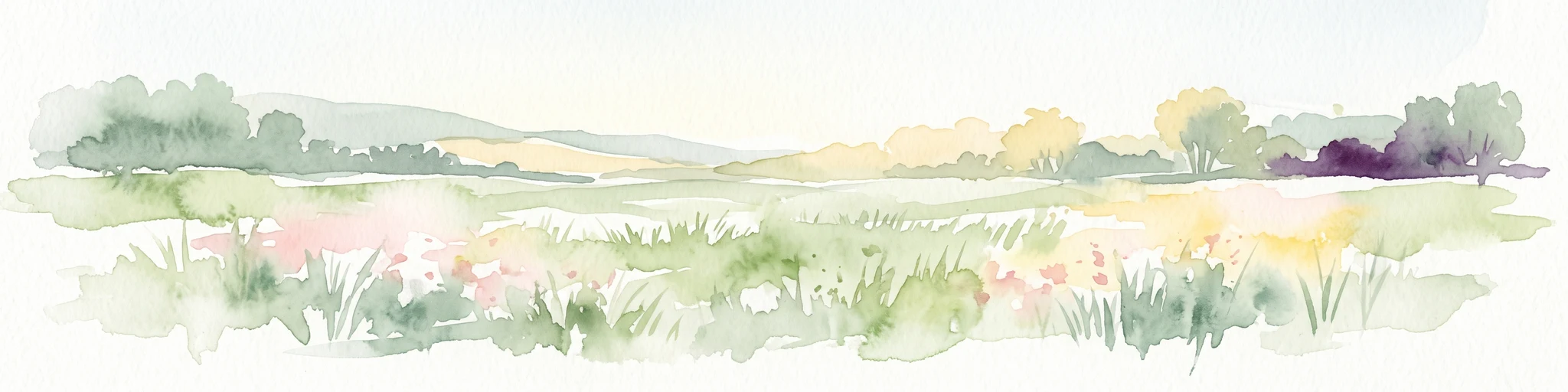
A horizontal watercolor illustration depicting a soft, impressionistic landscape of wetland meadows, grassy patches, and distant trees in pastel shades of green, yellow, and soft purple.
Nature reserveHauts-de-France
About 38 km away#7 closest

Northeast

Réserve naturelle régionale du vallon de la Petite Becque: Protected Area Map and Geography

Flemish Houtland wetland conservation and regional green infrastructure

This protected area in Hauts-de-France functions as a compact, high-value laboratory for habitat restoration within the modernized Flemish countryside. It provides essential sanctuary for relict marsh flora, orchid-rich meadows, and specialized invertebrate communities, effectively acting as an ecological island amidst a vast expanse of intensively cultivated arable farmland.

Area
0.009 km²
Established
2010
IUCN
IV
Relief
Lowland
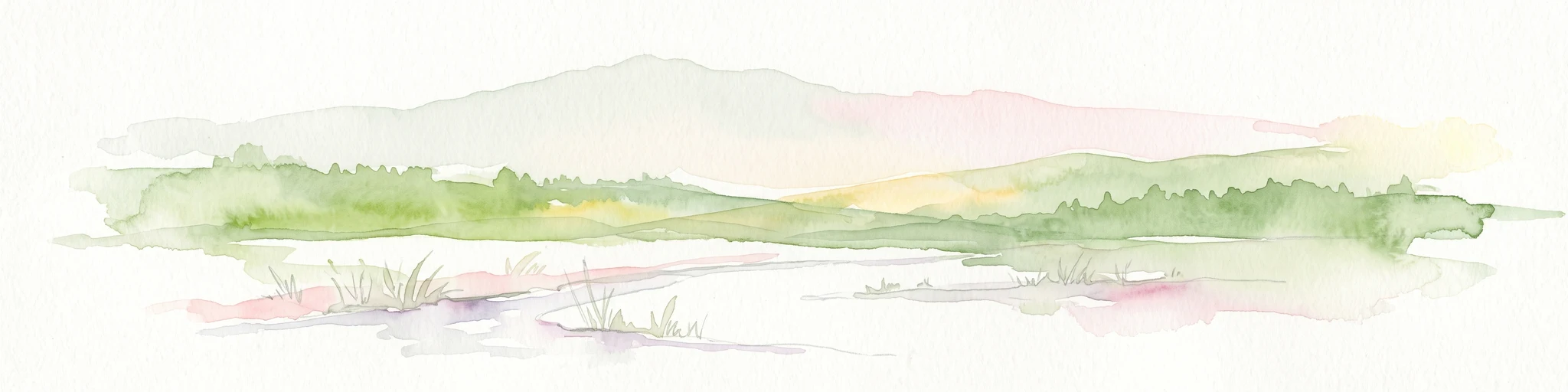
A soft watercolor illustration showing a low-lying landscape with gentle rolling hills, grassy foreground vegetation, and light, hazy atmospheric tones.
Nature reserveHauts-de-France
About 38 km away#8 closest

West

Réserve naturelle régionale du marais de Condette: Wetland Geography and Protected Landscape

A vital ecological corridor within the Hauts-de-France region

Spanning 35 hectares, the Réserve naturelle régionale du marais de Condette protects a unique mosaic of marshland, peat-forming habitats, and forested massifs. This wetland reserve near the Opal Coast acts as an essential green infrastructure link, providing critical sanctuary for flora and fauna while maintaining hydrological balance in a heavily transformed northern French landscape.

Area
0.35 km²
Established
2009
IUCN
IV
Relief
Lowland

Common questions about visiting, size, designation, and location context for Réserve naturelle régionale des anciennes carrières de Cléty

Réserve naturelle régionale des anciennes carrières de Cléty FAQs for park facts, access, geography, and protected area context

Find quick answers about Réserve naturelle régionale des anciennes carrières de Cléty, including protected-area facts, park geography, trail and visitor context, and how the park fits into its surrounding country and regional landscape.
MoriAtlas Explorer

Continue Your Protected Areas Search Across the Global Atlas

Deepen your exploration by continuing the structured search for national parks and protected areas worldwide. Utilize the comprehensive filtering capabilities to compare different conservation landscapes and refine your understanding of global park geography. Discover more about the distribution and characteristics of protected natural areas.

Global natural geography