Why Ängsö National Park stands out
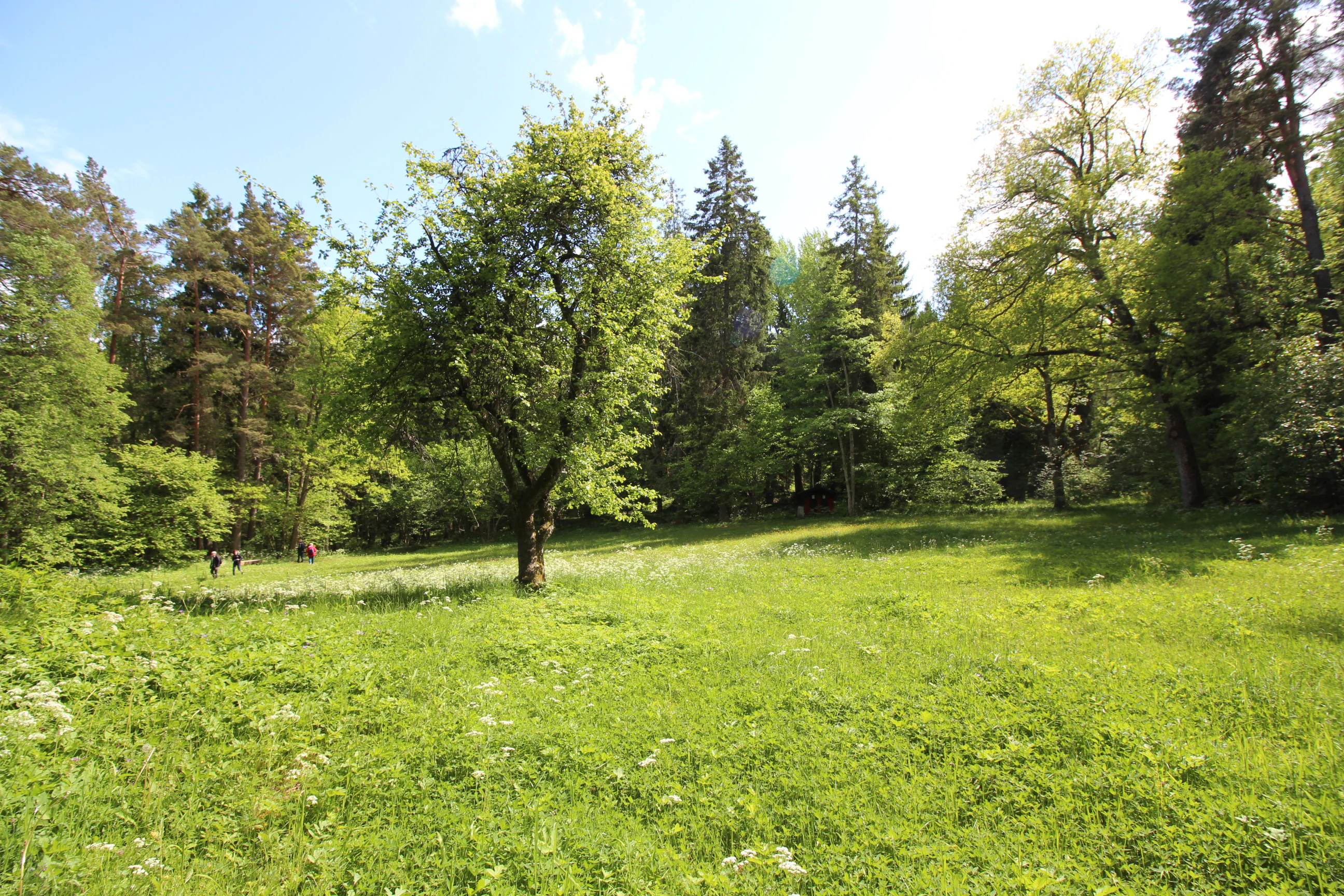
Ängsö is best known for its remarkably rich flower meadows and well-preserved cultural landscape, which distinguishes it from most other Swedish national parks. The island supports rare plant species including cowslip and wood anemones, and its deciduous forests of oak, ash, maple, and birch are considered among the finest in the Stockholm archipelago. The park is also notable for its birdlife, with ospreys and eagles regularly seen nesting on the island, and contains a designated bird protection zone on its eastern shore. Its history as a living landscape, shaped by farming, grazing, and gradual land emergence due to post-glacial rebound, makes it a unique preserved slice of old Sweden.
Ängsö National Park history and protected-area timeline
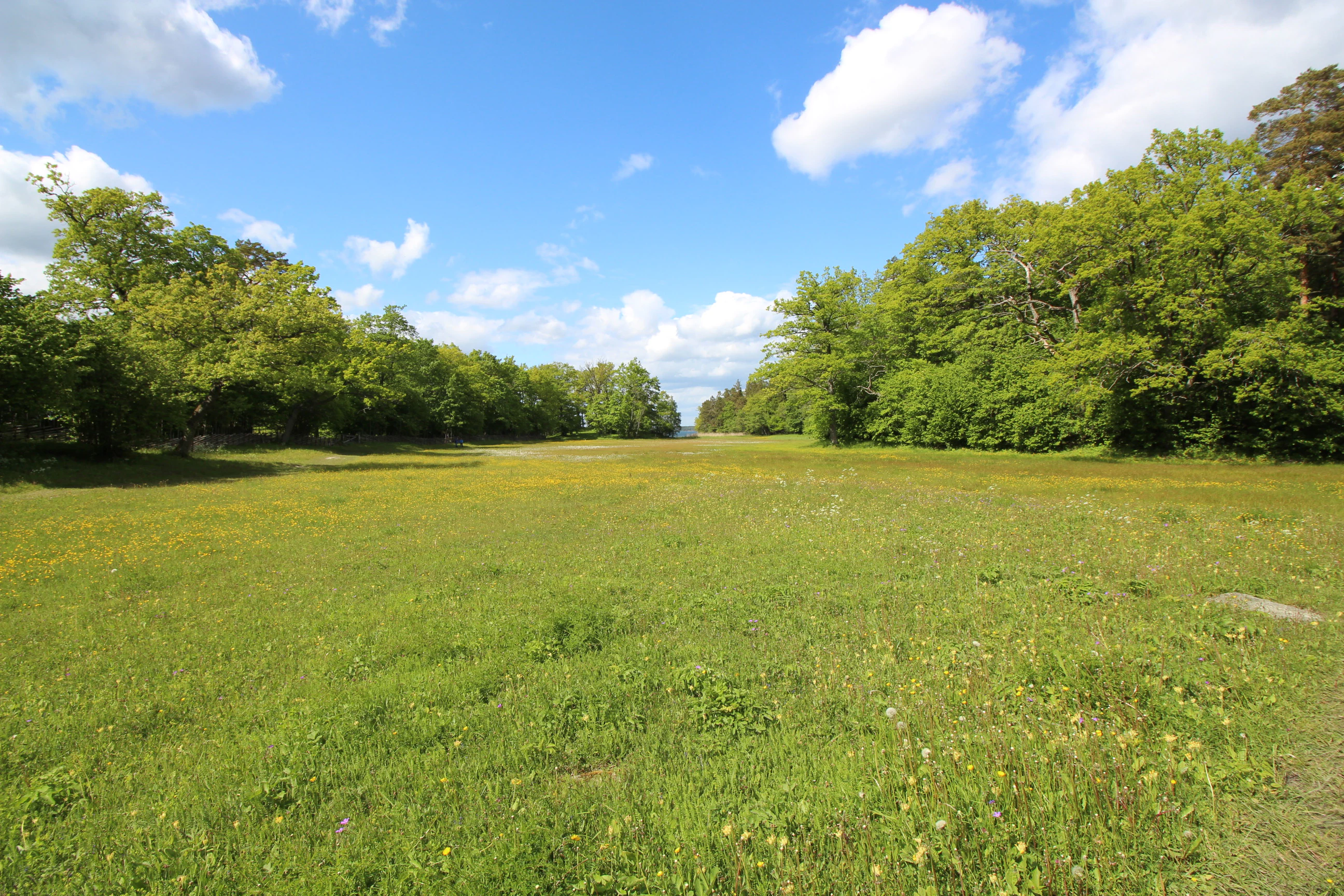
Ängsö National Park traces its origins to a time when the island was an integral part of the agricultural landscape surrounding Väringsö. In the 17th century, Ängsö consisted of two islands—Västerö and Österö—separated by a narrow sound that farmers used to move between the islands. The combined island was used for slått (grass mowing) to produce hay, and is documented on a map from 1639 as "Engh til höö" (meadow for hay). The sound between the islands remained visible until approximately 1709, after which land uplift gradually joined them into a single island, with the former water channel becoming the meadow called Stormaren.
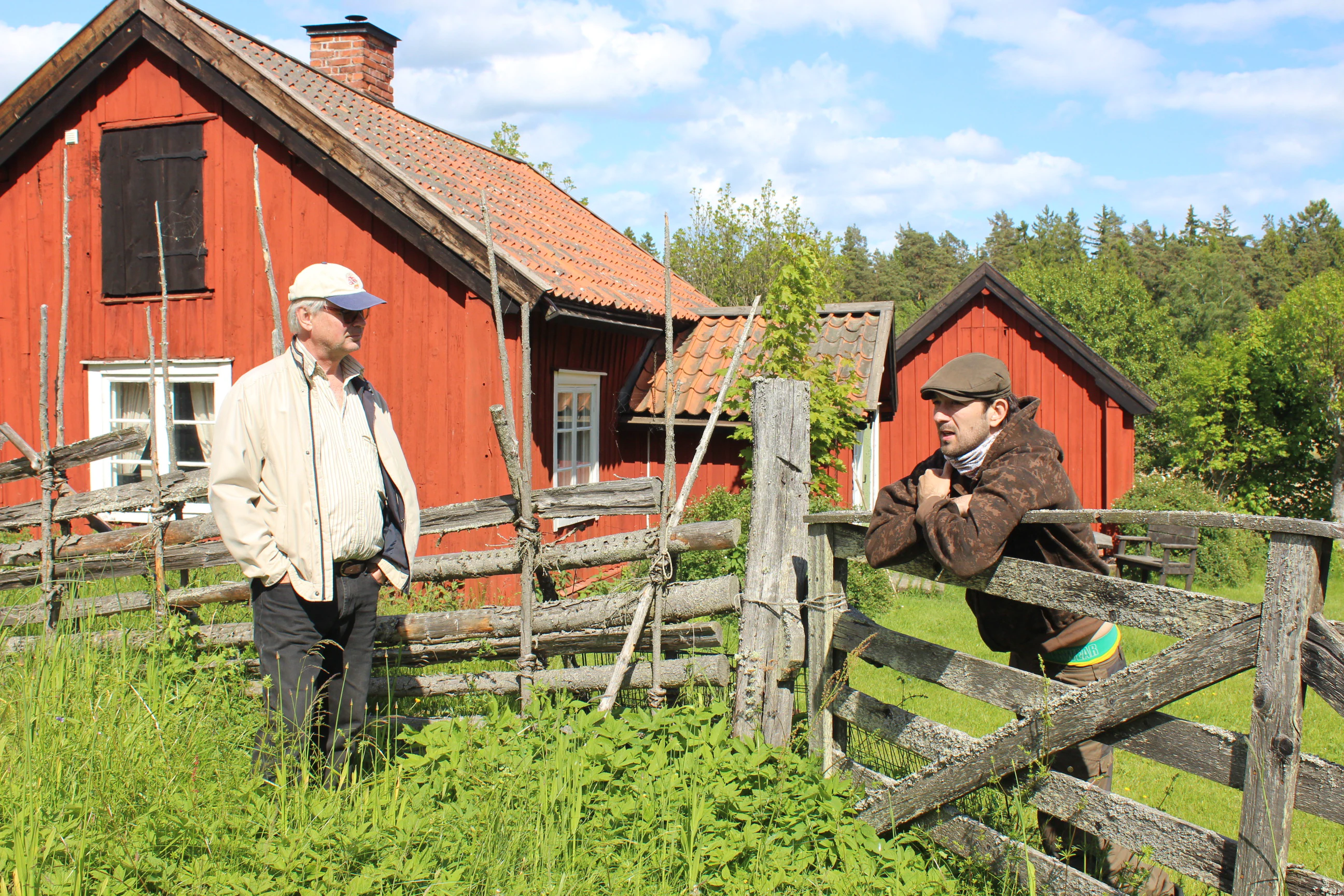
The first permanent resident, Erik Hansson, settled on Ängsö as a torpare (crofters) in 1725. The original houses were demolished in the 1820s and new ones constructed, though by 1857 the last torpare, Adam Michelsen—a former farmhand from Väringsö of Livonian origin—had moved away. His widow Carolina remained on the island in poverty into the early 20th century, becoming known locally as a healer. The meadow where their croft stood is still called Adamsängen, the adjacent forest Adamskogen, and the island's northernmost point Adamsudden.
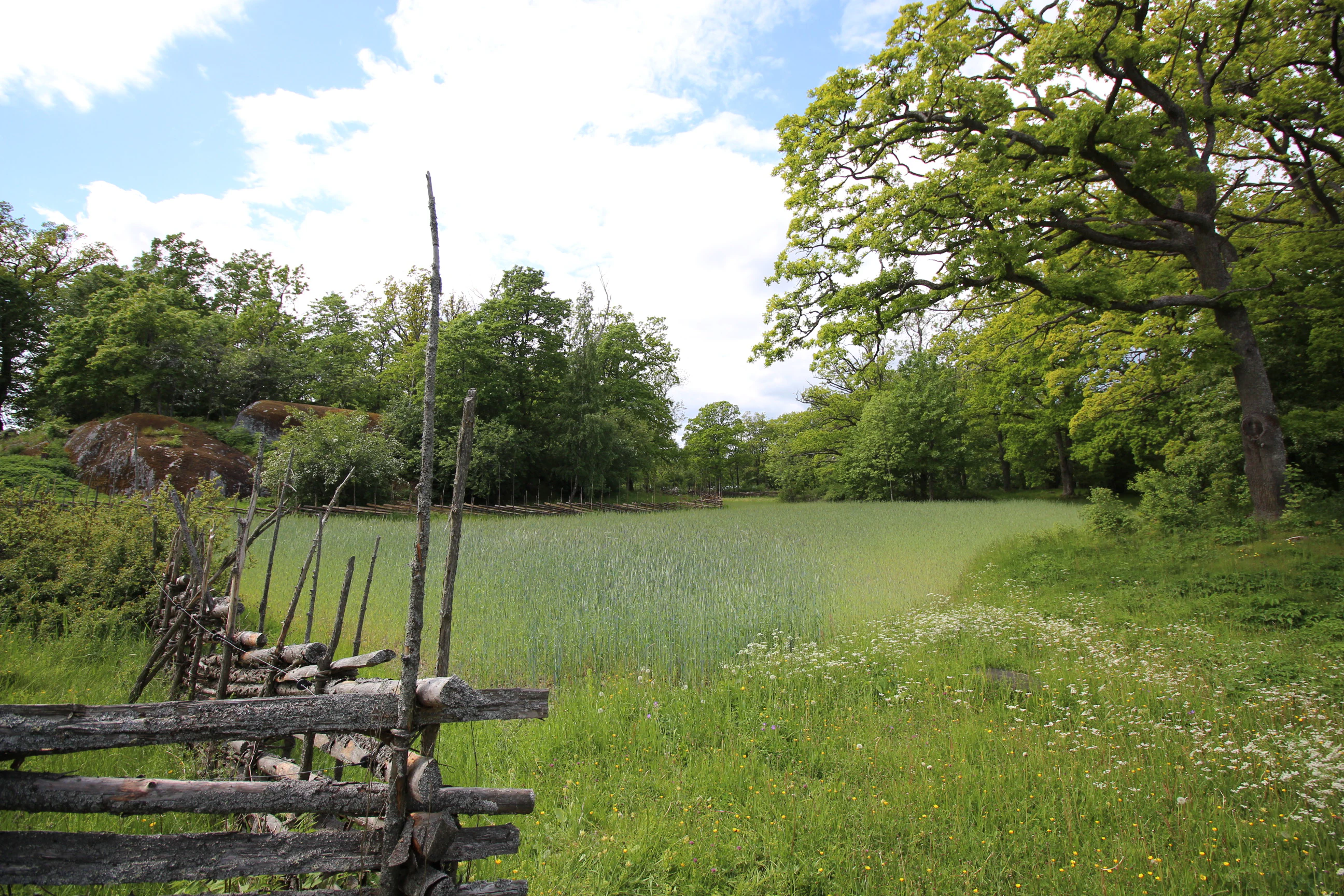
When Sweden established its first nine national parks in 1909, Ängsö was selected for its exceptional flower-rich cultural environment and formally separated from Väringsö. Initially, authorities sought to let the landscape grow wild, believing the torpare's work detracted from the island's beauty. This approach proved mistaken—by the 1930s, shrubs and spruce were encroaching on the meadows. Starting in the 1940s, conservation work began to restore the landscape to its early 20th-century character. Additional restoration efforts in the 1980s brought the park to its present state, and in 1988 the park was extended to cover the entire island. The County Administrative Board of Stockholm has managed the park since 2015.
Ängsö National Park landscape and geographic character
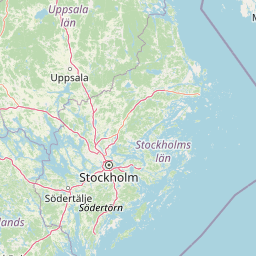
Ängsö National Park occupies a single island in Stockholm's northern archipelago, within the inner archipelago region of Roslagen. The island's landscape is characterized by a harmonious blend of open meadows, pastures, and deciduous woodland, representing a cultural landscape shaped by agricultural use over centuries. The terrain is relatively gentle, with the island's highest points offering views across the surrounding archipelago waters.
The former sound between what were once two separate islands has become a central meadow area called Stormaren, now one of the park's most distinctive landscape features. This area, along with other meadow sections like Långängen and Adamsängen, forms the heart of the park's open landscape. The forest areas, covering roughly a third of the park, contain some of the best-preserved woodland in the Stockholm archipelago, with old oaks, ashes, maples, and birches providing both ecological value and visual character.
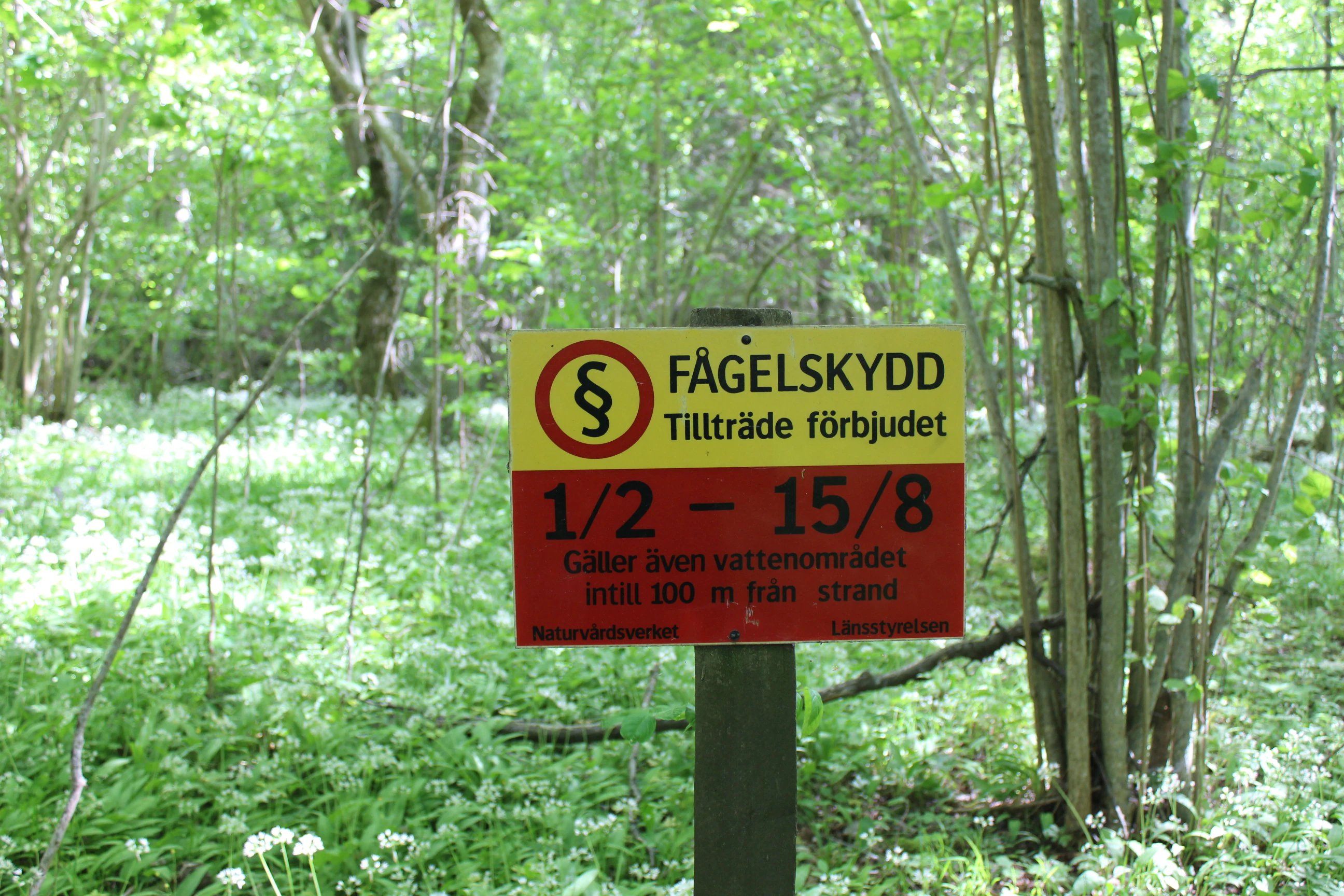
The island can only be accessed by boat, with natural harbors along its shores providing landing points. A historic wharf serves as the main arrival point for visitors traveling from the mainland. The eastern shore contains a bird protection zone, with access restricted from February 1 to August 15 to protect nesting bird populations. The landscape retains a remote and unspoiled quality that distinguishes it from the more developed areas of the surrounding archipelago.
Ängsö National Park ecosystems, habitats, and plant life
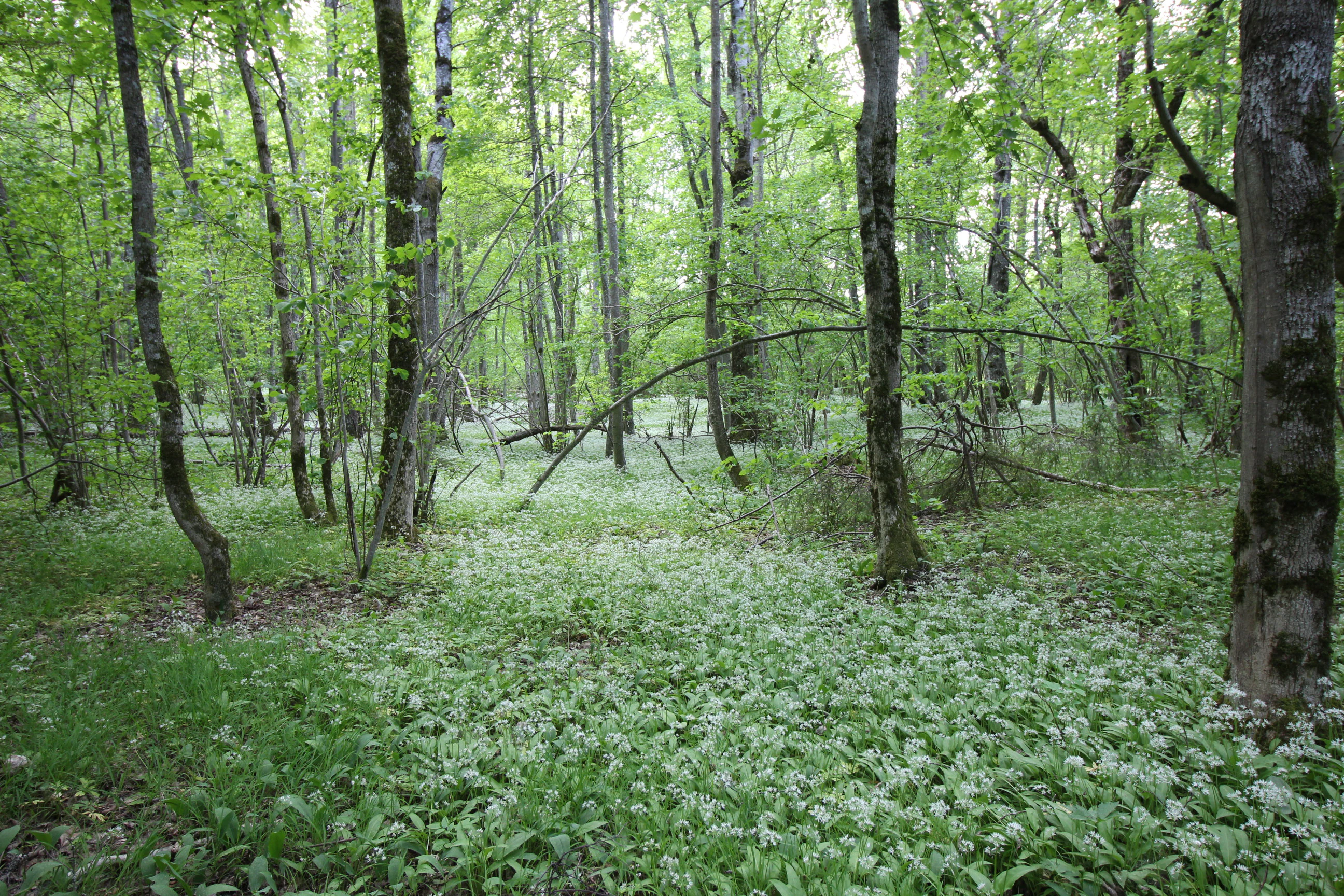
The ecological character of Ängsö National Park is defined by its combination of flower-rich meadows and well-preserved deciduous forest, representing one of the most significant natural environments in the Stockholm archipelago. Forest covers approximately one-third of the park's area and is considered among the best-preserved in the region, supporting rare trees, shrubs, and flowering plants that have largely disappeared from surrounding areas.
The meadow environments support diverse plant communities, with cowslip and wood anemones among the notable flowering species that thrive in the open grassland areas. These meadows represent the legacy of traditional agricultural practices that maintained the open landscape through mowing and grazing. The forest ecosystem is dominated by oak, ash, maple, and birch—species that characterize old-growth deciduous woodland in this part of Sweden. The interplay between open meadow and closed forest creates a diverse habitat structure that supports multiple ecological communities.
The park's position in the archipelago creates a transition between terrestrial and marine environments, with coastal habitats along the shoreline complementing the terrestrial communities. The eastern portion of the island serves as a bird protection zone, reflecting the area's significance for breeding birds.
Ängsö National Park wildlife and species highlights
Ängsö National Park supports important bird populations that nest in both the woodland and open meadow habitats. Ospreys and eagles are among the notable raptors that can be observed on the island, using the tall trees for nesting sites. The bird protection zone on the eastern shore specifically safeguards nesting areas during the sensitive breeding season, with access restrictions in place from early February through mid-August.
The woodland provides habitat for numerous songbirds and other species that nest in the trees and undergrowth. While the English source notes that many birds nest in the trees, specific species are not extensively documented in the available sources. The forest's mix of old oaks, ashes, maples, and birches creates a structurally diverse habitat that supports cavity-nesting species and provides feeding opportunities for a range of birds. The open meadows, while not detailed extensively in the sources, contribute to the overall biodiversity by providing different habitat types within the island's limited area.
Ängsö National Park conservation status and protection priorities
Ängsö National Park represents an important conservation case study in Sweden, demonstrating both the value of protecting cultural landscapes and the challenges of managing such environments. As one of Sweden's original nine national parks, established in 1909, it was specifically designated for its remarkable flower-rich cultural landscape—a choice that reflected early recognition that certain landscapes require active management to maintain their ecological and visual character.
The park's history illustrates the consequences of passive conservation approaches. Following national park establishment, authorities initially allowed the landscape to succeed toward forest, believing that eliminating human activity would improve the environment. By the 1930s, it became clear that this approach was destroying exactly what made the park valuable—the open meadows and flower-rich grasslands that depended on continued management. The subsequent restoration work, beginning in the 1940s and continuing through the 1980s, sought to return the landscape to its state at the time of the park's founding.
The park is classified as IUCN Category II (National Park), reflecting its primary conservation purpose while allowing for limited public enjoyment. The designation of a bird protection zone on the eastern shore demonstrates ongoing conservation management, with seasonal access restrictions protecting breeding bird populations. Today, the park represents one of the best-preserved forest environments in the Stockholm archipelago, with the combination of protected forest, managed meadows, and specific species protection measures creating a multi-layered approach to conservation.
Ängsö National Park cultural meaning and human context
Ängsö's cultural history is deeply intertwined with its landscape and reflects centuries of human interaction with the archipelago environment. The island was historically part of the Väringsö kronofogdehemman (tax collector's estate) and was used for producing hay through the traditional practice of slått. The name itself—Ängsö meaning "meadow island"—reflects this agricultural heritage.
The story of the island's human inhabitants adds a personal dimension to its cultural context. Erik Hansson became the first permanent resident in 1725, establishing a croft that would be home to subsequent generations. The last torpare, Adam Michelsen, came from Livland (present-day Estonia) and worked as a farmhand on Väringsö before establishing his own holding on Ängsö. After his early death, his widow Carolina remained on the island into the early 20th century, becoming known in the local area for her healing knowledge. The places associated with this history—Adamsängen (Adam's meadow), Adamskogen (Adam's forest), and Adamsudden (Adam's point)—retain their names today.
The park's cultural landscape represents the legacy of traditional land management practices that created the conditions for the rich biodiversity it protects. The meadows and pastures that define Ängsö's character are not pristine wilderness but rather the product of human activity working in concert with natural processes over centuries.
Top sights and standout views in Ängsö National Park
Ängsö National Park stands out among Swedish protected areas for its combination of accessibility, ecological value, and cultural significance. The island's flower-rich meadows are exceptional in the Stockholm archipelago, supporting plant species like cowslip and wood anemones that have become rare in the surrounding region. The deciduous forest—dominated by oak, ash, maple, and birch—is cited as one of the best-preserved in the archipelago. The park's birdlife, including ospreys and eagles, adds another dimension to its natural appeal, with specific protection measures in place for nesting areas.
The park's island setting and boat-only access contribute to its character as a destination that feels genuinely remote despite being relatively close to Stockholm. The historic wharf and natural harbors provide a classic archipelago arrival experience. The management approach, which has worked to restore the landscape to its early 20th-century character following early mistakes, demonstrates ongoing commitment to preserving the park's distinctive qualities. As one of Sweden's original nine national parks, Ängsö carries historical significance alongside its ecological and landscape value.
Best time to visit Ängsö National Park
The most favorable time to visit Ängsö National Park is during the summer months when regular boat services operate from central Stockholm to the island. The summer season brings the meadows into full flower, showcasing the park's renowned flower-rich landscape at its most spectacular. Visitors can also take advantage of the extended daylight hours to explore the island's trails and enjoy the archipelago setting.
For those interested in birdlife, the spring and early summer period offers the best opportunities to observe nesting birds, though visitors should be aware that the eastern shore's bird protection zone has restricted access from February 1 to August 15. The shoulder seasons of late spring and early autumn may offer quieter visits with fewer crowds, though boat services may be less frequent. The island's character changes with the seasons—autumn brings different colors to the deciduous forest, while the winter months are less suitable for visiting given the island's boat-only access and the general dormancy of the landscape.