Mori Atlas logo
National parkBalphakram National Park

Discover the mapped boundaries and regional landscape context of this protected area.

Balphakram National Park: National Park Protected Landscape & Geography

Balphakram National Park represents a significant protected landscape within India, offering a unique geographic identity for atlas-based discovery. This page provides an entry point to understanding the park's specific mapped boundaries, its role as a national park, and the surrounding natural terrain that defines its regional context. Explore how this protected area fits into the broader geography, providing essential context for detailed landscape analysis and protected lands exploration.

IndiaNational ParkMeghalayaNortheast IndiaEast Khasi HillsProtected Area

Balphakram National Park

National park

Park overview

Structured park overview, official facts, and landscape profile for Balphakram National Park

Balphakram National Park park facts, protected area profile, and essential visitor context
Review the core facts for Balphakram National Park, including designation, size, terrain, visitor scale, habitats, and operating context in one park-focused overview.

About Balphakram National Park

Balphakram National Park represents one of the protected natural areas within Meghalaya, a northeastern Indian state renowned for its mountainous terrain, abundant rainfall, and distinctive ecosystems. The park occupies a position within the East Khasi Hills, an area of significant topographic variation where the landscape transitions from steep slopes to more gentle undulating terrain. The region's proximity to the Bangladesh border gives it strategic importance within the broader network of Indian protected areas along the international boundary. Meghalaya's environment is shaped by its position at the edge of the monsoon belt, supporting forests, grasslands, and diverse habitats that contrast with the more arid landscapes found in other parts of the Indian subcontinent.

Quick facts and research context for Balphakram National Park

Balphakram National Park is located in East Khasi Hills, Meghalaya, India, in the northeastern region of the country. The area features the characteristic hilly terrain of the Khasi Hills, with elevation changes and forested environments. The park is situated near the international border with Bangladesh. Meghalaya state is known for its tribal populations, particularly the Khasi people, who have traditional connections to the landscape surrounding the park.

Park context

Deeper park guide and search-rich context for Balphakram National Park

Balphakram National Park history, landscape, wildlife, and travel context
Explore Balphakram National Park through its history, landscape character, ecosystems, wildlife, conservation priorities, cultural context, and seasonal travel timing in a structured park guide built for atlas discovery and search intent.

Balphakram National Park landscape and geographic character

The park is set within the Khasi Hills region of Meghalaya, characterized by laterite plateaus, rolling uplands, and valleys carved by seasonal streams. The terrain reflects the geological character of the Shillong Plateau, with elevation changes that create diverse microhabitats within the protected area. Vegetation transitions from dense forest cover in valley areas to more open slopes, consistent with the mixed deciduous and evergreen forest patterns found throughout the Meghalayan highlands.

Balphakram National Park cultural meaning and human context

The park exists within a landscape shaped by centuries of Khasi tribal habitation and traditional land use. The Khasi people, one of the major tribal communities of Meghalaya, maintain deep cultural connections to the hills and forests of the region. Their traditional governance systems and relationship with the land have influenced how conservation areas are perceived and managed in contemporary contexts.
Park location guide

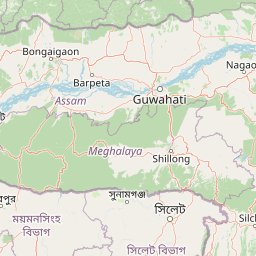
Geography guide, regional context, and park location map for Balphakram National Park

Balphakram National Park park geography, regions, and map view in India
Understand where Balphakram National Park sits in India through a broader geographic reading of the surrounding landscape, nearby location context, and its mapped position within the national park landscape.

How Balphakram National Park fits into India

India is a South Asian country bordered by the Indian Ocean, Arabian Sea, and Bay of Bengal. It shares land borders with Pakistan, China, Nepal, Bhutan, Bangladesh, and Myanmar. The country has a population of over 1.4 billion people and operates as a federal parliamentary republic with its capital in New Delhi.

Wider geography shaping Balphakram National Park in India

India occupies the Indian subcontinent in South Asia, bordered by the Arabian Sea to the southwest, the Bay of Bengal to the southeast, and the Indian Ocean to the south. It shares land borders with Pakistan to the west, China, Nepal, and Bhutan to the north, and Bangladesh and Myanmar to the east. The territory also includes the Andaman and Nicobar Islands in the Indian Ocean.

Common questions about visiting, size, designation, and location context for Balphakram National Park

Balphakram National Park FAQs for park facts, access, geography, and protected area context
Find quick answers about Balphakram National Park, including protected-area facts, park geography, trail and visitor context, and how the park fits into its surrounding country and regional landscape.
MoriAtlas Explorer

Continue Your Protected Areas Search Across the Global Atlas

Deepen your exploration by continuing the structured search for national parks and protected areas worldwide. Utilize the comprehensive filtering capabilities to compare different conservation landscapes and refine your understanding of global park geography. Discover more about the distribution and characteristics of protected natural areas.

Global natural geography