Why Barakee National Park stands out
Barakee National Park is best known for its role as a critical ecological corridor that connects the Manning River floodplain with the Great Dividing Range, creating a continuous protected pathway for wildlife movement across varying elevations and habitat types. The park contains significant old-growth forest and rainforest habitats, which are increasingly rare in the region, and supports one of the more diverse eucalypt forest assemblages in northern New South Wales. It also serves as habitat for several threatened species including the glossy black-cockatoo, koala, and eastern bentwing-bat. The park's relative remoteness means it receives fewer visitors than many other Australian national parks, preserving a more natural and undisturbed wilderness character.
Barakee National Park history and protected-area timeline
Barakee National Park was established in 1999 through the formal gazettal of the area as a national park under the National Parks and Wildlife Act of New South Wales. The creation of the park represented recognition of the ecological importance of the corridor connecting the Manning River floodplain with the Great Dividing Range, an area that had previously lacked formal protection despite its biodiversity value. The park was created alongside the adjacent Barakee State Conservation Area, which extends the protected zone and provides additional buffer habitat. In recent years, the park experienced significant environmental disturbance from the bushfires of 2019 and 2020, which left scars across portions of the landscape. These fires necessitated the closure of some areas to allow for habitat recovery and infrastructure renewal, reflecting the ongoing challenges that Australian protected areas face from climate-related fire events.
Barakee National Park landscape and geographic character
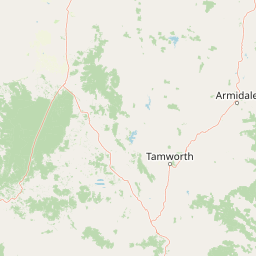
The landscape of Barakee National Park encompasses a transition zone from the flat, fertile floodplain of the Manning River up into the forested slopes of the Great Dividing Range. This topographic gradient creates diverse terrain including gentle rolling hills in the lower elevations, steeper ridgelines as the land rises, and various aspects and microclimates that contribute to the variety of vegetation communities present. The park contains creek lines and drainage systems that carry water from the higher ground down to the floodplain, providing riparian corridors within the forest. The forest canopy varies from tall eucalypt forests on the slopes to more sheltered rainforest gullies in the protected valleys, creating a mosaic of forest types across the park. Old-growth forest patches remain in several areas, representing remnants of the original forest cover that existed before European settlement and logging activities altered much of the surrounding landscape.
Barakee National Park ecosystems, habitats, and plant life
The vegetation of Barakee National Park is characterized by exceptional diversity, with numerous eucalypt species dominating the canopy alongside significant rainforest understory elements in sheltered positions. The dominant tree species include Sydney blue gum, forest red gum, river oak, thin-leaved stringybark, tallowwood, several grey gum species, white mahogany, pink bloodwood, broad-leaved apple, and apple box. This assemblage represents one of the more species-rich eucalypt forest communities in the region. The park also supports old-growth forest remnants, which are ecologically valuable as they provide habitat structures, dead wood, and microhabitats that younger forests cannot replicate. Rainforest habitats occur in protected gullies and south-facing slopes where moisture levels are higher, adding to the botanical diversity. The ecological corridor function of the park is particularly important for maintaining connectivity between lowland and highland species populations.
Barakee National Park wildlife and species highlights
Barakee National Park supports several threatened animal species that depend on the diverse forest habitats found within the protected area. The glossy black-cockatoo is a distinctive species that inhabits the eucalypt forests, feeding on the seeds of various tree species and using hollows in mature trees for nesting. Both the scarlet robin and flame robin are small passerine birds that occupy different strata of the forest, from the understory to the canopy. The koala is present in the eucalypt forests, relying on specific tree species for foraging and resting. The eastern false pipistrelle is a microbat species that hunts insects within the forest, using tree hollows and crevices for roosting. The eastern bentwing-bat is another bat species that utilizes the diverse forest habitats for foraging and shelter. This collection of threatened species demonstrates the conservation significance of the park's diverse forest ecosystems.
Barakee National Park conservation status and protection priorities
Barakee National Park plays a significant conservation role in the region as a protected area that maintains ecological connectivity across a landscape gradient. The ecological corridor linking the Manning River floodplain to the Great Dividing Range enables species movement and genetic exchange that would otherwise be prevented by cleared agricultural land. The old-growth forest and rainforest habitats within the park represent some of the last remaining examples of these forest types in the region, as much of the surrounding landscape has been cleared or modified. The presence of multiple threatened species indicates that the park provides important habitat for species that have suffered population declines across their range. Conservation management focuses on maintaining habitat quality, protecting old-growth elements, and managing fire impacts to allow ecosystem recovery.
Barakee National Park cultural meaning and human context
Barakee National Park is situated within the traditional lands of Aboriginal peoples, though the specific tribal affiliations and cultural history of the area are not extensively detailed in available sources. The landscape would have supported Aboriginal communities for thousands of years prior to European settlement, with the Manning River floodplain and the forested slopes of the Great Dividing Range providing diverse resources and cultural connections. The ecological corridor concept, while framed in modern conservation terminology, reflects a landscape that historically supported continuous movement and habitation across this terrain gradient.
Top sights and standout views in Barakee National Park
The ecological corridor connecting the Manning River floodplain to the Great Dividing Range is the defining feature of Barakee National Park, providing connectivity across diverse habitats and elevations. The park contains significant old-growth forest and rainforest remnants that are increasingly rare in the cleared agricultural landscape of northern New South Wales. Multiple threatened species including glossy black-cockatoo, koala, and eastern bentwing-bat rely on the protected forest habitats. The park remains relatively remote and uncrowded, offering a more secluded natural experience compared to more accessible Australian national parks. Camping, swimming, fishing, hiking, and four-wheel driving provide visitor activities.
Best time to visit Barakee National Park
The best time to visit Barakee National Park depends on the experience sought, with autumn and spring generally offering mild temperatures and comfortable conditions for hiking and outdoor activities. Summer months can bring hot conditions in this region of New South Wales, while winter may be cooler but still suitable for day visits. The park's remote character means that visitor numbers remain low throughout the year, so flexibility in timing is possible. Those interested in wildlife viewing may find different species more active during cooler parts of the day in warmer months. Visitors should check current conditions before traveling, as areas may remain closed following fire damage from 2019-2020 to allow for habitat recovery.