Why Beringia National Park stands out
Beringia National Park is best known for its extraordinary position at the easternmost edge of Russia, directly facing Alaska across the Bering Strait and marking the historic gateway of the Bering land bridge that once connected Asia and North America. The park preserves a landscape of immense paleobiological significance, the area where mammoths, steppe bison, and early human populations moved between continents during the last Ice Age. Its tundra ecosystems represent some of the most well-preserved subarctic environments in the Northern Hemisphere, with extensive coastal plains and mountain terrain supporting specialized Arctic vegetation. The cultural significance extends to the indigenous Chukchi and Yupik communities who maintain traditional relationships with this landscape, making it both an ecological and ethnographic treasure.
Beringia National Park history and protected-area timeline
Beringia National Park was officially established in 2013 as part of Russia's expanding network of protected areas in the far north. The creation of the park reflected growing recognition of the Bering Strait region's ecological and historical significance, building upon decades of scientific study of the area's unique paleontological and archaeological resources. The region had previously lacked formal national park status despite its extraordinary natural and cultural values, with the land serving primarily as traditional territory for the indigenous Chukchi and Yupik peoples.
The concept of cross-border cooperation between Russian and American protected areas in the Bering region has been discussed since the park's establishment, mirroring similar international park arrangements in other frontier regions. The Bering Land Bridge National Preserve in Alaska, administered by the U.S. National Park Service, preserves the complementary eastern side of this historical land bridge. While no formal international park agreement has been finalized, the ongoing dialogue between Russian and American conservation authorities reflects the shared understanding that the Bering land bridge's heritage transcends national boundaries.
The park's governing body is the Ministry of Natural Resources and Environment of the Russian Federation, which manages protected area operations including ecological monitoring, boundary enforcement, and visitor management in this extremely remote territory. The establishment also acknowledged the importance of maintaining traditional livelihoods of indigenous communities within the park boundaries, recognizing that human cultural connections to this landscape extend far beyond modern conservation designations.
Beringia National Park landscape and geographic character
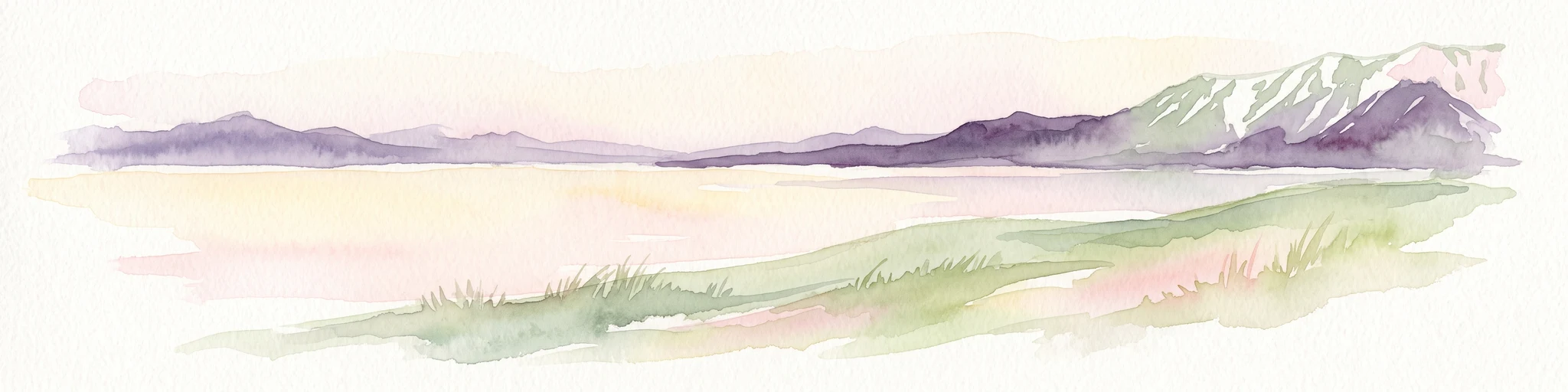
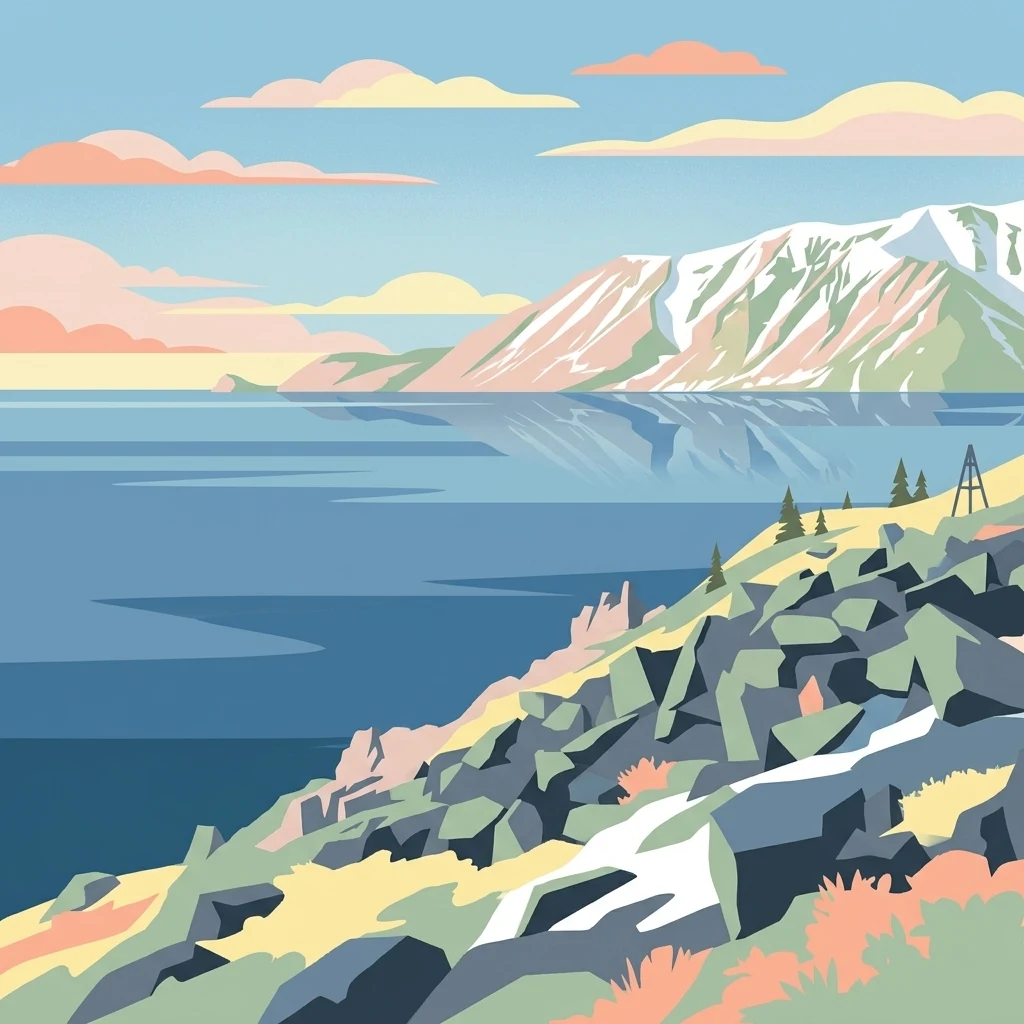
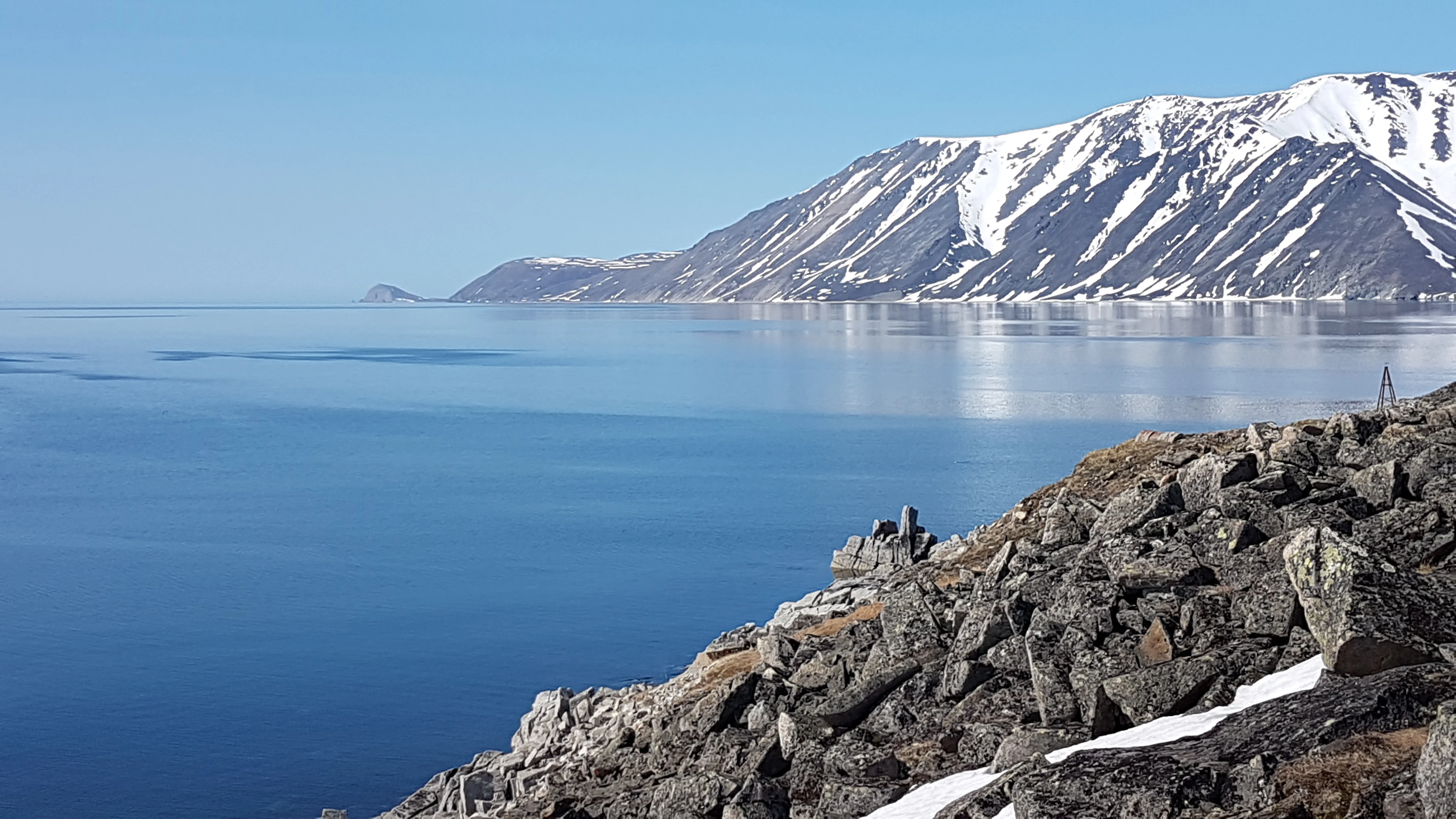
The landscape of Beringia National Park represents a quintessential Arctic tundra environment shaped by maritime influences from the Bering Strait and adjacent seas. The terrain consists primarily of mountain ridges and extensive tundra plains, with elevations ranging from sea level along the coast to the highest peaks approaching 1200 meters. The mountains are characterized by rounded, eroded profiles typical of ancient uplifted terrain, while the intervening valleys and coastal areas feature the flat, often waterlogged terrain that defines tundra ecosystems.
The maritime setting imposes itself on the landscape through fog, wind, and the moderate precipitation patterns typical of coastal Arctic regions. The terrain supports sparse vegetation dominated by mosses, lichens, and dwarf shrub species that carpet the ground in summer months, providing a vivid green-brown contrast against the rocky exposures and persistent snow patches. The absence of significant tree growth reflects both the harsh climate and the young geological history of the terrain, with permafrost limiting soil development and root penetration.
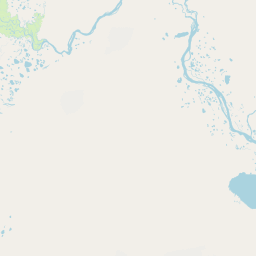
The Bering Strait itself forms the eastern boundary reference point, though the park's coastline faces multiple directions across the peninsula's irregular shape. The mountain backdrop and open tundra create vast panoramas characteristic of high-latitude wilderness, with the horizon often stretching unbroken across this treeless terrain. The landscape has remained essentially unmodified by industrial development, preserving the natural character that has defined this region for millennia.
Beringia National Park ecosystems, habitats, and plant life
Beringia National Park lies within the Bering tundra ecoregion, one of the distinctive subarctic biomes that ring the northern continents. The ecoregion is characterized by a continuous cover of low-growing vegetation adapted to short growing seasons, permafrost soils, and the extreme temperature variations between brief summers and long, cold winters. The maritime influence from the Bering Strait moderates some temperature extremes compared to continental interiors, but the region still experiences the profound seasonal changes typical of high-latitude environments.
The vegetation consists primarily of tundra plant communities including cottongrass, sedge, moss, and lichen associations that create the characteristic Arctic landscape. In summer, flowering plants including various Arctic species add color to the tundra, though the overall impression remains one of subtle, resilient life rather than lush growth. The soil conditions, dominated by permafrost and limited nutrient availability, prevent the development of the more diverse forest ecosystems found at lower latitudes.
The climate classification is Subarctic (Dfc according to the Köppen system), featuring cool summers with only one to three months above 10°C and cold winters with the coldest month averaging below -3°C. This climate regime produces the conditions that maintain the tundra ecosystem and its specialized adapted species, creating an environment fundamentally different from the temperate forests and grasslands that characterize most of the inhabited regions of the Northern Hemisphere.
Beringia National Park wildlife and species highlights
The wildlife of Beringia National Park reflects the Arctic tundra ecosystem, with species adapted to the harsh conditions and seasonal extremes of the far north. The tundra supports populations of reindeer, which have traditionally been important to the indigenous peoples of the region and continue to inhabit the park's vast territories. Arctic fox and snow sheep are among the notable mammalian species that have evolved to thrive in this environment, utilizing the rocky terrain and tundra vegetation for shelter and food.
The region's position along the Bering Strait also makes it significant for migratory bird populations that use the coastal areas as staging grounds during their seasonal movements between breeding grounds in the Arctic and wintering areas further south. Various seabird species utilize the coastline, while the tundra breeding grounds support populations of shorebirds and waterfowl during the brief summer season.
The marine environment of the Bering Strait itself supports species adapted to cold waters, with the strait's role as a migration corridor for Pacific species connecting Arctic and sub-Arctic marine ecosystems. While the park's primary focus is on terrestrial environments, the coastal position means marine resources have historically been important to local communities and contribute to the overall ecological value of the protected area.
Beringia National Park conservation status and protection priorities
Beringia National Park represents a significant addition to the global protected area network, preserving one of the most extensive remaining areas of unmodified subarctic tundra in Eurasia. The IUCN category II designation reflects the park's primary objectives of protecting natural ecosystems while allowing for sustainable visitor use and appreciation of the landscape's values. The establishment of the park in 2013 addressed a significant gap in the conservation coverage of Russia's far northeastern regions, which had previously lacked formal national park status for these unique environments.
The conservation significance extends beyond the park's borders through its relationship with the Bering Land Bridge National Preserve in Alaska, creating the potential for coordinated transcontinental conservation of the Bering region's shared natural heritage. The land bridge history adds a paleobiological dimension to the conservation value, as the territory contains evidence of the ecosystems and species that existed during the Pleistocene when the land connection allowed the great interchange of flora and fauna between continents.
The protection of this Arctic tundra ecosystem is particularly important given the vulnerability of subarctic environments to climate change impacts, including shifts in permafrost stability, vegetation changes, and altered migration patterns for both wildlife and indigenous communities who maintain traditional connections to the land. The park provides a reference area for understanding natural processes in these environments and serves as a baseline against which future environmental changes can be measured.
Beringia National Park cultural meaning and human context
Beringia National Park lies within the ancestral territories of the Chukchi and Yupik peoples, whose traditional relationships with this landscape extend back thousands of years. These indigenous communities have maintained continuous cultural connections to the Bering Strait region, developing adaptive strategies for survival in the harsh Arctic environment through reindeer herding, marine mammal hunting, and other traditional practices. The park's sparse population today remains predominantly indigenous, maintaining cultural traditions that link contemporary life to the historical use of this territory.
The region's cultural significance extends beyond living traditions to encompass the archaeological heritage left by earlier inhabitants and the historical narratives associated with the Bering land bridge. This area represents one of the key zones where human populations moved between Asia and North America, making it foundational to the peopling of the Americas. The cultural landscape thus carries layers of significance spanning from deep prehistory through the historic period of Russian exploration and settlement to contemporary indigenous community life.
The relationship between indigenous communities and the protected area requires ongoing attention to ensure that conservation designations support rather than undermine traditional livelihood practices and cultural continuity. The management framework acknowledges the importance of these connections while providing for the protection of natural values that are themselves intertwined with cultural meaning.
Top sights and standout views in Beringia National Park
Beringia National Park offers visitors access to one of Earth's most remote and historically significant landscapes—the eastern gateway to the Bering land bridge that once connected continents. The vast tundra wilderness provides an immersive Arctic experience far from typical tourism infrastructure, with the opportunity to walk through landscapes that have changed little since the last Ice Age. The park's position directly across from Alaska creates a unique geographic experience where on clear days the opposite continent is visible across the water, making the abstract concept of the land bridge remarkably tangible.
The cultural dimension adds depth to the natural landscape, with the presence of indigenous Chukchi and Yupik communities maintaining traditional connections to this territory. The park represents one of the few places where visitors can experience a subarctic environment that has escaped significant industrial development, preserving the wild character that defined this region for millennia. The combination of geological significance, ecological distinctiveness, and cultural depth makes Beringia a unique destination for those seeking to understand the broader story of Earth's northern latitudes and the connections between continents that have shaped both natural and human history.
Best time to visit Beringia National Park
The optimal time to visit Beringia National Park is during the brief Arctic summer, typically from June through August, when temperatures rise above freezing and the tundra transforms with vegetation growth and bird migrations. Summer offers the most accessible conditions for exploration, with the landscape displaying the green-brown tapestry of Arctic vegetation and extended daylight hours providing extended opportunities for outdoor activities. This is also the season when wildlife is most active, with reindeer populations visible across the tundra and migratory birds present in the coastal zones.
Winter visits are possible but present significant challenges, with extreme cold, limited daylight, and the practical difficulties of Arctic travel during the extended polar night period. The winter landscape has its own stark beauty, with snow-covered tundra and the possibility of observing northern lights, but the conditions require specialized equipment and preparation. The shoulder seasons of spring and autumn offer transitional conditions but may present access limitations due to weather and the practical challenges of transitioning between summer and winter travel patterns.