Why Bhawal National Park stands out
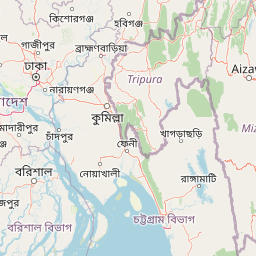
Bhawal National Park is best known as one of the last remaining fragments of sal forest in Bangladesh, representing a rapidly vanishing ecosystem type that once covered vast areas of the country's central plains. The park preserves what remains of the sal-dominated woodland that characterized the Madhupur region under the historic Bhawal Estate. Once home to impressive wildlife including Bengal tigers, leopards, elephants, and clouded leopards, the park has become emblematic of both the ecological richness that once existed in this region and the conservation challenges facing Bangladesh's natural landscapes. The remaining sal trees and the park's proximity to Dhaka make it a significant site for environmental education and awareness.
Bhawal National Park history and protected-area timeline
The land that now comprises Bhawal National Park carries a heritage linked to the Bhawal Estate, a significant historical landholding in central Bangladesh during the colonial and post-colonial periods. The forest area was originally part of the Madhupur forest tract, which contained extensive stands of sal (Shorea robusta), the economically and ecologically important tree species that dominated forests across much of the Bengal region. The area was formally designated as a national park in 1974 and received official declaration under the Wildlife Act of 1974 in 1982, establishing its protected status within Bangladesh's legal framework. The park's management falls under IUCN Category V as a protected landscape, reflecting its dual function of habitat protection and providing opportunities for public recreation. Within the past fifty years, the ecological character of the region has transformed dramatically, with illegal deforestation reducing the original forest cover dramatically. The forest department has undertaken reforestation efforts, though these have primarily involved plantation species rather than restoration of the original sal forest ecosystem. The park's historical wildlife population, which once included tigers, leopards, black panthers, elephants, clouded leopards, and sambar deer, has been drastically reduced, with only a few species now remaining in the area.
Bhawal National Park landscape and geographic character
The landscape of Bhawal National Park is characterized by gently undulating terrain typical of the Madhupur plateau in central Bangladesh. The area features a mix of flatlands and low ridges, with the terrain generally not exceeding modest elevations. The park's setting within the former Bhawal Estate lands means that the landscape bears the imprint of both natural forest and historical human management. The soil conditions support the growth of sal forest, which thrives on the well-drained soils of the region. The park contains areas of natural forest remaining among more heavily modified plantation areas, creating a mosaic landscape that reflects both historical forest cover and subsequent human modification. Water features within the park contribute to the ecological diversity, with views of valleys and rivers available from elevated points within the protected area. The contrast between the remaining old-growth sal areas and the newer plantation zones illustrates the ecological transition the park has undergone.
Bhawal National Park ecosystems, habitats, and plant life
The ecological character of Bhawal National Park centers on its sal forest ecosystem, which represents one of the most threatened forest types in Bangladesh. The park contains approximately 345 plant species, including 151 different tree species, 53 shrubs, 106 herbs, and 34 climber species. The sal tree (Shorea robusta) remains the dominant species, representing the coppice forest formation that characterizes this ecosystem type. This forest type once covered extensive areas of Bangladesh's central plains but has been drastically reduced through clearing for agriculture, timber extraction, and human settlement. The park's remaining natural areas provide habitat for species adapted to sal forest conditions, though the overall biodiversity has been significantly reduced from historical levels. The park represents a refuge for forest-dependent species in a region where natural forest cover has become extremely limited, making its continued protection important for maintaining ecological connectivity and genetic diversity for forest species.
Bhawal National Park wildlife and species highlights
The wildlife community of Bhawal National Park has experienced substantial decline from its historical baseline, reflecting the broader pattern of biodiversity loss across Bangladesh's forested areas. Historically, the park supported an impressive array of large mammals including Bengal tigers, leopards, black panthers, Asian elephants, clouded leopards, and sambar deer. Peacocks were also noted as common inhabitants of the area. The current wildlife population is considerably reduced, with the park now supporting 13 mammal species, 9 reptile species, 5 bird species, and 5 amphibian species. The Forest Department has undertaken restocking efforts, introducing peacocks, deer, pythons, and catfish to supplement the remaining wildlife populations. The Bengal monitor represents one of the notable reptile species still present in the park. The contrast between the historical wildlife accounts and the present situation illustrates the severity of habitat loss and fragmentation that has affected this region, while also highlighting the importance of maintaining what remaining populations exist.
Bhawal National Park conservation status and protection priorities
Bhawal National Park represents both the challenges and the importance of forest conservation in Bangladesh. The park is designated under IUCN Management Category IV as a habitat and species management area, reflecting its focus on maintaining viable populations of native species within the sal forest ecosystem. The protected landscape designation under Category V acknowledges the park's cultural and scenic values alongside its ecological function. The park faces significant conservation challenges, including ongoing habitat degradation from illegal deforestation, encroachment by human settlements, and competition from commercial forestry operations. The reduction of original sal forest from what was once extensive coverage to approximately 600 square kilometers across the region demonstrates the scale of ecological loss that has occurred. Conservation efforts at the park focus on protecting the remaining forest areas, managing the introduced wildlife populations, and providing environmental education opportunities for visitors. The park's proximity to Dhaka gives it particular value as an accessible site for connecting urban populations with natural environments and raising awareness about conservation needs.
Bhawal National Park cultural meaning and human context
The lands of Bhawal National Park are historically connected to the Bhawal Estate, a significant historical landholding in the region that dates to the colonial period in Bangladesh. The estate managed extensive forest and agricultural lands in the Madhupur region, and the forest areas within what is now the park formed part of this historical land use system. The name Bhawal derives from this estate connection, and the park preserves the memory of a landscape that was once heavily managed but also retained significant natural value. The region has experienced substantial demographic changes over recent decades, with population growth and development pressure transforming much of the surrounding landscape. The park represents a cultural as well as ecological space, linking contemporary conservation efforts with the historical land management traditions of the region.
Top sights and standout views in Bhawal National Park
Bhawal National Park stands as one of Bangladesh's last remaining sal forest ecosystems, offering visitors the opportunity to experience a forest type that once dominated the country's central plains but now exists in only fragmented remnants. The park's location within easy reach of Dhaka makes it an important site for environmental education and nature-based recreation for the capital's residents. The remaining sal trees, though reduced from historical extent, provide a sense of the original forest character that characterized this region. The presence of introduced species including peacocks and deer, alongside the native wildlife that persists, offers wildlife viewing opportunities within a managed protected area setting. The park's role in preserving genetic material and ecological function for forest-dependent species gives it conservation significance beyond its relatively modest size.
Best time to visit Bhawal National Park
The optimal time to visit Bhawal National Park falls during the cooler months from November through March, when temperatures are more comfortable for outdoor exploration and the risk of heavy rainfall is reduced. The winter months offer pleasant conditions for walking through the forest trails and observing wildlife, though visitors should be prepared for morning and evening coolness. The monsoon season from June to September brings heavy rainfall to the region, which can limit access to some park areas and make outdoor activities less comfortable. The period from April through May tends to be hot and humid, with temperatures rising significantly, which can make park visits challenging during midday hours. Visitors interested in birdwatching may find the post-monsoon period particularly rewarding as migratory bird species pass through the area.