Why Blå Jungfrun National Park stands out
Blå Jungfrun is especially known for its unique blue-hued granite cliffs that give the island its characteristic appearance and name. The island's steep rocky shores, sea caves, and distinctive coastal geology make it visually striking among Baltic Sea islands. The park is also notable as an important bird sanctuary, with the island and surrounding waters supporting diverse seabird populations. The combination of unusual geological features, coastal ecosystems, and cultural heritage ruins creates a distinctive protected area that stands apart from Sweden's mainland national parks.
Blå Jungfrun National Park history and protected-area timeline
The island of Blå Jungfrun has a long human presence in Swedish history. The most notable cultural feature is the ruins of a medieval church that once served the island's small community. The church and its accompanying graveyard represent the spiritual and communal life of past inhabitants who lived on or utilized the island. Historical records indicate that the island was inhabited during various periods, with fishing and maritime activities forming the basis of local economy.
The establishment of the area as a nature reserve reflected growing recognition of the island's scientific and conservation value. The unique geological features, combined with the island's ecological significance as a bird habitat and the cultural heritage elements, made it a candidate for formal protection. The national park designation ensures ongoing preservation of these combined natural and cultural values for future generations.
Blå Jungfrun National Park landscape and geographic character
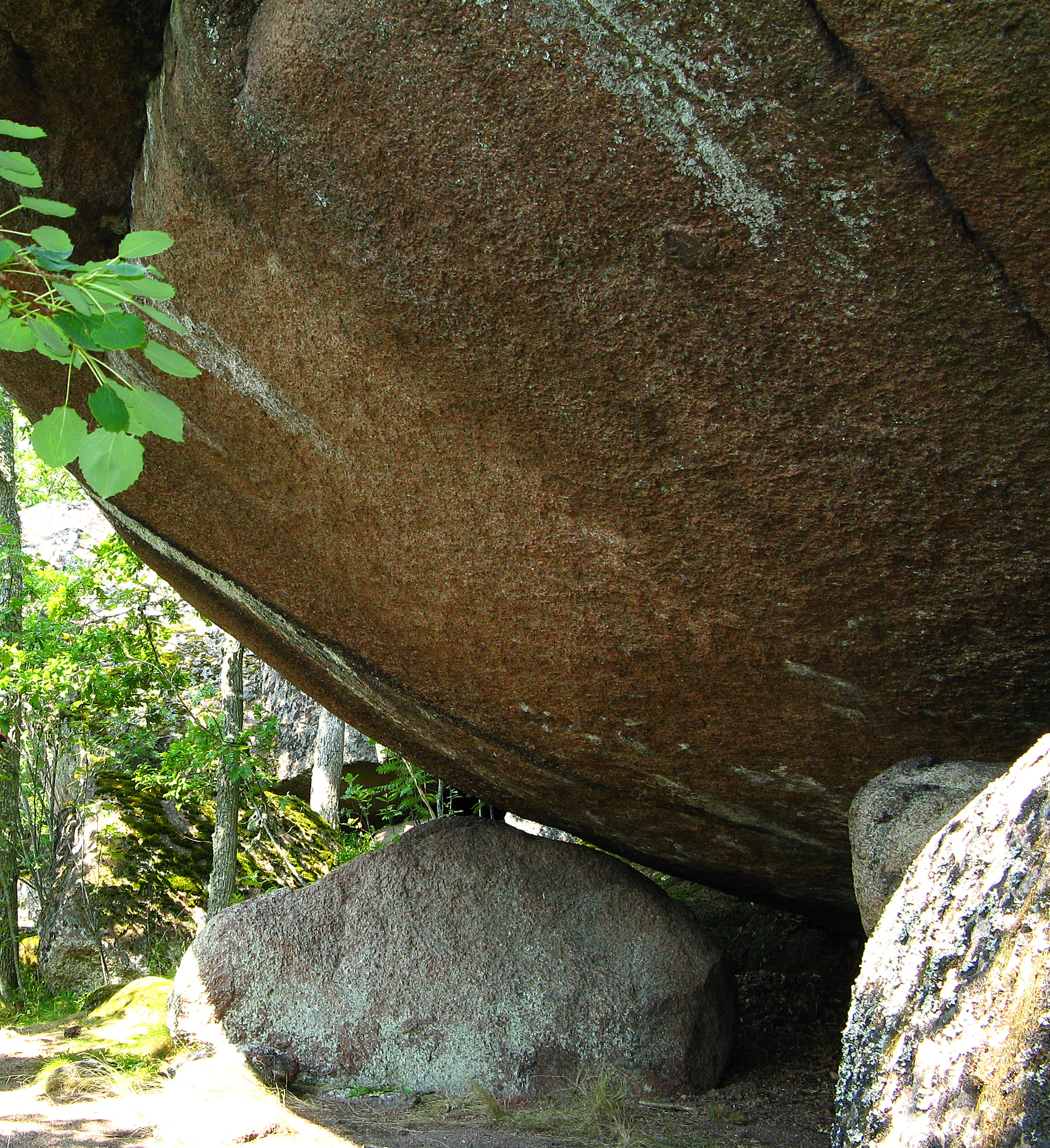
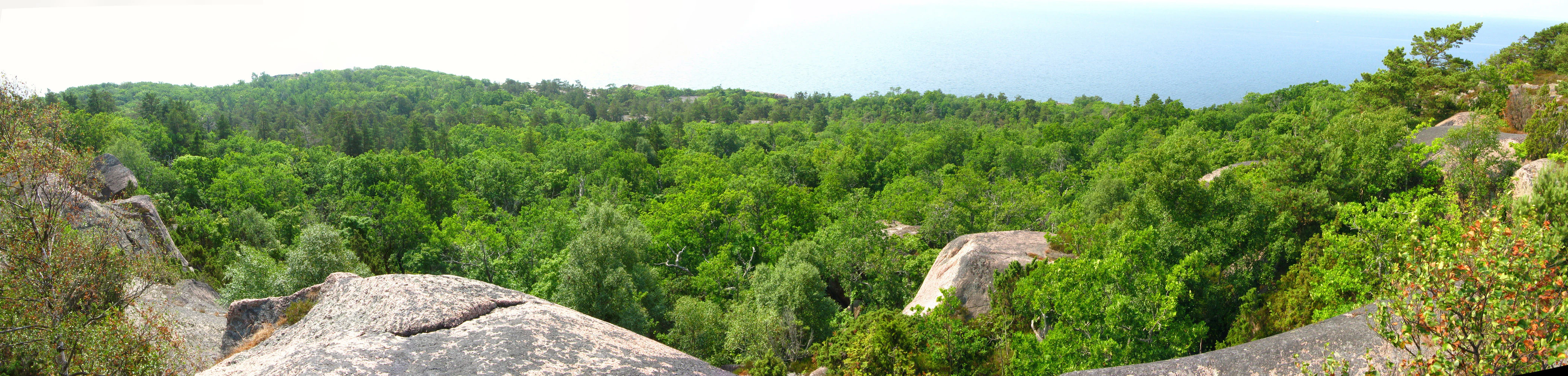
The landscape of Blå Jungfrun National Park is dominated by the island's distinctive granite bedrock, which creates a rugged and visually striking coastal environment. The island rises sharply from the Baltic Sea, with the most dramatic topography along its western and northern coasts where steep cliffs drop directly into the water. These cliffs feature the characteristic blue-gray coloration that gives the island its name.
The coastal landscape includes sea caves, rock arches, and weathered granite formations that showcase the ongoing interaction between the sea and the island's geology. The shoreline alternates between rocky headlands and small cobble beaches. Inland, the terrain is characterized by exposed bedrock with thin soils supporting sparse vegetation. The overall impression is one of stark, beautiful isolation, with the island standing as a solitary landform in the Baltic Sea.
Blå Jungfrun National Park ecosystems, habitats, and plant life
The ecological character of Blå Jungfrun is shaped by its island location in the Baltic Sea and the associated maritime influences. The vegetation reflects coastal conditions, with heath communities and hardy grasses dominating the thin soils over granite substrate. Salt-tolerant plants occur in areas most exposed to sea spray, while more sheltered areas support a different suite of species adapted to the island's conditions.
The marine environment surrounding the island is an integral part of the ecosystem. The waters support fish populations and contribute to the broader Baltic Sea ecological system. The combination of island and marine habitats creates a coastal ecosystem that is relatively rare in the Swedish protected area network, making the park ecologically significant beyond its modest size.
Blå Jungfrun National Park wildlife and species highlights
Blå Jungfrun is recognized as an important bird habitat, with the island and surrounding waters supporting diverse bird species. Seabirds nest on the island's cliffs and rocky shores, while the surrounding marine environment provides feeding areas for various species. The island's isolated location and diverse coastal habitats create favorable conditions for bird life.
The bird populations using the area include both resident species and migratory visitors that utilize the island as a stopover or breeding site. The coastal cliffs provide nesting opportunities for species that require the rocky island environment, while the surrounding waters support fish-eating birds. The importance of the area for bird conservation has contributed to its protected status.
Blå Jungfrun National Park conservation status and protection priorities
Blå Jungfrun National Park represents an important conservation unit within Sweden's coastal protected area network. The park protects both the island's unique geological features, including the distinctive blue granite formations, and the surrounding marine environment. This dual protection approach recognizes the interconnected nature of terrestrial and marine coastal ecosystems.
The conservation significance extends to the island's role as a bird sanctuary, with the protected status helping to maintain important nesting and feeding habitats. The combination of geological, ecological, and cultural values within a single protected area exemplifies the integrated approach to landscape conservation that characterizes Swedish natural heritage management. The park serves as a living example of Baltic coastal island ecosystems that face various pressures in the contemporary environment.
Blå Jungfrun National Park cultural meaning and human context
The island of Blå Jungfrun carries human history within its landscape. The ruins of a medieval church represent the spiritual and communal traditions of people who lived on or visited the island historically. The church graveyard contains historic burials, linking the island to broader patterns of coastal settlement and maritime life in the Baltic Sea region.
This cultural dimension adds depth to the island's identity, connecting the natural landscape to human stories and traditions spanning centuries. The presence of these heritage elements within a national park setting illustrates how natural and cultural values can be protected together, creating holistic conservation that honors both the environment and human history.
Top sights and standout views in Blå Jungfrun National Park
Blå Jungfrun National Park offers a rare combination of geological uniqueness, coastal ecology, and cultural heritage within a Baltic Sea island setting. The island's signature blue-hued granite cliffs create a visually distinctive landscape not found elsewhere in Sweden. The protected area encompasses both the island and its surrounding waters, providing comprehensive coastal ecosystem protection. Bird populations and marine life add biological richness to the park's values. The medieval church ruins provide a tangible connection to human history on this isolated island.
Best time to visit Blå Jungfrun National Park
The character of Blå Jungfrun changes with the seasons, with each period offering different experiences. The summer months bring the most accessible conditions for island visitation, with longer daylight hours and warmer temperatures. The blue coloration of the granite is most visible during calm summer days when the sea is still and lighting conditions favor the mineral's characteristic hue. Autumn and spring offer different atmospheric qualities, with the possibility of witnessing migratory bird movements. Winter visits provide a stark, dramatic experience of the island in its most challenging season, though access may be more limited. The choice of when to visit depends on what aspects of the park experience are most valued.