
Mori Atlas logo
National parkBraslaw Lakes

Discover mapped boundaries and the unique lacustrine geography of this protected natural region.

Braslaw Lakes National Park: A Protected Glacial Lake Landscape in Northern Belarus

(Braslaw Lakes National Park)

Braslaw Lakes National Park stands as a protected natural area in northern Belarus, renowned for its distinctive chain of glacial lakes, expansive wetlands, and surrounding forested terrains. This national park, situated in the Vitebsk Region, preserves a unique lacustrine environment and significant biodiversity, serving as a crucial ecological corridor within Eastern Europe's mapped geography. The interconnected lake system, sculpted by glacial forces, creates a visually striking landscape that is uncommon in Belarus, offering a prime destination for atlas-driven discovery of protected lands.

National ParkLakesGlacial LandscapeWetlandsForestsNorthern Belarus

Braslaw Lakes

National park

Park overview

Structured park overview, official facts, and landscape profile for Braslaw Lakes National Park

Braslaw Lakes National Park park facts, protected area profile, and essential visitor context
Review the core facts for Braslaw Lakes National Park, including designation, size, terrain, visitor scale, habitats, and operating context in one park-focused overview.

About Braslaw Lakes National Park

Braslaw Lakes National Park protects a remarkable lacustrine landscape in northern Belarus. The park's defining feature is its chain of glacial lakes, formed by the retreat of ice sheets during the last glacial period. These lakes, connected by streams and channels, create a complex aquatic ecosystem set within a matrix of forests, marshes, and agricultural land. The landscape surrounding the lakes features gentle rolling hills and varied terrain that adds to the area's scenic quality. The protection of this lake district reflects Belarus' commitment to preserving its natural heritage, with the park serving both ecological and recreational functions. Visitors are drawn to the area for its tranquil natural setting, opportunities for outdoor recreation, and the chance to experience one of Belarus' most distinctive landscapes.

Quick facts and research context for Braslaw Lakes National Park

Braslaw Lakes National Park is located in the northern Vitebsk Region of Belarus, approximately 20 kilometers from the town of Braslaw. The park features a series of interconnected glacial lakes formed during the last ice age, surrounded by mixed forests, marshes, and rolling terrain. The protected area was established to preserve the region's distinctive lake ecosystem, wetland habitats, and forested landscapes. The area is recognized for its ecological significance and serves as a habitat for various bird species, fish populations, and forest-dwelling wildlife.

Park context

Deeper park guide and search-rich context for Braslaw Lakes National Park

Braslaw Lakes National Park history, landscape, wildlife, and travel context
Explore Braslaw Lakes National Park through its history, landscape character, ecosystems, wildlife, conservation priorities, cultural context, and seasonal travel timing in a structured park guide built for atlas discovery and search intent.

Why Braslaw Lakes National Park stands out

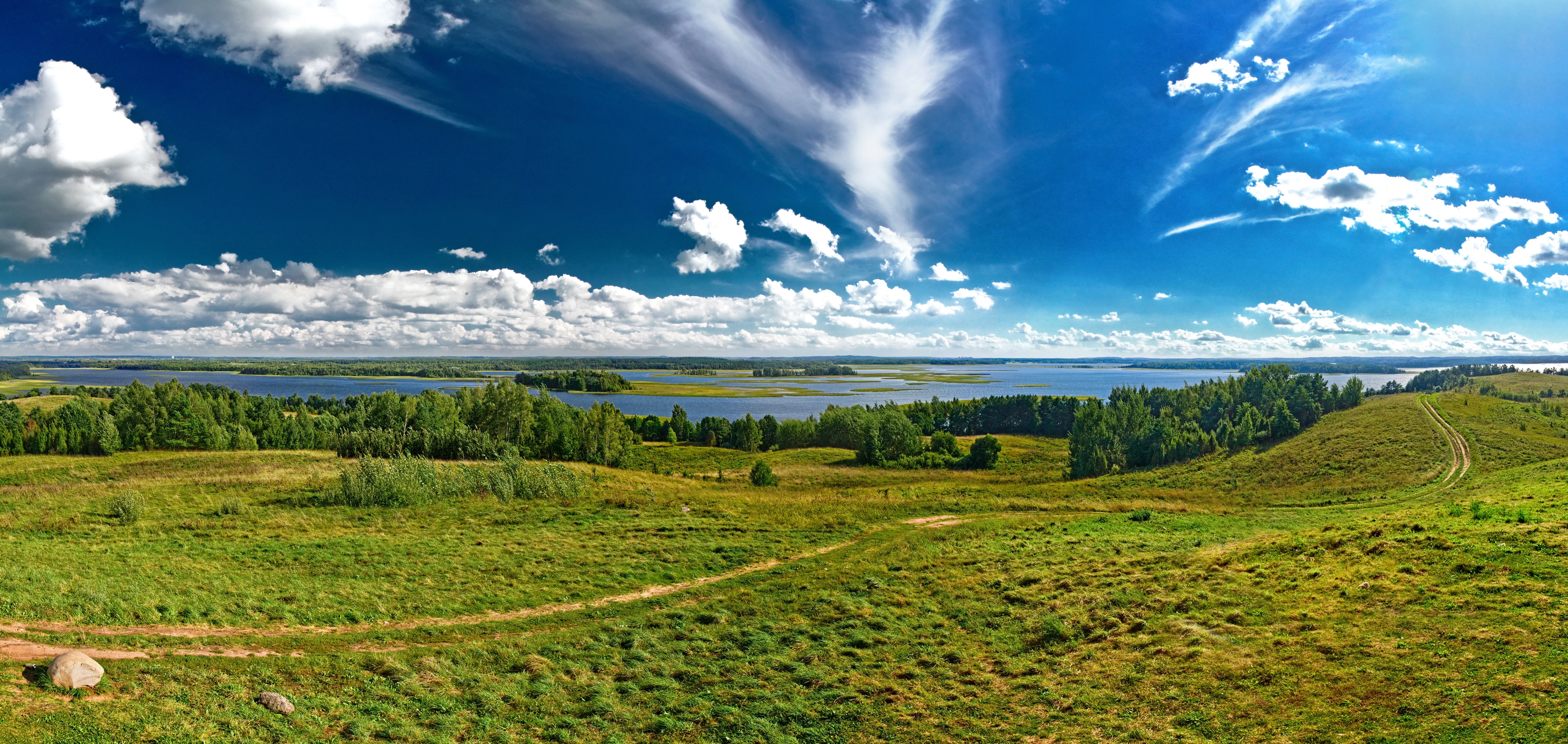
Braslaw Lakes is best known for its chain of glacial lakes, which form a distinctive and scenic landscape uncommon in Belarus. The interconnected lake system, surrounded by forests and wetlands, represents one of the country's most important lake districts. The park is particularly noted for its birdlife, with wetland areas serving as important habitats for waterfowl and migratory species. The combination of open water, marshes, and forested shoreline creates a diverse habitat complex that supports notable biodiversity.
Braslaw Lakes National Park history and protected-area timeline

Braslaw Lakes National Park was established as a protected area to conserve the unique glacial lake landscape of northern Belarus. The creation of the park reflected growing recognition of the ecological and scenic value of the lake chain and surrounding forests. The protected area was formally designated to provide formal conservation status to the lake district, ensuring the preservation of its natural character against development pressures and resource exploitation. The park's establishment also aimed to support sustainable use of the area's natural resources while protecting biodiversity.

Braslaw Lakes National Park landscape and geographic character

The landscape of Braslaw Lakes National Park is defined by its glacially formed lake chain, which creates a distinctive scenery of interconnected water bodies set within a forested and marshy terrain. The lakes vary in size and depth, with irregular shorelines that include peninsulas, islands, and sheltered bays. The surrounding land features mixed deciduous and coniferous forests, wet meadows, and peat bogs. The terrain is gently rolling, with elevations that add subtle topographic variation without dramatic relief. The combination of open water, forested slopes, and wetland areas creates a varied and visually appealing landscape typical of northern Belarus' lake districts.
Braslaw Lakes National Park ecosystems, habitats, and plant life

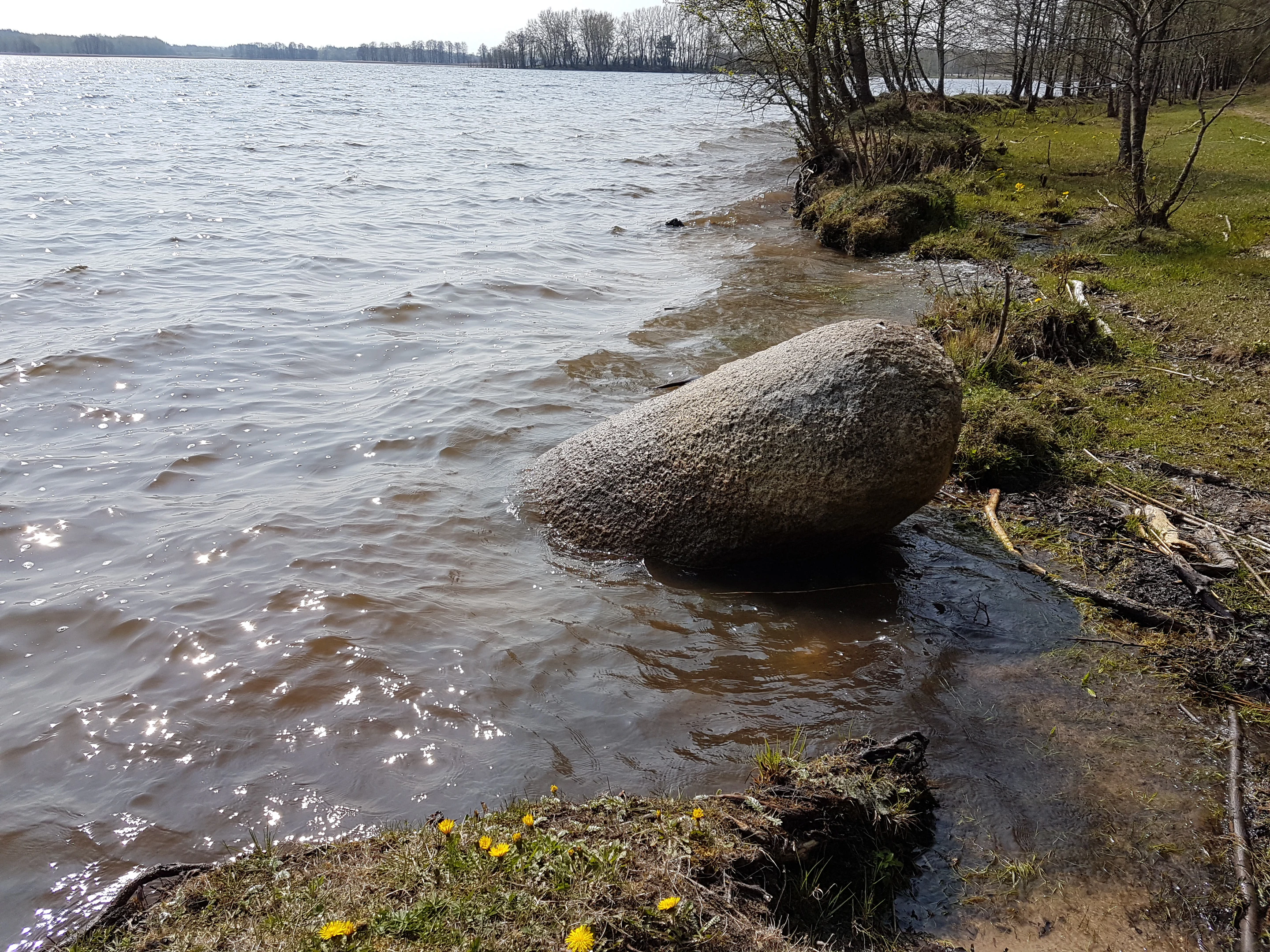
The ecological character of Braslaw Lakes centers on its aquatic and wetland habitats. The lake chain supports diverse freshwater ecosystems, with varying depths, substrates, and shore conditions creating conditions for different plant and animal communities. The surrounding wetlands and marshes provide important habitat for water-loving species, while the forested areas add additional ecological complexity. The park's position in northern Belarus places it within a temperate climate zone that influences the types of vegetation and wildlife present. The mixed forest surrounding the lakes includes species typical of the region, contributing to the overall biodiversity of the protected area.
Braslaw Lakes National Park wildlife and species highlights

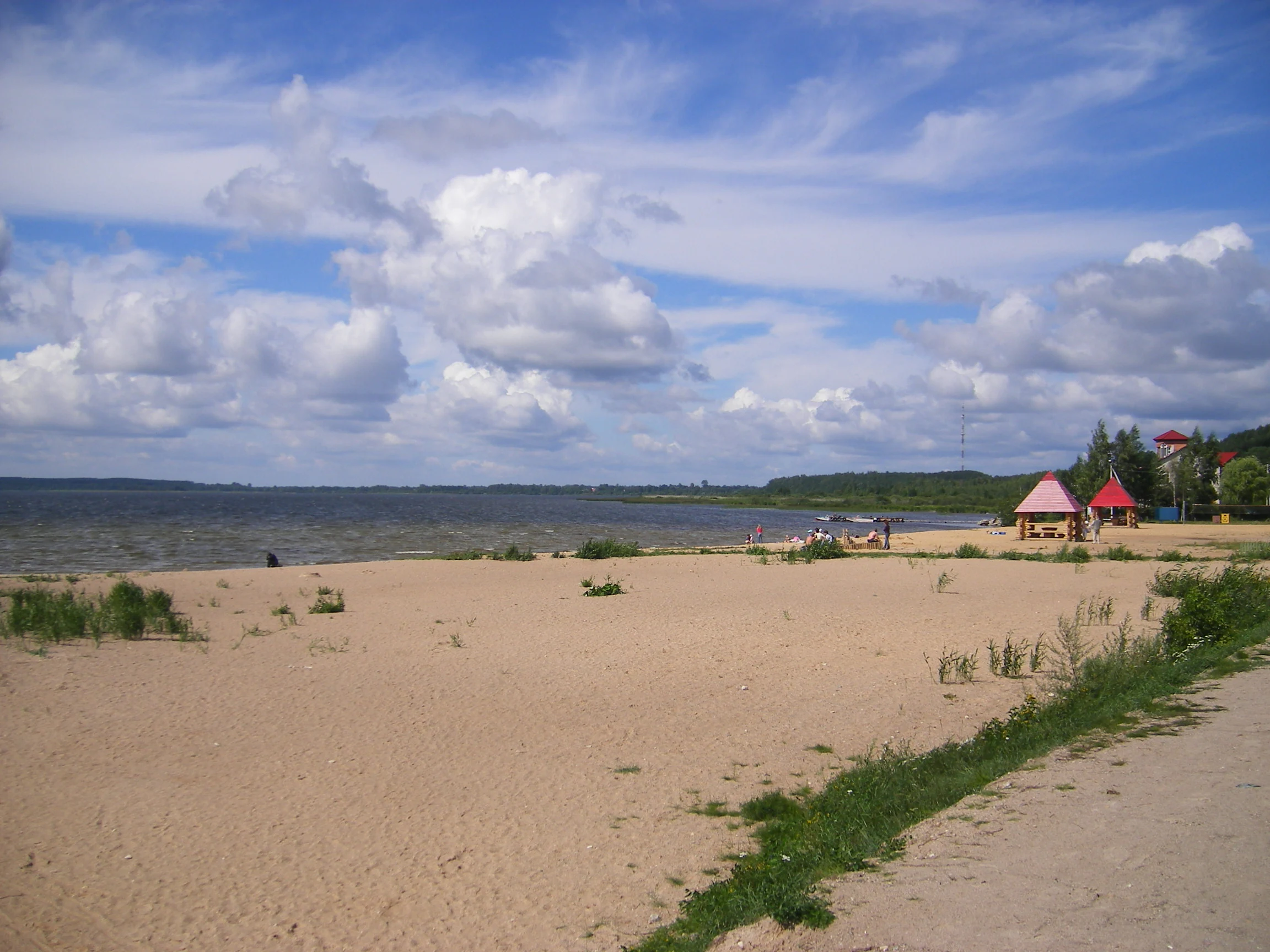
The wildlife of Braslaw Lakes is associated with the park's diverse aquatic and forest habitats. The lakes support fish populations that provide food for birds and other predators. Waterfowl and marsh birds are particularly notable, with the wetland areas serving as feeding and nesting grounds. The surrounding forests provide habitat for various terrestrial species, including mammals and songbirds. The combination of water, marsh, and forest creates a habitat matrix that supports a range of species typical of Belarus' northern lake districts.
Braslaw Lakes National Park conservation status and protection priorities

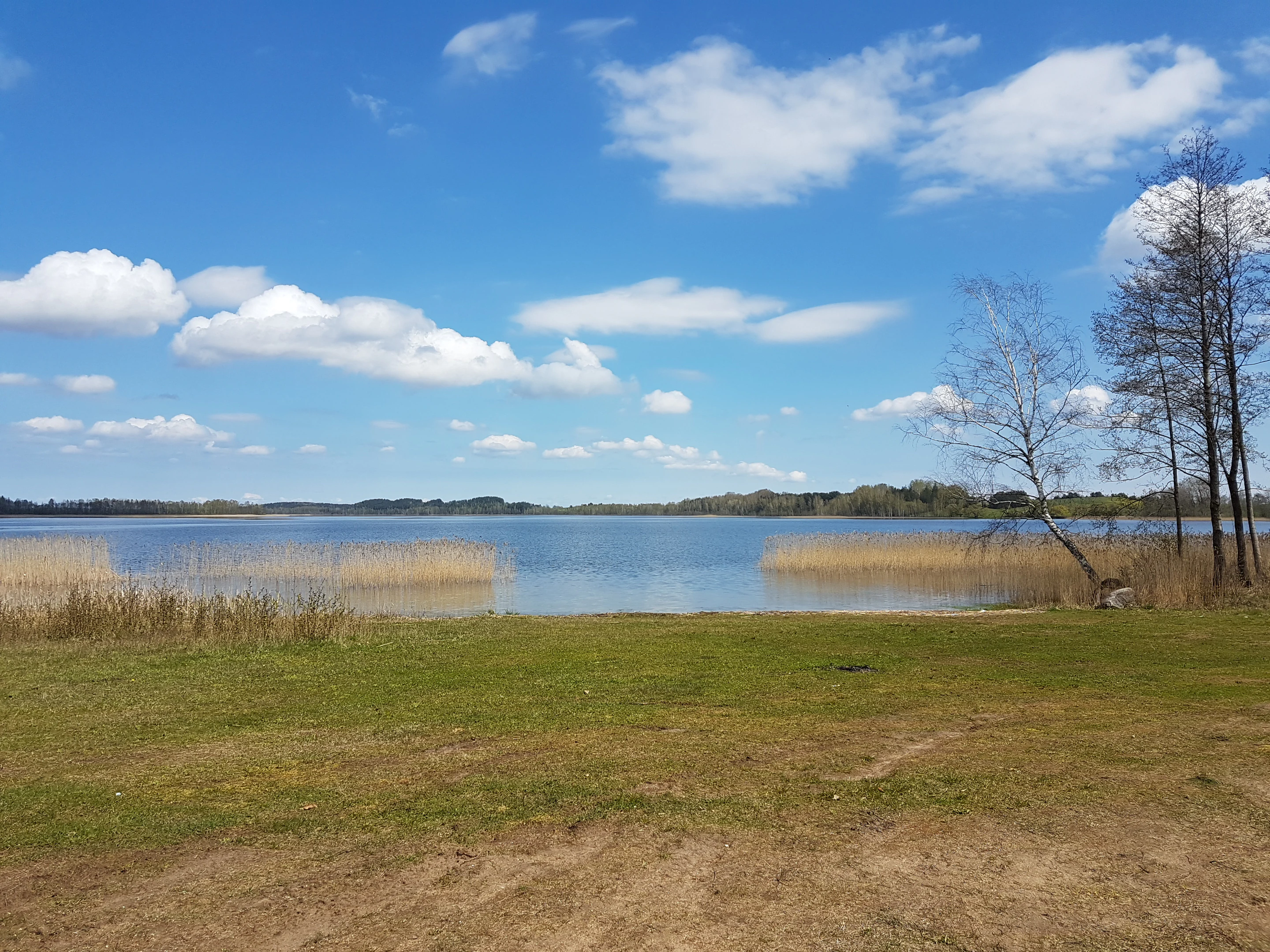
Braslaw Lakes National Park represents an important conservation designation for Belarus' northern lake landscape. The protected status helps preserve the lake chain, its associated wetlands, and the surrounding forests from development and intensive resource use. The park contributes to maintaining ecological connectivity in the region and protects habitats important for biodiversity. Conservation of this lacustrine system also provides benefits for water quality, flood regulation, and the broader ecological function of the landscape.

Braslaw Lakes National Park cultural meaning and human context

The Braslaw Lakes area has historical connections to the broader Vitebsk Region of northern Belarus. The town of Braslaw and surrounding settlements have long relationships with the lake landscape, with fishing and agriculture traditionally supporting local communities. The region's cultural history is tied to its natural setting, though the specific historical details of human interaction with the park area would require more detailed local sources.

Top sights and standout views in Braslaw Lakes National Park

The standout feature of Braslaw Lakes National Park is its chain of glacial lakes, a rare and scenic landscape in Belarus. The interconnected lakes create a distinctive visual environment that distinguishes the park from other protected areas in the country. The combination of open water, islands, forested shores, and wetlands offers a complex and varied natural setting. The park's ecological significance is tied to its wetland habitats and the biodiversity they support.

Best time to visit Braslaw Lakes National Park

The best time to visit Braslaw Lakes National Park is during the warmer months from late spring through early autumn, when the region's lakes and forests are most accessible and the weather allows for outdoor activities. Summer offers the warmest conditions for exploring the park's waterways and trails, while spring brings migratory birds to the wetland areas. Autumn provides fall colors in the surrounding forests. Winter access may be limited due to snow and ice conditions.
Park location guide

Geography guide, regional context, and park location map for Braslaw Lakes National Park

Braslaw Lakes National Park park geography, regions, and map view in Belarus
Understand where Braslaw Lakes National Park sits in Belarus through a broader geographic reading of the surrounding landscape, nearby location context, and its mapped position within the national park landscape.

How Braslaw Lakes National Park fits into Belarus

Belarus is a landlocked Eastern European country spanning 207,600 km² with a population of about 9.1 million. Formerly part of the Soviet Union, it declared independence in 1991 and is now a unitary semi-presidential republic. The nation shares borders with Russia, Ukraine, Poland, Lithuania, and Latvia, and is administratively divided into six regions.

Wider geography shaping Braslaw Lakes National Park in Belarus

Belarus is a landlocked country in Eastern Europe, bordered by Russia to the east and northeast, Ukraine to the south, Poland to the west, and Lithuania and Latvia to the northwest. The terrain consists largely of flatland and rolling hills with many rivers, lakes, and forests. The country spans 207,600 km² and is administratively divided into six regions.

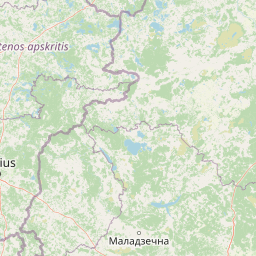
Map view of Braslaw Lakes National Park

Use this park location map to pinpoint Braslaw Lakes National Park in Belarus, understand its exact geographic position, and read its mapped placement within the surrounding landscape more clearly.

Pigeon | © OpenStreetMap contributors
Park atlas

Trace surrounding protected areas, compare regional park geography, and explore connected conservation landscapes.

Discover Other National Parks and Protected Areas Near Braslaw Lakes
Explore other national parks and protected areas that share geographic features or are situated within the broader region surrounding Braslaw Lakes National Park. This continuation provides valuable atlas context, enabling comparison of diverse landscapes, conservation efforts, and regional ecological patterns across Eastern Europe.
National park

Aukštaitija National Park: Lithuania's Oldest National Park and Protected Landscape Exploration

Mapped geography and lake district atlas for this Baltic region park.

Delve into Aukštaitija National Park, Lithuania's pioneering national park and a key protected area in the Baltic region. This detailed atlas entry highlights its defining geography: an extensive mosaic of over 120 lakes interwoven with ancient pine forests across undulating highlands. Understand the park's protected landscape, its mapped boundaries, and its ecological significance within Eastern Europe's natural terrain.

Area
410.56 km²
Established
1974
IUCN
II
Relief
Upland
Watercolor illustration showing a lake, trees, and distant hills
National parkLatgale

Rāzna National Park: Protected Landscape and Regional Geography in Latgale

Explore the mapped terrain of Latvia's largest lake region.

Rāzna National Park, situated in the Latgale region, provides an essential focal point for understanding eastern Latvia's protected landscapes. This national park, recognized for its extensive glacial terrain and the significant Lake Rāzna, offers a distinct geographic profile. Users can explore its mapped boundaries, discover its role as a vital protected area, and understand its landscape context within the broader atlas of Latvia's natural heritage.

Area
596.14 km²
Established
2007
IUCN
II
Relief
Highland
National parkMinsk Region

Narachanski National Park: Belarus's Premier National Park and Lake District Atlas

Explore protected glacial terrain and diverse lake systems.

Narachanski National Park is the crown jewel of Belarus's lake district, a protected national park safeguarding a landscape defined by glacial origins and extensive freshwater systems. Centered around Lake Narach, the park's territory within Minsk Region showcases a varied terrain of moraine hills, depressions, and over 30 lakes. This atlas perspective highlights the park's unique geological features, extensive forests, and its role as a vital protected area for understanding regional geography.

Area
933 km²
Established
1999
IUCN
II
Relief
Lowland
Watercolor painting of a lake with green forested islands and distant mountains under a pastel sky
National parkPskov Oblast

Sebezhsky National Park: National Park within Pskov Oblast's Regional Geography

Mapped protected landscape and regional context

Sebezhsky National Park is a designated national park offering a distinct protected landscape within the Pskov Oblast of northwestern Russia. This page provides essential details for atlas exploration, focusing on the park's mapped boundaries, its role as a protected area, and its contribution to the regional geography of the Pskov Oblast. Users can understand its place within a broader mapping of Russia's natural territories and protected lands.

Area
500.21 km²
Established
1996
IUCN
II
Relief
Highland
National park

Trakai National Historic Park: Medieval Heritage and Lake District Protected Landscape

Explore Lithuania's historic park and its mapped geographic context.

Trakai National Historic Park offers a rich tapestry of medieval history intertwined with a captivating lake district landscape. As a protected area in southeastern Lithuania, it preserves significant architectural monuments, including the iconic Trakai Castle, set against a backdrop of interconnected lakes, forests, and wetlands. MoriAtlas provides a structured overview of its geographic boundaries and regional setting, facilitating atlas-style exploration of this historically significant protected landscape.

Access
Moderate access
Scope
Mixed
Watercolor illustration of a river flowing through a valley with hills and greenery
National park

Gauja National Park: Latvia's Largest National Park Atlas and Protected Landscape

Mapped terrain and diverse natural heritage in Vidzeme.

As Latvia's largest national park, Gauja offers a deep dive into a protected landscape defined by the ancient Gauja River valley and its spectacular Devonian sandstone cliffs. This page provides essential geographic context and atlas-style information, detailing the park's mapped boundaries, unique geological formations, and the rich tapestry of natural and cultural heritage that makes it a cornerstone of the region's protected lands. Explore the varied terrain, from river valleys to rolling uplands, all within a meticulously mapped conservation area.

Area
917.87 km²
Established
1973
IUCN
II
Relief
Mixed relief
Watercolor illustration showing rolling hills, meadows, wildflowers, and distant mountains
National park

Karula National Park: Detailed Map and Protected Landscape Context in Southern Estonia

Explore Karula Uplands' rolling terrain, lakes, and forests.

Karula National Park, Estonia's smallest national park, presents a densely clustered landscape of rolling hills, over 40 lakes, and extensive forest cover across the Karula Uplands. This protected area is a vital component of southern Estonia's natural geography, offering a rich mosaic of habitats. MoriAtlas facilitates a structured exploration of its mapped boundaries and the diverse ecosystems that define this distinctive natural landscape.

Area
123.64 km²
Established
1979
Relief
Upland
Climate
Temperate
National park

Dzūkija National Park: Explore Lithuania's Largest Protected Forest and Inland Dune Landscapes

Mapped protected area geography and natural terrain of the Dainava region.

Delve into the protected landscape of Dzūkija National Park, Lithuania's expansive national park renowned for its vast primeval pine forests and extraordinary inland dune formations. This page provides a detailed atlas-style view of the park's mapped boundaries, diverse terrain, and significant natural features, offering insight into its protected territory and regional geographic importance. Examine the unique wetland systems and forest ecosystems that make this a crucial area for protected land discovery.

Area
584.53 km²
Established
1991
IUCN
II
Visitors
30K annual

Common questions about visiting, size, designation, and location context for Braslaw Lakes National Park

Braslaw Lakes National Park FAQs for park facts, access, geography, and protected area context
Find quick answers about Braslaw Lakes National Park, including protected-area facts, park geography, trail and visitor context, and how the park fits into its surrounding country and regional landscape.
MoriAtlas Explorer

Continue Your Protected Areas Search Across the Global Atlas

Deepen your exploration by continuing the structured search for national parks and protected areas worldwide. Utilize the comprehensive filtering capabilities to compare different conservation landscapes and refine your understanding of global park geography. Discover more about the distribution and characteristics of protected natural areas.

Global natural geography