Why Capricorn Coast National Park stands out
Capricorn Coast National Park is distinguished primarily by its dramatic coastal landscape of weathered headlands, exposed volcanic rock formations, and steep cliffs that define the Capricorn Coastline. The Double Head section exemplifies the park's geological character, featuring prominent trachyte plugs and rocky promontories that rise abruptly from the Coral Sea. These volcanic remnants represent ancient igneous intrusions that have been carved by millions of years of erosion into the distinctive formations visible today. Beyond its geological significance, the park is recognized for the surprising density of biodiversity it supports within its relatively modest 114-hectare boundary, including numerous rare and endangered species that inhabit the coastal scrub, cliff faces, and adjacent marine environments. The park also serves as an important coastal green corridor within a region increasingly affected by development pressure.
Capricorn Coast National Park history and protected-area timeline
Capricorn Coast National Park was officially established in 1992 as a protected area under Queensland's national park system. The creation of the park represented the culmination of conservation efforts to preserve the distinctive coastal landscape and ecological values of the Capricorn Coast region. In 1994, the park was expanded through the amalgamation of five previously separate sections into a single unified national park entity. These sections, including Vallis Park, Rosslyn Head, Double Head, Bluff Point, Cocoanut Point, and Pinnacle Point, had previously existed as smaller protected reserves or unprotected coastal areas. The consolidation into a single national park enhanced administrative efficiency and strengthened the coherent management of the coastal corridor as an integrated conservation unit. The park was assigned IUCN Category II status, reflecting its classification as a national park with the primary objectives of protecting natural ecosystems while allowing for limited public enjoyment and environmental education. Management responsibility was delegated to the Queensland Parks and Wildlife Service, which continues to oversee conservation activities, visitor management, and ecological monitoring within the park boundaries.
Capricorn Coast National Park landscape and geographic character
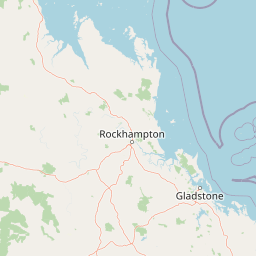
The landscape of Capricorn Coast National Park is defined by a series of dramatic coastal headlands that project into the Coral Sea, creating a rugged and visually striking shoreline characteristic of central Queensland's Capricorn Coast. The terrain consists of low but steep-sided volcanic ridges and rocky promontories that average approximately 34 meters in elevation, with the highest points offering sweeping views along the coast and out to sea. The park's five sections each display slightly different landscape expressions, from the Double Head area with its prominent trachyte rock formations to the more gradual slopes of Vallis Park. Rocky cliffs and steep-sided valleys dissect the headlands, while the interface between land and sea features small coves, rocky platforms, and exposed shore sections. The underlying volcanic geology, primarily composed of resistant igneous rocks, has produced a landscape of considerable topographic variation despite its limited total area. Vegetation cover varies across the park, with coastal scrub and woodland communities occupying the cliff tops and slopes, creating a green backdrop that contrasts with the grey-brown of exposed rock faces and the blue of adjacent waters.
Capricorn Coast National Park ecosystems, habitats, and plant life
The nature of Capricorn Coast National Park centers on its role as a coastal conservation area protecting representative examples of central Queensland's coastal ecosystems. The park's vegetation communities reflect the subtropical climate and coastal environment, with species adapted to salt-laden winds, periodic drought, and the nutrient-poor soils typical of ancient volcanic substrates. The various headland sections support different vegetation associations depending on aspect, slope, and microclimate, creating a mosaic of coastal habitats within the relatively small park boundary. The park's biodiversity is particularly notable given its limited size, with 402 animal species documented within its boundaries. This species count includes representatives from multiple taxonomic groups and trophic levels, reflecting the diverse microhabitats created by the park's complex terrain of cliffs, slopes, rock outcrops, and coastal scrub. The presence of 24 rare or endangered species within the park underscores its conservation significance, as these species depend on the protected coastal habitats for their continued survival. The marine environment adjacent to the park also contributes to its ecological value, with coastal waters supporting additional species and ecological processes that interact with the terrestrial ecosystem.
Capricorn Coast National Park wildlife and species highlights
The wildlife of Capricorn Coast National Park reflects the park's position at the interface between terrestrial and marine environments along Queensland's central coast. Over 400 animal species have been recorded within the park, a remarkable diversity for a protected area of only 114 hectares. This richness is attributable to the variety of habitats provided by the complex terrain, including cliff faces, rocky outcrops, coastal scrub, and the过渡 zone between land and sea. Of particular conservation significance is the presence of 24 species classified as rare or endangered, indicating the park's important role in protecting threatened wildlife populations. These may include bird species that utilize the coastal cliffs for nesting, reptiles adapted to the rocky headland environment, and invertebrate species with highly restricted distributions. The coastal location also positions the park along migratory flyways for seabirds and shorebirds, adding seasonal dimensions to the wildlife assemblage. While the Wikipedia source provides species counts rather than detailed species lists, the figures indicate that the park supports a biologically significant community that benefits from protection within the national park boundary.
Capricorn Coast National Park conservation status and protection priorities
Capricorn Coast National Park represents an important conservation outcome for Queensland's coastal zone, protecting a representative sample of the Capricorn Coast's natural values within a formal national park framework. The park's designation as an IUCN Category II protected area reflects its primary conservation purpose of preserving natural ecosystems while allowing for compatible public use. The aggregation of multiple coastal sections into a single unified protected area in 1994 enhanced the ecological coherence of the reserve, creating a more effective conservation corridor along the coastline. The remarkable concentration of biodiversity within the park's boundaries, with over 400 species including 24 rare or endangered species, demonstrates the conservation significance of this relatively small coastal reserve. In a region experiencing ongoing development pressure from coastal urbanization and associated infrastructure, protected areas like Capricorn Coast National Park play a critical role in maintaining ecological connectivity and preserving natural coastal character. The park also contributes to the broader network of protected areas along Queensland's coast, supporting regional biodiversity conservation objectives and representing a commitment to preserving natural heritage for future generations.
Capricorn Coast National Park cultural meaning and human context
Capricorn Coast National Park occupies a section of the Queensland coastline that falls within the traditional lands of Aboriginal peoples with ongoing cultural connections to the region. The park's coastal headlands, rocky outcrops, and associated marine environments would have held significance for Indigenous communities historically, with the landscape providing resources, cultural values, and spiritual connections. While the Wikipedia source does not detail specific Indigenous heritage values for this park, the broader Capricorn Coast region contains areas of Aboriginal cultural significance, and many Queensland coastal national parks incorporate Indigenous heritage considerations into their management frameworks. The park's location within the Shire of Livingstone places it in a region of central Queensland that has experienced European settlement since the nineteenth century, with coastal development accelerating more recently. The establishment of the national park in 1992 represented a recognition of the natural values of this coastline and a commitment to preserving them within a protected area framework, providing an alternative to continued private development of the headland sections.
Top sights and standout views in Capricorn Coast National Park
Capricorn Coast National Park offers visitors the opportunity to experience the dramatic coastal landscape of central Queensland, with its distinctive volcanic headlands, exposed rock formations, and panoramic ocean views. The Double Head section exemplifies the park's geological character, featuring prominent rock formations that rise from the sea and provide visual landmarks along this section of coastline. The park's biodiversity, though not always visible at first glance, represents one of its most significant values, with over 400 species including 24 rare or endangered animals supported within the 114-hectare boundary. The series of five separate sections along the coast provides different visual experiences and vegetation communities, while collectively forming a coherent protected corridor. The park's proximity to the town of Yeppoon and the broader Capricorn region makes it accessible for day visitors interested in experiencing Queensland's coastal natural heritage without extensive travel. The relatively modest scale of the park encourages exploration of multiple sections, each offering distinctive perspectives on the Capricorn Coast landscape.
Best time to visit Capricorn Coast National Park
The best time to visit Capricorn Coast National Park aligns with Queensland's subtropical climate patterns, with the cooler winter months from May through September typically offering more comfortable conditions for outdoor exploration. During these months, temperatures are moderate and rainfall is reduced compared to the summer wet season, making this period generally favorable for walking and landscape appreciation. Summer months from December to February bring higher temperatures and increased rainfall, though the coastal location benefits from sea breezes that can moderate conditions. The park can be visited year-round, though visitors should be aware that summer storms and associated closures may occur. Wildlife viewing opportunities may vary seasonally, with migratory bird species potentially present during different times of year. The park's relatively compact size allows for flexible visiting, though early morning visits offer the best light for photography and increased likelihood of wildlife activity. Visitors should check current conditions with Queensland Parks and Wildlife Service before traveling, as park status and access may change.