Mori Atlas logo
National parkCueva de las Maravillas National Park

Discover the mapped boundaries and natural terrain of this designated national park in the Caribbean.

Cueva de las Maravillas National Park: Dominican Republic Protected Landscape and Geographic Context

(Parque Nacional Cueva de las Maravillas)

Cueva de las Maravillas National Park represents a significant protected area within the Dominican Republic's diverse geography. This page offers detailed atlas-style insights into its protected landscape, providing users with a clear understanding of its mapped boundaries and natural terrain. Explore the park's identity as a national park and its place within the broader Caribbean geography, offering a foundation for structured geographic discovery.

Taíno rock artcave systemsCaribbean national parksarchaeological siteslimestone formationspre-Columbian heritage

Cueva de las Maravillas National Park

National park

Park overview

Structured park overview, official facts, and landscape profile for Cueva de las Maravillas National Park

Cueva de las Maravillas National Park park facts, protected area profile, and essential visitor context
Review the core facts for Cueva de las Maravillas National Park, including designation, size, terrain, visitor scale, habitats, and operating context in one park-focused overview.

About Cueva de las Maravillas National Park

Cueva de las Maravillas National Park protects a remarkable underground cave system that combines exceptional geological formations with profound cultural significance. The cave opens in a limestone reef within the South East Coastal Plain geomorphological unit, creating a natural cathedral of stone that has preserved Taíno artwork for centuries. Beyond the cave's archaeological treasures, the surrounding park area supports a diverse ecosystem of 48 natural plant species including arraijanes, guáyiga, yellow caya, lignum vitae, pegapalo, jasmine, cat's claw, and numerous other native species. The park serves as both a natural preserve and a cultural repository, offering visitors an immersive experience into both the geological history and the artistic legacy of the Dominican Republic's indigenous peoples. The combination of pristine cave formations, extensive pictographic collections, and the surrounding tropical landscape creates a unique destination that bridges natural history with human cultural heritage.

Quick facts and research context for Cueva de las Maravillas National Park

Cueva de las Maravillas National Park spans 4.5 square kilometers in the Dominican Republic's southeastern coastal region. The cave system extends approximately 800 meters underground through limestone formations, reaching depths of 25 meters. The site contains approximately 500 Taíno paintings and engravings, including roughly 10 petroglyphs and 472 pictographs created in black and red pigments. The cave was originally known as Cueva Jaguar until 1949 when Professor Francisco Richiez Acevedo renamed it to reflect the remarkable beauty revealed within its chambers. The park is situated along the road between San Pedro de Macorís and La Romana, near the Soco River and Cumayasa area.

Park context

Deeper park guide and search-rich context for Cueva de las Maravillas National Park

Cueva de las Maravillas National Park history, landscape, wildlife, and travel context
Explore Cueva de las Maravillas National Park through its history, landscape character, ecosystems, wildlife, conservation priorities, cultural context, and seasonal travel timing in a structured park guide built for atlas discovery and search intent.

Why Cueva de las Maravillas National Park stands out

The park is renowned for its extraordinary collection of ancient Taíno rock art, representing one of the most significant archaeological sites in the Caribbean. Inside the cave, visitors can view approximately 500 paintings and engravings created by the Taíno Indians, the indigenous inhabitants of Hispaniola. The artwork includes about 10 petroglyphs (rock engravings) and 472 pictographs painted on cave walls, featuring abstract designs, human faces, animal figures, and geometric patterns. Among the most notable attractions are the Great Panel, which depicts a Taíno funeral ritual, and the Water Mirror Gallery, an artificial lake that reflects the cave ceiling creating a striking visual effect. The cave's name, which translates to Cave of Wonders, was chosen in 1949 to capture the imaginative beauty of its stalactite and stalagmite formations alongside the remarkable pictographic heritage.

Cueva de las Maravillas National Park history and protected-area timeline

The cave's history reflects both geological processes spanning millions of years and human cultural heritage dating back to the Taíno period. Originally named Cueva Jaguar in 1926, the site received its current designation in 1949 when Professor Francisco Richiez Acevedo renamed it to Cueva de las Maravillas, inspired by the breathtaking beauty revealed within its chambers and the imaginative power of the stalactite and stalagmite formations. The Taíno people created the extensive pictographic artwork that now defines the site's significance, leaving behind approximately 500 paintings and engravings that document their spiritual practices, daily life, and artistic traditions. The cave remained a site of cultural importance through the centuries before being formally protected as a national park on July 22, 1997, recognizing the need to preserve both its natural formations and its irreplaceable archaeological heritage for future generations.

Cueva de las Maravillas National Park landscape and geographic character

The landscape of Cueva de las Maravillas National Park is characterized by its position within the South East Coastal Plain, a limestone-rich region that has produced the cave system's remarkable formations. The underground environment features an 800-meter-long cave passage descending 25 meters below the surface, with stalactites hanging from the ceiling and stalagmites rising from the floor, creating a diverse array of mineral formations. The cave opens through a limestone reef formation that marks the entrance to this subterranean world. The surrounding above-ground landscape consists of tropical vegetation supporting the 48 documented plant species, with the area near the Soco River and Cumayasa providing additional ecological context. The park's 4.5 square kilometer area encompasses both the underground cave system and the surrounding terrain that forms the integral protected landscape.

Cueva de las Maravillas National Park ecosystems, habitats, and plant life

The ecological character of Cueva de las Maravillas extends beyond its famous cave to encompass a diverse array of tropical plant species within the protected area. The park's flora includes 48 documented natural species, among them arraijanes, guáyiga, yellow caya, lignum vitae, pegapalo, jasmine, cat's claw, carboy, stick hen, black Cuba, yaya brown, bighorn coffee, cane juice, stick donkey, pringamosa, and bitter stick. This botanical diversity reflects the park's location within the southeastern Dominican Republic's tropical ecosystem. While the cave itself represents a unique subterranean habitat, the surrounding landscape maintains the Caribbean tropical forest character typical of the region, with species adapted to the local climate and soil conditions contributing to the overall ecological significance of the protected area.

Cueva de las Maravillas National Park wildlife and species highlights

The wildlife at Cueva de las Maravillas National Park is primarily associated with the cave's unique subterranean environment and the surrounding tropical ecosystem. The cave system provides habitat for various species adapted to underground conditions, while the surrounding area supports typical Caribbean fauna associated with tropical forest and coastal plain environments. The park's significant wildlife value is closely tied to the preservation of both the cave ecosystem and the surface habitats that support native species. While the primary focus of the park remains the protection of its exceptional archaeological and geological features, the broader protected area maintains ecological significance for native wildlife species inhabiting the southeastern Dominican Republic's diverse habitats.

Cueva de las Maravillas National Park conservation status and protection priorities

Cueva de las Maravillas National Park was established on July 22, 1997, to protect one of the Caribbean region's most significant archaeological and geological sites. The national park designation recognizes the dual importance of preserving both the extensive Taíno pictographic collection, comprising approximately 500 paintings and engravings, and the unique cave environment that houses them. The site holds IUCN category II protected area status as a national park, reflecting its formal recognition as a nature conservation protected area. Conservation efforts focus on maintaining the integrity of the cave's delicate artwork, which remains vulnerable to environmental changes, physical disturbance, and natural deterioration processes. The protected area status also serves to preserve the geological formations and the surrounding ecosystem that contribute to the site's overall significance.

Cueva de las Maravillas National Park cultural meaning and human context

The cultural significance of Cueva de las Maravillas derives primarily from its exceptional collection of Taíno rock art, created by the indigenous inhabitants of Hispaniola before European contact. The approximately 500 paintings and engravings within the cave represent a window into Taíno spiritual and cultural life, featuring pictographs painted in black and red pigments. Classification of the pictographs reveals diverse artistic themes: 144 cryptic or abstract designs at 69 points throughout the cave, 135 pictographs depicting human faces, 18 animal representations, 41 combined human and animal forms, and 38 geometric patterns. The most prominent feature, the Great Panel, depicts a Taíno funeral ritual, providing direct insight into indigenous ceremonial practices. The cave's original name, Cueva Jaguar, and its subsequent renaming in 1949 by Professor Francisco Richiez Acevedo reflect the site's ongoing cultural resonance and the lasting legacy of Taíno artistic achievement.

Top sights and standout views in Cueva de las Maravillas National Park

The cave system contains approximately 500 Taíno paintings and engravings, including about 10 petroglyphs and 472 pictographs representing the most extensive pre-Columbian rock art collection in the Dominican Republic. The Great Panel stands as the most significant feature, depicting a Taíno funeral ritual in vivid detail. The Water Mirror Gallery offers a unique visual experience where an artificial lake reflects the cave ceiling like a mirror. The cave's geological formations of stalactites and stalagmites create an imaginative landscape that inspired the 1949 renaming from Cueva Jaguar to Cueva de las Maravillas. Located near the Soco River and Cumayasa between San Pedro de Macorís and La Romana, the park preserves both natural and cultural heritage spanning geological time and millennia of human occupation.

Best time to visit Cueva de las Maravillas National Park

The park can be visited year-round given the Dominican Republic's consistently warm tropical climate, though the cooler months from November through April typically offer more comfortable conditions for exploring the underground cave system. The cave's underground location provides naturally regulated temperatures, making it a possible destination in any season. Visitors interested in experiencing the park's cultural and natural features should consider that the dry season from December to April generally provides more predictable weather conditions for travel in the southeastern region. The cave's interior maintains a stable environment regardless of external weather, allowing for consistent visitor experiences throughout the year.
Park location guide

Geography guide, regional context, and park location map for Cueva de las Maravillas National Park

Cueva de las Maravillas National Park park geography, regions, and map view in Dominican Republic
Understand where Cueva de las Maravillas National Park sits in Dominican Republic through a broader geographic reading of the surrounding landscape, nearby location context, and its mapped position within the national park landscape.

How Cueva de las Maravillas National Park fits into Dominican Republic

The Dominican Republic is a presidential republic on Hispaniola island in the Caribbean. It occupies the eastern portion of the island, sharing the western part with Haiti. The country has a population of approximately 11.5 million and is known for its colonial history, beaches, and mountainous interior. Santo Domingo is the capital and largest city.

Wider geography shaping Cueva de las Maravillas National Park in Dominican Republic

The Dominican Republic occupies the eastern five-eighths of Hispaniola island in the Greater Antilles, bordered by the Caribbean Sea. It shares a land border with Haiti to the west and has maritime boundaries with Puerto Rico to the east. The terrain features mountainous interior ranges, fertile valleys, and coastal plains. The country is second in size among Caribbean nations after Cuba.

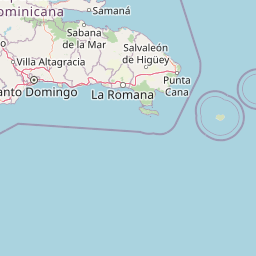
Map view of Cueva de las Maravillas National Park

Use this park location map to pinpoint Cueva de las Maravillas National Park in Dominican Republic, understand its exact geographic position, and read its mapped placement within the surrounding landscape more clearly.

Pigeon | © OpenStreetMap contributors

Location context for Cueva de las Maravillas National Park

La Romana ProvinceSan Pedro de Macorís Province
Park atlas

Browse surrounding Caribbean national parks, tracing the regional spread of protected landscapes across the South East Coastal Plain.

Discover Other National Parks and Protected Areas Near Cueva de las Maravillas National Park
After exploring Cueva de las Maravillas National Park, delve into other national parks and protected areas across the Dominican Republic, including those with unique cave systems, coastal plains, or significant cultural heritage sites. Compare regional park geography, conservation landscapes, and the varied terrain of the Caribbean island through a structured atlas view.
National parkDominican Republic

Los Haitises National Park: Dominican Republic Protected Landscape & Park Geography

Mapped terrain and protected area boundaries in the Dominican Republic.

Los Haitises National Park is a vital protected national park in the Dominican Republic, offering unique insights into the region's geography and natural landscapes. This page delves into its mapped boundaries, regional context, and the importance of its protected status for understanding Dominican Republic's conservation areas. Gain a structured view of this important natural landscape and its place within a broader geographic atlas.

Area
826 km²
Established
1976
IUCN
II
Relief
Upland
National parkDominican Republic

José Armando Bermúdez National Park: Dominican Republic National Park Atlas and Landscape Context

Discover the mapped protected area and geographic setting of this Dominican Republic national park.

Gain an understanding of José Armando Bermúdez National Park as a distinct protected landscape within the Dominican Republic. This entry focuses on its role as a national park, providing geographic context and highlighting its mapped boundaries for atlas exploration. Explore the park's specific terrain and its place within the nation's conservation network.

Area
766 km²
Established
1956
IUCN
II
Relief
Mountain
National parkIndependencia Province

La Gran Sabana National Park: National Park Identity and Geographic Mapping

Exploring protected landscapes and regional context.

This detail entry focuses on La Gran Sabana National Park, delineating its identity as a protected national park within Independencia Province. It provides essential context for understanding the park's mapped boundaries, its specific geographic setting, and its role within the natural landscape. Users can explore its atlas-relevant features and understand its place in the broader geography of the Dominican Republic.

Area
219.58 km²
Established
2009
IUCN
II
Relief
Lowland
National parkPedernales Province

Jaragua National Park: Dominican Republic National Park Protected Landscape Atlas

Discover the mapped geography and protected boundaries of Jaragua National Park.

Jaragua National Park stands as a crucial national park within the Dominican Republic, located in Pedernales Province. This entry provides an in-depth, atlas-style examination of the park's protected landscape, focusing on its geographic features and mapped extent. Users can explore the park's position within the regional geography and understand its significance as a conservation area.

Area
1,374 km²
Established
1983
IUCN
II
Relief
Mountain
National parkMonte Cristi Province

Monte Cristi National Park: Dominican Republic National Park Geography and Atlas

Explore mapped boundaries and regional landscape context.

Monte Cristi National Park serves as a vital component of the Dominican Republic's protected lands, located within the Monte Cristi Province. This entry provides essential geographic context and visualizes the park's mapped boundaries, contributing to a comprehensive understanding of its landscape. Delve into the atlas perspective of this national park, examining its terrain and regional significance for structured geographic exploration.

Area
550 km²
Established
1983
IUCN
II
Relief
Upland
National parkHaiti

Three Bays Protected Area National Park: Haiti's Extensive Marine and Coastal Protected Landscape

Mapped coral reefs, mangrove forests, and unique regional geography.

The Three Bays Protected Area in Haiti is a key national park established to conserve its vital marine and coastal environments. Covering over 75,000 hectares, it is the country's largest protected marine complex, encompassing extensive and healthy coral reefs, critical seagrass beds, and sprawling mangrove forests. This protected landscape provides essential ecosystem services and coastal protection, showcasing a significant portion of Haiti's natural heritage and regional geographic context along its northeastern shoreline.

Area
754.06 km²
Established
2014
IUCN
IV
Relief
Lowland
National parkHaiti

La Visite National Park: Protected Highland Terrain and Endemic Pine Forest Landscape

Explore the geography and mapped park boundaries of Haiti's significant national park.

La Visite National Park is a vital protected area located in Haiti's mountainous Massif de la Selle region. It is distinguished by its rare montane ecosystems, including extensive Hispaniolan pine forests and high-altitude grasslands, creating a unique landscape within the Caribbean. This atlas entry focuses on the park's geographic setting, its mapped protected boundaries, and its ecological significance as a key component of Haiti's natural heritage, offering a detailed look at its distinctive terrain.

Area
30 km²
Established
1983
IUCN
II
Relief
Mountain
National parkHaiti

National History Park National Park: Haiti's Protected Landscape and Geographic Atlas

Discover the park's mapped terrain and protected land geography.

The National History Park serves as a critical protected area within Haiti, offering detailed insights into its unique landscape and geographic setting. As a designated national park, it provides valuable data for atlas-based exploration of protected territories. Users can investigate the park's mapped boundaries, its regional context within Haiti, and the characteristics of its natural terrain, enriching their understanding of conservation landscapes.

Area
25.28 km²
Established
1968
IUCN
IV
Relief
Mountain

Common questions about visiting, size, designation, and location context for Cueva de las Maravillas National Park

Cueva de las Maravillas National Park FAQs for park facts, access, geography, and protected area context
Find quick answers about Cueva de las Maravillas National Park, including protected-area facts, park geography, trail and visitor context, and how the park fits into its surrounding country and regional landscape.
MoriAtlas Explorer

Continue Your Protected Areas Search Across the Global Atlas

Deepen your exploration by continuing the structured search for national parks and protected areas worldwide. Utilize the comprehensive filtering capabilities to compare different conservation landscapes and refine your understanding of global park geography. Discover more about the distribution and characteristics of protected natural areas.

Global natural geography