
Why Dvorichna National Nature Park stands out
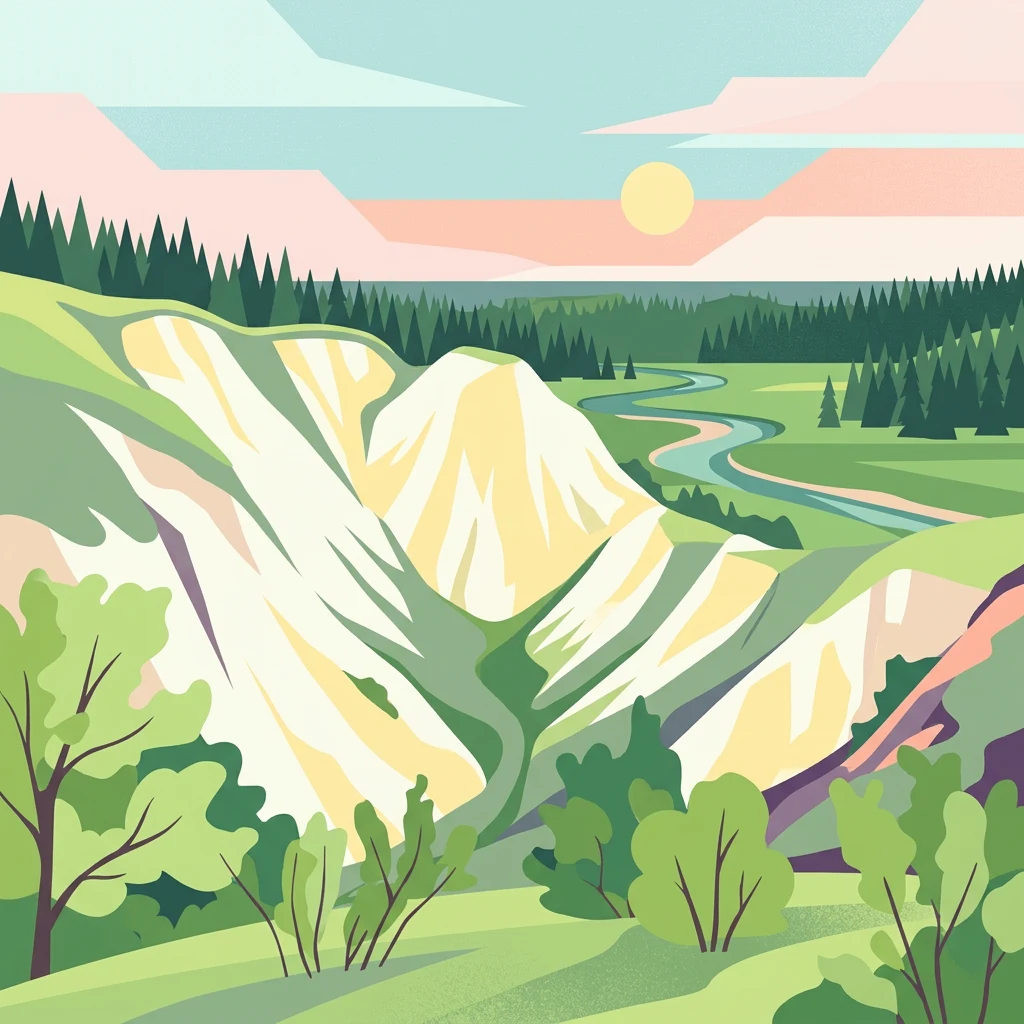
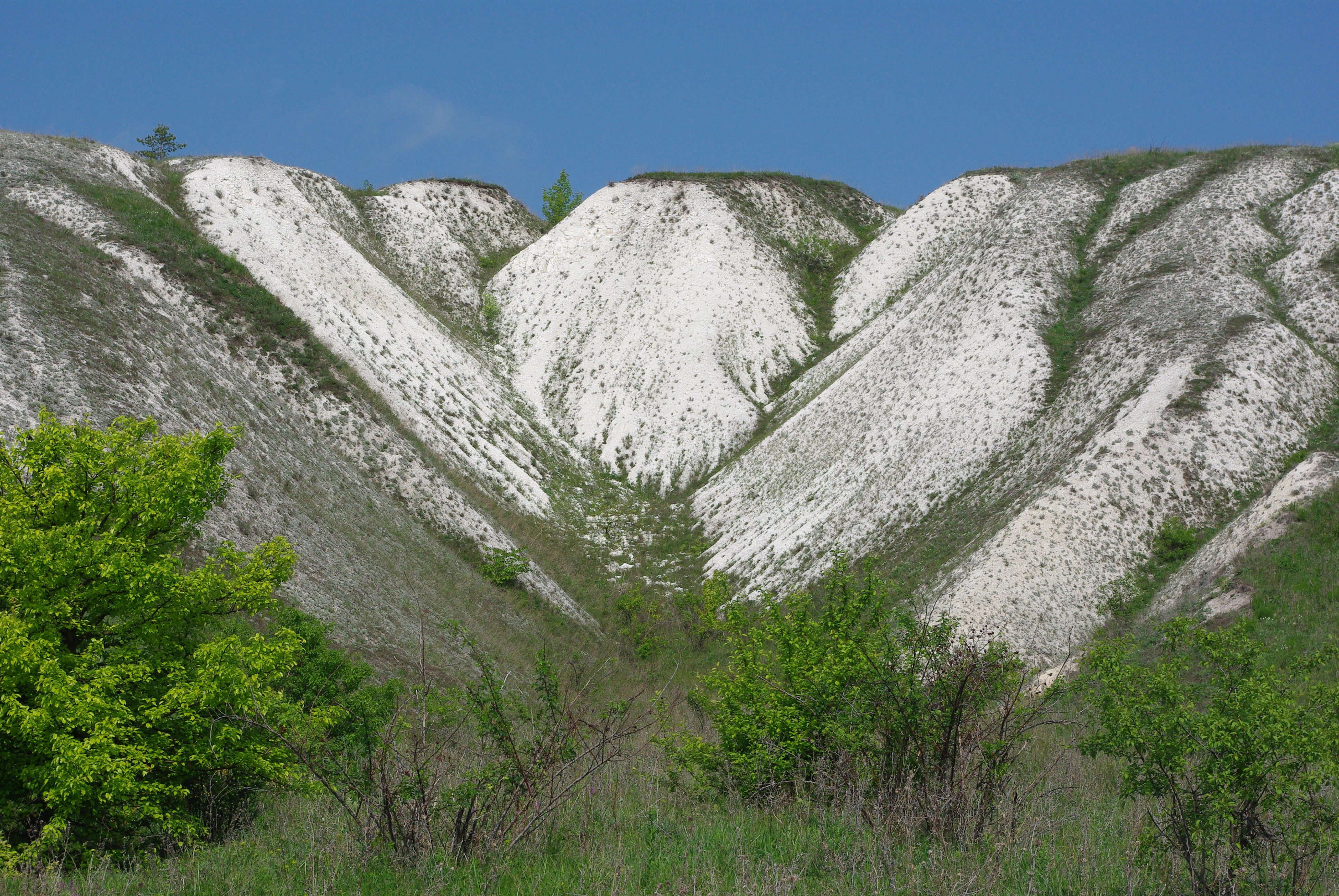
Dvorichna National Nature Park is best known for its exceptional chalk (kreida) formations and the unique ecosystem they support. The white chalk cliffs and hills along the Oskil River create a striking landscape that stands in vivid contrast to the surrounding steppe. This geological feature has preserved an extraordinary assemblage of endemic plant species, with approximately 30% of the flora unique to this area. The park protects some of Ukraine's last remaining intact chalk steppe communities, which are home to numerous rare and endangered species including steppe marmots, butterflies, and a diverse avian population. The combination of geological, botanical, and ecological values makes this park uniquely significant within the Ukrainian protected area network.
Dvorichna National Nature Park history and protected-area timeline
The scientific significance of the Dvorichna chalk formations was recognized as early as the 18th century, when the renowned explorer Peter Simon Pallas noted the need for detailed study of the unique flora. The first comprehensive descriptions of the chalk flora were provided by prominent botanists including A.M. Krasnov (1893), V.I. Taliev (1905), D.I. Litvinov (1902), and Ye.M. Lavrenko (1956). In the 1930s, the noted researcher of chalk outcrops, B.M. Kozo-Polianskyi, proposed establishing a reserve in the Oskil region to protect the vegetation growing on chalk deposits. Dedicated expedition work to document species composition began in 2001 and continued for nearly a decade, conducted by faculty and students from V.N. Karazin Kharkiv National University under the leadership of Professor Viktor Tokarskyi. These investigations revealed unique biocoenoses of global significance. In 2002, a project to create Dvorichna National Nature Park was developed and included in the Environmental Improvement Program for Kharkiv Oblast. The project was approved by the regional council in May 2002, and subsequent expeditions from 2002 to 2004 determined boundaries and documented flora and fauna. On December 11, 2009, by Presidential Decree No. 1044, Dvorichna National Nature Park was officially established with the goal of preserving the distinctive chalk flora, restoring and sustainably using valuable natural areas of the forest-steppe zone with significant environmental, recreational, and educational importance.
Dvorichna National Nature Park landscape and geographic character
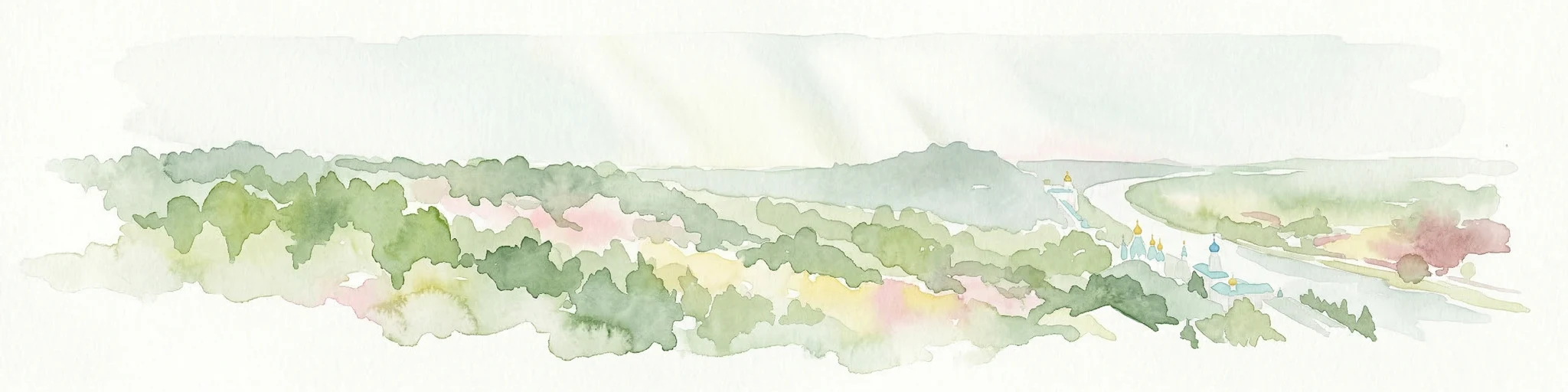
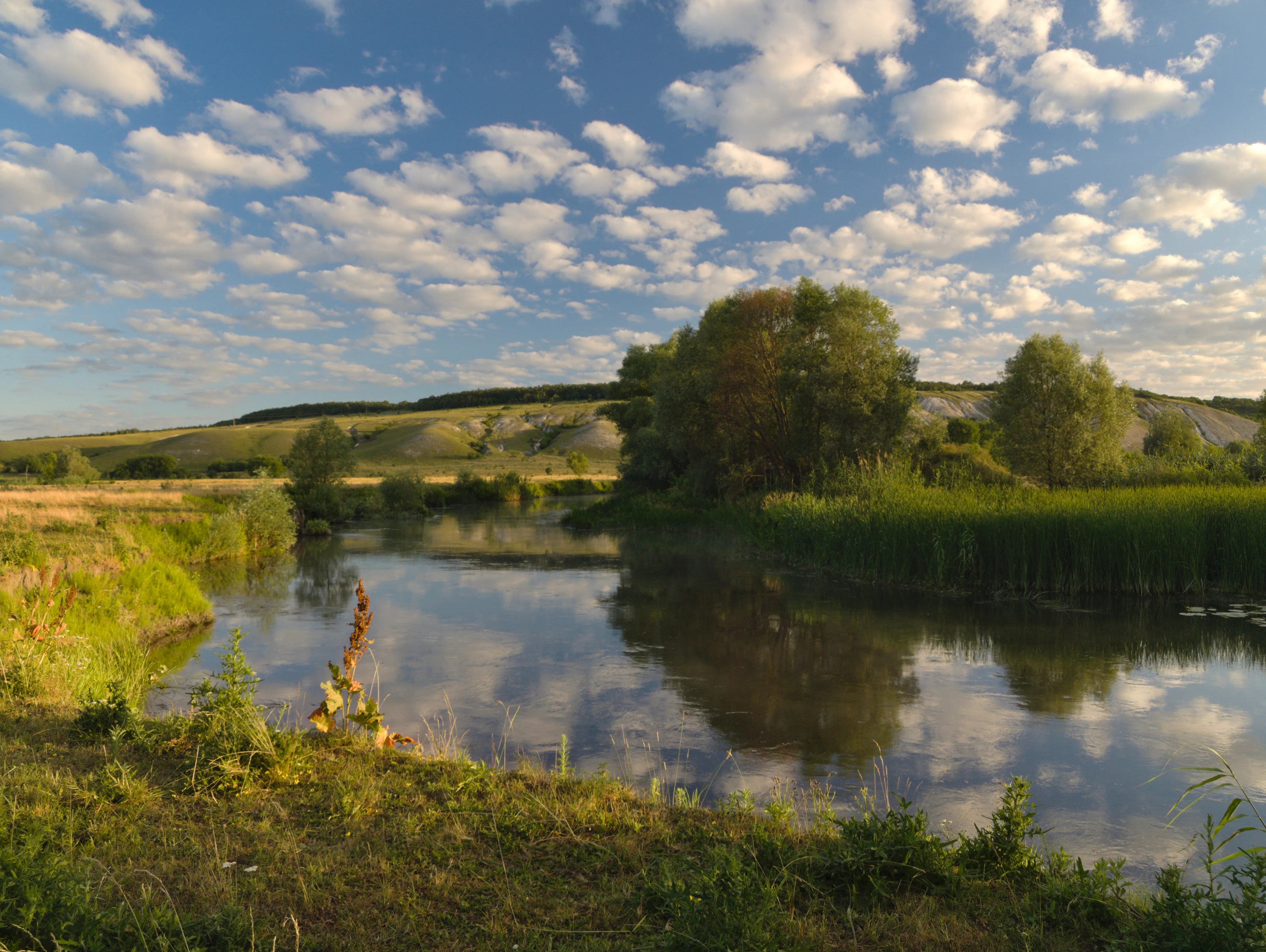
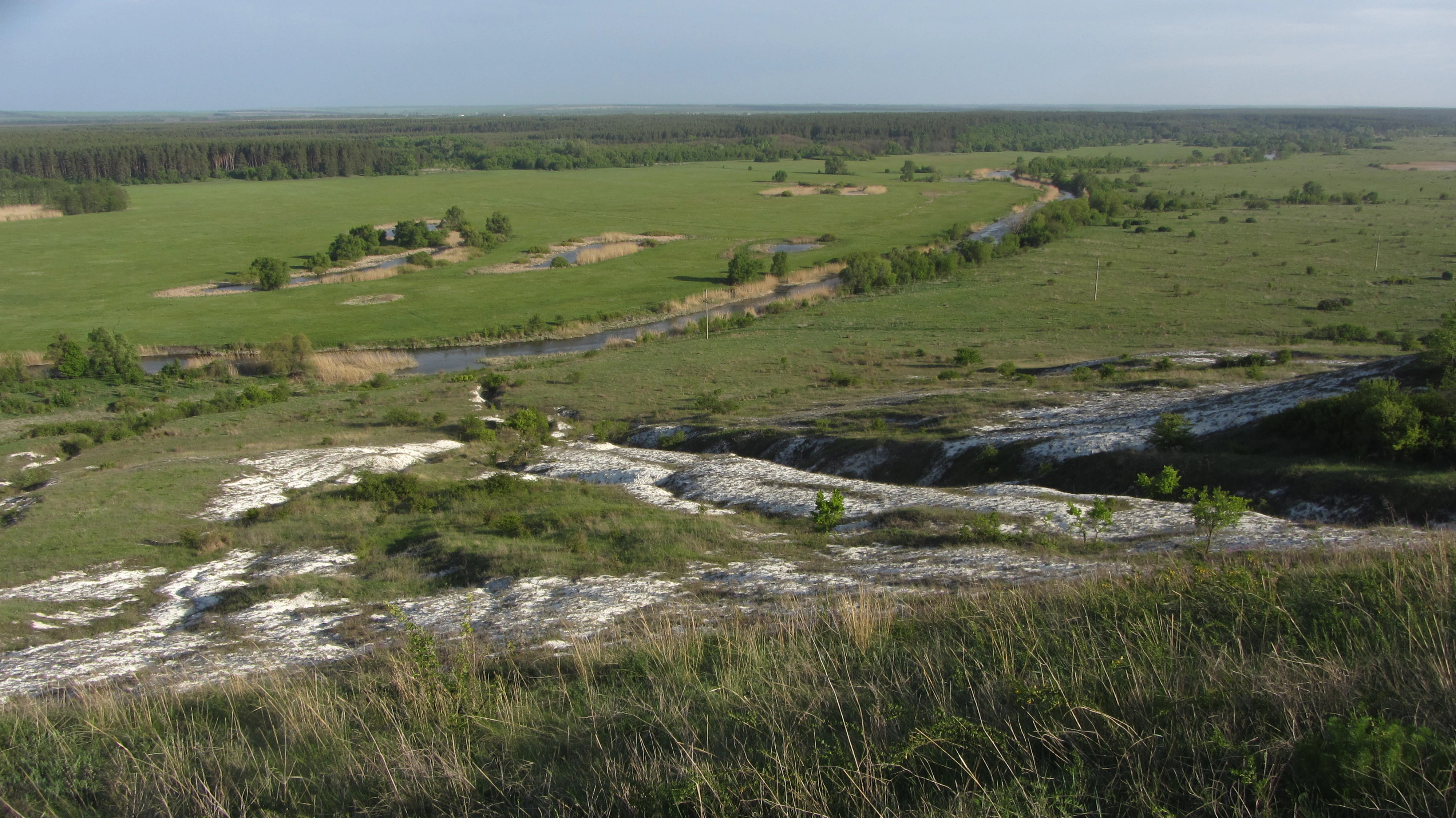
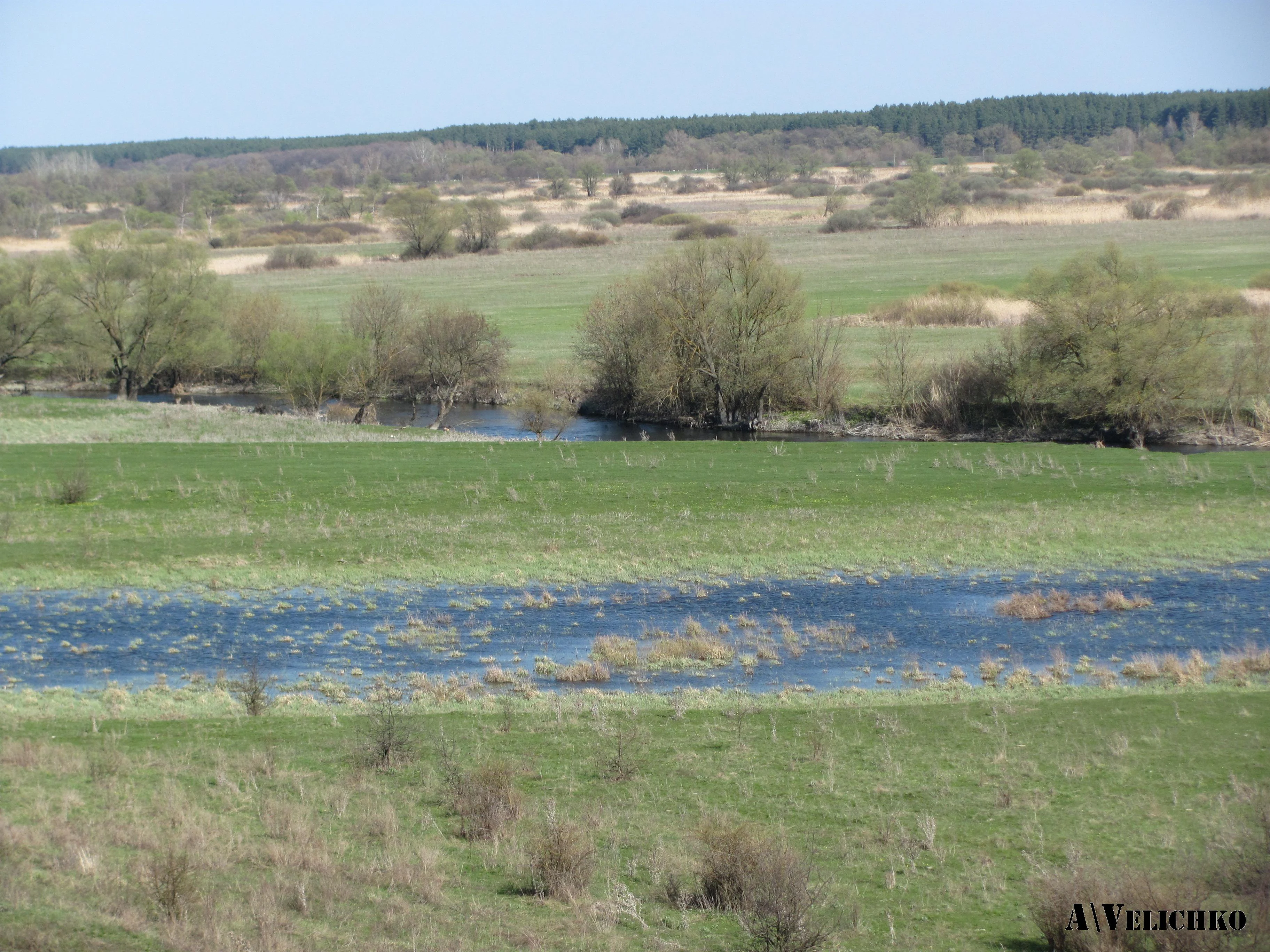
The terrain of Dvorichna National Nature Park is characterized by dissected topography with numerous valleys and slopes. The dominant landscape feature is the chalk mountains that form a continuous mass extending from the northeastern to southwestern parts of the park along the Oskil River valley. These chalk hills are part of the so-called chalk ridge stretching across the region from Vovchansk through Kupiansk to Svatove. The right bank of the Oskil River is notably steep and high, while the left bank is more gentle and sloping. The river valley contains three terrace types: floodplain, above-floodplain (sandy), and forest (steppe) terraces. Several streams, left tributaries of the Oskil, flow through the park, alongside numerous oxbow lakes and liman (wetland) lakes. The landscape includes slope terrain with gullies, sandy steppes and pine forests, floodplain meadows, riparian forests, and open chalk slopes. The region's geological history, including marine sedimentation over 22 million years ago during the Paleogene period, has created the distinctive chalk substrate that defines the park's character.
Dvorichna National Nature Park ecosystems, habitats, and plant life
The chalk soils and limestone bedrock of Dvorichna create a unique ecosystem of exceptional botanical significance. The park supports approximately 974 species of higher plants, lower plants, and fungi. Among 799 species of higher vascular plants, there are 47 moss species, 2 horsetail species, 3 fern species, 3 conifer species, and 742 flowering plant species. The research has documented 63 lichen species, 8 algae species, and 104 fungus species. The most remarkable characteristic is the high degree of endemism, with approximately 30% of plant species endemic to the area. The park protects plant species of conservation concern at multiple levels: 76 species are listed in the Red Book of Kharkiv Oblast, 37 species in the Red Book of Ukraine, 6 species in Appendix VI of the Bern Convention, 4 species in CITES appendices, and 3 species in the European Red List. Notable protected species include cretaceous knawel (Helianthus cretaceum), fragrant stock (Matthiola fragrans), dwarf irises, steppe almond, Donets sea lavender (Limonium donetzicum), and many others.
Dvorichna National Nature Park wildlife and species highlights
Dvorichna National Nature Park supports a remarkable diversity of wildlife, with approximately 2,448 species documented on its territory as of 2018, including 2,220 invertebrate species and 228 vertebrate species. The park is home to significant populations of steppe marmots, which have established colonies in the open grasslands. Among the protected species, 117 are listed in the Red Book of Kharkiv Oblast, 54 in the Red Book of Ukraine, 207 in the Bern Convention Appendices, 67 in the Bonn Convention Appendices, 26 in CITES Appendices, and 24 in the European Red List. The park provides critical habitat for rare species including the Ukrainian lamprey, Danylivsky's chub, the steppe polecat, the greater spotted eagle, the white-tailed eagle, and the European otter. The territory lies along a major bird migration route, offering opportunities to observe rare avian species. The diverse invertebrate community includes notable species such as the black eresus spider and the Mnemosyne butterfly, the latter depending exclusively on the Kozo-Polianskyi's breaking (Androsace koso-poljanskii) for survival.
Dvorichna National Nature Park conservation status and protection priorities
Dvorichna National Nature Park holds unique conservation significance as the only place in Ukraine where untouched chalk outcrops and their associated ecosystems have been preserved. The park protects 18 types of endangered natural habitats recognized under Resolution No. 4 of the Bern Convention. The protection of the chalk steppe ecosystem is particularly important because these habitats have been extensively degraded across their historical range throughout Europe. The two botanical reserves within the park, Chervony (established 1984, 49.8 hectares) and Konoplyane (established 1998, 315.9 hectares), form the core protected core zone and contain rare and endangered plant communities. The Chervony reserve protects chalk slopes with many relict, endemic, and rare species, including approximately 15 rare species for Kharkiv Oblast, 4 species in the European Red List, and 5 species in the Red Book of Ukraine. The Konoplyane reserve contains unique rare and endangered plant communities of chalk steppes listed in the Green Book of Ukraine, with 6 species in the European Red List, 4 in the Red Book of Ukraine, and 7 in the Red Lists of Kharkiv Oblast.
Dvorichna National Nature Park cultural meaning and human context
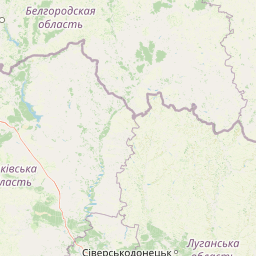
The Dvorichna region has a long human history intertwined with its distinctive landscape. The name Dvorichna derives from the Ukrainian word for a settlement near two rivers or streams. The park occupies territory within two rural councils: Kamianska and Piskivska. The surrounding villages of Novomlynsk (south), Krasne Pershe (east), Petrivka, Pysky (west), and Topoli (north) form the human context within which the protected area sits. While the park itself is focused on natural protection, the broader region has historical significance related to the Oskil River valley and the chalk outcrops that have been noted in scientific literature since the 18th century. The area remains relatively sparsely populated, contributing to the preserved state of the natural environment.
Top sights and standout views in Dvorichna National Nature Park
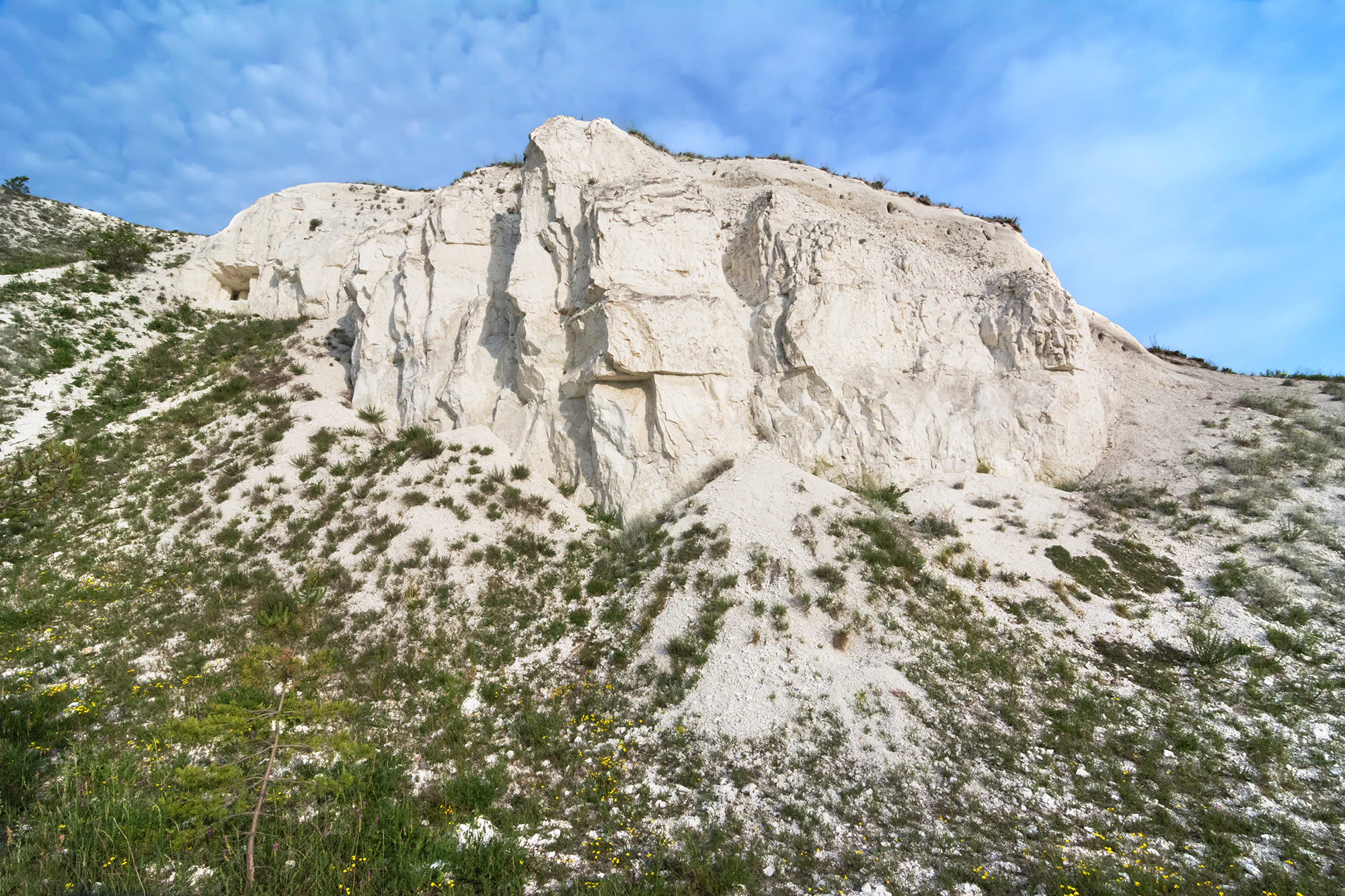
The defining highlight of Dvorichna National Nature Park is its extraordinary chalk landscape, where white cliff formations rise dramatically above the Oskil River, creating one of Ukraine's most visually striking protected areas. The park protects the unique Kreidiana Steppe Trail (5.2 kilometers) which winds between chalk outcrops and the river, allowing visitors to experience both chalk and riverine biogeocoenoses. The Zalomne Urochyshche Trail (2.89 kilometers) traverses forest and steppe environments. The exceptional botanical value, with 30% endemism and 107 protected plant species, makes the park globally significant for chalk steppe conservation. The presence of steppe marmot colonies, diverse raptors along the migration corridor, and rare butterfly species dependent on specific endemic plants adds to the ecological importance. The park also offers recreational opportunities including swimming in the Oskil, camping in designated areas, and exploring therapeutic mineral springs.
Best time to visit Dvorichna National Nature Park
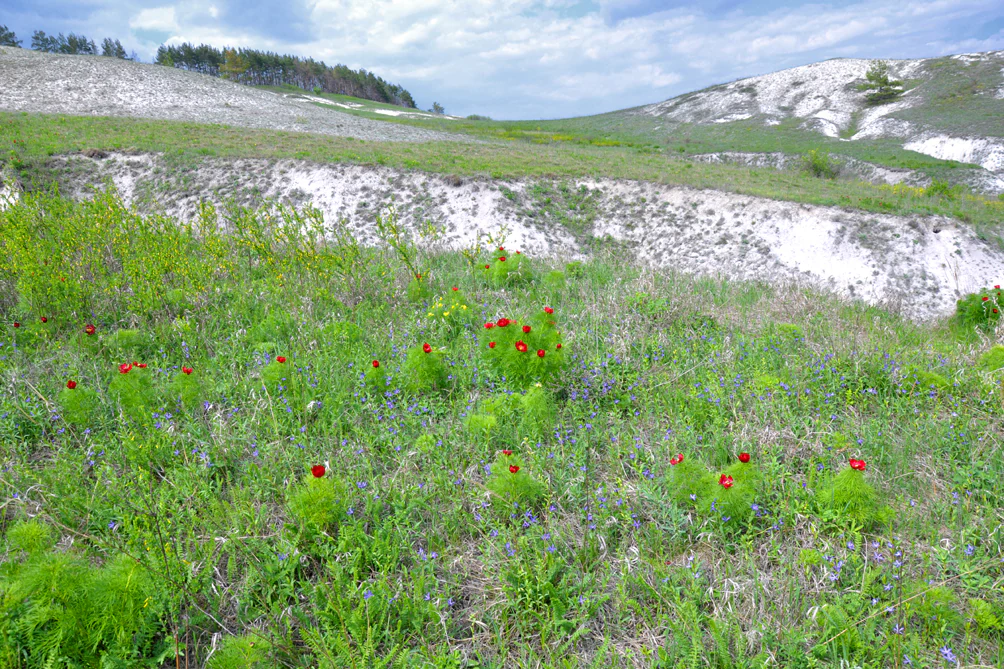
The park offers favorable conditions for approximately 80 days per year for recreation, with the most pleasant conditions typically occurring during the late spring and early autumn months. Summer brings warm temperatures ideal for swimming in the Oskil River and enjoying the sandy beaches, while the pine forests provide cooler retreats. Spring showcases the chalk steppe in bloom with colorful wildflower displays across the white hills. Autumn offers comfortable temperatures and the opportunity to observe migrating birds along the corridor. The park's distance from industrial pollution makes it one of the cleanest ecological areas in Ukraine, with therapeutic air quality year-round. Visitors interested in botanical observations may find spring and early summer most rewarding for viewing flowering plants, while bird watchers might prefer migration seasons.