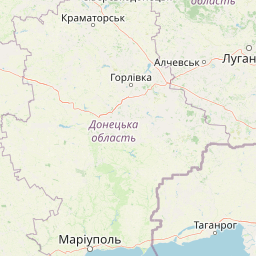

Why Holy Mountains National Nature Park stands out
The Holy Mountains are best known for their extraordinary chalk cliffs that rise along the Donets River, a geological formation so significant that it was included in the "Seven Natural Wonders of Ukraine" competition. These chalk outcrops preserve relic plant species dating from the Cretaceous period, including the rare chalk pine that survived from pre-glacial times. The park is also famous for protecting one of the most biodiverse forest ecosystems in the Pontic-Caspian steppe region, with forests covering over 90% of the territory despite being located in a predominantly grassland biome. The Sviatohirsk Lavra monastery, perched on the rocky right bank of the Donets, adds profound cultural and religious significance to the natural landscape.
Holy Mountains National Nature Park history and protected-area timeline
The history of protection for the Holy Mountains area spans more than a century. Naturalist V. Taliev first proposed creating a national park in this area in 1913, publishing the suggestion in the bulletins of the Kharkiv Society of Nature Lovers and again in his 1914 book "Protect Nature." This early proposal highlighted the area's exceptional natural value and the need for conservation. Following decades of various protected designations at the local level, the Holy Mountains National Nature Park was officially established on February 13, 1997, through Presidential Decree № 135/97. Prior to the national park designation, a state historical-cultural reserve was created on the park's territory in 1980, focused on preserving the Sviatohirsk Lavra complex and related archaeological sites. The park absorbed numerous pre-existing protected areas, including the Mayatska Datcha botanical preserve, the Sosna forest reserve, and various other natural monuments. In 2005, the Sviatohirsk Lavra was elevated to lavra status, the highest ranking for Orthodox monasteries in Ukraine. The park has faced significant challenges since 2022 due to the Russian invasion of Ukraine, with large portions of the protected area damaged by fires and military operations.
Holy Mountains National Nature Park landscape and geographic character
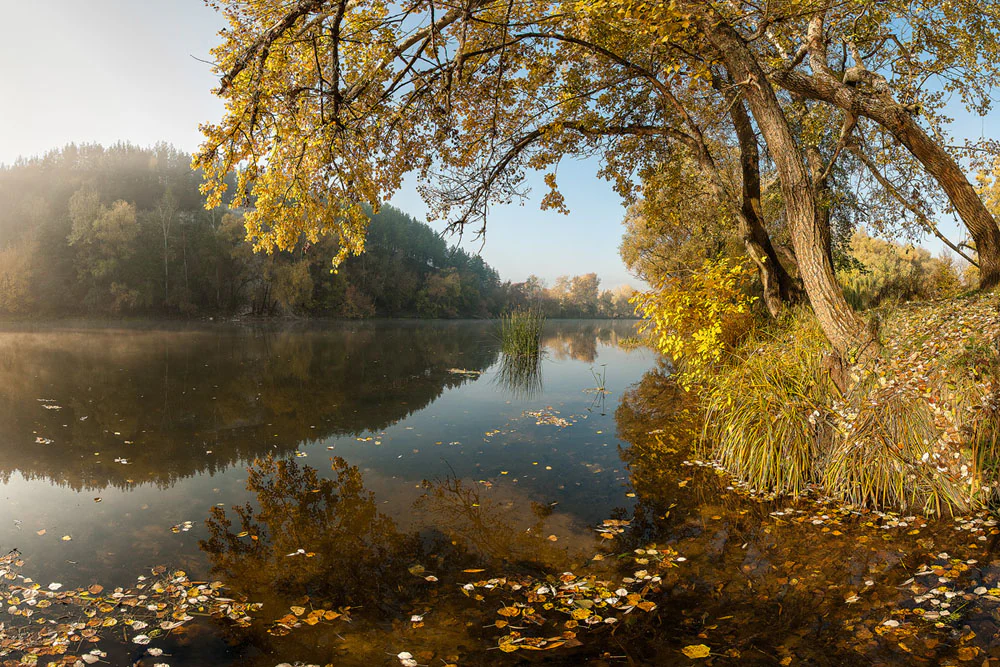
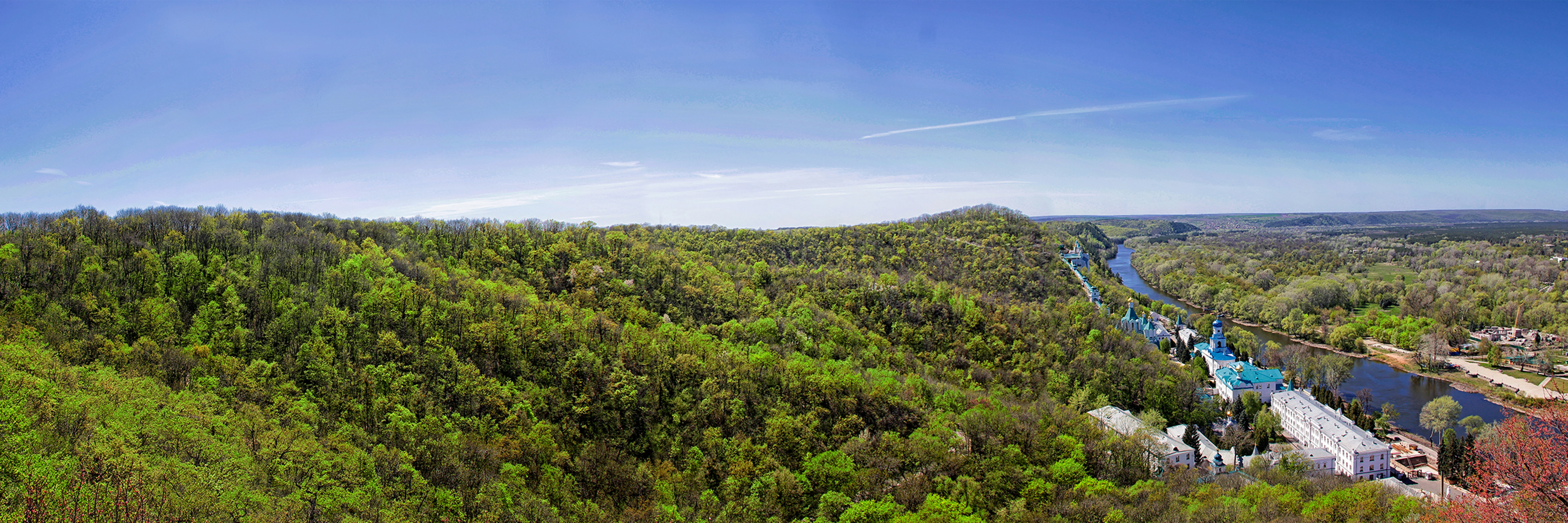
The landscape of Holy Mountains National Nature Park is defined by the dramatic interplay between the Donets River and the surrounding terrain. The right bank features chalk hills that rise sharply 120 to 130 meters above the river, their white limestone cliffs visible for kilometers and creating one of the most distinctive skylines in eastern Ukraine. These chalk outcrops, which gave the area its name, are among the northernmost exposures of this geological formation in the region. The left bank presents a contrasting scene of lower-lying flood terraces, where the river has deposited sediments over millennia, creating a network of wetlands, oxbow lakes, and small streams. The Donets itself is a significant river, with annual floods averaging 2.5 meters and peak floods of 5.8 meters occurring approximately every five years. The forest cover is extensive, with deciduous woodlands clothing both the slopes of the chalk hills and the river terraces, an unusual sight in the typically open steppe landscape. The combination of water, cliffs, and forest creates a landscape of considerable scenic beauty.
Holy Mountains National Nature Park ecosystems, habitats, and plant life
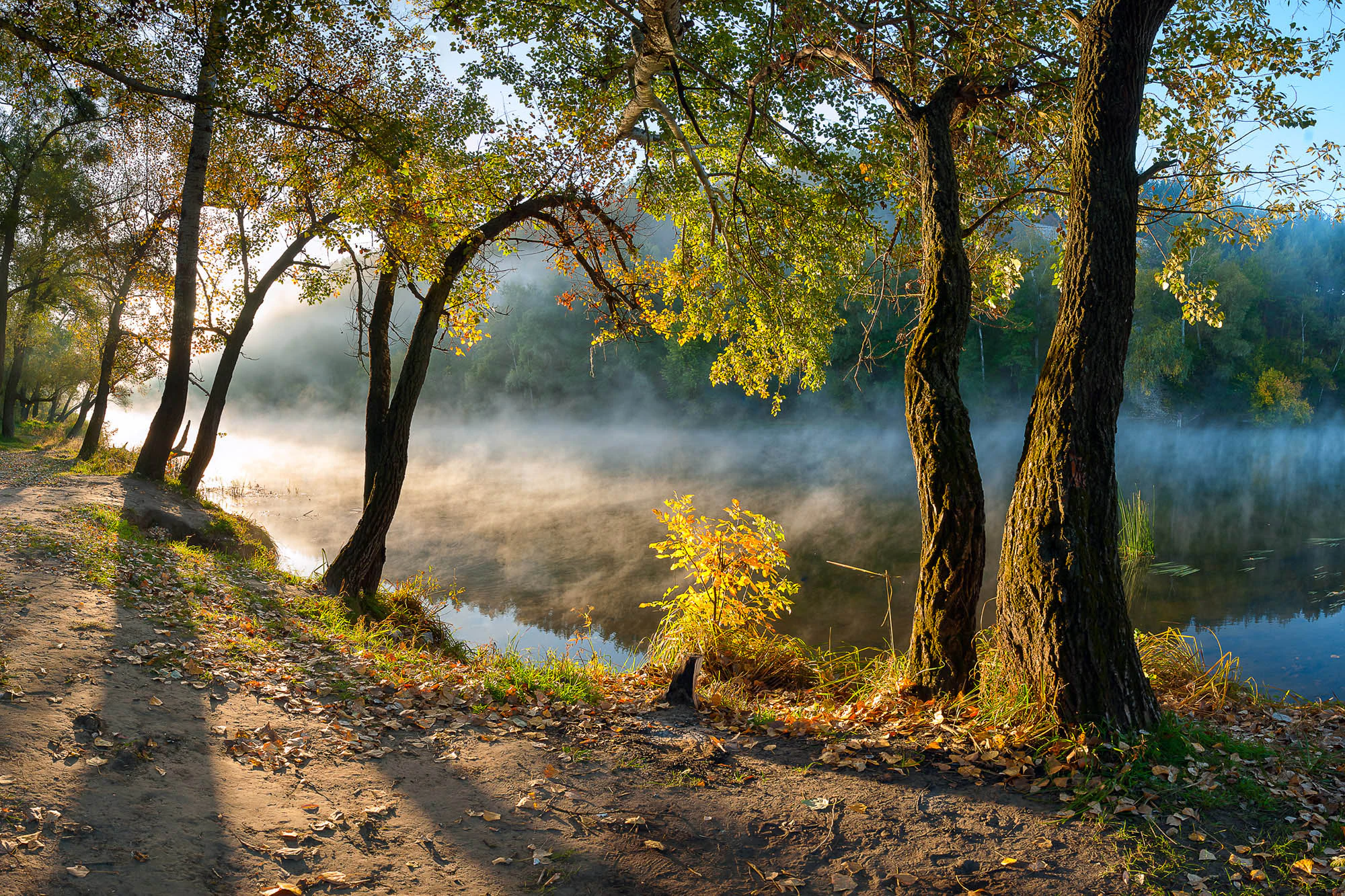
The ecological character of Holy Mountains National Nature Park is remarkable for its exceptional biodiversity within a relatively small area, particularly given its location in the Pontic-Caspian steppe region. The park's forests cover approximately 91% of the territory, a striking figure for an area theoretically situated in a grassland biome. This forest presence is made possible by the mountainous relief and consistent water availability from the Donets River and its tributaries. The deciduous forests on the left bank feature mature stands of oak, ash, lime, and maple, with oak comprising roughly one-third of the tree population. The first river terraces often support pine stands on sandy soils. Beyond the forests, the park contains willow-alder bogs covering 2.5% of the area and meadows accounting for 1.5%. The herbaceous vegetation tends toward steppe species, with the overall plant diversity reaching 943 recorded species, including 20 endemic species and many Cretaceous relict plants. The chalk pine found here represents a pre-glacial survivor, persisting from an era before the last ice age.
Holy Mountains National Nature Park wildlife and species highlights
The wildlife population of Holy Mountains National Nature Park reflects the park's diverse habitats, with more than 250 animal species recorded within its boundaries. The park supports significant populations of predatory mammals including foxes, martens, and wolves, with foxes commonly denning within the protected area while also ranging into adjacent farmland. The bird population is particularly impressive, with over 200 species documented, making the park an important area for avian biodiversity in the region. Fish diversity includes 40 species, while the reptile population comprises 10 species and mammals total 48 species. Nine amphibian species have also been recorded. Of particular conservation significance, 50 animal species found in the park are listed in Ukraine's Red Book, indicating their protected status at the national level. The wetlands and river channels provide crucial habitat for waterfowl and migratory birds, while the forests support both resident species and seasonal visitors.
Holy Mountains National Nature Park conservation status and protection priorities
Holy Mountains National Nature Park serves as a critical conservation stronghold in eastern Ukraine, protecting a unique combination of geological, botanical, and cultural heritage. The park's designation as an IUCN Category II protected area reflects its dual role in nature conservation and sustainable recreation. The chalk mountain ecosystems harbor numerous relic and endemic species that survived from the Cretaceous period, making the area of significant scientific interest. The forest coverage, unusual for the steppe zone, demonstrates successful ecosystem preservation and provides habitat for species typically found in more northern latitudes. However, the park faces severe conservation challenges following the 2022 Russian invasion, with reports indicating that approximately 80% of the area under direct park management has been damaged or destroyed by fires and military activity. This represents a profound setback for decades of conservation work and highlights the vulnerability of protected areas during armed conflicts.
Holy Mountains National Nature Park cultural meaning and human context
The cultural significance of Holy Mountains National Nature Park extends far beyond its ecological values, with the area containing one of Ukraine's most important religious sites. The Sviatohirsk Lavra, officially the Holy Assumption Sviatohirsk Lavra, is an Orthodox monastery founded between the 13th and 16th centuries and situated on the rocky right bank of the Donets River. The monastery was granted lavra status in 2005, recognizing its spiritual and historical importance to Ukrainian Orthodoxy. The park contains 129 archaeological sites spanning from the Paleolithic period through the Middle Ages, as well as 73 historical monuments. A notable feature is the monument to Artem (Fedir Serhiiev), a Soviet revolutionary and founder of Donetsk, created by sculptor Ivan Kavaleridze, located alongside a World War II memorial. The park's territory includes the town of Sviatohirsk and portions of Sloviansk, making it one of the more densely populated protected areas in Ukraine, with roads, railways, and settlements within its boundaries.
Top sights and standout views in Holy Mountains National Nature Park
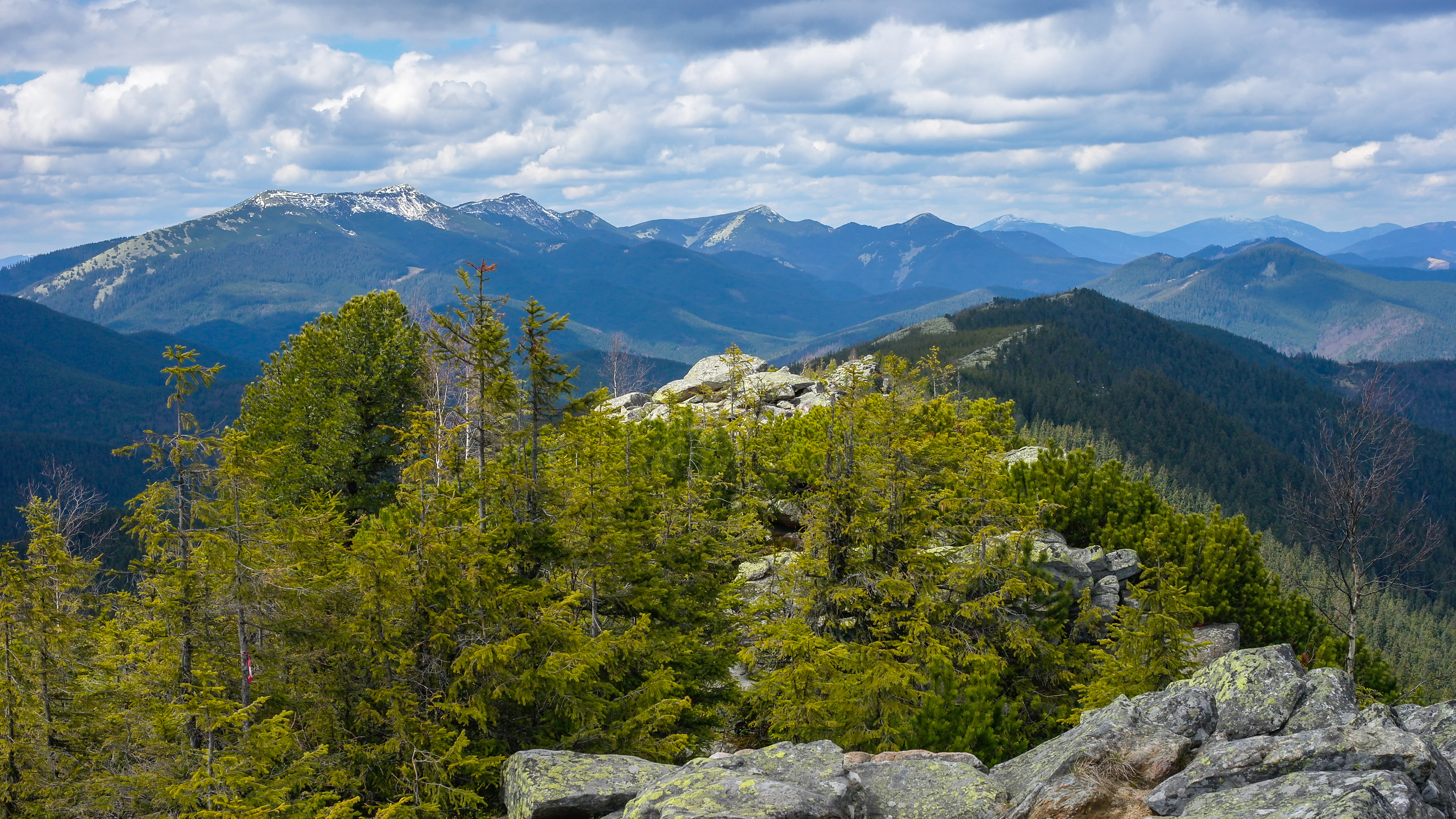
The Holy Mountains stand out as one of Ukraine's most visually distinctive protected areas, where white chalk cliffs rise abruptly above the forested river valley. The combination of the Sviatohirsk Lavra monastery perched atop these cliffs creates an unforgettable cultural landscape. The park's forest coverage is exceptional for the steppe zone, and the biodiversity includes species found nowhere else in Ukraine. The chalk pine stands represent living relics from the Cretaceous period, while the wetlands support internationally significant bird populations. The area has been recognized as one of Ukraine's natural treasures, with the chalk mountains ranking among the candidates for the "Seven Natural Wonders of Ukraine."
Best time to visit Holy Mountains National Nature Park
The park offers distinct experiences across seasons, with each time of year revealing different aspects of its character. Summer brings warm conditions ideal for hiking the forest trails and exploring the monastery complex, though this is also the peak visitor season. Autumn transforms the deciduous forests into vibrant displays of color, and the reduced water levels in the Donets reveal more of the riverbed and sandbars. Winter snow covers the white chalk cliffs, creating a striking contrast against the dark evergreen pines and deciduous trees stripped of their leaves. Spring coincides with the Donets flood season, when water levels rise dramatically and the wetlands fill, creating excellent conditions for birdwatching as migratory species return. The park's accessibility may be affected by the ongoing conflict in the region, and visitors should check current conditions before planning any trip.