Why Kadigarh National Park stands out
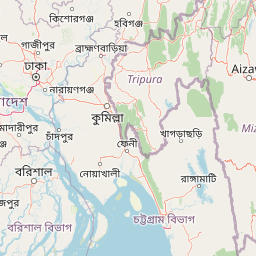
Kadigarh National Park is best known for its sal forest ecosystem, a distinctive hardwood forest type that once covered much of the Bengal delta region but now exists only in fragmented patches. The park provides protected habitat for bird species including the Indian Pitta, a colorful and visually striking songbird that inhabits forest understories. The park represents one of the few remaining forested areas in the heavily cultivated Mymensingh district, serving as a refuge for wildlife in a region where natural forest cover has been substantially diminished. Its location in Bhaluka Upazila places it within an area of transitioning landscape character between more forested northern regions and the intensive rice cultivation zones of central Bangladesh.
Kadigarh National Park history and protected-area timeline
Kadigarh National Park was officially established on October 24, 2010, making it one of the more recent additions to Bangladesh's national park system. The designation came as part of ongoing efforts by the Government of Bangladesh to expand protected area coverage and preserve remaining natural ecosystems in the country. The establishment of the park reflected recognition of the ecological value of remaining sal forest patches in the Mymensingh region, an area that has experienced substantial forest loss due to agricultural expansion and human settlement over the past several decades. The park's creation followed broader national trends toward designating new protected areas to meet biodiversity conservation targets and maintain ecological services in heavily populated regions of Bangladesh.
Kadigarh National Park landscape and geographic character
The landscape of Kadigarh National Park is characterized by flat to gently undulating terrain typical of the Ganges delta region. The terrain consists primarily of alluvial soils deposited by the rivers flowing through central Bangladesh, with elevation remaining relatively low throughout the area. The park's vegetation is dominated by sal forest, a semi-deciduous hardwood forest type adapted to the subtropical climate of the region. The forest canopy is primarily composed of sal trees, with an understory of smaller trees, shrubs, and herbaceous plants typical of tropical and subtropical forest ecosystems. The area's hydrology is influenced by seasonal monsoon patterns, with wet and dry seasons creating distinct environmental conditions throughout the year.
Kadigarh National Park ecosystems, habitats, and plant life
Kadigarh National Park represents a remnant sal forest ecosystem in a region where such forests have been largely converted to agricultural land. The sal forest type is characterized by Shorea robusta as the dominant tree species, forming a dense canopy during the monsoon season and partially losing leaves during the dry winter months. This forest type once covered extensive areas of the Bengal basin but now exists in fragmented patches throughout Bangladesh and neighboring regions. The park provides protected habitat for forest-dwelling species and helps maintain ecological processes in an area where natural ecosystems have been significantly altered. The forest supports biodiversity including bird species, insect communities, and smaller mammals that depend on forested habitat for survival.
Kadigarh National Park wildlife and species highlights
The wildlife of Kadigarh National Park includes bird species such as the Indian Pitta, a colorful ground-dwelling bird that inhabits the forest floor and understory layers. The Indian Pitta is known for its vibrant plumage featuring blue, green, yellow, and red coloration, and is a species that migrates through the Indian subcontinent. The sal forest environment supports a variety of bird species, insects, and smaller fauna adapted to forest habitats. While detailed species inventories are not fully documented in available sources, the park's protected forest habitat provides essential breeding and foraging grounds for wildlife in a region where natural forest cover is limited.
Kadigarh National Park conservation status and protection priorities
Kadigarh National Park faces significant conservation challenges from illegal logging and encroachment. Sawmills have been established illegally in surrounding villages in violation of Forest Department regulations, actively logging large sal trees from the forest both during daylight and at night. The illegally harvested timber is subsequently sold to furniture shops in nearby markets. This logging activity represents a direct threat to the park's forest ecosystem and the biodiversity it supports. The park's location within a densely populated agricultural region makes it particularly vulnerable to such pressures, as surrounding communities depend on forest resources and land use pressures remain high. Conservation effectiveness depends on enforcement of forest protection regulations and sustainable management of the surrounding landscape.
Top sights and standout views in Kadigarh National Park
Kadigarh National Park protects one of the remaining patches of sal forest in the Mymensingh region of Bangladesh. The park's establishment in 2010 reflects ongoing conservation efforts in a country with limited forest cover. The Indian Pitta and other bird species inhabit the park's forest understory. The park offers basic visitor facilities including a rest house. The park sits within an agricultural landscape, making it an important ecological refuge in a heavily modified region. Conservation challenges include illegal logging by sawmills operating in surrounding villages.