
Why Karula National Park stands out
Karula National Park is best known as Estonia's smallest national park, a distinction that makes it distinctive among the country's protected areas despite its modest size. The park is renowned for its densely clustered landscape of rolling hills interspersed with dozens of small lakes, creating a scenic quality often described as Estonia's "lake country." The biodiversity concentration is remarkable for the park's size, with the Karula Uplands supporting species such as the lesser spotted eagle and black stork alongside more common but ecologically important species like elk and Eurasian lynx. The presence of the daisyleaf grape fern in only three Estonian locations, with Karula being one, adds botanical significance to the park's conservation credentials. The combination of natural landscapes with traditional cultural heritage, including the historic dispersed rural settlement patterns of southeastern Estonia, further distinguishes this park.
Karula National Park history and protected-area timeline
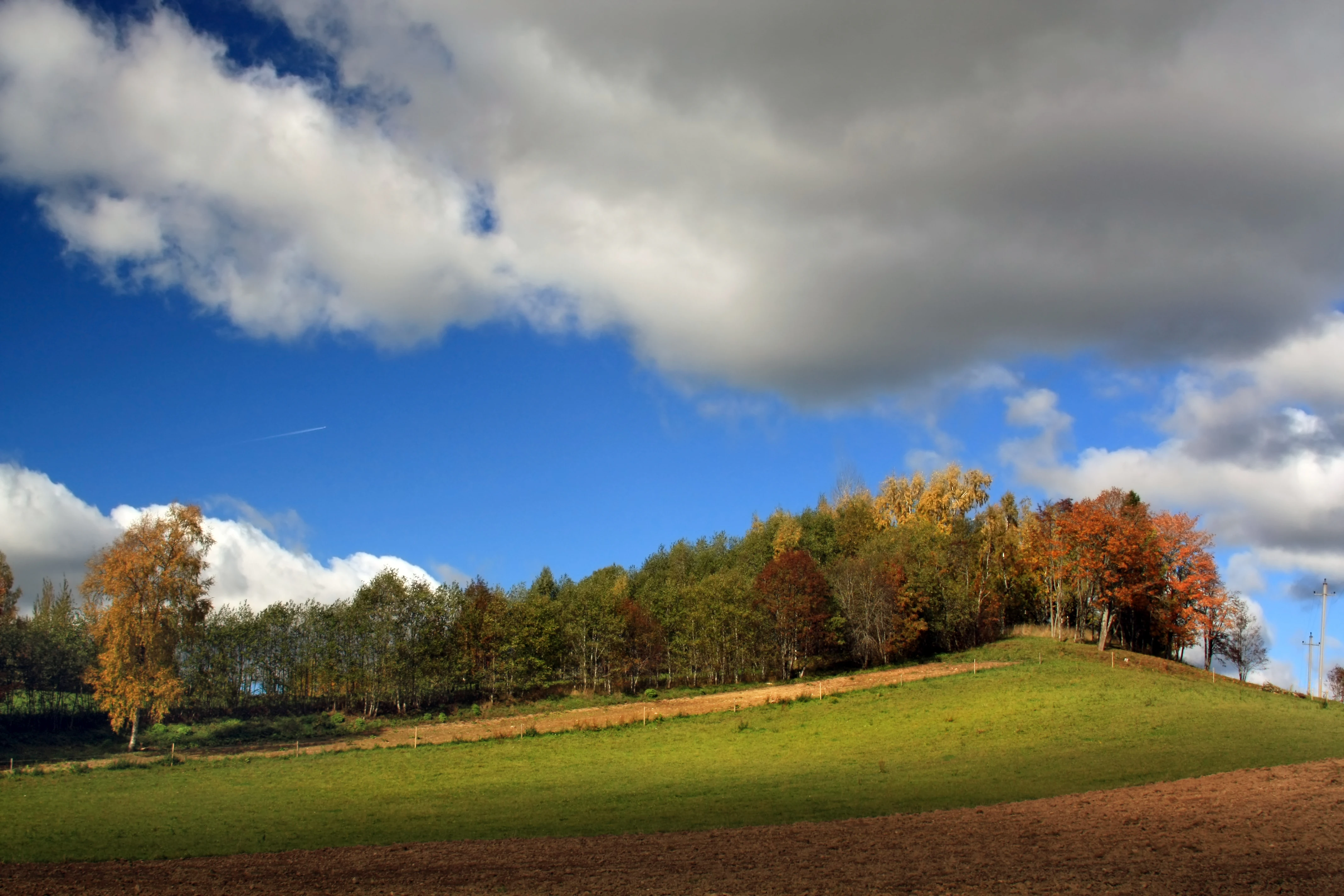
Karula National Park traces its institutional origins to 1979, when the area was first designated as a landscape protected area (maastikukaitseala) under Estonian Soviet-era nature protection legislation. This initial protection recognized the exceptional landscape character and ecological values of the Karula Uplands region, which had already been identified as an area of natural and cultural significance. During the Soviet period, the protected area status provided a degree of institutional continuity that helped preserve the landscape character of the region against more intensive development pressures that affected other parts of Estonia.
The transition from landscape protected area to national park status occurred in 1993, following Estonia's regaining of independence and the establishment of a new framework for protected area management. This elevation in status reflected both the ecological significance of the area and the recognition that national park designation would provide stronger protection and more effective management mechanisms for this distinctive landscape. The national park status also aligned Karula with the broader European approach to protected areas and facilitated potential participation in international conservation networks. Following the establishment of the national park, an association known as the Karula Hoiu Ühing (Karula Conservation Association) was founded in 2001 to support the involvement of local communities in park management and to strengthen connections between the protected area and the surrounding rural communities.
Karula National Park landscape and geographic character
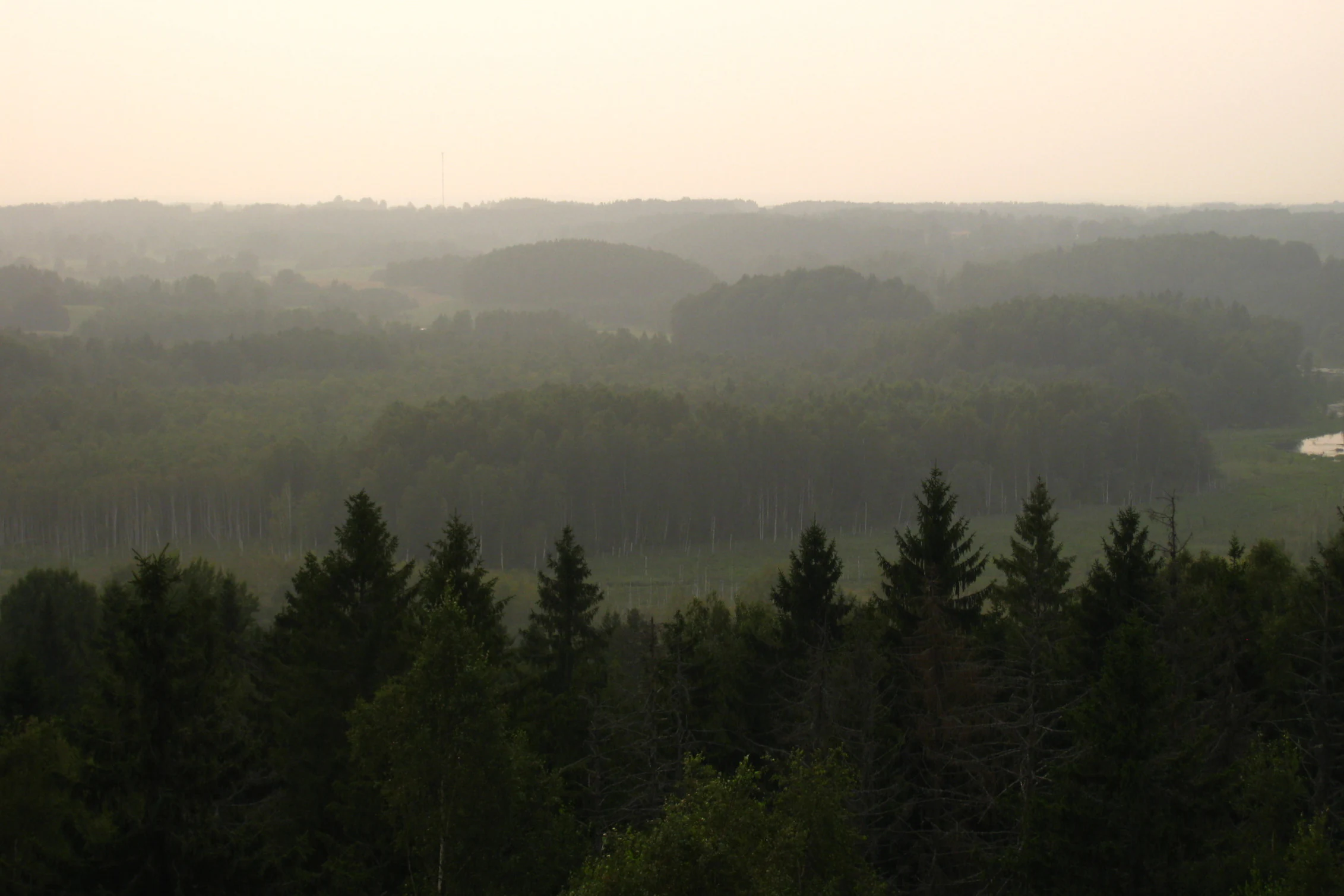
The physical landscape of Karula National Park is defined by the Karula Uplands, a terrain of modest but varied elevation created by glacial deposition and subsequent erosion processes. The upland character is expressed in the sequence of hills and valleys that create a continuously undulating terrain, with slopes of varying steepness and aspects. The highest point within the park, Rebasemõisa Tornimägi, rises to 137 meters above sea level and provides commanding views across the surrounding lake-dotted landscape. This hill, topped by an observation tower, has become one of the park's signature landscapes and a destination for visitors seeking to appreciate the panoramic quality of the upland terrain.
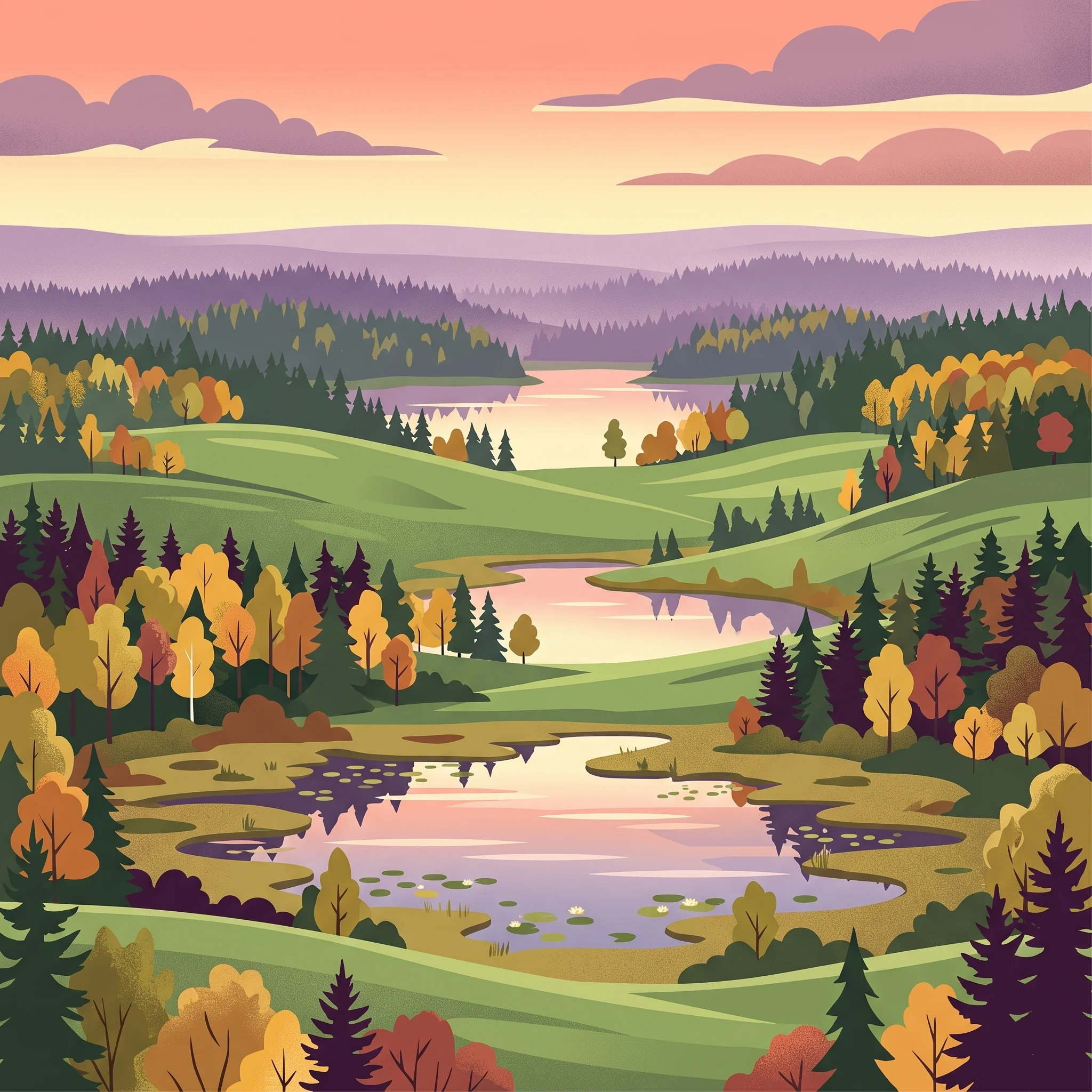
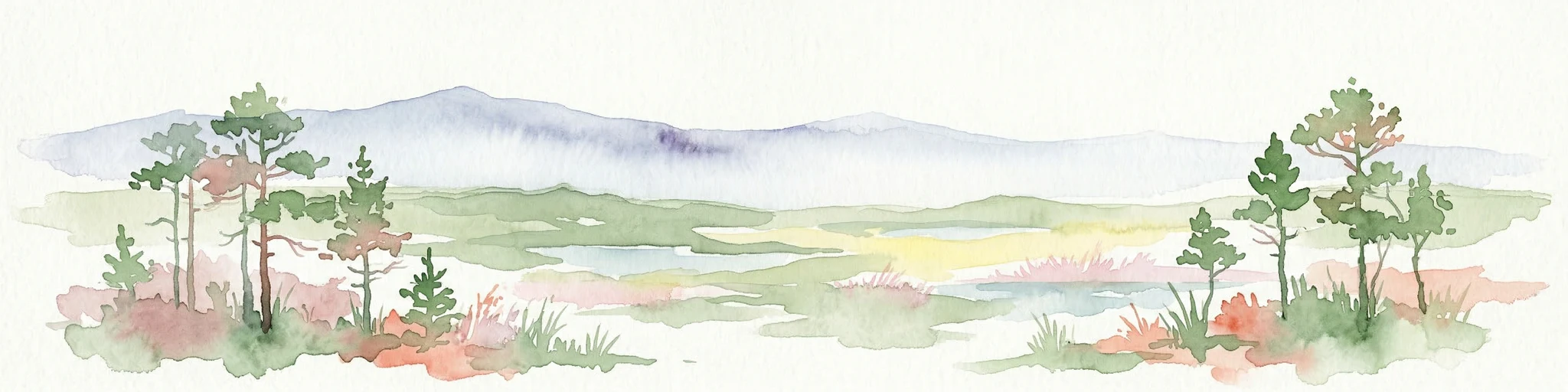
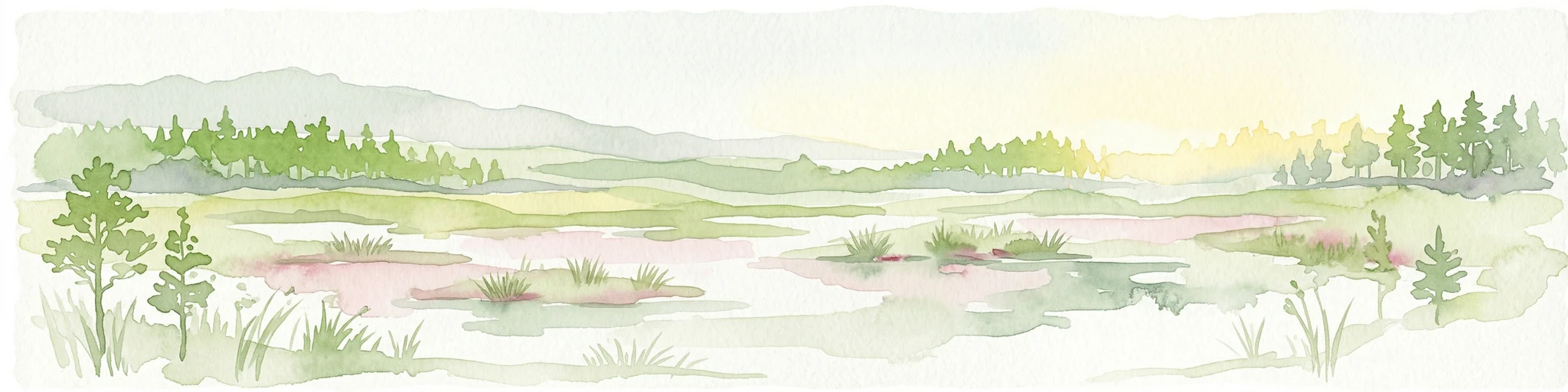
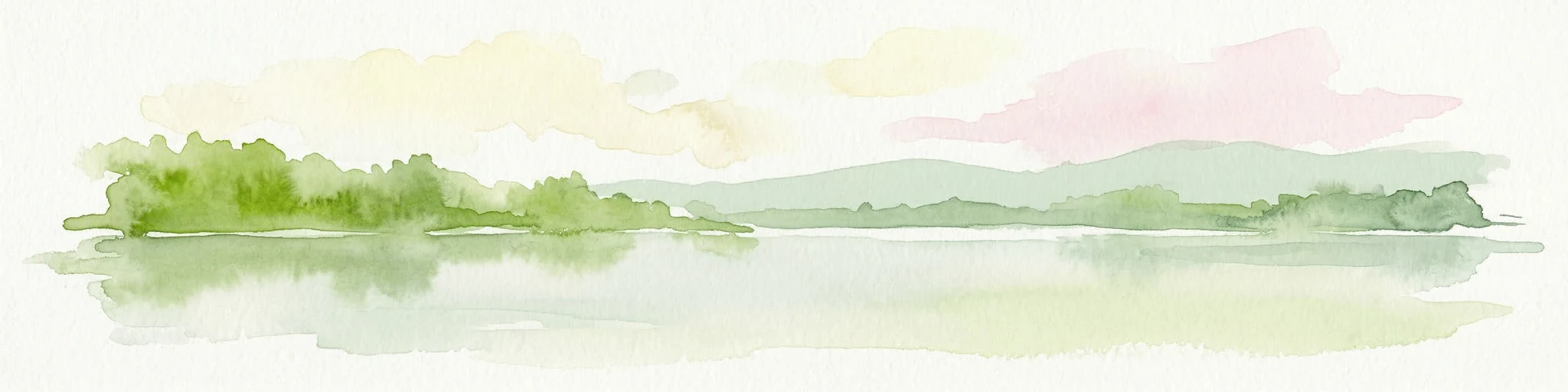
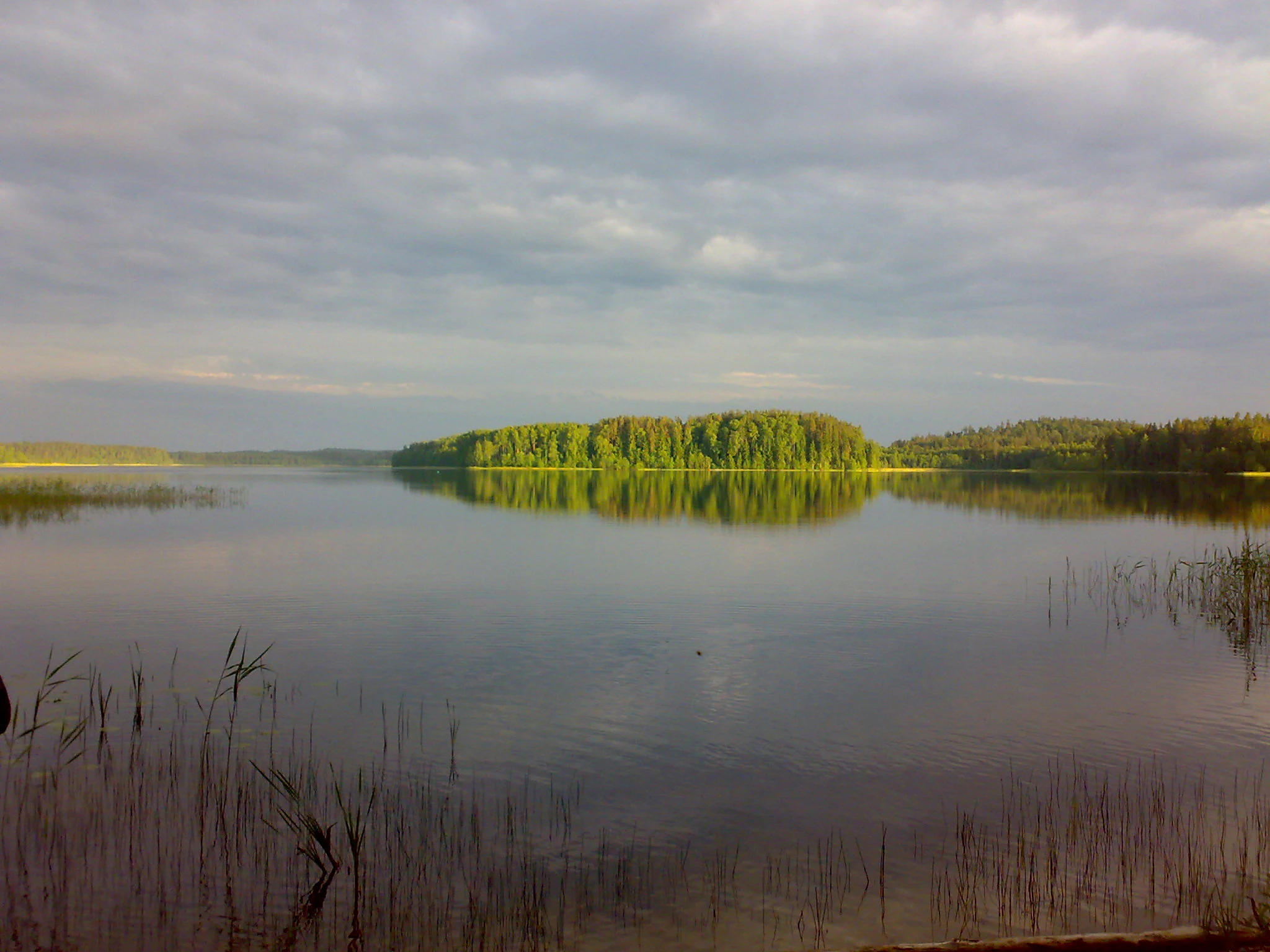
The lake-studded nature of the park represents one of its most visually distinctive characteristics. The approximately 40 lakes within the park boundaries range from small, nearly pond-like bodies to substantial lakes of several hectares. Many feature the marshy or boggy shores that develop when lakes have gradual margins and receive significant inflow of nutrient-poor groundwater. Ähijärv stands as the largest and most scenically prominent of these water bodies, located adjacent to the park's visitor center and serving as a focal point for interpretation and recreation. The lakes are distributed across the upland terrain in a pattern that reflects the underlying glacial geology, often occupying hollows between the hills or extending along valley floors.
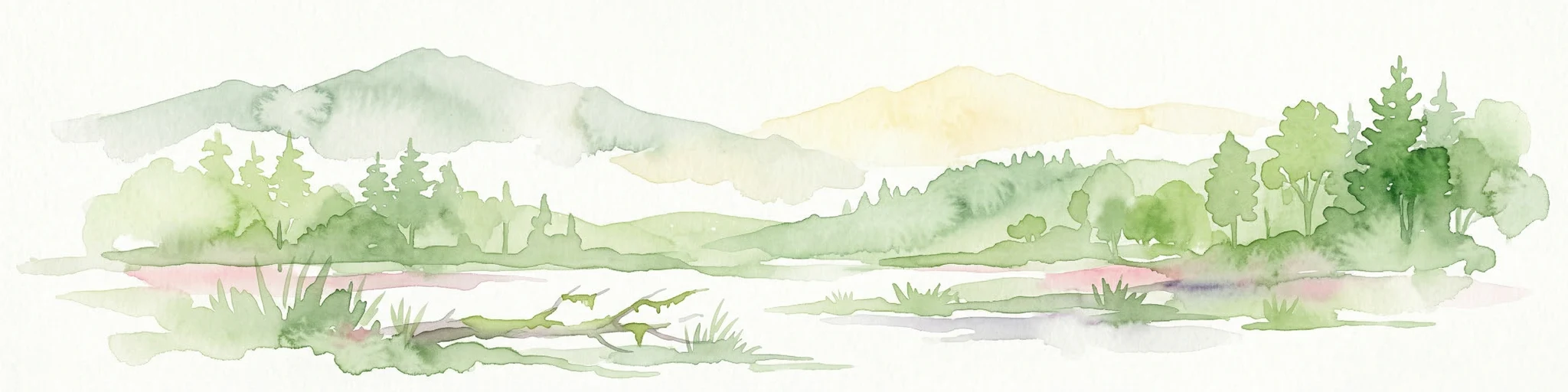
The forest cover that dominates the park creates a landscape of considerable visual unity while providing structural diversity through variation in species composition, age, and density. Small bogs and wetland areas are interspersed throughout the forest matrix, their dark waters and distinctive vegetation contrasting with the surrounding woodland. Streams and small rivers drain the upland terrain, carrying water from the numerous lakes and wetland catchments toward the broader river systems that flow across southeastern Estonia. The traditional cultural landscape, with its pattern of small fields, meadows, and farmsteads scattered through the otherwise forested terrain, adds another dimension to the park's visual character and reflects the long history of human presence in this region.
Karula National Park ecosystems, habitats, and plant life
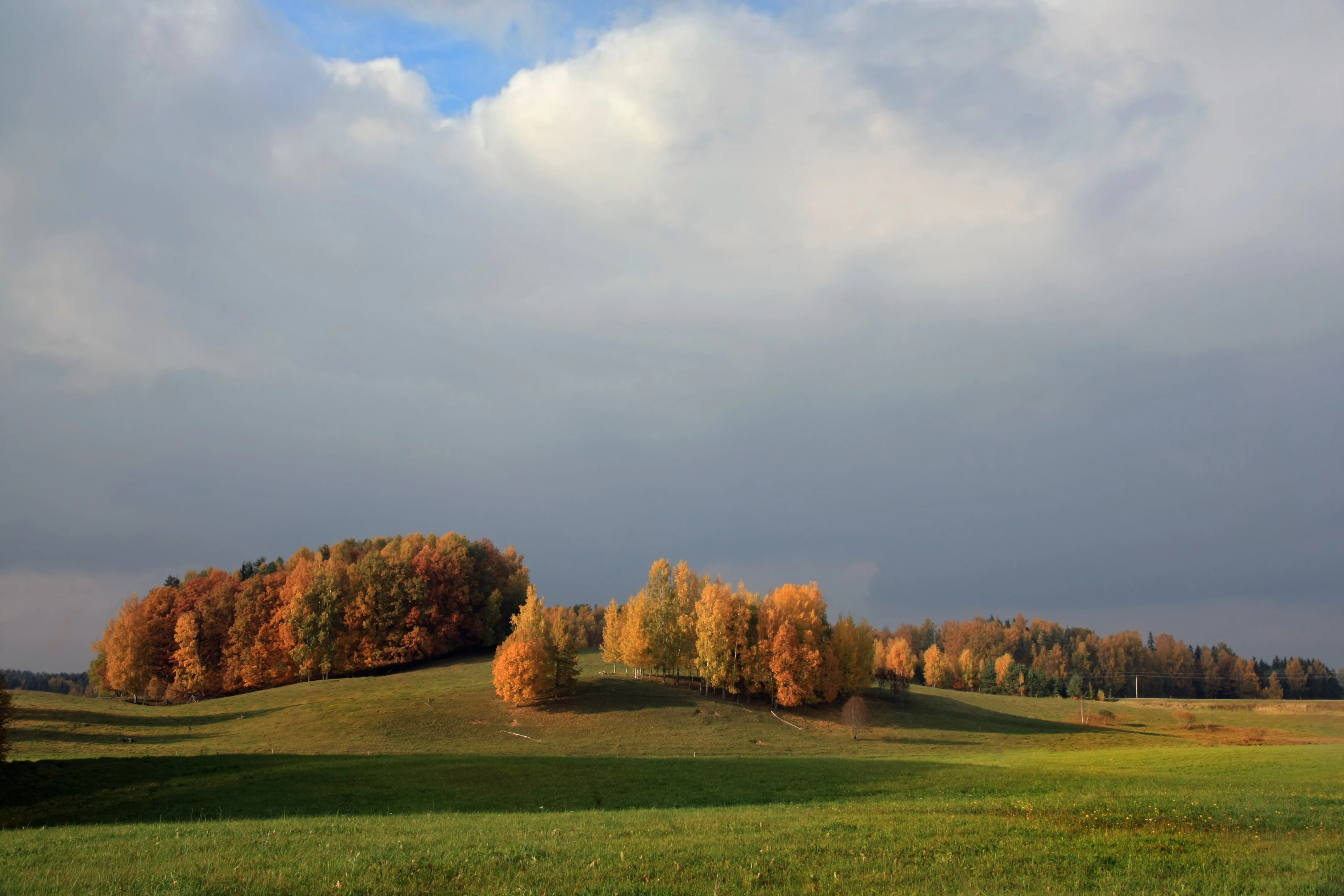
The ecological character of Karula National Park reflects the combination of diverse habitats within a relatively compact area, creating conditions that support notable biodiversity. The forest-dominated landscape provides extensive habitat for both woodland species and those requiring forest edges and openings, while the network of lakes, wetlands, and small bogs adds aquatic and semi-aquatic habitats of particular importance for waterfowl, amphibians, and insects. The hilly terrain creates variation in exposure, soil moisture, and microclimate that further increases habitat diversity across the park.
The flora of the park includes several species of particular conservation significance within the Estonian context. The Baltic orchid and mezereon represent species that have declined across much of their European range and remain protected under Estonian nature conservation legislation. The daisyleaf grape fern holds special significance as a species known from only three locations throughout Estonia, with Karula National Park serving as one of these critical sites. These rare species are associated with the diverse forest types, old-growth elements, and the particular combination of soil and moisture conditions found within the park's boundaries.
The wetland systems within the park, though individually small, contribute significantly to the overall ecological value of the protected area. The lakes, bogs, and marshy areas support characteristic communities of water plants, amphibians, and insects, while providing foraging and breeding habitat for birds. The streams and small rivers that drain the upland terrain support aquatic communities adapted to the cool, clear conditions typical of groundwater-fed systems in this region. This aquatic network connects the various habitat types within the park and provides corridors for species movement across the protected area.
Karula National Park wildlife and species highlights
The wildlife community of Karula National Park reflects the diverse habitats provided by the forest-dominated landscape with its network of lakes, wetlands, and traditional agricultural areas. Among the most significant species from a conservation perspective are the birds of prey that breed in the park, including the lesser spotted eagle and black stork, both of which are species of European conservation concern. The lesser spotted eagle, though more common in some other parts of its range, has suffered significant population decline across much of Europe and the park's population represents an important component of Estonian breeding groups. The black stork, with its more restricted distribution, finds suitable habitat in the forest and wetland mosaic that characterizes much of the park.
Mammal populations within the park include species typical of Estonian forests, with elk being among the most commonly observed large mammals. The Eurasian lynx maintains a population within the park, representing one of the larger predators in the Estonian ecosystem, while the European polecat, a member of the weasel family, is also present despite being less frequently observed. These predator species depend on the prey populations supported by the diverse habitats within the park and contribute to the ecological balance of the protected area.
The bat fauna includes the pond bat, a species associated with water bodies where it forages over lake surfaces and among wetland vegetation. This species, like other bats in Estonia, benefits from the protected area status that ensures the preservation of suitable foraging habitat and roosting sites within the forest matrix. The lakes and wetlands also support populations of waterfowl and other birds associated with aquatic habitats, contributing to the overall species richness that makes Karula notable despite its small size.
Karula National Park conservation status and protection priorities
Karula National Park represents an important component of Estonia's protected area network, serving as a conservation stronghold for the distinctive landscapes and species of the Karula Uplands region. The designation as a national park provides a level of protection that acknowledges both the natural values of the area and its significance as a representative of the southern Estonian landscape character. The park's small size relative to Estonia's other national parks makes it no less important, as the concentration of biodiversity within its boundaries justifies the conservation attention it receives.
The presence of species such as the lesser spotted eagle and black stork places the park within the European network of important bird areas, contributing to the conservation of these species across their ranges. The protection of rare plant species, particularly the daisyleaf grape fern found in only three Estonian locations, ensures the preservation of genetic material and population structures necessary for the long-term survival of these species. The forest ecosystem, covering the majority of the park's area, stores significant quantities of carbon and provides ecosystem services including water regulation and soil protection that extend beyond the park's boundaries.
The traditional cultural landscape that characterizes parts of the park, with its patterns of small fields, meadows, and dispersed farmsteads, represents a conservation value in its own right. These landscapes, shaped by generations of traditional land use, harbor biodiversity associated with open habitats and provide connectivity between the core natural areas within the park. The preservation of these cultural landscape elements alongside the more natural habitats creates a conservation approach that recognizes the intertwined history of human use and natural processes in shaping the contemporary character of the Karula region.
Karula National Park cultural meaning and human context
The cultural dimension of Karula National Park reflects the long history of human presence in the Karula Uplands region and the traditional land-use patterns that have shaped the landscape over centuries. The park encompasses areas associated with the historical Karula Parish, an administrative and cultural unit that gave its name to both the upland region and the protected area. The dispersed settlement pattern characteristic of southeastern Estonia, with its network of small farmsteads, small fields, meadows, and patches of woodland, creates a cultural landscape that is distinct from the more nucleated village patterns found in other parts of Estonia.
The heritage cultural landscapes within the park, particularly in areas such as Lüllemäe, represent landscapes that developed over several thousand years of continuous human use and adaptation. These landscapes, with their characteristic combination of small agricultural fields, woodland patches, wetlands, and farmsteads, embody the traditional land-use practices that shaped much of lowland Estonia before modern agricultural intensification. The preservation of these cultural landscape elements within the national park boundary recognizes their ecological value as well as their cultural significance, creating habitats for species associated with open and semi-open environments while maintaining connections to Estonia's rural heritage.
The local population within and around the park continues to speak the distinctive dialect characteristic of southeastern Estonia, adding a linguistic dimension to the cultural context of the protected area. The Karula Hoiu Ühing, established in 2001, provides a mechanism for local community involvement in park management and represents the ongoing connection between the protected area and the people who live in the region. This community engagement supports the long-term sustainability of conservation efforts by maintaining the connections between local people and the landscape that the national park protects.
Top sights and standout views in Karula National Park
Karula National Park offers visitors a compact but rich landscape experience centered on the distinctive hilly terrain of the Karula Uplands with their network of lakes and extensive forest cover. The observation tower on Rebasemõisa Tornimägi provides panoramic views across the lake-dotted landscape, offering a comprehensive perspective on the park's character. The visitor center located beside Ähijärv, the park's largest lake, serves as the starting point for exploration and interpretation of the park's natural and cultural values. The diversity of landscapes within a relatively small area allows visitors to experience forest, wetland, lake, and cultural landscape environments within a single visit. The presence of species such as black stork and lesser spotted eagle provides opportunities for wildlife observation, while the network of hiking trails allows exploration of the park's various habitats and scenic areas.
Best time to visit Karula National Park
The character of Karula National Park shifts meaningfully across the seasons, with each period offering distinct qualities for visitors. The summer months bring the fullest development of the park's landscape character, with forests in full leaf, lakes at their most accessible, and the longest days providing extended opportunities for exploration. This is the peak season for wildlife observation, particularly for birds, and the warm conditions support full access to the trail network. The spring and autumn seasons bring different but equally compelling qualities, with spring bringing fresh green growth and migratory birds while autumn displays the characteristic colors of deciduous forest transformation. Winter reveals a quieter, more austere landscape, with snow-covered terrain offering different recreational opportunities and the possibility of observing species such as elk in more open conditions when forest cover provides less concealment.