
Why Kerry Seas National Park stands out
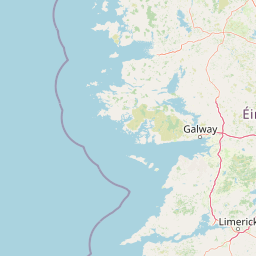
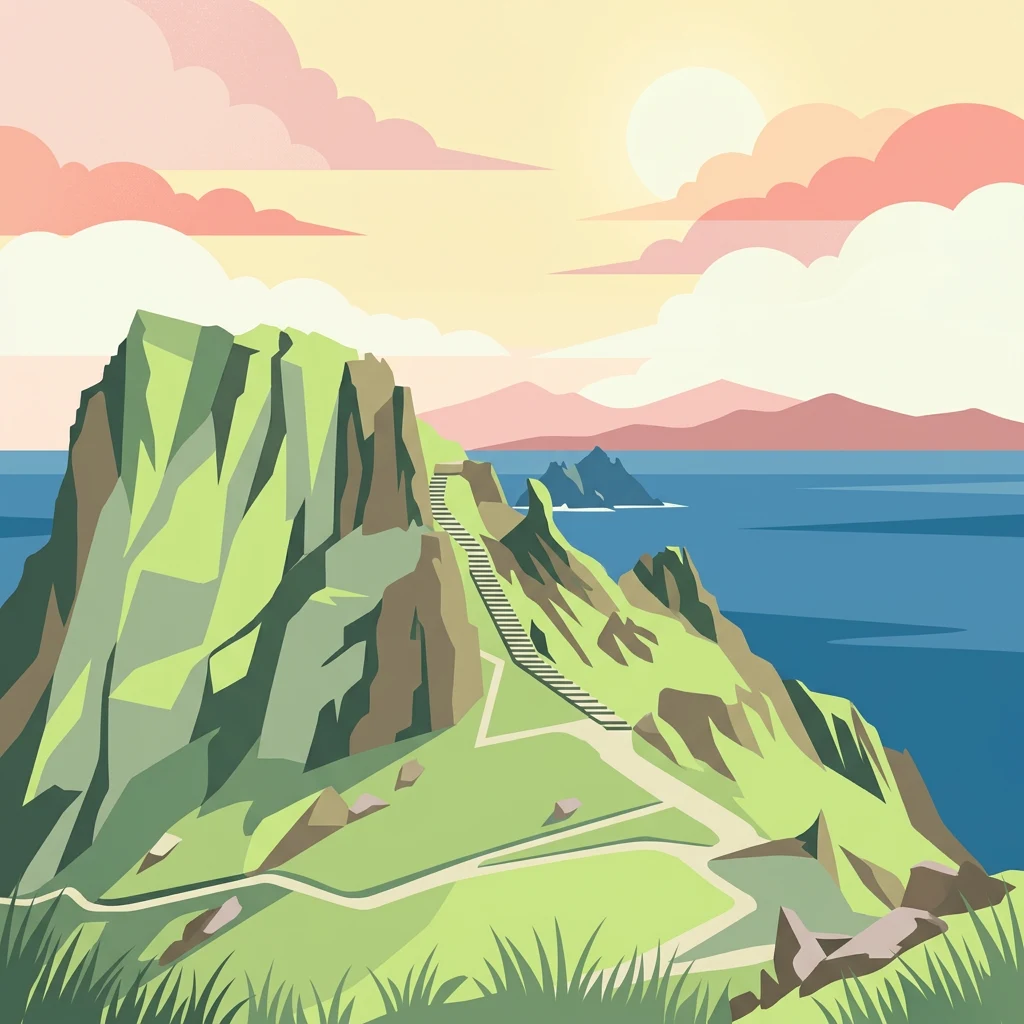
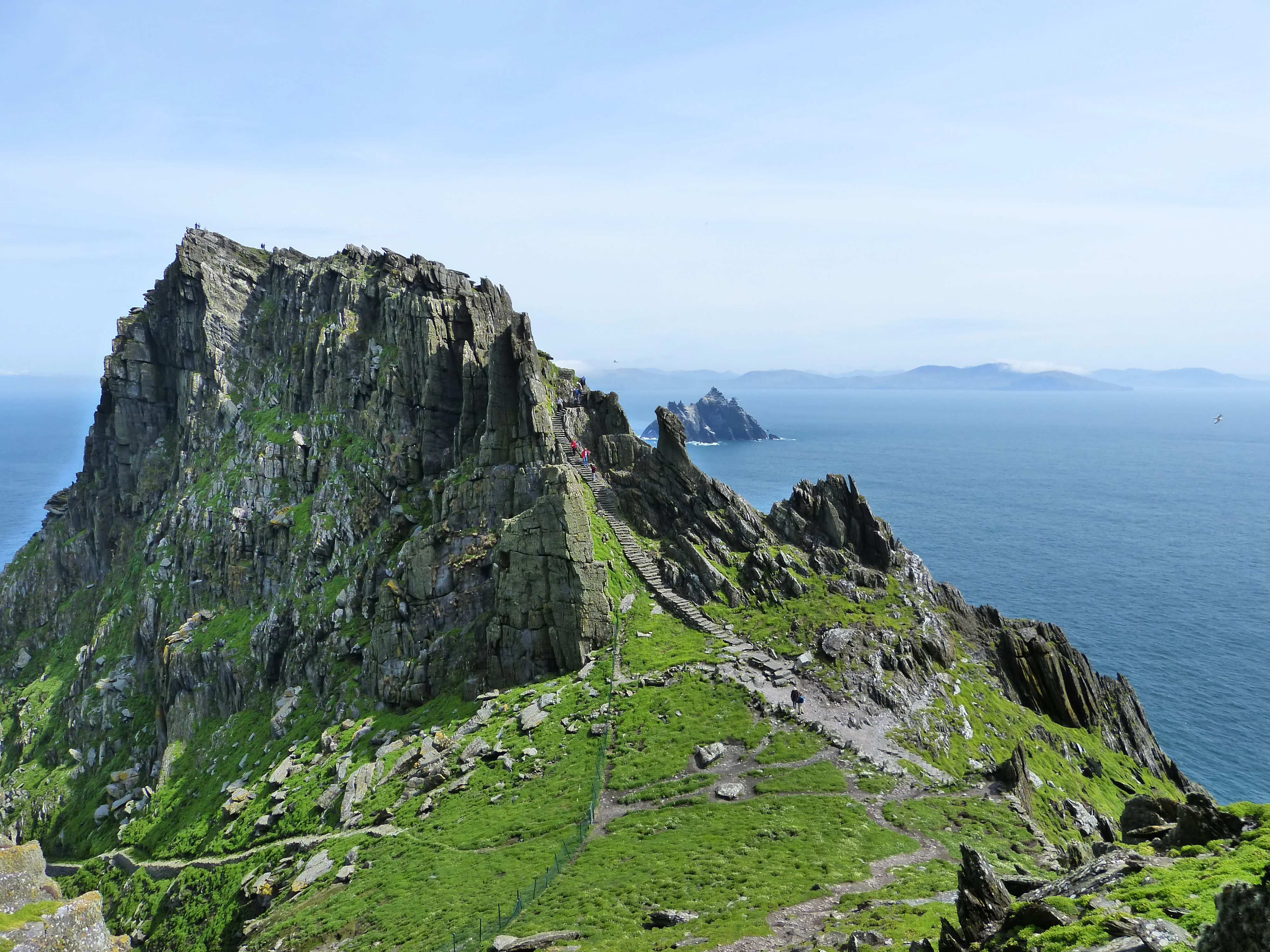
Kerry Seas National Park is best known for its extraordinary concentration of protected landscapes and cultural sites along Ireland's wild Atlantic coast. The Skellig Islands, particularly Skellig Michael with its sixth-century monastic settlement, represent one of Ireland's most significant archaeological treasures and a UNESCO World Heritage Site. The park protects the Blasket Islands, a chain of offshore islands that are vital seabird nesting colonies and notable for their ecological isolation. The Conor Pass road through the An Abha Mhór river valley offers one of Ireland's most spectacular mountain road journeys, while Mount Brandon provides the highest peak in the range. The combination of World Heritage significance, exceptional coastal scenery, marine biodiversity, and the park's status as Ireland's largest protected area defines its distinctive character.
Kerry Seas National Park history and protected-area timeline
Kerry Seas National Park was formally announced by the Irish government in April 2024, representing the most significant expansion of Ireland's national park system in recent decades. The establishment of this park marked a deliberate shift toward marine conservation within Ireland's protected area framework, addressing the underrepresentation of marine environments in the country's national park network. Prior to this announcement, the areas now incorporated within the park existed under various protection designations, including special areas of conservation under European Union nature directives, nature reserves, and UNESCO World Heritage status for Skellig Michael.
The creation of Kerry Seas National Park consolidated these existing protections while adding the national park designation that provides enhanced management framework and public access provisions. The decision to establish the park reflected growing recognition of the ecological importance of Ireland's Atlantic coastal waters and the need for integrated management of marine and terrestrial environments. The park's announcement was accompanied by commitments to develop management plans that balance conservation objectives with sustainable public enjoyment of the area's natural and cultural resources. As a recently established park, its operational history is limited to the months following its formal designation.
Kerry Seas National Park landscape and geographic character
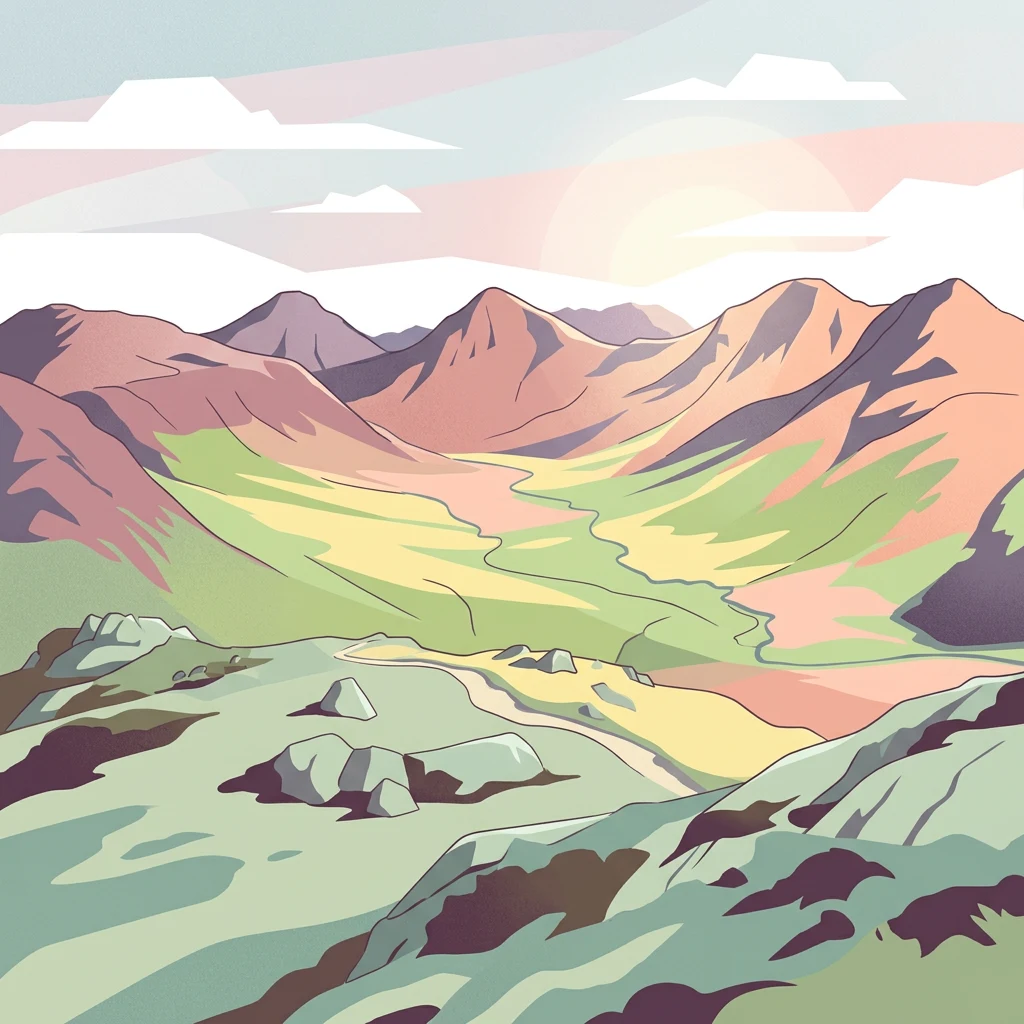
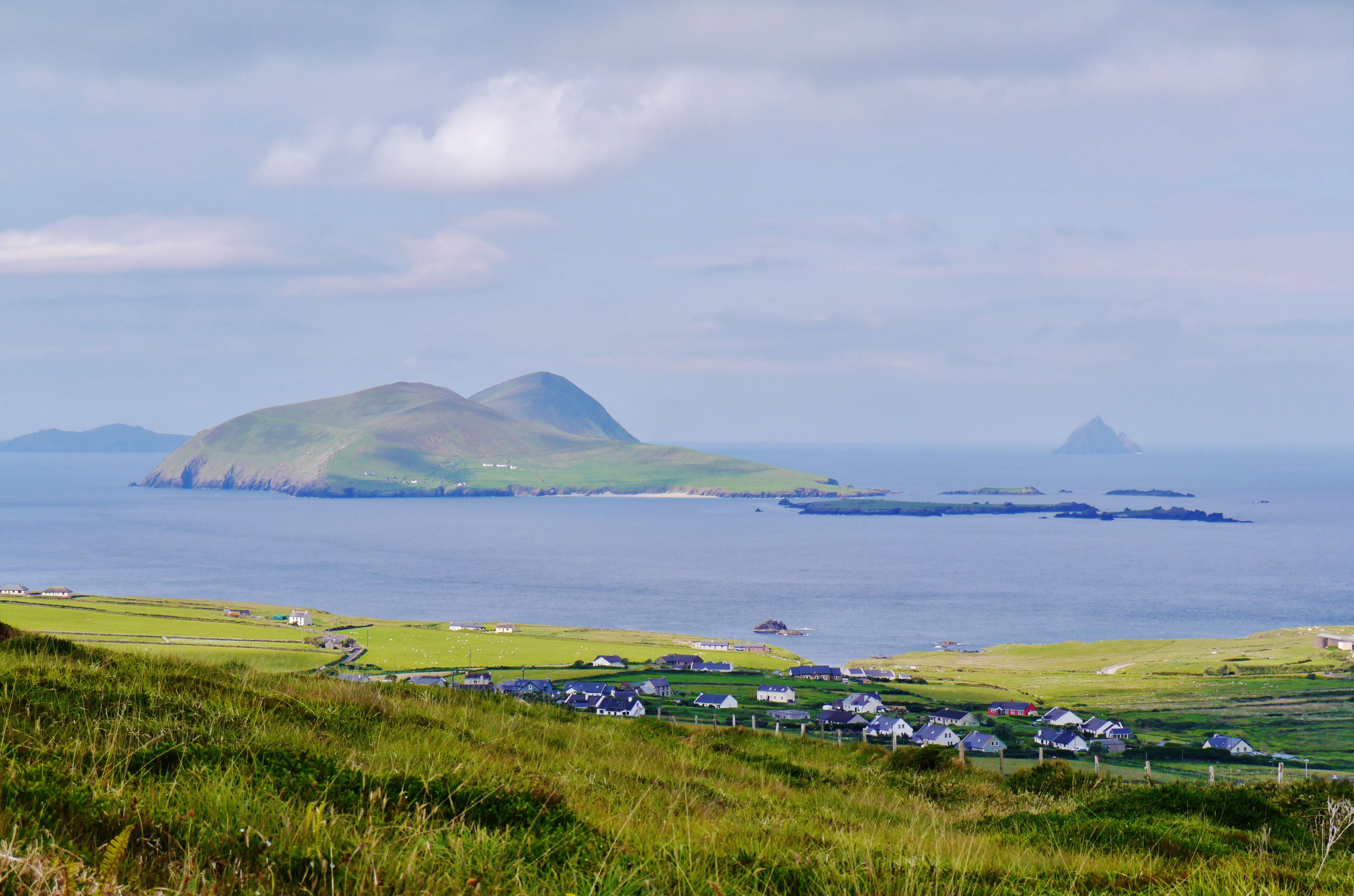
The landscape of Kerry Seas National Park encompasses an extraordinary diversity of terrain shaped by the relentless interaction of Atlantic weather systems with County Kerry's mountainous coastline. The Dingle Peninsula presents a landscape dominated by the Brandon range, with Mount Brandon rising to over 900 meters as the highest peak in the area. The Conor Pass road traverses the An Abha Mhór river valley, climbing through terrain that exemplifies the dramatic mountain-to-sea transitions characteristic of this coast. Rocky cliffs, isolated coves, and dune systems along the peninsula's western edge characterize the coastal margins.
The Iveragh Peninsula's landscape is equally dramatic, featuring the famous Ring of Kerry scenic drive that passes through terrain of mountains, lakes, and coastal viewpoints. Offshore, the Skellig Islands rise dramatically from the Atlantic, their jagged rock stacks supporting nesting seabirds and the ancient monastic structures of Skellig Michael. The Blasket Islands, visible from the Dingle Peninsula's western edge, represent remnant landforms that mark the edge of continental Europe into the Atlantic. The park also includes low-lying dune areas at Inch and the cliff-dominated sections of Kerry Head, creating a landscape that ranges from mountain peaks to wave-battered islands and sheltered sand dunes.
Kerry Seas National Park ecosystems, habitats, and plant life
The nature of Kerry Seas National Park reflects the ecological richness of Ireland's Atlantic boundary, where marine and terrestrial ecosystems intersect in complex patterns. The park's marine component encompasses coastal waters, tidal zones, and the waters surrounding offshore islands, supporting communities of fish, marine mammals, and invertebrate species adapted to North Atlantic conditions. The Blasket Islands and Skellig Islands serve as critical seabird nesting sites, with populations of gulls, puffins, gannets, and other species that depend on these isolated offshore habitats for breeding success.
Terrestrial habitats within the park range from mountain heath and grassland on the slopes of Mount Brandon to dune systems and coastal grasslands. The variety of habitats reflects the park's extent across multiple ecological zones, from exposed coastal cliffs to sheltered river valleys. The existing designations of special area of conservation applied to parts of the park indicate the presence of habitats and species of European conservation importance, though the specific ecological characteristics require detailed field survey for complete documentation. As a newly established park, comprehensive ecological assessment of all components continues as management plans develop.
Kerry Seas National Park wildlife and species highlights
Wildlife in Kerry Seas National Park is concentrated in the offshore islands and coastal waters that form the park's marine core. The Skellig Islands and Blasket Islands support some of Ireland's most important seabird colonies, with species including Atlantic puffins, northern gannets, and various gull species nesting on the cliff faces and grass-covered slopes. These islands provide critical breeding habitat in an area where the North Atlantic's rich waters support abundant food sources for seabirds during the summer months.
Marine wildlife in the park's waters includes species common to the Celtic Sea and Atlantic approaches to Ireland's coast. The coastal cliffs provide nesting opportunities for seabirds, while the surrounding waters support fish species that form the base of the marine food web. The park's terrestrial wildlife includes species typical of Ireland's western coastal mountains and grasslands, though detailed species inventories for the newly established park remain in development. The combination of island seabird colonies, marine waters, and coastal habitats creates a wildlife profile that emphasizes seabirds and marine species as the most notable fauna within the protected area.
Kerry Seas National Park conservation status and protection priorities
The establishment of Kerry Seas National Park represents a significant advance in Ireland's conservation framework, particularly for marine environments that have been underrepresented in the country's protected area network. The park's designation brings coordinated management to a constellation of previously separate protected areas, creating an integrated conservation approach that addresses both terrestrial and marine ecosystems. The inclusion of special areas of conservation within the park framework provides connection between European Union nature protection directives and national park management.
The marine focus of this park addresses a recognized gap in Irish conservation, as previous national parks emphasized terrestrial environments. By incorporating approximately 70,000 acres of combined land and sea, the park creates a conservation zone that can address ecosystem-level management rather than protecting individual habitats in isolation. The presence of Skellig Michael within the park also demonstrates how cultural heritage can be integrated with natural conservation, creating a model for landscape-scale protection that encompasses both ecological and historical values.
Kerry Seas National Park cultural meaning and human context
The cultural context of Kerry Seas National Park is profoundly shaped by the presence of Skellig Michael, a small island whose monastic settlement dates to the sixth century and represents one of the earliest examples of Christian monastic organization in Ireland. The beehive cells, oratories, and other structures built by monks on this isolated Atlantic island have survived for over fourteen centuries, earning UNESCO World Heritage status as one of Ireland's most significant archaeological landscapes. The monastic tradition on Skellig Michael reflected the early medieval preference for remote, coastal locations as sites of spiritual retreat from the secular world.
Beyond Skellig Michael, the park's cultural landscape includes the Blasket Islands, whose small communities maintained Irish language and traditional culture into the twentieth century before voluntary evacuation in the 1950s. The tetrapod trackway on Valentia Island represents some of the earliest evidence of vertebrate land colonization, providing scientific and cultural significance. The broader landscape of County Kerry contains rich traditions of Irish language, music, and storytelling that continue in the surrounding communities, creating a cultural context where the park's protected landscapes exist within an ongoing living culture rather than as isolated heritage sites divorced from contemporary community life.
Top sights and standout views in Kerry Seas National Park
Kerry Seas National Park brings together an unparalleled concentration of Ireland's natural and cultural landmarks within a single protected area framework. The Skellig Islands and Skellig Michael represent the park's most internationally recognized feature, combining World Heritage status with exceptional coastal scenery and seabird colonies. The Blasket Islands offer remote island wilderness with rich ecological and cultural significance. The Conor Pass road through the An Abha Mhór valley provides one of Ireland's most celebrated scenic drives, while Mount Brandon offers mountain walking in terrain of geological and cultural importance. The park's establishment as Ireland's first primarily marine national park marks a new chapter in Irish conservation, expanding protection into theAtlantic waters that define the country's western edge. The combination of island ecosystems, mountain landscapes, coastal terrain, and ancient cultural sites makes this park distinctive among Ireland's protected areas.
Best time to visit Kerry Seas National Park
The best time to visit Kerry Seas National Park depends on the specific experiences sought, though the summer months of June through August offer the most reliable conditions for outdoor exploration and wildlife viewing. Seabird colonies on the offshore islands are most active during the breeding season, with puffins and other species visible from boat excursions that operate from the mainland during summer. The longer daylight hours allow extended exploration of the park's extensive trail networks and scenic routes. However, this is also the busiest period, particularly around popular locations like the Ring of Kerry and areas associated with Skellig Michael access.
The shoulder seasons of spring and autumn offer advantages for visitors seeking fewer crowds while maintaining reasonable weather conditions. The park's landscapes take on different characters across seasons, with spring bringing wildflower displays in coastal grasslands and autumn offering atmospheric conditions as Atlantic storms begin to sweep across the coast. Winter visits provide the opportunity to experience the park's wild character in more challenging conditions, though some facilities and boat services may have reduced operations. The park's marine component and coastal locations mean that weather conditions can change rapidly throughout the year, and visitors should be prepared for the variable conditions characteristic of Ireland's Atlantic coast.