Why Kon Ka Kinh National Park stands out
Kon Ka Kinh National Park is best known for its exceptional biodiversity significance, representing one of Vietnam's most important conservation areas and one of 27 ASEAN Heritage Parks. The park is distinguished by its extraordinary plant diversity, with 687 documented plant species across 140 families, including numerous endemic and endangered species. It serves as a critical watershed protecting the headwaters of major rivers that sustain agricultural production in the Central Highlands. The park also supports significant mammal species including the Indochinese tiger and Yellow-cheeked gibbon, and has been recognized as an Important Bird Area with a dedicated bird sanctuary project.
Kon Ka Kinh National Park history and protected-area timeline
Kon Ka Kinh National Park has undergone significant evolution in its protection status over time. The area was first designated as a special forest in 1986 under Decision 194/CT dated August 9, 1986, issued by the Chairman of Vietnam's Council of Ministers. At that time, the protected area covered 280 square kilometers with the primary purpose of preserving subtropical forest in the high mountains, with particular emphasis on gymnosperm species.
In 1999, the Forest Investigation and Planning Institute of Vietnam, in partnership with BirdLife International, developed the Kon Ka Kinh Bird Sanctuary Project. This initiative led to expanded protection of the area and was approved in the same year by the Ministry of Agriculture and Rural Development and the Gia Lai People's Committee, increasing the protected area to 417.8 square kilometers. The national park was officially established in 2002 by Decision 167/2002/QĐ-TTg on November 25, 2002, signed by Prime Minister Phan Văn Khải. This designation elevated the area to IUCN Category II protected status and positioned it among Vietnam's priority conservation areas.
Kon Ka Kinh National Park landscape and geographic character
Kon Ka Kinh National Park features a dramatic mountainous landscape characterized by significant elevation variation across relatively short distances. The terrain ranges from 570 meters in the Ba River valley to 1,748 meters at Kon Ka Kinh peak, creating diverse microclimates and habitat zones. The park's topography is sloping and rugged, with numerous short, fast-flowing streams that have carved valleys and created multiple waterfalls throughout the area.
The Ba River, a prominent watercourse originating in the park's eastern portions, runs northward before turning northwest-southeast and ultimately emptying into the South China Sea near Tuy Hòa city. The park's western slopes drain into tributaries of the Mekong River system. This dual watershed position gives the park significant importance in regional hydrology. The landscape supports approximately 33,565 hectares of natural forest, representing about 80 percent of the total park area, with distinctive vegetation zones influenced by altitude and slope orientation.
Kon Ka Kinh National Park ecosystems, habitats, and plant life
The ecological character of Kon Ka Kinh National Park is defined by its remarkable plant diversity resulting from the convergence of multiple biogeographic regions. The park contains flora typical of northern and central Vietnam, including families such as Fabaceae, Euphorbiaceae, Magnoliaceae, Moraceae, Annonaceae, Lauraceae, and Fagaceae, which thrive in wet tropical rainforest conditions at lower elevations. These areas feature high tree density with non-typical dominant species.
The park also hosts species with origins in Yunnan-Guizhou and Himalayan foothills, including important gymnosperms like Podocarpus imbricatus, Dacrydium pierrei, Nageia wallichiana, and Fokienia hodginsii. Species with Malaysian-Indonesian origins include Anogeissus acuminata and various Dipterocarpaceae species, while India-Myanmar influences appear in families like Combretaceae and Lythraceae. This botanical mosaic supports 687 plant species across 459 genera and 140 families, including 11 documented endemic species and 24 species listed as precious or rare in Vietnam's Endangered Red Book and the IUCN Red List.
Kon Ka Kinh National Park wildlife and species highlights
Kon Ka Kinh National Park supports a diverse animal community, with surveys documenting 428 animal species including 223 species of land vertebrates spanning 34 orders and 74 families, and 205 invertebrate species. The mammal population includes notable species such as the Indochinese tiger and Yellow-cheeked gibbon, both representing significant conservation priorities. The park's birdLife International designation reflects its importance for avifauna, with the bird sanctuary project established in partnership with international conservation organizations.
The invertebrate diversity includes at least 10 families of Lepidoptera, representing butterflies and moths. This invertebrate community contributes to the park's ecological functioning through pollination, decomposition, and as a food source for vertebrate predators. The combination of diverse forest habitats, from valley bottoms to montane zones, supports this variety of animal life and creates opportunities for wildlife observation and ecological study.
Kon Ka Kinh National Park conservation status and protection priorities
Kon Ka Kinh National Park holds significant conservation importance at both national and regional levels. The park is designated as one of Vietnam's priority zones for biodiversity protection and is recognized as one of 27 ASEAN Heritage Parks, a regional network of protected areas of outstanding conservation significance. This dual designation reflects the park's exceptional ecological value and its importance in maintaining regional biodiversity patterns.
The protected area serves critical ecological functions beyond species preservation, including watershed protection for the Ba River and Dak Pne River systems that support agricultural production across extensive areas of the Central Highlands. The park's forest cover also contributes to carbon storage and climate regulation. Conservation challenges include managing the balance between protection and sustainable use, addressing threats from habitat fragmentation, and ensuring effective enforcement within the complex terrain. The presence of 24 species listed in Vietnam's Red Book and the IUCN Red List underscores the urgency of continued conservation efforts.
Kon Ka Kinh National Park cultural meaning and human context
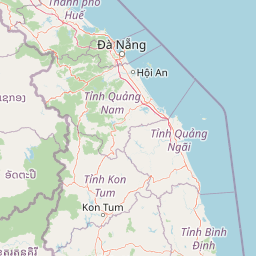
Kon Ka Kinh National Park is situated in the Central Highlands of Vietnam, a region home to numerous indigenous ethnic communities. The park spans three districts of Gia Lai Province: Mang Yang, K'Bang, and Đắk Đoa. While the Wikipedia source does not provide extensive detail on cultural aspects, the region's ethnic minority communities have traditionally lived in close connection with the forest ecosystems that the park now protects. The area's proximity to the Yaly Hydroelectricity Plant to the west also reflects broader development dynamics in the Central Highlands region.
Top sights and standout views in Kon Ka Kinh National Park
Kon Ka Kinh National Park stands out as one of Vietnam's most botanically significant protected areas, with 687 plant species representing an unusual convergence of multiple biogeographic regions. The park's designation as an ASEAN Heritage Park reflects its regional importance. Its role as a critical watershed, protecting headwaters that sustain agricultural production across two provinces, demonstrates its environmental and economic significance. The presence of endemic species including Pinus dalatensis and the remarkable Fokienia hodginsii forests distinguishes this park from other Central Highland protected areas.
Best time to visit Kon Ka Kinh National Park
The best time to visit Kon Ka Kinh National Park is during the dry season, typically from November to April, when rainfall is reduced and trail conditions are more favorable for exploration. The park's elevation range creates varied microclimimes, with montane areas potentially experiencing cooler temperatures than valley floors. Visitors interested in wildlife viewing may find the dry season more conducive as animals congregate around remaining water sources. The period from March to May offers warm temperatures before the monsoon rains arrive, though the landscape remains green from the previous wet season.