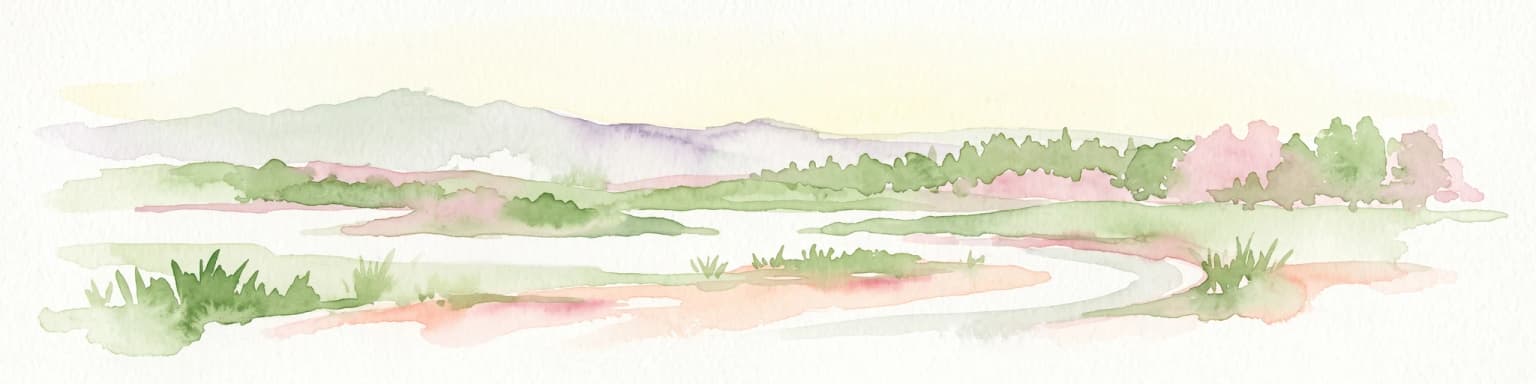
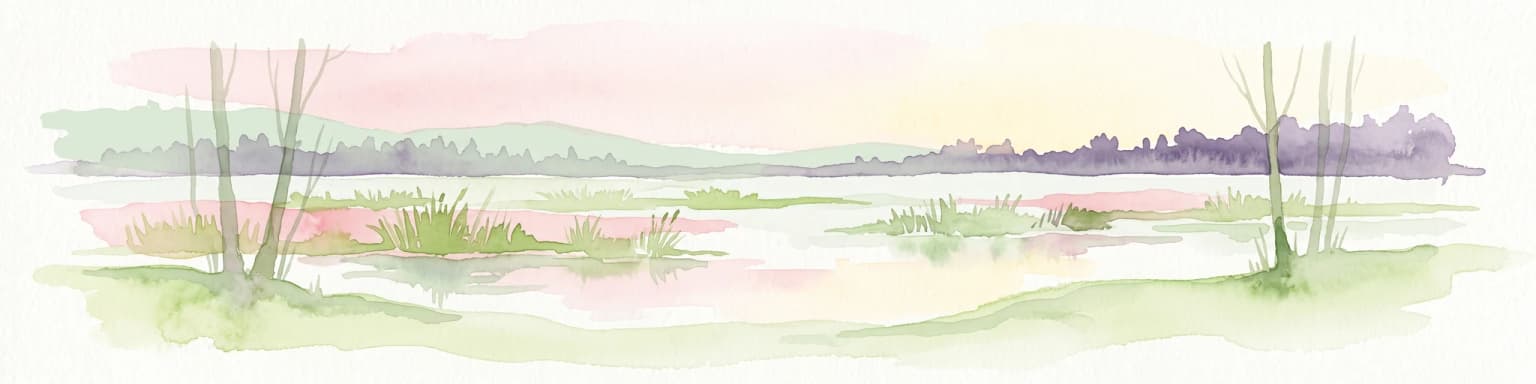
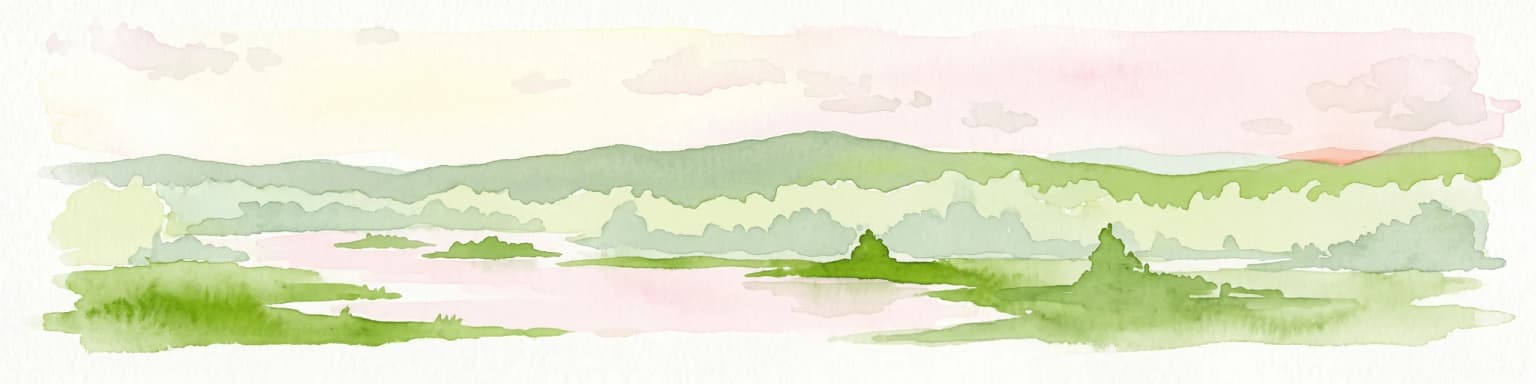
A flat lowland fen wetland in Brandenburg, historically fed by the Rhin river and still home to cranes, beavers, and otters.
Kremmener Luch
Kremmener Luch is a protected nature reserve in the Oberhavel district of Brandenburg, in northeastern Germany. It forms the historically Kremmen-portion of the broader Rhinluch, a large flat lowland fen wetland system that lies entirely within the Eberswalder Urstromtal glacial valley. Since 22 September 2009 the area has been officially designated as a Naturschutzgebiet, Germany's strictest category of nature protection, covering roughly 1186 hectares of formerly boggy, now partly agricultural landscape on either side of the Kremmener Rhin canal.
The reserve's identity is shaped by its hydrology. Originally, the area was fed by seepage water from the surrounding uplands and by the slow-flowing Rhin river, whose minimal gradient in these lowlands meant that water accumulated and peat gradually formed. Drainage began more than 300 years ago and continues today: most of the original fen landscape has been converted to farmland, but a coherent mosaic of relict wetland, open water, and meadow still survives. At its heart lies the Kremmener See, which has been under nature protection since 1924.
Although much altered by centuries of water management, the Luch retains significance for wildlife and for the broader Berlin-Brandenburg water system. Some of the Rhin's water is now carried eastward through the Ruppiner Kanal toward the Havel and ultimately to Berlin, while the wetland itself continues to provide habitat for large migratory birds such as common cranes, alongside resident mammals including beaver and Eurasian otter.