Why La Caleta Underwater National Park stands out
La Caleta Underwater National Park is best known for its exceptional coral reef diving, consistently ranked among the top five diving destinations in the Caribbean. The park's defining underwater feature is the intentionally sunk vessel Hickory, which now serves as an artificial reef habitat attracting diverse reef fish populations. The park also holds exceptional archaeological significance for its pre-Columbian burial site, where archaeologists discovered 373 skeletons of indigenous people in 1972, representing Ostionoid, Late Taíno, and Late Elenoide cultural components dating to AD 650, 750, and 840. This dual nature, combining world-class diving with significant archaeological heritage, makes La Caleta uniquely distinguished among Caribbean marine protected areas.
La Caleta Underwater National Park history and protected-area timeline
The history of La Caleta spans pre-Columbian times through modern marine conservation. When Spanish conquistadors arrived in 1492, the area was known as Herds led Toto and served as a major indigenous settlement engaged in fishing and agriculture, home to the Taíno people who had inhabited Hispaniola for centuries. The modern park's origins began in 1972 when families living around the small beach were relocated to allow excavation for what would become the Pantheon Archaeological Museum and the establishment of the national park. That same year, archaeologists discovered 373 skeletons of pre-Columbian people in a burial mound, a finding of extraordinary importance because the remains represented three cultural components that had inhabited the island: Ostionoid, Late Taíno, and Late Elenoide. Radiocarbon dating placed the remains at AD 650, 750, and 840. A second burial mound contained a child's remains suggesting ritual practices. The excavation, conducted over two years by archaeologists Morban Laucer Fernando, Luis Chanlatte Baik, and Manuel Garcia Arevalo under Dominican government auspices with researchers from the United States and Puerto Rico, led to the opening of the La Caleta Centre and Archaeological Museum in 1974 under President Joaquín Balaguer. The park itself was formally established in 1986, with the Hickory vessel intentionally sunk in 1984 to create an artificial reef and diving attraction.
La Caleta Underwater National Park landscape and geographic character
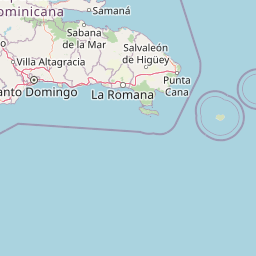
La Caleta Underwater National Park encompasses a coastal and offshore marine landscape characterized by well-developed coral reef formations along the southern Dominican Republic coast. The park's underwater terrain features coral reefs spanning depths from approximately 10 meters to 50 meters, with the deepest waters reaching 180 meters. The reef formations create a varied underwater topography including coral ridges, valleys, and slope areas that support diverse marine ecosystems. The park's location near Santo Domingo places it along a stretch of coastline that has historically been significant for settlement, with the adjacent terrestrial area containing the archaeological museum and former burial sites. The landscape combines the underwater reef environment with coastal facilities including the museum, beach areas, and access points typical of marine protected areas designed for both recreation and education. The proximity to Las Americas International Airport defines the park's accessibility and establishes its role as a destination immediately accessible to international travelers arriving in the Dominican Republic.
La Caleta Underwater National Park ecosystems, habitats, and plant life
The nature of La Caleta centers on its thriving coral reef ecosystems within the Caribbean marine environment. The park protects extensive coral reef formations between 10 and 50 meters depth, representing some of the most developed reef structures along the Dominican coast. These coral communities support diverse marine life typical of Caribbean reef systems, providing habitat, feeding grounds, and shelter for numerous fish species and invertebrates. The intentionally sunk vessel Hickory has become an artificial reef, creating additional habitat structure and attracting congregations of reef fish. The park's classification as an ecotourism destination emphasizes assessment of natural resources while educating visitors about marine conservation. The coral reef ecosystem functions as the ecological foundation for the park's significance, both for its biodiversity value and its role as a diving attraction that supports the park's tourism and conservation objectives.
La Caleta Underwater National Park wildlife and species highlights
The wildlife of La Caleta Underwater National Park centers on coral reef-associated marine species within the Caribbean ecosystem. The park's coral reefs between 10 and 50 meters depth support diverse fish communities that have colonized both natural reef formations and the artificial reef created by the sunken Hickory vessel. The reef structures provide critical habitat for numerous reef fish species, invertebrates, and other marine organisms that depend on healthy coral communities. The park's designation as a diving destination depends on the visibility and health of these reef communities, which attract divers seeking encounters with Caribbean marine life. While the source material emphasizes the reef environment and fish habitat rather than listing specific species, the underwater park clearly supports populations of reef fish and other marine organisms that inhabit the coral formations throughout the protected area.
La Caleta Underwater National Park conservation status and protection priorities
La Caleta Underwater National Park holds significant conservation importance as the only marine national park in the Dominican Republic and as a model for community-based coastal marine management. The park was established to protect exceptional coral reef ecosystems that rank among the best in the Caribbean, representing marine biodiversity of national and regional significance. The reef systems between 10 and 50 meters depth require protection from pressures including coastal development, pollution, and overfishing that threaten Caribbean marine environments. Recent management evolution has positioned La Caleta as a national model: the government awarded co-management responsibility to Reef Check Dominican Republic and local community partners, creating a collaborative approach that empowers local communities to sustainably manage coastal ecosystems while benefiting from their resources. This community-based management model aims to expand to other marine protected areas in the Dominican Republic, aligning local priorities with conservation goals. The park's dual archaeological and marine conservation significance adds another dimension to its protection value.
La Caleta Underwater National Park cultural meaning and human context
The cultural context of La Caleta Underwater National Park extends from pre-Columbian indigenous heritage to modern marine recreation. Before European contact, the area was a significant Taíno settlement known as Herds led Toto, where indigenous people practiced fishing and agriculture. The 1972 archaeological discovery of 373 pre-Columbian skeletons revealed the site's exceptional importance, with remains representing three cultural components that inhabited Hispaniola: Ostionoid, Late Taíno, and Late Elenoide. These findings, dating to AD 650, 750, and 840, illuminate the pre-Columbian history of the island and the burial practices of its indigenous peoples. The resulting Archaeological Museum preserves and displays artifacts and remains for educational purposes, providing visitors with insight into the island's indigenous heritage. This archaeological dimension complements the park's marine environment, creating a cultural landscape where pre-Columbian history and Caribbean marine ecology intersect.
Top sights and standout views in La Caleta Underwater National Park
The highlights of La Caleta Underwater National Park include its ranking among the top five diving destinations in the Caribbean, featuring coral reefs between 10 and 50 meters depth and maximum depths of 180 meters. The intentionally sunk vessel Hickory serves as the park's signature underwater attraction, functioning as an artificial reef that supports diverse reef fish populations. The Ethnological and Archaeological Museum preserves pre-Columbian artifacts and the remains of 373 indigenous individuals representing Ostionoid, Late Taíno, and Late Elenoide cultures dating to the 7th through 9th centuries AD. As the first underwater national park in the Dominican Republic and the country's only marine national park, La Caleta represents a pioneering conservation model now being replicated through community-based management partnerships with Reef Check Dominican Republic. The park's accessibility, located 20 kilometers from Santo Domingo and adjacent to the international airport, makes it one of the most visited protected areas in the country.
Best time to visit La Caleta Underwater National Park
La Caleta Underwater National Park can be visited year-round given its location in the Caribbean, where warm temperatures and diving conditions persist throughout the seasons. The park's marine environment benefits from the consistent tropical climate of the Dominican Republic, though the best diving conditions typically correspond with the drier months from December through April when visibility tends to be most favorable. The summer months from May through November bring warmer water temperatures and the possibility of increased rainfall, though diving remains viable. The park's proximity to Santo Domingo and Las Americas International Airport makes it accessible for day trips or short visits regardless of season. Visitors interested in the archaeological museum should note that the on-shore facilities operate independently of diving conditions, though combining underwater and archaeological experiences in a single visit provides the most complete picture of the park's dual heritage.