Why Los Flamencos Sanctuary stands out
Los Flamencos Sanctuary is renowned primarily for its American flamingo colonies, which represent one of the most significant nesting populations of this species in northern South America. The sanctuary provides protected breeding and feeding grounds where these distinctive pink wading birds construct mud-mound nests that can reach 60 centimeters in height. Beyond flamingoes, the wetland complex is celebrated for supporting exceptional concentrations of colonial waterbirds, making it a premier destination for birdwatching in the Caribbean region. The juxtaposition of vibrant birdlife against the backdrop of semi-arid Guajira desert creates a visually striking landscape that distinguishes this sanctuary from other coastal protected areas in Colombia.
Los Flamencos Sanctuary history and protected-area timeline
Los Flamencos Sanctuary was established in 1977 as part of Colombia's growing network of protected areas during a period of increasing environmental awareness and institutional capacity for conservation. The designation as a Santuario de Fauna y Flora (Fauna and Flora Sanctuary) reflected the Colombian government's recognition of the site as a critical habitat for significant wildlife populations, particularly colonial waterbirds. The timing of establishment coincided with broader regional conservation efforts in the Caribbean Natural Region of Colombia, where the unique combination of coastal ecosystems and endemic species required formal protection mechanisms. The sanctuary's creation also acknowledged the importance of the Guajira Peninsula's wetlands as a natural resource within one of Colombia's most culturally and environmentally distinct regions. Since its designation, the sanctuary has operated under the framework of Colombia's National System of Protected Areas (SINAP), providing institutional continuity for ongoing conservation efforts.
Los Flamencos Sanctuary landscape and geographic character
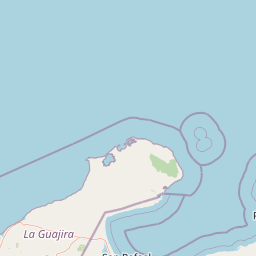
The physical landscape of Los Flamencos Sanctuary consists of a coastal wetland complex situated within the broader context of the Guajira Peninsula's semi-arid terrain. The sanctuary protects a series of interconnected lagoons, estuaries, and marshes including Manzanillo, Laguna Grande, Ciénaga del Navío Quebrado, and Tocoromanes, all of which form part of the hydrological system associated with the Tapias River. These water bodies create a mosaic of open water, submerged vegetation zones, and muddy margins that provide ideal foraging habitat for wading birds. The surrounding terrain is characterized by xerophytic scrub vegetation, indicating the broader arid conditions of the peninsula where rainfall is sparse and soils are generally nutrient-poor. The transition between the wetland areas and the dry scrubland creates a visually dramatic landscape where the pink coloration of flamingoes stands out against both the blue water and the brownish scrub backdrop. The coastal position also means the landscape is influenced by tidal cycles, adding rhythmic variation to the visual character of the sanctuary's waterways and mudflats.
Los Flamencos Sanctuary ecosystems, habitats, and plant life
The ecological character of Los Flamencos Sanctuary is defined by its coastal lagoon and marsh ecosystems, which function as highly productive habitats supporting diverse bird communities. The brackish water conditions created by the mixing of fresh water from the Tapias River with saltwater from the Caribbean support abundant populations of crustaceans, mollusks, and small fish that form the dietary foundation for colonial waterbirds. The American flamingo particularly benefits from these conditions, as its specialized filter-feeding method relies on the rich invertebrate communities inhabiting the shallow lagoon waters. The surrounding xerophytic scrubland represents a distinct habitat type characterized by drought-adapted plant species capable of surviving in the peninsula's semi-arid climate. This scrub ecosystem supports a different community of bird species adapted to drier conditions, including several endemic forms that are restricted to the Caribbean coast of northern Colombia and adjacent Venezuela. The combination of wetland and dry scrub within a relatively small protected area creates notable ecological diversity and makes the sanctuary an important site for regional biodiversity conservation.
Los Flamencos Sanctuary wildlife and species highlights
The wildlife community of Los Flamencos Sanctuary is dominated by colonial waterbirds, with the American flamingo serving as the most prominent species and primary focus of the sanctuary's conservation purpose. These large pink wading birds nest in the shallow lagoon areas, constructing characteristic mud-mound nests that can reach 60 centimeters in height, elevating the eggs above the water level during periods of higher water. The sanctuary supports significant populations of several other wading bird species including roseate spoonbills, whose distinctive spatula-shaped bills allow them to sweep through shallow waters feeding on small organisms, and great egrets, which hunt fish and invertebrates in the lagoon margins. Laughing gulls represent a common presence along the water's edge and are particularly visible at sunset when they gather in groups over the wetland waters. The xerophytic scrub surrounding the wetlands supports a different suite of bird species including the small buffy hummingbird, the ochre-colored white-whiskered spinetail, the locally distributed Tocuyo sparrow, and the striking vermilion cardinal with its brilliant red plumage. This combination of wetland-dependent and scrub-dwelling species creates a diverse bird community within a relatively compact area.
Los Flamencos Sanctuary conservation status and protection priorities
Los Flamencos Sanctuary plays a significant conservation role in the Caribbean Region of Colombia by protecting critical nesting and feeding habitat for colonial waterbirds in a region where such habitats are limited. The designation as a wildlife sanctuary since 1977 has provided institutional protection for the wetland complex, shielding it from development pressures that could otherwise transform the lagoon and marsh areas. The sanctuary's inclusion within Colombia's National System of Protected Areas (SINAP) ensures ongoing management and monitoring of the site, though the small area of 7.682 hectares means conservation focus is concentrated on a specific zone rather than a broad landscape. The protection of the American flamingo population is particularly important given the species' relatively limited breeding distribution in northern South America and the vulnerability of colony sites to disturbance. Beyond the flagship flamingo species, the sanctuary's conservation value extends to the diverse community of shorebirds, waterfowl, and scrubland birds that depend on the different habitat types within and adjacent to the protected area.
Los Flamencos Sanctuary cultural meaning and human context
Los Flamencos Sanctuary is situated within the cultural landscape of the Guajira Peninsula, a region characterized by the presence of the Wayuu indigenous people and a strong fishing heritage along the Caribbean coast. The sanctuary's location between the small fishing village of Camarones and the Tapias River places it within a landscape where human communities have historically interacted with the wetland environment. Fishing remains an important local activity, and the sustainable use of coastal and lagoon resources has traditionally supported the livelihood of communities in this part of La Guajira Department. The sanctuary's establishment in 1977 represented a formal recognition that the wetland areas held value beyond their immediate economic use, providing ecological services and biodiversity conservation benefits that warranted protected status. While the sanctuary itself is managed primarily for wildlife conservation, its existence contributes to the broader cultural identity of the region as a place where natural and cultural heritage intersect.
Top sights and standout views in Los Flamencos Sanctuary
The primary highlight of Los Flamencos Sanctuary remains the spectacular concentration of American flamingoes that nest and feed within its protected lagoon systems, with nesting mounds reaching impressive heights of up to 60 centimeters. The sanctuary offers exceptional birdwatching opportunities, providing observations of species such as roseate spoonbills, great egrets, and large flocks of laughing gulls in a compact and accessible setting. The visual contrast between the pink flamingoes, blue lagoon waters, and the brown xerophytic scrub of the surrounding peninsula creates a distinctive and memorable landscape. The sanctuary's position on Colombia's Caribbean coast provides an accessible destination for visitors interested in observing tropical wetland ecosystems in a region where such habitats are otherwise limited by the peninsula's semi-arid conditions. The combination of colonial waterbird colonies, coastal lagoon scenery, and proximity to the fishing community of Camarones offers a integrated experience combining natural spectacle with the cultural context of the Guajira coast.
Best time to visit Los Flamencos Sanctuary
The optimal period for visiting Los Flamencos Sanctuary aligns with the dry season conditions typical of the Guajira Peninsula, when lower water levels in the lagoons concentrate fish and invertebrates in shallower areas, creating ideal foraging conditions for flamingoes and other waterbirds. The dry season generally extends from December through April, offering visitors the best chance to observe active feeding and nesting behavior among colonial waterbirds. During this period, the semi-arid landscape surrounding the sanctuary is also at its most characteristic, with the contrast between the wetland and the dry scrub particularly pronounced. The cooler months from December to February may offer more comfortable conditions for daytime exploration, though the Guajira Peninsula remains warm throughout the year. Visitors interested in witnessing the full spectacle of the flamingo colonies should consider timing their visit to coincide with morning or late afternoon hours when bird activity around the lagoon margins is highest.