Why Marine National Park, Gulf of Kutch stands out
Marine National Park is best known for its extensive coral reef systems, which are among the most diverse in India, and its remarkable intertidal zones that expose vast sea floor areas during low tide. The park's 42 islands, particularly Pirotan Island, feature well-developed reef formations teeming with marine life. It hosts one of the largest greater flamingo colonies in the region, with up to 20,000 nesting pairs, and serves as a critical habitat for endangered whale sharks, multiple sea turtle species, and dugongs. The park is also notable for its dual ecosystem protection of both coral reefs and mangrove forests.
Marine National Park, Gulf of Kutch history and protected-area timeline
Marine National Park was established in 1982 when the Indian government designated a core area of approximately 110 square kilometers as a marine national park under the provisions of the Wildlife Protection Act of 1972. The protected area emerged from an earlier designation in 1980, when an area of 270 square kilometers spanning from Okha to Jodiya was declared a Marine Sanctuary. This渐进 approach to protection reflected growing recognition of the Gulf of Kutch's ecological significance and the need to safeguard its marine ecosystems from increasing industrial pressures. The establishment of the park coincided with broader conservation movements in India during the 1980s, which saw the creation of several new protected areas focused on unique ecosystems. The park's governance was assigned to the Forest Department of Gujarat, which continues to manage the marine protected area today, working to balance conservation objectives with sustainable use of marine resources.
Marine National Park, Gulf of Kutch landscape and geographic character
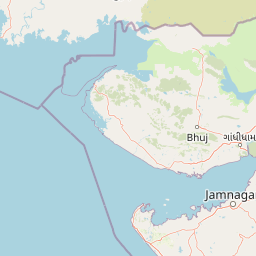
The landscape of Marine National Park is defined by its marine environment rather than terrestrial terrain. The park encompasses the shallow waters of the Gulf of Kutch, a subtropical marine inlet on India's western coast characterized by warm temperatures and moderate salinity. The 42 islands scattered along the Jamnagar coast form the park's terrestrial component, most of which are surrounded by fringing coral reefs. During low tide, the sea recedes dramatically, exposing vast stretches of sea floor and revealing the intricate reef systems beneath the surface. The islands themselves are generally low-lying and sandy, with minimal terrestrial vegetation, as the focus of protection centers on the surrounding marine environment. The coastline features extensive mudflats and mangrove areas, particularly in the estuary regions where freshwater mixing creates productive wetland habitats. The reef systems include both hard coral formations and softer coral species, creating complex underwater topography that supports diverse marine communities.
Marine National Park, Gulf of Kutch ecosystems, habitats, and plant life
The ecological character of Marine National Park centers on its coral reef and mangrove ecosystems, which together create one of India's most biodiverse marine protected areas. The coral reefs of the Gulf of Kutch support more than 40 species of hard corals and 10 species of soft corals, along with over 40 species of sponges, forming the foundation of the marine food web. These reefs create complex three-dimensional habitats that shelter countless invertebrates, fish, and other marine organisms. The mangrove forests, while less extensive than coral reefs, play critical roles in coastal protection, nutrient cycling, and as nurseries for juvenile fish and crustaceans. The warm, shallow waters of the gulf experience tropical conditions that support year-round coral growth, though the ecosystem faces challenges from temperature fluctuations and human activities. The park's biodiversity extends beyond corals to include echinoderms like starfish, sea cucumbers, and sea urchins, as well as diverse mollusks including pearl oysters and sea slugs.
Marine National Park, Gulf of Kutch wildlife and species highlights
The wildlife of Marine National Park encompasses an extraordinary diversity of marine species across multiple taxonomic groups. The park hosts over 40 species of hard corals and more than 40 species of sponges, along with 10 species of soft corals, creating underwater habitats that support immense marine life. Coral-dwelling organisms include 27 species of prawns, 30 species of crabs, lobsters, shrimps, and various other crustaceans. The fish population includes puffer fishes, sea horses, sting rays, mudskippers, and the endangered whale shark, which can be found in deeper waters. Marine reptiles are represented by three species of sea snakes and endangered sea turtles including green sea turtles, olive ridleys, and leatherbacks. Mammals include dugongs and smaller cetaceans like finless porpoises, common dolphins, bottlenose dolphins, and Indo-Pacific humpback dolphins, with larger whales such as blue whales and sei whales also present. The birdlife is spectacular, featuring a greater flamingo colony numbering up to 20,000 nests, one of the largest in the region, along with species like crab plovers, sandpipers, western reef egrets, great egrets, and numerous waders and waterfowl.
Marine National Park, Gulf of Kutch conservation status and protection priorities
Marine National Park faces significant conservation challenges despite its protected status. The fragile marine ecosystem is threatened by coral and sand extraction by cement industries operating in the region, which directly damages reef structures and removes critical habitat-forming organisms. Increased turbidity from multiple sources reduces water quality and limits light penetration essential for coral photosynthesis. The presence of oil refineries and chemical industries along the Gulf of Kutch contributes to pollution and habitat degradation. Mechanized fishing boats operating in the area cause physical disturbance to reef systems and contribute to overfishing of marine resources. Climate-related threats have manifested through catastrophic coral bleaching events that have damaged significant portions of the reef ecosystem. Currently, 31 species of corals are reported in the park, down from historical levels, and conservation efforts focus on protecting remaining coral colonies, managing human impacts, and restoring degraded reef areas. The park's designation as a marine national park provides legal protection, but enforcement remains challenging given the multiple pressures on this sensitive ecosystem.
Marine National Park, Gulf of Kutch cultural meaning and human context
Marine National Park exists within a region of Gujarat that has historical connections to maritime activities and coastal communities. The Gulf of Kutch has traditionally supported fishing communities who have depended on the marine resources of the area for generations. The islands within the park, particularly Pirotan, have been known to local fishing communities and have cultural significance as traditional fishing grounds. The region's proximity to Jamnagar, a major coastal city, has influenced both the development pressures facing the park and the local community's relationship with marine resources. The establishment of the protected area has affected traditional fishing practices in the core zones, creating both conservation benefits and socio-economic considerations for local communities who previously operated in these waters. The park's management must balance ecological protection with the livelihoods of coastal communities who have historical connections to the marine environment.
Top sights and standout views in Marine National Park, Gulf of Kutch
Marine National Park stands out as India's premier marine protected area, offering visitors the rare opportunity to walk on exposed reef flats during low tide and observe marine life in its shallow intertidal zones. The park's 42 islands, especially Pirotan, showcase well-developed coral reef systems that support remarkable biodiversity including endangered whale sharks and sea turtles. The spectacular greater flamingo colony, with up to 20,000 nesting pairs, represents one of the most significant bird populations in the region. The dual protection of coral reefs and mangrove ecosystems makes this park particularly valuable from a conservation perspective. The diversity of marine life, from sponges and corals to dolphins and whales, creates an exceptionally rich marine environment within India's territorial waters. The park provides critical habitat for several endangered species, making it important for regional biodiversity conservation.
Best time to visit Marine National Park, Gulf of Kutch
The best time to visit Marine National Park is during the winter months from October to March when temperatures are moderate and weather conditions are comfortable for boat trips and island visits. The post-monsoon period brings clearer water visibility, making underwater exploration more rewarding. However, the park's most distinctive feature, the exposed sea floor during low tide, can be experienced throughout the year with appropriate timing. Visitors should plan trips around the tidal cycles, as the dramatic low tides that reveal the reef flats occur twice daily and vary in timing. Summer months from April to June can be extremely hot, with temperatures soaring and making outdoor activities uncomfortable. The monsoon season from July to September brings heavy rainfall and rough sea conditions that may limit access to the islands. The winter months also coincide with peak bird activity, particularly for flamingos and migratory waders.