Why Medvednica Nature Park stands out
Medvednica is best known for its karst landscape and cave systems, the winter sports facilities at Sljeme that host World Cup slalom competitions, and the medieval Medvedgrad castle ruins on its southwestern slopes. The mountain's proximity to Zagreb makes it uniquely accessible as a metropolitan green space, while its speleological significance and diverse forest ecosystems distinguish it as an important nature park within Croatia's protected areas network.
Medvednica Nature Park history and protected-area timeline
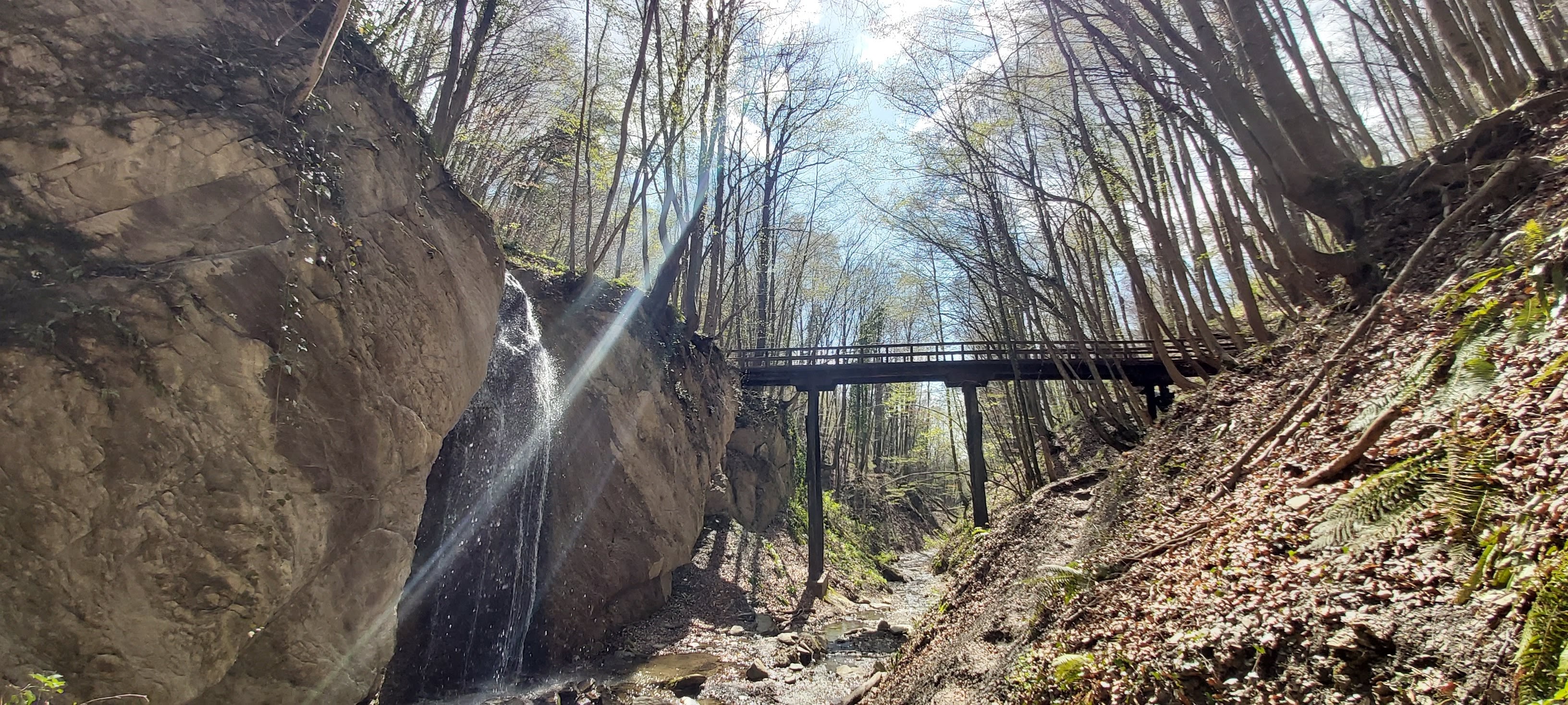
Medvednica Nature Park was formally established in 1981 when the western portion of the mountain received protected status. However, the area's significance was recognized earlier, with the Bliznec-Sumarev grob area designated as a special reserve in 1963 to protect its hydrological and natural values. The mountain has long served as a recreation area for Zagreb's population, with organized hiking and mountain tourism dating to the early twentieth century. The Tomislavov Dom mountain hut, opened in 1935 at over 1,000 meters elevation, represents one of the earliest established recreational facilities and documents the mountain's popularity as a destination even in the interwar period. The ski facilities at Sljeme have developed progressively, hosting international competitions including World Cup slalom events known as the Snow Queen Trophy. A cable car system connecting the mountain to the city operated from 1963 until 2007, when it was replaced by a modern gondola facility reopened in 2022.
Medvednica Nature Park landscape and geographic character
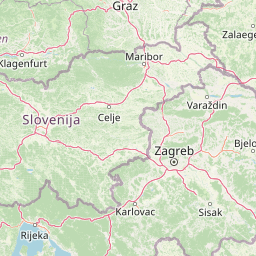
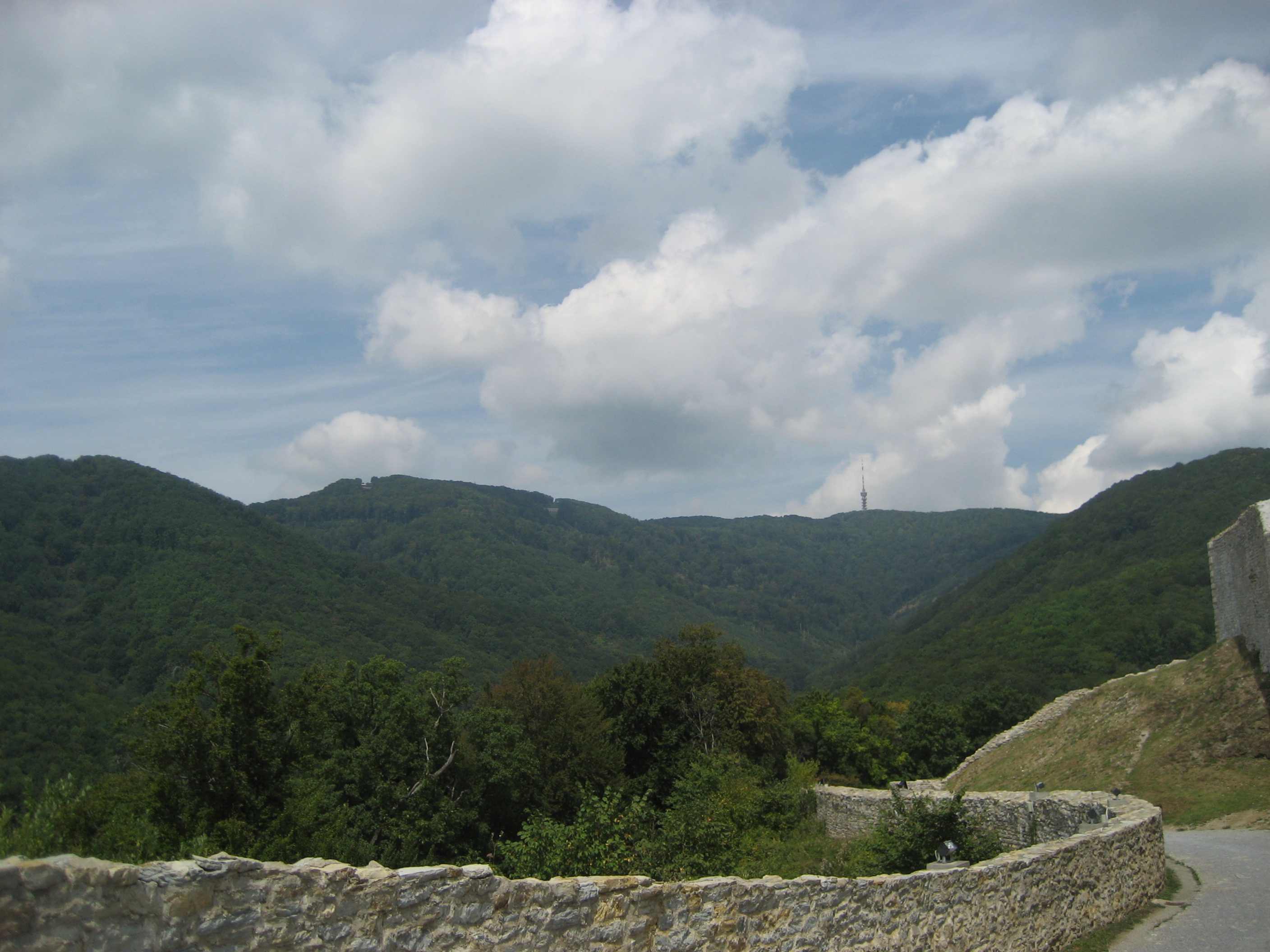
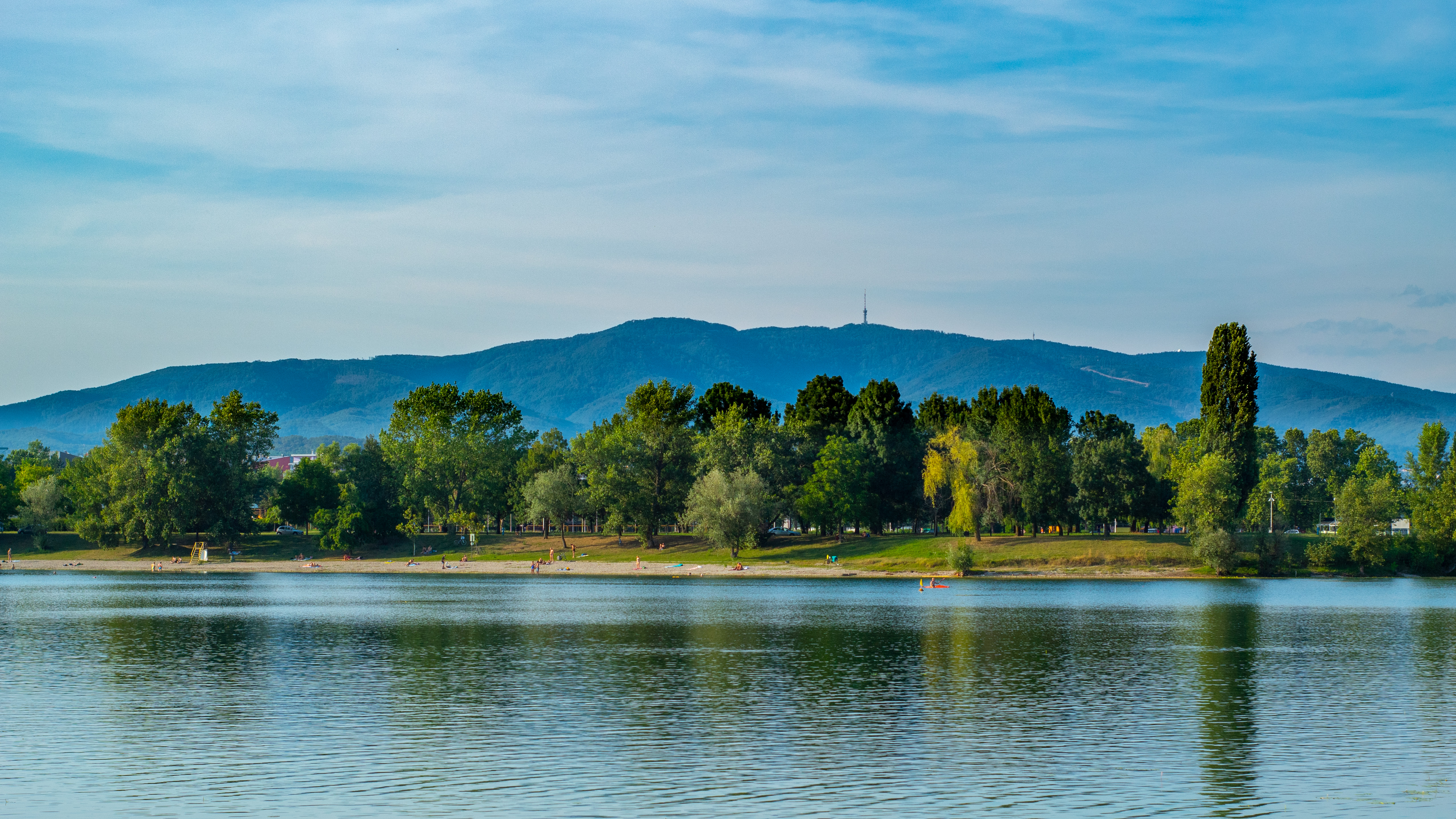
Medvednica presents a mountainous landscape of moderate elevation characterized by rounded ridges, steep valleys, and extensive karst terrain. The southwest portion of the mountain is dominated by a karst plateau featuring numerous dolines, with approximately 105 sinkholes catalogued across an area of about 15 square kilometers. The eastern side also contains significant karst outcrops including the Horvatove stube area. The landscape includes several polje or karst field depressions, the largest being Ponikve. The highest terrain centers on the Sljeme ridge, which supports the winter sports facilities and offers panoramic views extending across the Zagreb plain to the city below. Forest coverage dominates the slopes, broken by rocky outcrops and the clearings associated with mountain huts and recreational areas. Springs and small streams flow from the upper elevations, contributing to the hydrological character of the area.
Medvednica Nature Park ecosystems, habitats, and plant life
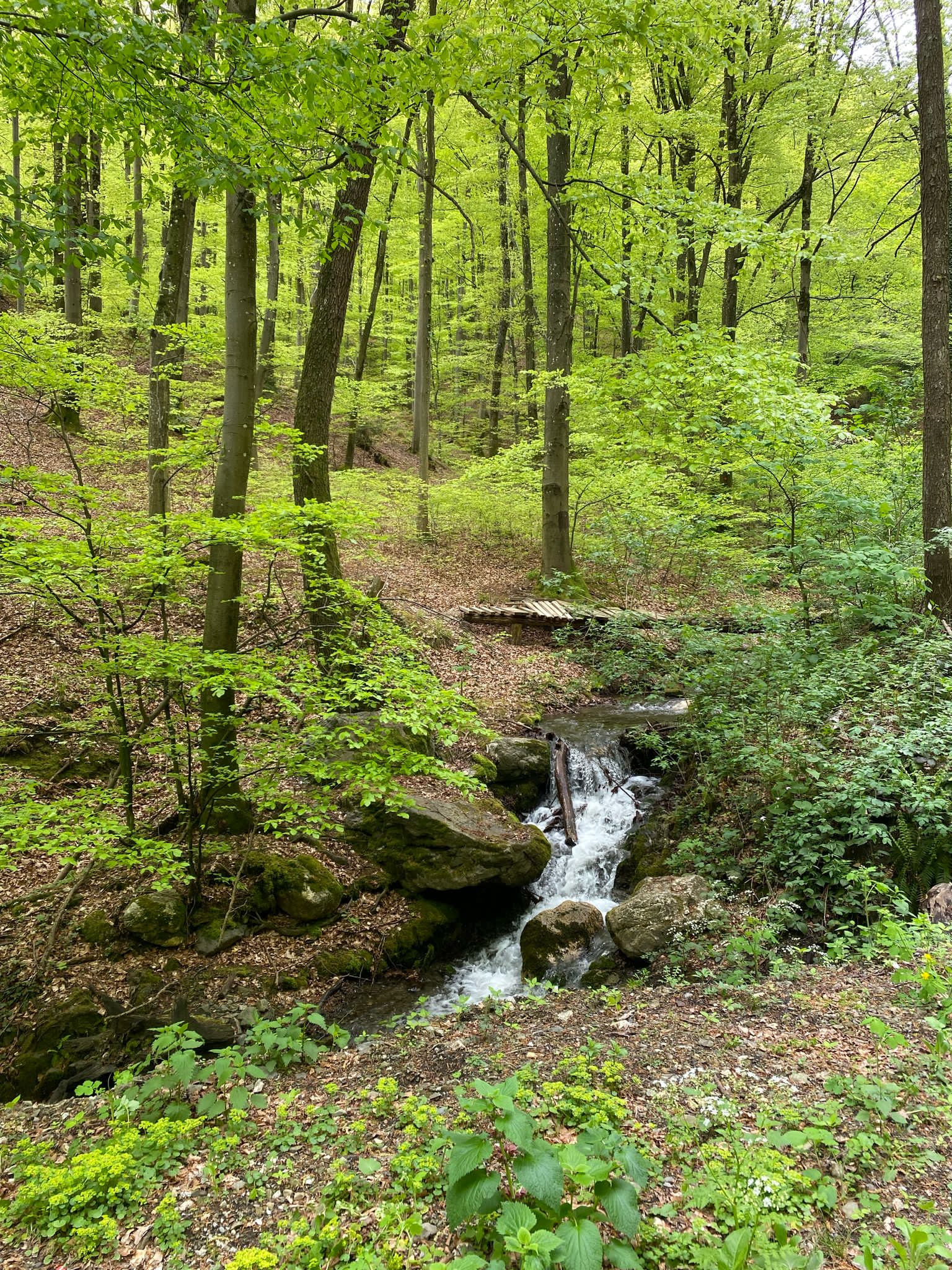
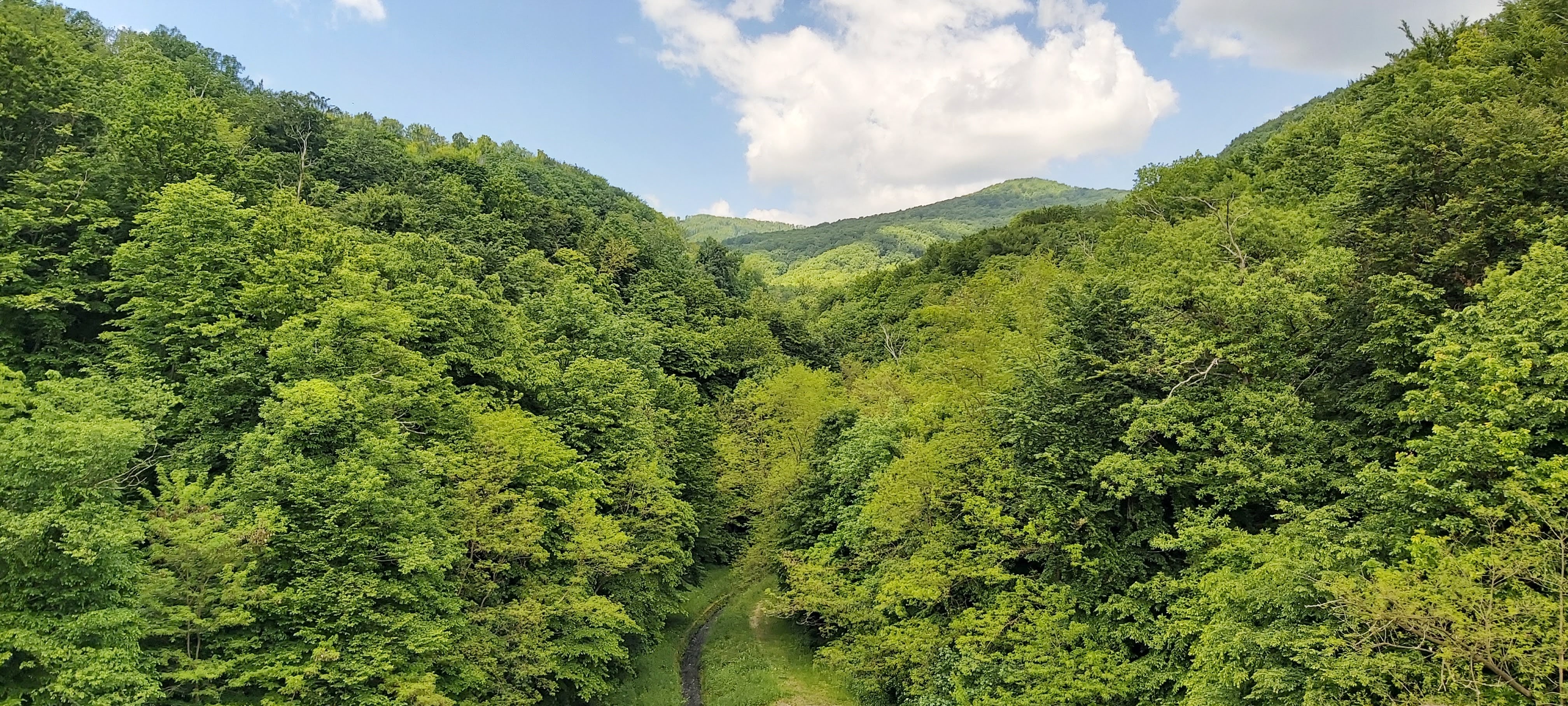
The forests of Medvednica represent the park's most significant ecological feature, organized in distinct elevation zones. Lower elevations support oak and hornbeam forests of the Epimedio carpinetum-betulu association, while middle elevations feature beech-dominated communities of the Lamio orvalae-Fagetum type. Higher elevations transition to fir-dominated forests of the Festuco drymeiae-Abietetum association. The proximity to Zagreb creates challenges from invasive species colonization, with black locust among the problematic non-native plants documented in the area. The karst geology supports specialized underground ecosystems within the cave systems. Climate conditions differ notably from the surrounding lowlands, with higher precipitation, lower temperatures, and more prolonged snow cover creating distinct ecological conditions.
Medvednica Nature Park wildlife and species highlights
The English source provides limited specific information about wildlife populations in Medvednica Nature Park. The forest environments support typical central European woodland species, though detailed species inventories are not documented in the available sources. The cave systems provide habitat for specialized subterranean fauna associated with karst ecosystems.
Medvednica Nature Park conservation status and protection priorities
Medvednica Nature Park was designated in 1981 to protect the mountain's ecological values, forest ecosystems, karst landscape, and hydrological resources. The park serves an important conservation function as a green space within the metropolitan area of Zagreb, preserving forest habitats and geological features that would otherwise face development pressure. The protected status also recognizes the area's significance as a water catchment, with the Bliznec spring area receiving specific protection since 1963. Reforestation efforts have been undertaken following storm damage, with approximately 150,000 beech and oak seedlings planted between 2013 and 2025 to restore forests damaged by the 2013 Storm Theodor and 2023 Storm Rea.
Medvednica Nature Park cultural meaning and human context
Medvednica holds cultural significance for Zagreb and the surrounding region as a beloved outdoor space closely associated with the city's identity. The medieval castle Medvedgrad, located on the southwestern slopes, represents historical built heritage within the park area. The mountain appears in Croatian literature, most notably in Miroslav Krleža's poem "Po Medvednici" included in the Ballads of Petrica Kerempuh. The Kajkavian dialect name and vocabulary associated with the mountain reflect the regional cultural identity. The Sljeme peak supports a church dedicated to the Mother of God, serving as a pilgrimage destination. The mountain's role as a recreation area has deep roots in local tradition, with established hiking trails and mountain huts supporting outdoor culture.
Top sights and standout views in Medvednica Nature Park
Medvednica Nature Park combines accessibility, ecological diversity, and recreational opportunity in a setting unique among European capital-region protected areas. The karst cave systems, particularly Veternica, represent significant speleological assets. The winter sports facilities at Sljeme rank among the premier alpine ski venues in southeastern Europe. The medieval ruins of Medvedgrad castle add historical intrigue to the natural landscape. The forest ecosystems, though facing challenges from storms and invasive species, continue to provide ecological value and scenic beauty. The mountain's cultural resonance with Zagreb's population extends through literature, tradition, and ongoing recreational use.
Best time to visit Medvednica Nature Park
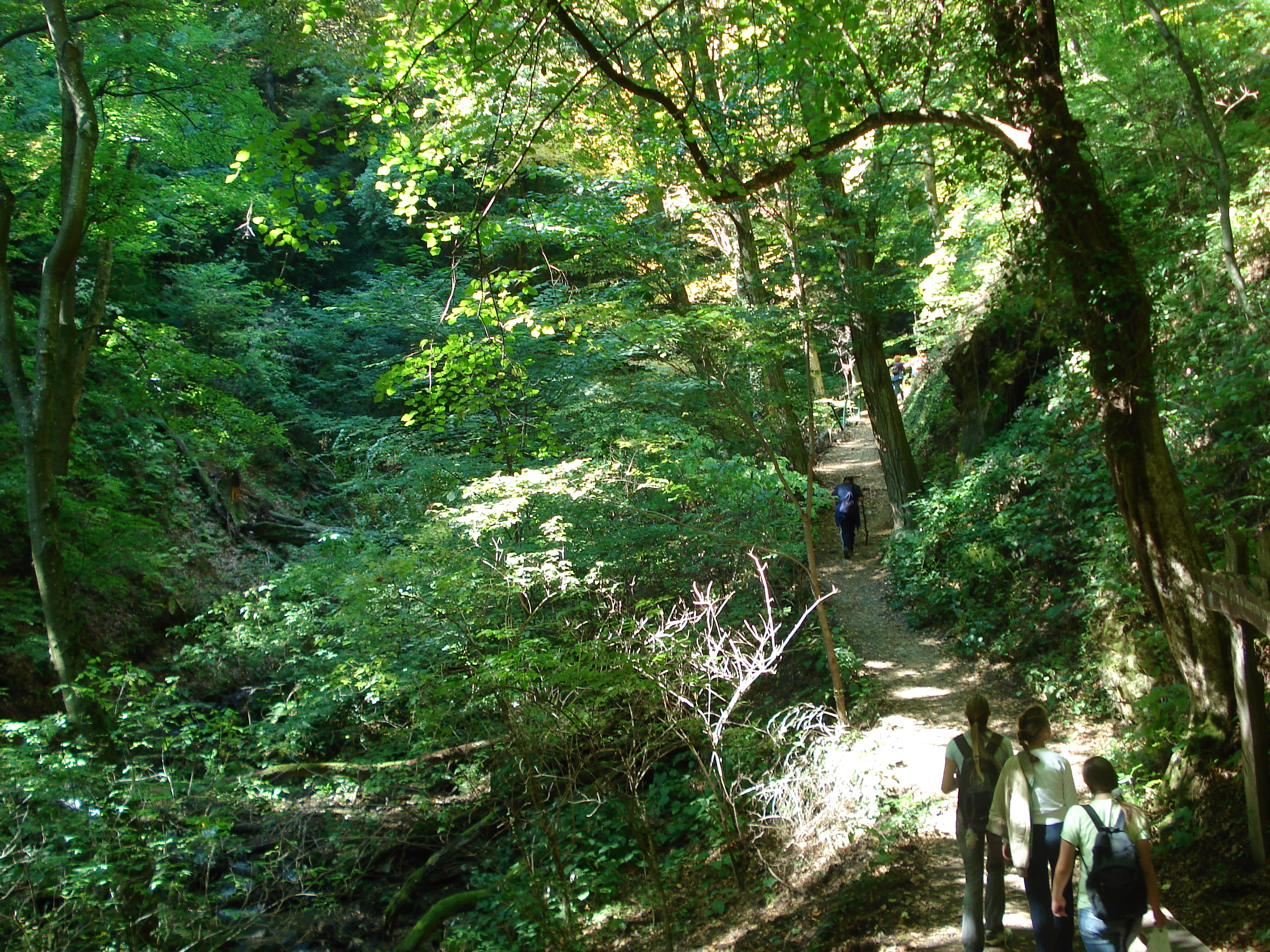
Winter and early spring represent the most characteristic seasons for Medvednica, when snow cover transforms the mountain into a winter sports destination and the climate differs most markedly from the city below. The ski season typically extends over four months with artificial snow supplementation. Summer offers pleasant conditions for hiking in the forests, though the mountain is less visited during warmer months. Autumn provides particularly scenic conditions as the deciduous forests display fall colors. The mountain receives the most visitors during weekends throughout the year, reflecting its role as a local recreation resource.