Why Mount O'Connell National Park stands out
The park is best known for its namesake mountain, Mount O'Connell, which forms the physical and symbolic heart of the protected area. The mountain and its surrounding slopes provide a distinctive landscape feature within the otherwise relatively flat Brigalow Belt terrain. Additionally, the park is notable for the presence of Atalaya multiflora, a tree species identified within its boundaries, representing the botanical diversity of this semi-tropical inland region.
Mount O'Connell National Park history and protected-area timeline
Mount O'Connell National Park was officially established in 1989 through the Queensland Parks and Wildlife Service, which continues to manage the protected area. The creation of this park aligned with broader efforts during the late 1980s to expand Queensland's national park system and protect representative samples of the state's varied bioregions. The Brigalow Belt, within which the park lies, had undergone significant land clearing for agriculture and pastoral use by this time, making protected areas like Mount O'Connell increasingly important for biodiversity conservation. The park preserves a landscape that retains much of its natural character despite surrounding development pressures in the broader region.
Mount O'Connell National Park landscape and geographic character
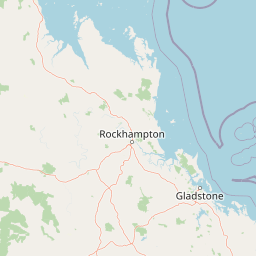
The landscape of Mount O'Connell National Park is defined by its namesake mountain, which rises from the surrounding plains of the Brigalow Belt. The terrain consists of slopes leading up to the mountain's summit, with the park encompassing portions of this elevated landform and its foot slopes. The underlying geology and soils of the area support distinctive vegetation communities that differ from the surrounding lowland areas. This combination of elevated terrain and associated habitats creates a landscape of moderate topographic variation within a region that is otherwise predominantly flat or gently undulating.
Mount O'Connell National Park ecosystems, habitats, and plant life
The nature of Mount O'Connell National Park is shaped by its location within the Brigalow Belt bioregion, a region known for its ecological diversity and complexity. The park's vegetation includes woodland and open forest communities typical of inland central Queensland, interspersed with more open grassland areas. The presence of Atalaya multiflora has been documented within the park, representing one of the notable botanical records for the area. This tree species is part of the broader flora that characterizes the Brigalow Belt's diverse plant communities. The park's position within the Shoalwater drainage sub-basin also connects it to broader hydrological systems that support additional habitat types and ecological processes.
Mount O'Connell National Park wildlife and species highlights
While detailed wildlife records for Mount O'Connell National Park are limited in the available source material, the Brigalow Belt bioregion is known to support a rich diversity of fauna. The region provides habitat for numerous bird species, reptiles, mammals, and invertebrates that have adapted to its mix of woodland, grassland, and riparian environments. The protected mountain environment within the park likely offers additional habitat complexity and microhabitats that support species not found in the surrounding cleared or grazing lands. The combination of woodland cover and elevated terrain creates conditions suitable for both forest-dwelling and more open-country species.
Mount O'Connell National Park conservation status and protection priorities
Mount O'Connell National Park contributes to the conservation of the Brigalow Belt bioregion, which has experienced significant habitat loss due to agricultural expansion and land clearing. The park protects a representative example of the region's natural landscapes, including the distinctive mountain environment of Mount O'Connell. Protected areas within the Brigalow Belt serve as important refuges for native species and help maintain ecological processes in a region where much of the original vegetation has been modified. The presence of Atalaya multiflora within the park highlights the botanical values that protected status helps preserve.
Mount O'Connell National Park cultural meaning and human context
The cultural context of Mount O'Connell National Park is not extensively documented in the available source material. The broader Brigalow Belt region has traditional associations with Aboriginal peoples, though specific cultural heritage information for the Mount O'Connell area is not provided in the source. The landscape has been part of the natural environment that has supported human communities in central Queensland over long time periods.
Top sights and standout views in Mount O'Connell National Park
The primary highlight of Mount O'Connell National Park is the mountain itself, which provides the defining character of the protected area. The park offers the opportunity to explore a distinctive elevated landscape within the generally flat Brigalow Belt terrain. The documented presence of Atalaya multiflora represents a botanical highlight, showcasing the park's contribution to regional plant diversity. The park's location within the Shoalwater drainage sub-basin connects it to broader watershed values.
Best time to visit Mount O'Connell National Park
The best time to visit Mount O'Connell National Park would typically be during the cooler, drier months of winter and spring in Queensland, from around May through October. During this period, temperatures are more comfortable for outdoor exploration and the landscape is generally less affected by summer rainfall and humidity. The dry season also typically offers clearer conditions for viewing the mountain and surrounding terrain. Summer months in central Queensland can be hot and may include periods of high rainfall, which could affect visitability and trail conditions.