Why Munzur Valley National Park stands out
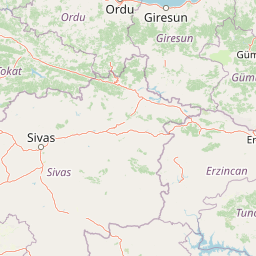
Munzur Valley National Park is best known for its exceptional plant biodiversity, with 1,518 recorded plant species including 43 endemic to the park itself and 227 endemic to Turkey. The dramatic mountain landscape of the Munzur Mountains, rising sharply from the valley floor with glacial lakes, alpine meadows, and pristine rivers, defines its scenic character. The park protects significant wildlife including chamois and bezoar ibex, brown bears, Eurasian lynx, and populations of diurnal and nocturnal birds of prey. Its status as Turkey's largest and most biodiverse national park makes it a flagship conservation area for the country.
Munzur Valley National Park history and protected-area timeline
Munzur Valley National Park was established on December 21, 1971, making it one of Turkey's earlier national parks created during the country's modern conservation movement. The park was designated primarily to protect the region's exceptional wildlife, scenic beauty, and the rich biodiversity of the Munzur Valley ecosystem. Over the decades, the park has maintained its protected status, though it has faced development pressures. In the 1980s, construction began on a hydroelectric dam on the Mercan River, which became operational in 2003 with a 20-megawatt power plant. Subsequent investigation revealed that the dam had been constructed within the national park's boundaries. More recently, plans for additional dams along the Munzur River system have raised significant conservation concerns, with the World Wildlife Fund calling for enhanced protection of the park's unique ecosystem. The Turkish government has projected further dam construction that could potentially flood substantial portions of the national park, prompting ongoing controversy about the balance between development and conservation in this ecologically critical area.
Munzur Valley National Park landscape and geographic character
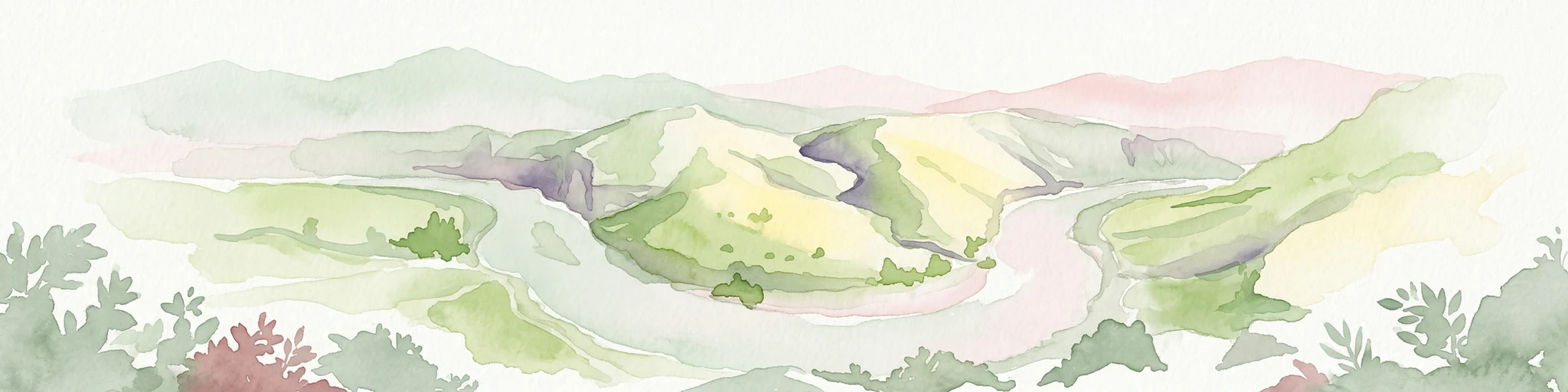
The landscape of Munzur Valley National Park is defined by the dramatic interplay between the Munzur Valley and the towering Munzur Mountains, which rise sharply to elevations of approximately 3,300 meters in the northern portion of the park. The terrain is characterized by steep mountain ridges, deep river-cut valleys, and a complex geological foundation of sedimentary, volcanic, and metamorphic rocks that have been shaped by tectonic forces over millions of years. The Mercan and Munzur rivers form the primary drainage systems, carving through the mountainous terrain and creating a network of canyons and waterfalls along their courses. At higher elevations above 1,600 meters, glacial lakes such as Lake Karagöl occupy the Mercan Valley, remnants of the region's Pleistocene glacial history. The Ovacık Plain and surrounding areas feature numerous springs and travertine deposits, indicating significant geothermal activity beneath the surface. The valley floors support mixed deciduous forests and riparian vegetation, while the higher mountain slopes transition to alpine meadows and rocky, exposed terrain.
Munzur Valley National Park ecosystems, habitats, and plant life
The ecological character of Munzur Valley National Park is exceptionally rich, positioning the protected area as one of Anatolia's most significant biodiversity hotspots. The park lies within the Eastern Anatolian deciduous forests ecoregion, supporting a complex mosaic of habitats from valley-floor riparian zones through mixed broadleaf forests to subalpine and alpine environments at higher elevations. The flora is particularly notable, with 1,518 recorded plant species documented within the park boundaries. Of these, 43 species are endemic specifically to the Munzur Mountains and 227 are endemic to Turkey, reflecting the region's status as a center of plant evolution and differentiation. The vegetation includes diverse tree species such as oak, beech, elm, ash, plane tree, birch, and cedar in the forest communities, while the understory and open areas support a wide array of wild flowering plants including tulips, hyacinths, daffodils, snowdrops, and various herbaceous species. The local climate features continental characteristics with extreme winter temperatures and variable precipitation, creating conditions that support both forest and alpine meadow ecosystems.
Munzur Valley National Park wildlife and species highlights
Munzur Valley National Park supports a diverse fauna that reflects the park's varied habitats and its position at an ecological crossroads between different zoogeographical regions. The mammal population includes several species of conservation significance, with large mammals such as brown bears, Eurasian lynx, gray wolves, and wild boars inhabiting the forests and rocky areas. Chamois and bezoar ibex represent the park's wild goat diversity, occupying the steep alpine terrain. Smaller mammals include woolly dormouse, foxes, martens, European otters, badgers, squirrels, hares, and hedgehogs. The avifauna is particularly diverse, featuring both diurnal birds of prey including eagles, vultures, falcons, buzzards, hawks, and kestrels, and nocturnal species such as eagle-owls and various owl species. Threatened bird species found in the park include black stork, bearded vulture, Egyptian vulture, griffon vulture, Caspian snowcock, and golden eagle. The rivers and streams support populations of trout, which have traditionally held economic importance for the local community. The park also includes designated areas for the protection and breeding of various game species.
Munzur Valley National Park conservation status and protection priorities
Munzur Valley National Park holds significant conservation importance as Turkey's largest and most biodiverse national park, protecting a representative sample of the Eastern Anatolian deciduous forests ecoregion and its associated biodiversity. The park's value is underscored by its exceptional plant endemism, with 43 species found nowhere else in the world and 227 species endemic to Turkey. However, the protected area faces serious conservation challenges from proposed infrastructure development. The Mercan River hydroelectric dam, constructed within the park boundaries and operational since 2003, represents an intrusion into the protected area. More concerning are plans for additional dams along the Munzur River system, which could flood large portions of the park. The World Wildlife Fund has advocated for stronger protection of the park's unique ecosystem, noting that continued dam development would endanger the very values that motivated the park's establishment. Turkish law prohibits construction within national parks and forest protection zones, yet dam projects have proceeded, creating ongoing tension between development pressures and conservation objectives.
Munzur Valley National Park cultural meaning and human context
The cultural landscape of Munzur Valley National Park is intimately connected to the local Alevi communities who have inhabited this region for centuries. The Alevi population, whose religious beliefs incorporate a profound respect for nature and the protection of natural spaces, have contributed significantly to the preservation of the landscape both within and beyond the formal park boundaries. This spiritual relationship with the land has helped maintain the ecological integrity of the region despite its remote and challenging terrain. The valley has historically served as a homeland for these communities, with traditional land use practices that have coexisted with the natural environment rather than exploiting it. The park's establishment in 1971 represented recognition of values that local communities had long protected through their cultural practices.
Top sights and standout views in Munzur Valley National Park
The Munzur Valley offers exceptional natural highlights including the dramatic Munzur Mountains rising to 3,300 meters, glacial lakes above 1,600 meters in the Mercan Valley, the pristine Munzur and Mercan rivers with their waterfalls and canyon sections, and the extraordinary plant biodiversity with hundreds of endemic species. The park provides habitat for iconic wildlife species including brown bears, Eurasian lynx, chamois, and bezoar ibex, as well as diverse birdlife featuring numerous birds of prey. Recreational opportunities include rafting on the Munzur River, mountaineering in the mountains, hiking along forest trails, camping, and sports fishing. The northern Mercan Valley offers excellent trekking possibilities, while southern areas provide forested settings suitable for camping and picnicking.
Best time to visit Munzur Valley National Park
The optimal visiting window for Munzur Valley National Park spans from mid-June through late August, corresponding to the period when the harsh continental winter conditions have eased and the park's mountain trails become accessible. The climate features extreme winter temperatures and heavy snowfall, making the summer months the only practical time for most visitors to access the higher elevation areas and engage in outdoor activities. During this brief summer season, the park offers the full range of recreational opportunities including hiking, mountaineering, water sports, and wildlife observation. The brief window reflects the challenging environment of eastern Anatolia, where the continental climate creates dramatic seasonal contrasts that significantly influence accessibility and visitor experience.