Why Northern Pindus National Park stands out
Northern Pindus National Park is best known for the Vikos Gorge, a limestone canyon often cited among the deepest in the world relative to its narrow width, and for the broader rugged scenery of the Tymfi massif. The park is also recognized for its diverse mountain wildlife, including brown bears, wolves, jackals, chamois, and golden eagles, as well as for the traditional stone villages of Zagori scattered throughout its valleys. The combination of deep gorges, alpine lakes such as Drakolimni, dense beech and oak forests, and centuries-old cultural heritage makes it one of the defining mountain landscapes of Greece.
Northern Pindus National Park history and protected-area timeline
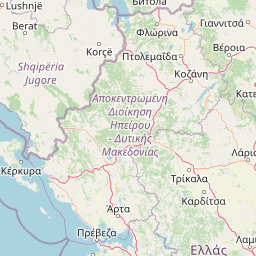
Northern Pindus National Park has its roots in two separate Greek national parks, each established to protect a different part of the Pindus range in Epirus. The older of the two, the Pindus-Valia Calda National Park, was created in 1966 to protect the forest and mountain habitats around the Valia Calda valley, a name that means 'warm valley' in the local Aromanian language. The second, the Vikos-Aoos National Park, was established in 1973 to safeguard the dramatic Vikos and Aoos gorges along with the surrounding mountain terrain, including the Tymfi massif.
In 2005 these two parks were merged into a single protected area under the name Northern Pindus National Park, formalizing what had been overlapping conservation work in the region. This consolidation effectively created one of the largest and most significant mountain national parks in Greece, combining the deep gorges and traditional villages of the Vikos-Aoos area with the broader Pindus forests of the Valia Calda area. The merged park was subsequently recognized as a Global Geopark and later received UNESCO Global Geopark status in the mid-2010s, recognizing the importance of its geological heritage in addition to its ecological value.
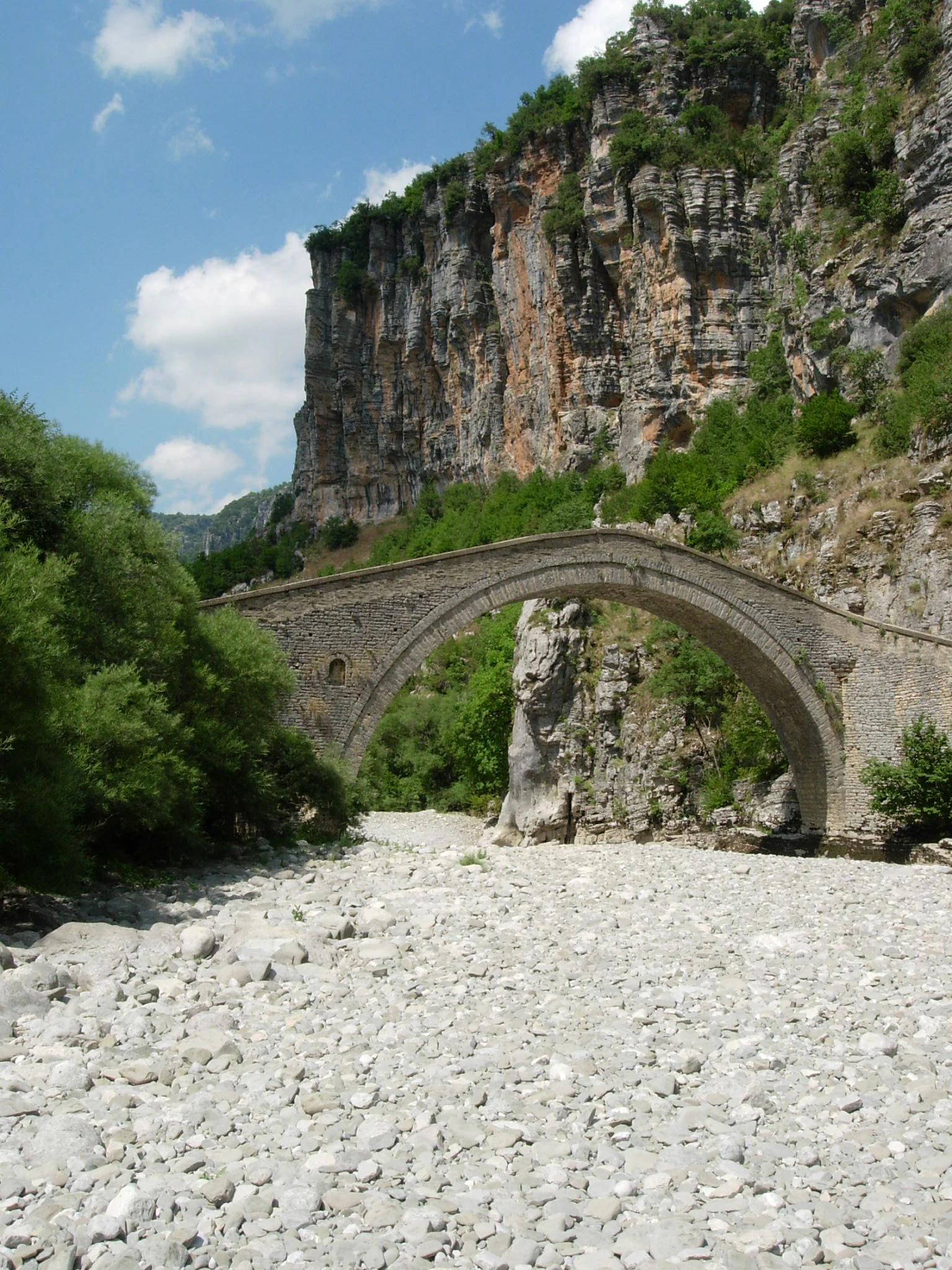
The Zagori villages within and around the park have a much longer human history. Stone arched bridges, monasteries such as the Monastery of Agios Ioannis Roggovou near Tsepelovo and the historic Spiliotissa Monastery, and traditional settlements all reflect centuries of human habitation and land use within what is now a strict conservation area. The park administration has sought to balance the protection of fragile ecosystems with preservation of the cultural identity of these mountain communities.
Northern Pindus National Park landscape and geographic character
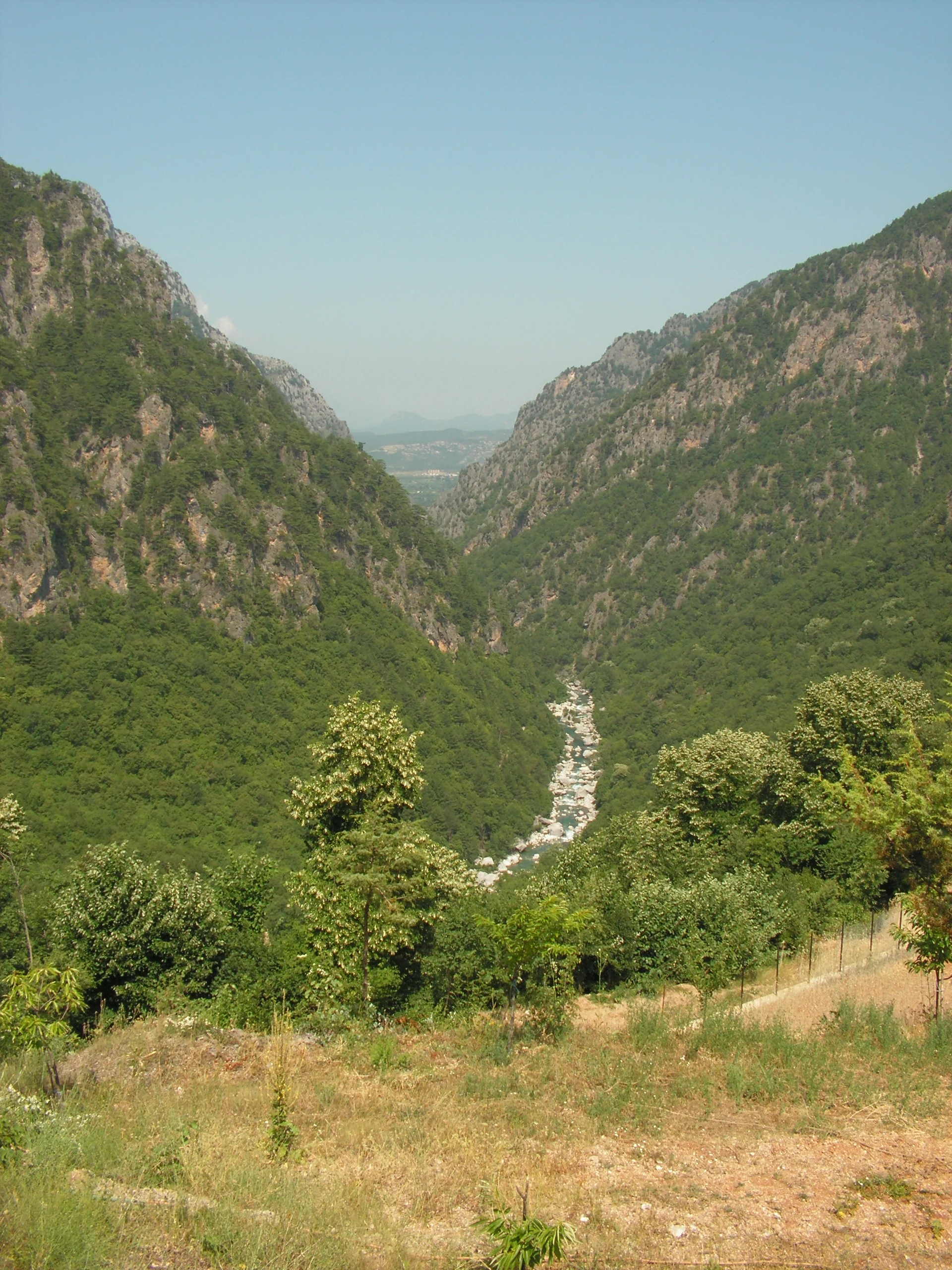
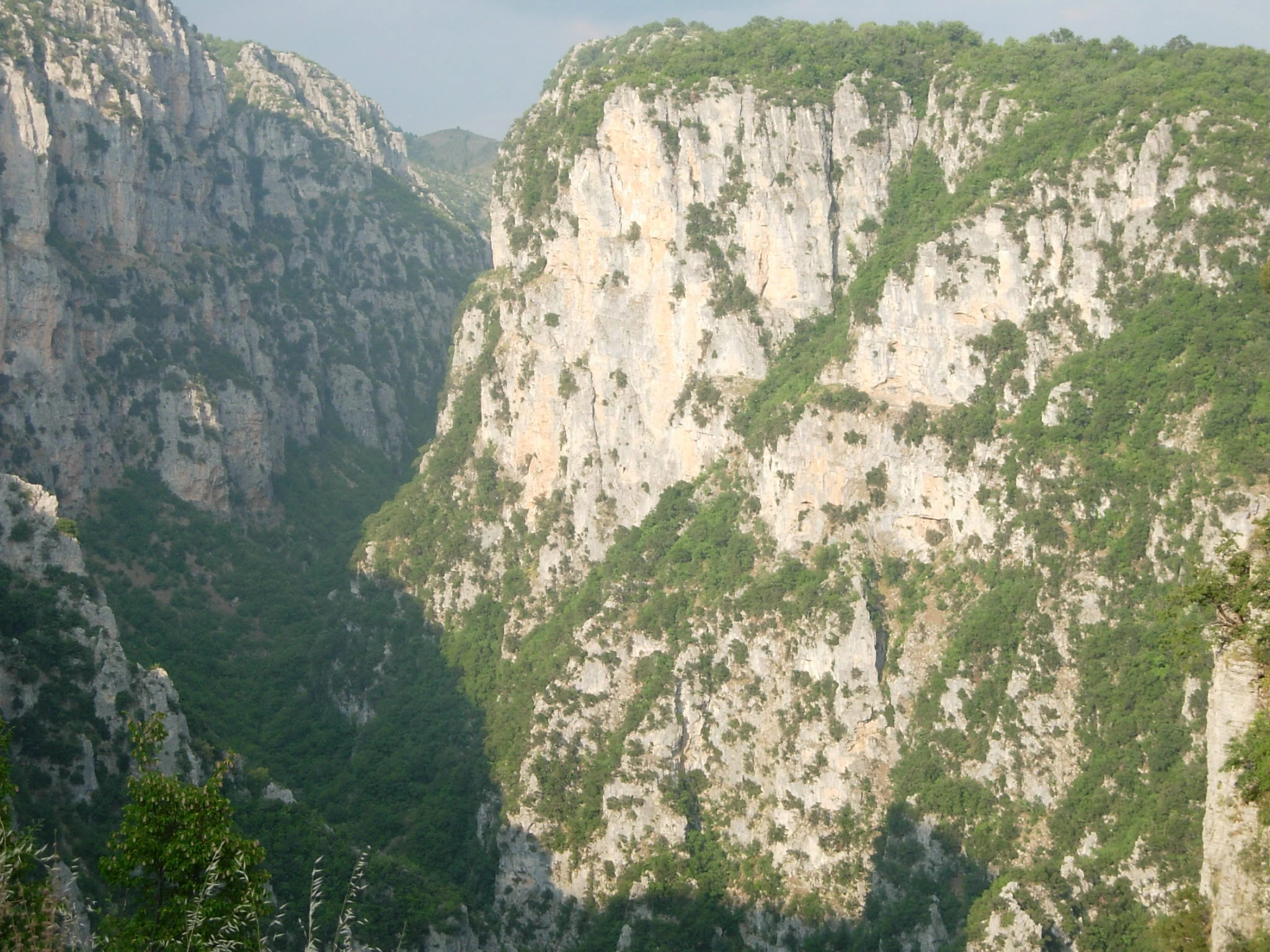
The landscape of Northern Pindus National Park is dominated by the rugged terrain of the Pindus range, where steep limestone ridges, deep river gorges, forested valleys, and high alpine plateaus combine to create one of the most striking mountain environments in Greece. The Vikos Gorge is the park's signature landform: a long, narrow canyon carved by the Voidomatis River, flanked by cliffs and dense forest, widely recognized for its exceptional depth relative to its width. Parallel to it, the Aoos Gorge is another dramatic canyon system formed by the Aoos River, with its own distinct combination of vertical cliffs and forested slopes.
Beyond the gorges, the Tymfi massif rises above the park's valleys, with peaks including Astraka and the locally known Gamila, the highest summit in the area. The massif hosts the Drakolimni, a small glacial lake in a high alpine basin, and a network of caves and sinkholes formed by erosion of the limestone bedrock, including the deep Provatina abyss. Stone formations near Monodendri, sometimes referred to as a 'stone forest', produce an unusual layered rock landscape above the gorge.
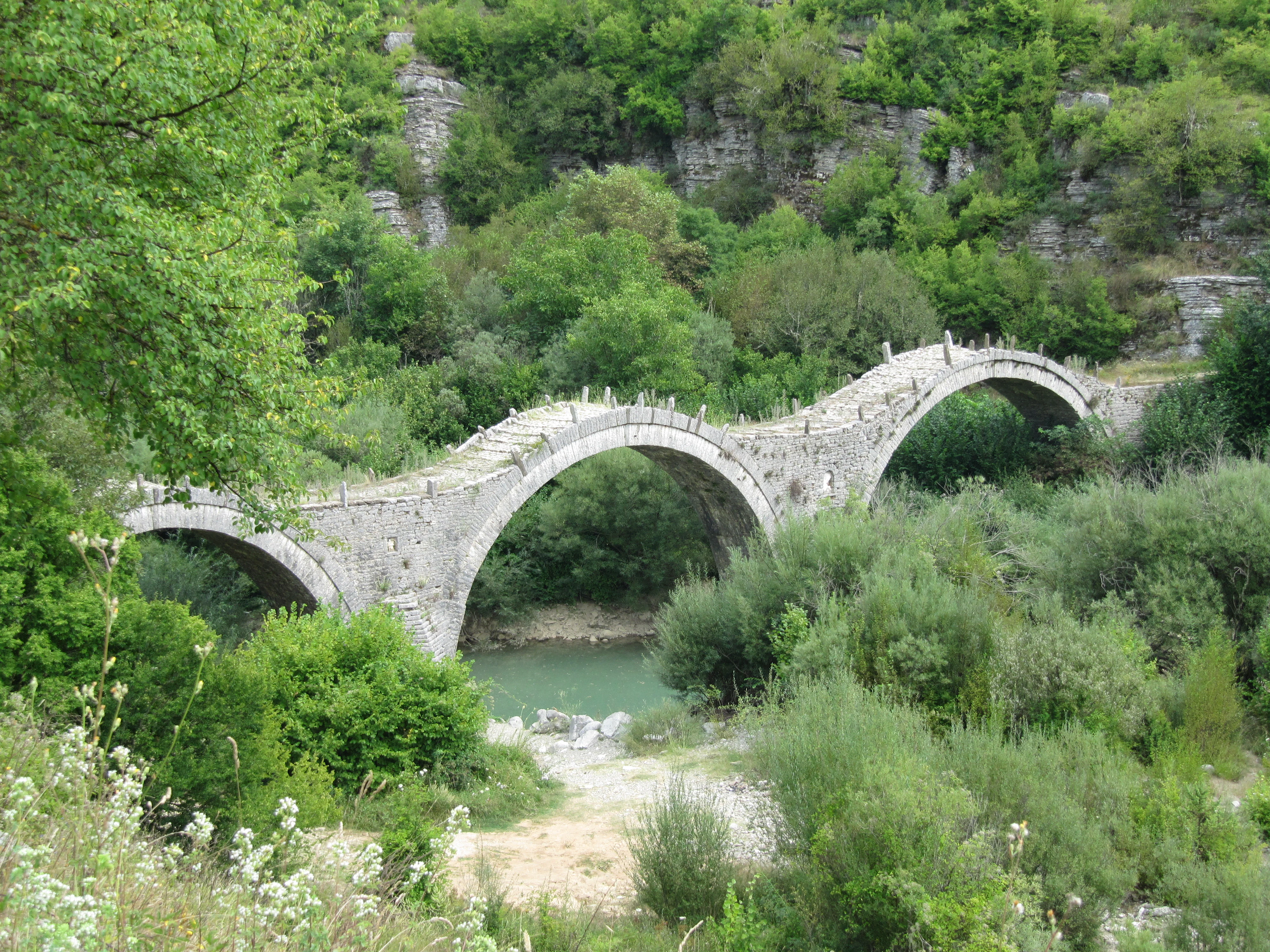
At lower elevations, the park's valleys host the traditional villages of Zagori, with their stone houses, slate roofs, and arched bridges across rivers such as the Voidomatis, Aoos, Vardas, and Zagoritikos. Together these elements, gorges, peaks, alpine lakes, forested slopes, and stone villages, form a single tightly connected mountain landscape in which geological processes and human history are visibly intertwined.
Northern Pindus National Park ecosystems, habitats, and plant life
The ecology of Northern Pindus National Park reflects its position at the transition between Mediterranean and continental mountain climates, producing an unusually broad range of habitats within a relatively compact area. In the lower valleys and along the rivers, dense forests of plane trees, willows, poplars, and beech line the waterways, while oaks and related deciduous species dominate the mid-elevation slopes. Above the treeline, the landscape opens into alpine meadows, exposed limestone, and rocky terrain shaped by glacial and karst processes.
The park has recorded a large number of plant species and subspecies, with notable concentrations of endemic and rare Balkan taxa growing on its cliffs, meadows, and woodland edges. The combination of deeply shaded gorges, sun-exposed slopes, and high-altitude sites supports an exceptionally varied flora, and the region has long been studied for its medicinal plants, especially in and around the Vikos Gorge.
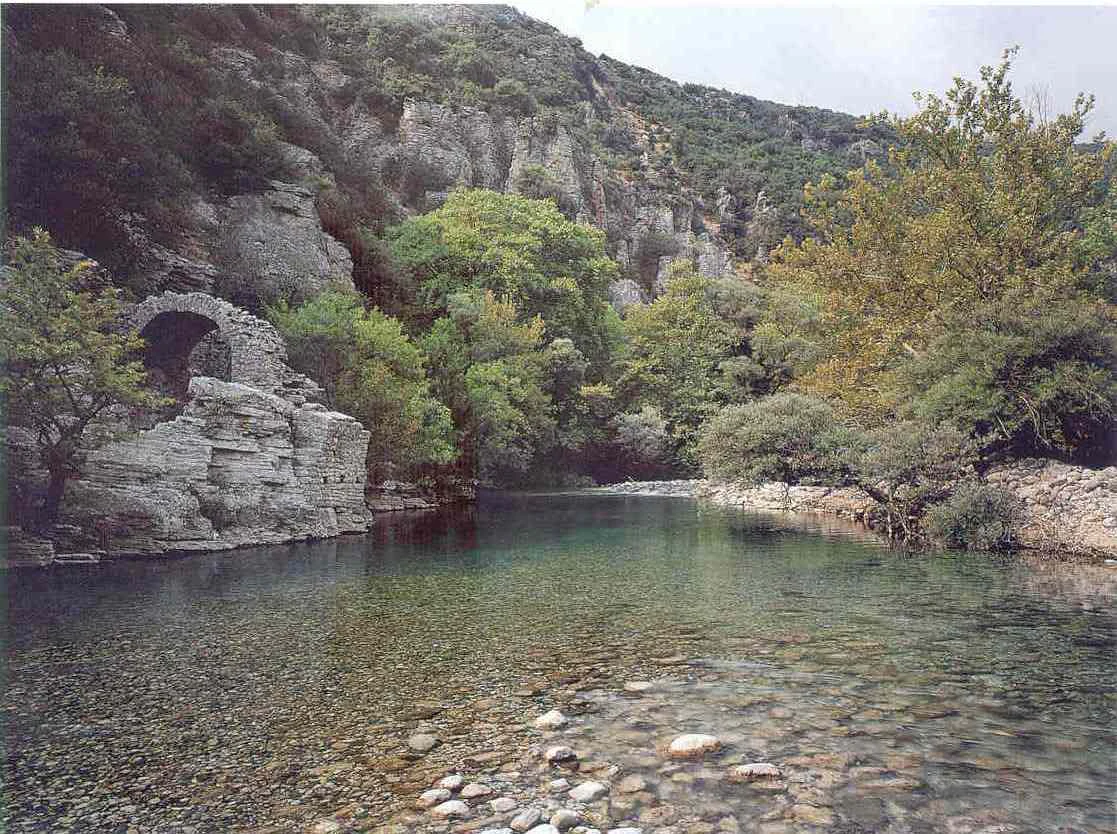
Freshwater ecosystems are equally important. The Voidomatis and Aoos rivers and their tributaries are renowned for the clarity of their waters and for the biodiversity they support, including fish, amphibians, crustaceans, and river birds. Springs along the Voidomatis are a notable hydrological feature, and the broader catchment plays a central role in shaping the downstream ecology of Epirus. Together, these terrestrial and aquatic systems give the park a layered ecological identity, from gorge and forest to alpine plateau and lake.
Northern Pindus National Park wildlife and species highlights
Wildlife is one of the defining features of Northern Pindus National Park. The area is home to a strong community of large mammals, including brown bears and gray wolves, both of which use the park's extensive forests and remote valleys as core habitat. Roe deer and wild boar roam the wooded slopes, while chamois and wild goats cling to the steeper cliff faces and rocky ridges above. Smaller carnivores such as the European wildcat, the Eurasian lynx, stone martens, and the golden jackal, which has one of its few remaining strongholds in Greece and the Balkans here, are also present.
The park's rivers support a distinct freshwater fauna species including the European otter, along with amphibians, reptiles, insects, and fish adapted to cold, clean mountain waters. Birdlife is exceptionally rich, with raptors such as the golden eagle and the rare Egyptian vulture nesting on the cliffs, alongside a wide variety of woodland and alpine species, including several woodpeckers and high-elevation songbirds.
A particularly unusual wildlife feature is the alpine newt, which in Greece occurs only in high-elevation habitats such as those around Drakolimni on the Tymfi massif. The combination of large carnivores, cliff-nesting raptors, freshwater specialists, and high-altitude amphibians makes the park a key refuge for some of the rarest and most emblematic species of the Balkans.
Northern Pindus National Park conservation status and protection priorities
Northern Pindus National Park holds an especially important place in Greek and European conservation. It is classified as an IUCN Category II national park, includes a UNESCO-recognized Global Geopark, and forms part of the Natura 2000 network as a Special Area of Conservation, reflecting its combined ecological and geological significance. The park's deep gorges, extensive beech and oak forests, and high-altitude habitats support populations of brown bears, wolves, and other large mammals that depend on connected, low-disturbance landscapes, making it a critical refuge in a region where such habitats have otherwise become fragmented.
Beyond its role for wildlife, the park protects a striking karst landscape with numerous caves, sinkholes, and glacial landforms. The Drakolimni alpine lake and deep abysses such as Provatina represent rare geological and hydrological features that are central to the park's identity as a Global Geopark. Strict regulations limiting activities like grazing and logging inside the core zone aim to maintain the integrity of these systems.
Although economic pressures, including historical logging, road development, and changing land use in surrounding villages, have at times affected the broader area, the park's protected status and its integration into European conservation networks have helped anchor long-term efforts to preserve both its biodiversity and its geological heritage.
Northern Pindus National Park cultural meaning and human context
Northern Pindus National Park overlays the heart of the Zagori region, one of the most culturally distinctive mountain areas of Greece. The area is home to a network of traditional stone villages, known collectively as Zagorochoria, whose houses, churches, and stone-paved paths are built entirely from local stone and slate. These villages have been formally recognized for their architectural value and continue to shape the cultural identity of the park.
The villages are also connected by a remarkable system of arched stone bridges built across the rivers and gorges, financed in many cases by wealthy emigrant Zagorisians from the 17th century onward. Famous examples include the Kokkorou Bridge and the triple-arched Plakidas Bridge, which remains a defining image of the park. Scattered monasteries, water mills, and chapels, including the Monastery of Agios Ioannis Roggovou near Tsepelovo and the Spiliotissa Monastery overlooking the Vikos Gorge, reflect the long religious and community history of the region.
Traditional livelihoods in Zagori centered on forestry, livestock keeping, and trade, and local knowledge of wild plants was historically significant; so-called Vikos doctors used herbs from the gorge for healing into the 20th century. Today, this heritage is preserved as an integral cultural layer of the park, alongside the natural environment it has long been intertwined with.
Top sights and standout views in Northern Pindus National Park
Among the park's most distinctive features are the Vikos Gorge, often recognized as one of the deepest canyons in the world relative to its narrow opening, and the adjacent Aoos Gorge, with the Aoos River cutting its own dramatic corridor through the limestone terrain. The high peaks of the Tymfi massif, including the locally named Gamila, host the glacial Drakolimni lake and a network of deep karst features such as the Provatina abyss.
The protected area also contains some of the most important wildlife habitat in the Balkans for brown bears and wolves, alongside breeding populations of golden eagles and rare Egyptian vultures. The traditional stone villages of Zagori and their historic bridges and monasteries add a cultural dimension that is inseparable from the natural landscape. Together these elements, gorges, peaks, alpine lakes, forests, wildlife, and stone villages, define the park's distinctive identity as a mountain protected area.
Best time to visit Northern Pindus National Park
Northern Pindus National Park is a high-mountain protected area where seasonal conditions strongly affect both access and atmosphere. Spring and early summer are typically the most attractive periods: the alpine meadows above the treeline come into bloom, the rivers run full from snowmelt, and the villages and gorges are at their most photogenic. Summer remains pleasantly cool in the higher elevations compared to much of Greece, and is well suited to hiking, gorge trekking, and rafting on the Voidomatis and Aoos.
Autumn brings strong color to the beech and oak forests and a quieter atmosphere, though rainfall increases. Winter brings heavy snow to the higher elevations, with snow cover lasting for many months at altitude, which can limit access to some alpine trails and mountain refuges. Visitors interested primarily in the gorges, villages, and lower forest zones will generally find the warmer months easiest, while those drawn to snow scenery and alpine landscapes must expect more challenging conditions.