Why Papuk Nature Park stands out
Papuk is distinguished by its status as Croatia's premier geological heritage site. The Papuk Geopark was the first in Croatia to achieve membership in the UNESCO Global Geoparks Network, recognized for its exceptional geological diversity spanning Precambrian rocks to Quaternary deposits. The mountain's distinctive ridgeline features prominent peaks including Točak, Ivačka glava, and Češljakovački vis, creating a dramatic skyline visible across the Slavonian plain. The area is also notable for the Sokoline stijene rock formation, an unusual exposed limestone cliff system near Gornji Vrhovci that stands apart from the typically forested Slavonian highlands. The combination of geological significance, substantial forest cover, and recreation infrastructure makes Papuk a unique destination within Croatia's protected areas.
Papuk Nature Park history and protected-area timeline
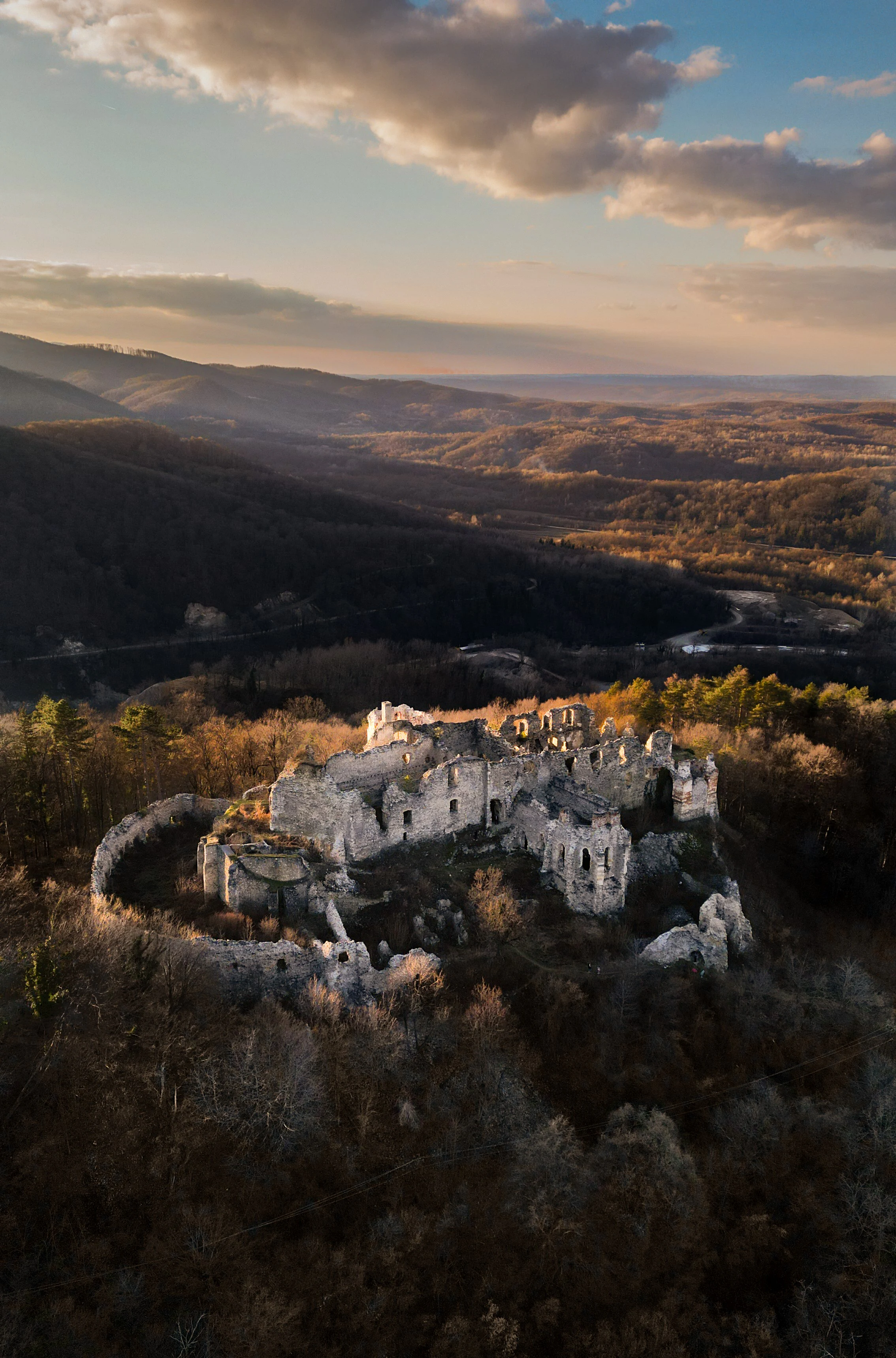
The Papuk area has a documented history extending to the medieval period, when the mountain was known as Požeški Snježnik in historical documents. The name Papuk itself has uncertain etymological origins—proposed derivations include a Celtic root combined with an Indo-European term meaning big, or alternatively a Pre-Indo-European hydronym related to flowing water. The modern protected-area history began in 1999 when Papuk was officially designated as a nature park, establishing formal conservation protection for the mountain's natural values. A landmark achievement followed in 2007 when Papuk Geopark became the first Croatian area to join the European Geoparks Network and the UNESCO Global Geoparks Network, recognized for its exceptional geological heritage. The geopark status was renewed by UNESCO in 2011 for a four-year period, confirming the international significance of Papuk's geological character. During the Croatian War of Independence in 1991, Papuk was among the first occupied territories to be liberated by Croatian forces. The area was freed during Operation Orkan '91 in December 1991, when the 136th Slatina Brigade of the Croatian Army, supported by units from Požega, Virovitica, Našice, Bjelovar, and Čakovec, successfully liberated the former Podravska Slatina municipality area. A memorial cross at Jankovac commemorates Croatian defenders who died during the liberation.
Papuk Nature Park landscape and geographic character
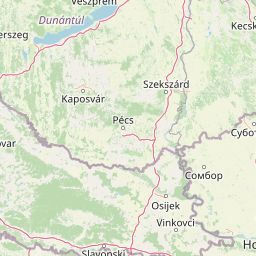
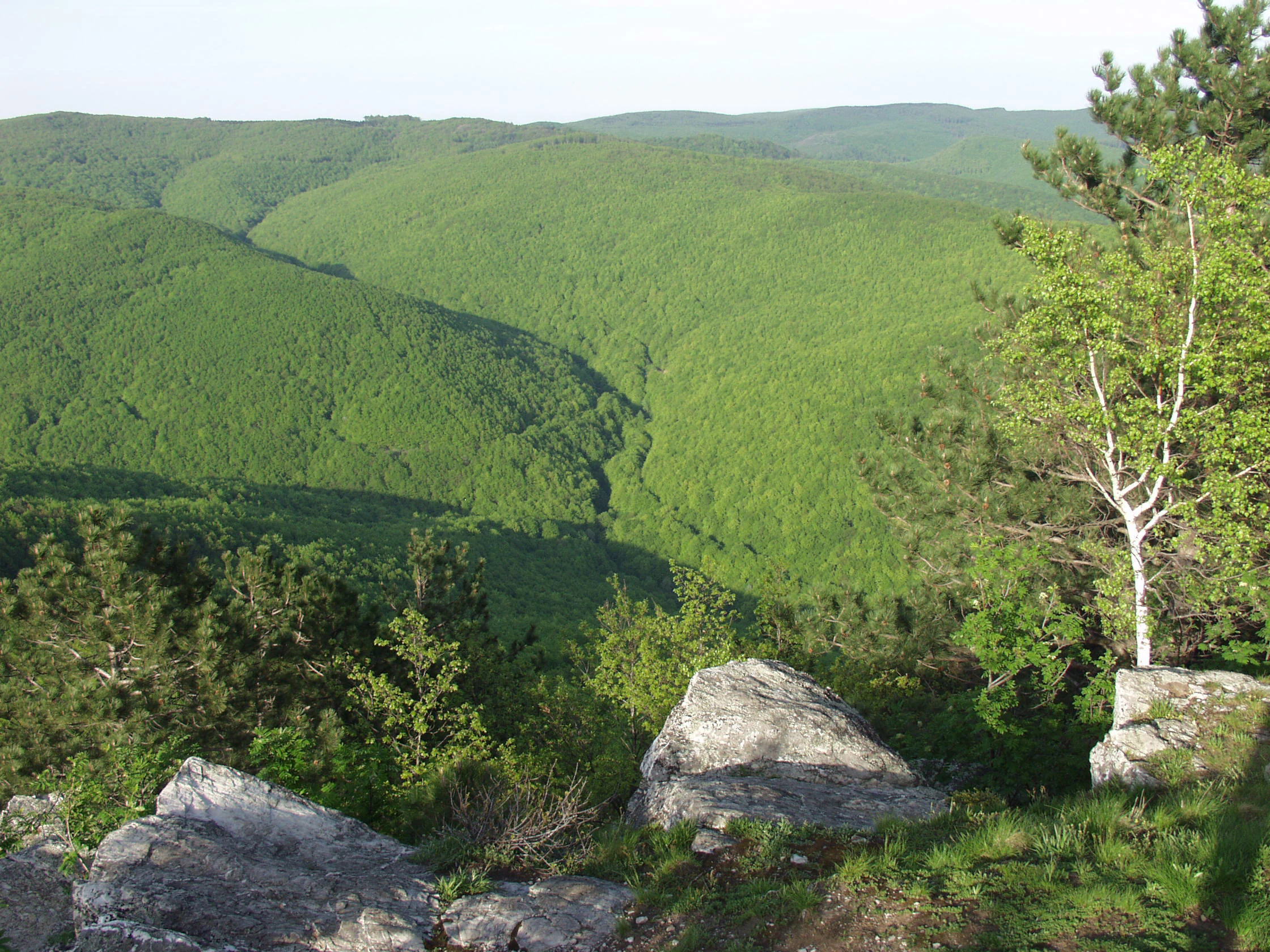
The landscape of Papuk Nature Park is defined by a series of parallel ridges and valleys that create a complex topography unlike the more uniform rolling hills of the surrounding Slavonian plain. The main ridge runs approximately 20 kilometers from west to east, with the highest points concentrated in the central section. The principal peaks include Papuk at 953 meters, Ivačka glava at 913 meters, Točak at 887 meters, Češljakovački vis at 820 meters, and Kapovac at 792 meters. These peaks form a continuous drainage divide, with streams flowing northward to the Drava river system and southward to the Sava. The terrain features numerous spurs extending from the main ridge, creating a landscape of alternating ridges and valleys. The valley floors and lower slopes are extensively forested, while the more prominent rock formations such as the Sokoline stijena near Gornji Vrhovci provide exposed cliff features reaching 564 meters in height. These rocks are unusual in the Slavonian context—bare, smooth, and nearly vertical, standing in contrast to the otherwise heavily forested character of the highlands. The surrounding lowlands sit at approximately 100 meters above sea level, making the 800 to 950 meter peaks of Papuk highly visible landmarks across the region.
Papuk Nature Park ecosystems, habitats, and plant life
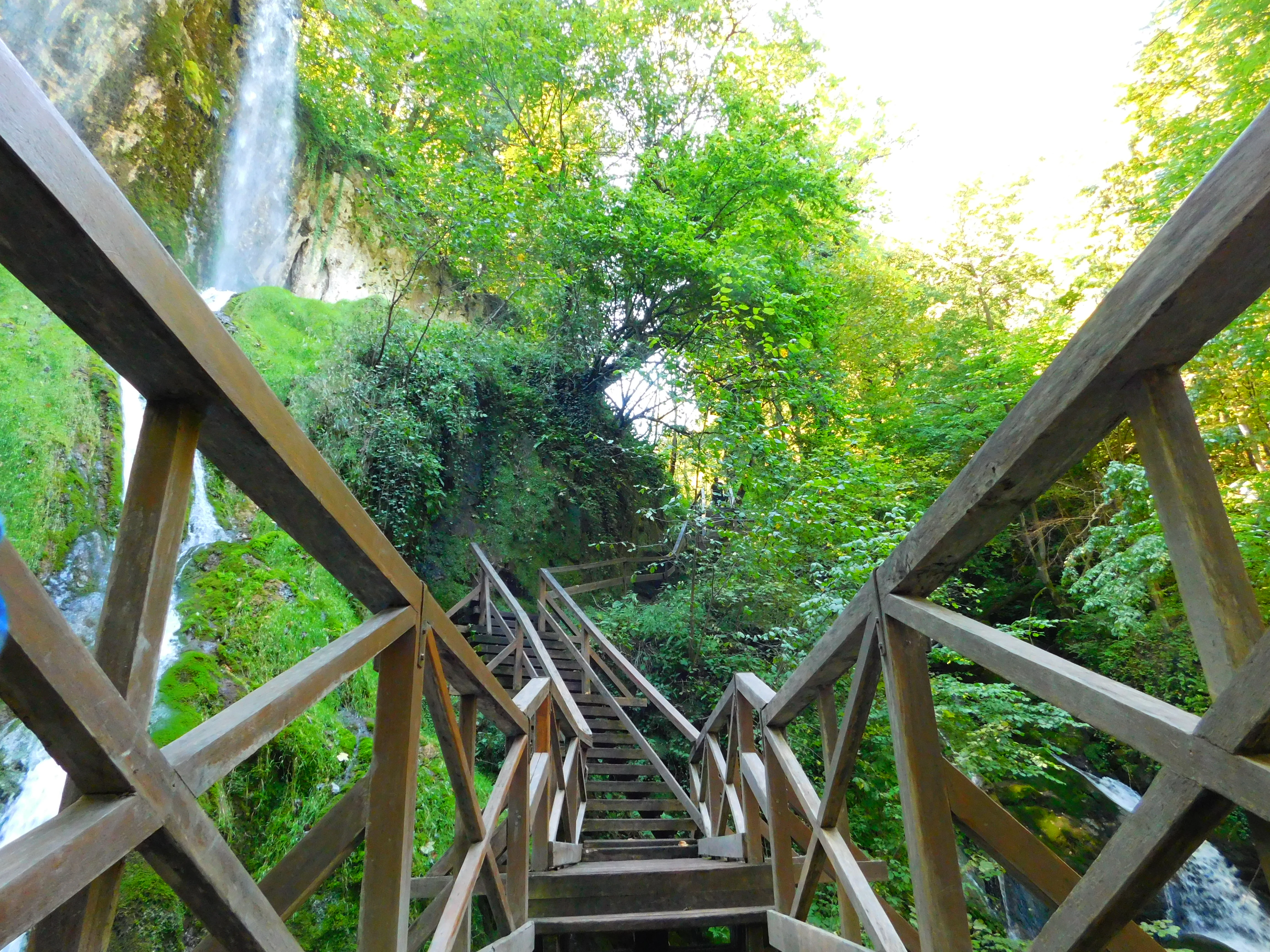
The ecological character of Papuk Nature Park reflects its position in the Pannonian biogeographic region, with forest ecosystems dominating the landscape. The mountainous terrain creates environmental conditions that support diverse plant communities not found in the surrounding agricultural lowlands. Beech and oak forests form the primary tree cover, representing the most common forest associations in the Slavonian highlands. These are supplemented by maple and ash in mixed stands, while the warmer, sun-exposed slopes support species including birch, pine, and sweet chestnut. The forest understory contains typical Pannonian shrub and herb layer species adapted to the moderate continental climate. The area is intersected by numerous watercourses originating from springs in the mountain, including the Čađavica, Karašica, and Pakra rivers that eventually drain to the larger Drava system. These watercourses and their associated riparian zones add habitat diversity to the predominantly forested landscape. The park's vegetation pattern mirrors the geological diversity—Cretaceous limestone areas support different plant communities than the gneiss-dominated peaks, creating a mosaic of habitat types across relatively short distances.
Papuk Nature Park wildlife and species highlights
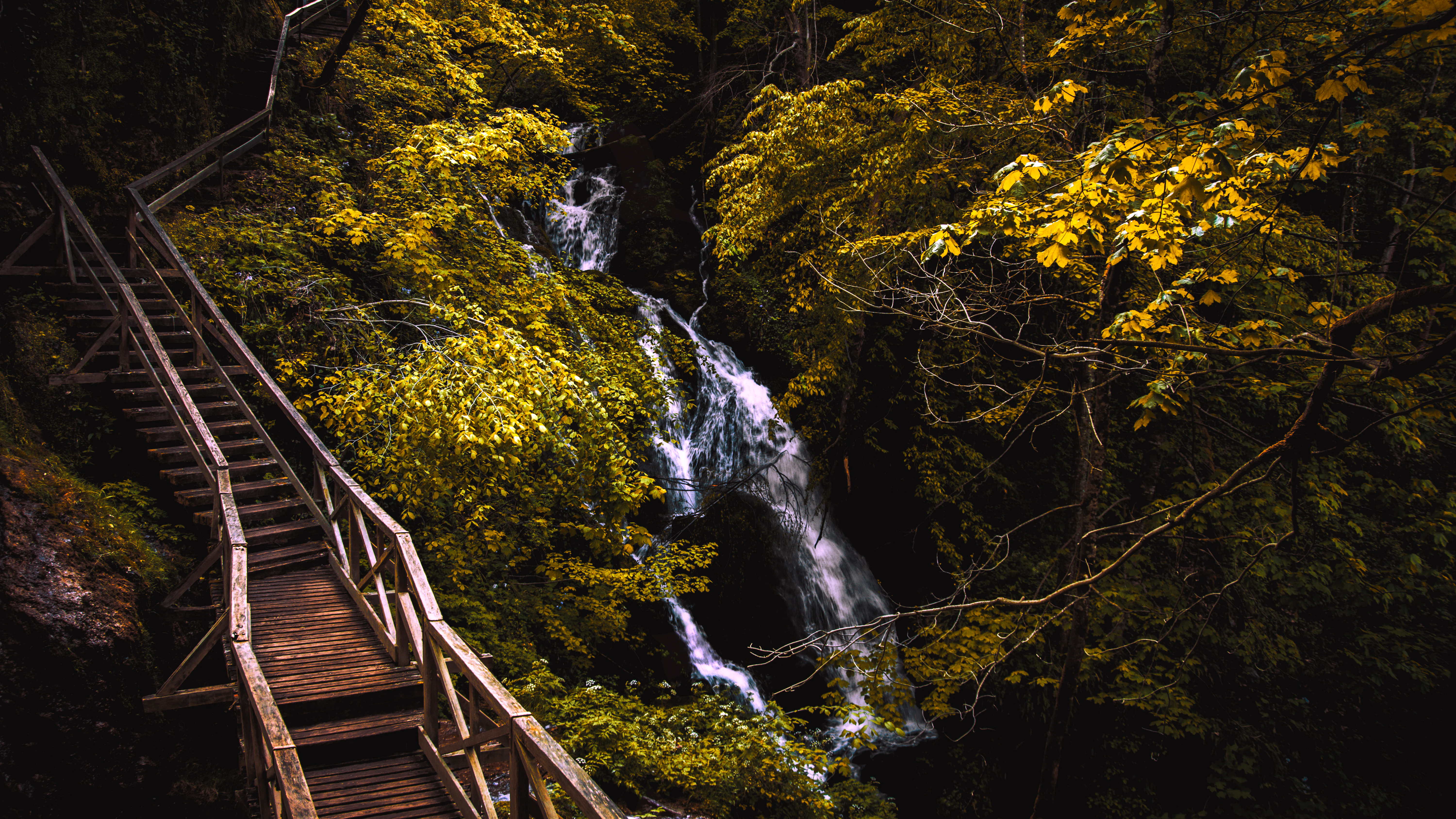
While detailed wildlife inventories are limited in the available sources, the forest-dominated landscape of Papuk supports typical Pannonian woodland fauna. The extensive deciduous forests provide habitat for common Central European forest species including various small mammals, songbirds, and invertebrates. The diverse elevation gradient, from stream valleys at lower elevations to rocky ridgelines at nearly 1000 meters, creates conditions for species ranging from those preferring moist valley habitats to those adapted to more exposed, cooler conditions at higher elevations. The proximity to the Drava river floodplain and the agricultural matrix surrounding the mountain creates ecological connections to broader regional wildlife populations. The karstic rock formations, particularly the Sokoline stijene cliffs, may provide nesting habitat for bird species requiring rocky substrates. The presence of the memorial cross at Jankovac indicates historical human use of the area, but the core forest areas likely support populations of larger mammals typical of Croatian Pannonian woodlands.
Papuk Nature Park conservation status and protection priorities
Papuk Nature Park represents a conservation priority for Croatia for several interconnected reasons. The area was designated as a nature park in 1999, establishing formal protection for the Slavonia region's most significant mountainous landscape. Beyond biodiversity conservation, the park was recognized for its geological heritage through the establishment of Papuk Geopark, the first Croatian member of the UNESCO Global Geoparks Network. This dual status—protecting both biological and geological values—reflects the mountain's unusual combination of ecosystems and earth history. The geological significance stems from the exposure of rocks spanning nearly 600 million years of Earth history, from Precambrian crystalline basement through Paleozoic metamorphic rocks to Cretaceous sedimentary formations. This sequence provides researchers with access to geological records that are rare in the Pannonian region. The forest ecosystems, while not globally unique, represent the best-preserved woodland in eastern Croatia and provide ecosystem services including watershed protection, soil retention, and carbon storage. The park's geopark status also incorporates sustainable development objectives, supporting tourism and education while maintaining conservation values.
Papuk Nature Park cultural meaning and human context
Papuk holds cultural significance in the regional identity of Slavonia, reflected in historical references and contemporary recreational traditions. The medieval name Požeški Snježnik links the mountain to the city of Požega in its foothills, establishing historical connections between the landscape and regional settlement patterns. Archaeological evidence preserved within the park indicates human activity spanning prehistoric and medieval periods, though detailed documentation of cultural heritage sites is limited in available sources. The mountain has served as a recreation destination since at least the early twentieth century, with mountain huts constructed to support hiking and nature appreciation. The Jankovac area developed as a particular focus for outdoor recreation, hosting visitors from Croatia and neighboring countries during the interwar period. The liberation of Papuk during the Croatian War of Independence gave the landscape additional contemporary significance, with memorial sites commemorating the 1991 military operations.
Top sights and standout views in Papuk Nature Park
Papuk Nature Park offers visitors a distinctive combination of geological wonders, forested landscapes, and outdoor recreation opportunities in eastern Croatia. As the first Croatian Geopark and member of the UNESCO Global Geoparks Network, the area provides access to geological formations spanning hundreds of millions of years. The mountain's ridgeline, rising to 953 meters, creates panoramic views across the Slavonian plain, while the Sokoline stijene rock formation provides a rare exposed cliff environment unlike typical Pannonian terrain. The network of mountain huts including Jankovac, Lapjak, and Petrov vrh supports multi-day hiking explorations of the park. The arboretum Lisičine showcases local forest ecosystems, and the thermal baths at Toplice near Velika add wellness options for visitors. The park's position as Slavonia's highest mountain makes it a natural landmark visible across the entire region, while its forest-covered slopes provide a green contrast to the agricultural lowlands surrounding it.
Best time to visit Papuk Nature Park
The continental climate of eastern Croatia makes Papuk suitable for visits during the warmer months from late spring through early autumn. Summer months offer the most reliable conditions for hiking and outdoor exploration, with July and August providing warm temperatures and extended daylight for trail activities. Autumn brings the opportunity to experience the forest in seasonal color, while spring conditions depend on snowmelt timing in the higher elevations. Winter visits are possible but conditions may restrict trail access, as the mountain receives typical Pannonia snowfall during the colder months. The mountain huts operate seasonally, with peak service periods aligning with the main hiking season. The thermal facility at Toplice may offer year-round access. The dramatic visibility of the mountain's ridgeline from the surrounding plain makes Papuk a landscape feature of interest in any season, though the summer months provide the most comfortable conditions for active exploration of the park's trails and natural features.