Why Penang National Park stands out
Penang National Park is best known for its remarkable coastal forest ecosystem that combines lush tropical vegetation with accessible beaches and marine environments. The park is particularly famous for its turtle nesting beaches at Pantai Kerachut, where green turtles nest from April to August and olive ridley turtles from September to February. Its diverse habitats support populations of long-tailed macaques, dusky leaf monkeys, and occasional dolphin sightings along the coast. The meromictic lake within the park represents a rare ecological feature, while the steep slopes around Muka Head feature distinctive stands of seraya trees characteristic of coastal dipterocarp forests.
Penang National Park history and protected-area timeline
Penang National Park traces its origins to an earlier designation as the Pantai Acheh Forest Reserve, reflecting the conventional approach to land management in colonial and early post-independence Malaysia, which focused primarily on timber production rather than conservation. However, growing awareness of the ecological and scenic value of this coastal area prompted authorities to reconsider its status.
The transition from forest reserve to national park came in April 2003, when the area was officially redesignated under Malaysia's National Park Act of 1980. This transformation was significant because it shifted the primary purpose from resource extraction to preservation of biodiversity, scenic beauty, and scientific value. The park was established not only to protect flora and fauna but also to preserve geological, archaeological, historical, ethnological, and scenic interests.
As the first national park legally gazetted under the 1980 legislation, Penang National Park established a precedent for protected area management in Malaysia. Its creation demonstrated that national parks could be established not only in peninsular Malaysia but also on the island states, expanding the geographic scope of conservation efforts.
Penang National Park landscape and geographic character
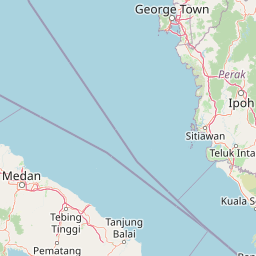
The physical landscape of Penang National Park is defined by the transition from hilly interior terrain to coastal beaches and marine environments. The park's highest points rise in the vicinity of Muka Head, where steep slopes are covered in coastal dipterocarp forest dominated by seraya trees, a species characteristic of this elevation zone. The terrain slopes downward toward the coast, creating a sequence of distinct habitats from forest to mangrove to beach.
The coastline features multiple beaches of varying character, from the popular Monkey Beach to the more remote sandy stretches that serve as turtle nesting grounds. Rocky headlands alternate with sand beaches, and the marine zone extends into open coastal seas. Within the park lies a seasonal meromictic lake, a rare type of lake where water layers do not mix, creating unique chemical and ecological conditions. This lake represents one of the park's most distinctive geological features.
Mangrove forests occupy the transitional zone between terrestrial and marine environments, their complex root systems creating habitat for numerous species while stabilizing the shoreline. The combination of granite geology, coastal processes, and tropical climate has produced a landscape of considerable variety within a relatively compact area.
Penang National Park ecosystems, habitats, and plant life
The ecological character of Penang National Park centers on its remarkable diversity of habitats within a limited area. Five distinct habitat types occur here in a configuration not found in other major Malaysian nature reserves. Hill and lowland dipterocarp forests dominate the interior, with over 1,000 plant species recorded, belonging primarily to the families Dipterocarpaceae, Leguminosae, Apocynaceae, Anacardiaceae, Euphorbiaceae, and Moraceae. These forests feature tall canopy trees including chengal, meranti seraya, and jelutong, with a rich understory of ferns and wild orchids.
Mangrove forests line the water's edge, providing critical habitat for marine and terrestrial species alike. Sandy beach habitats support specialized coastal vegetation, while the meromictic lake represents a unique aquatic environment despite its limited biodiversity due to oxygen stratification. Open coastal seas complete the habitat mosaic, offering marine species access to protected waters.
Secondary forest dominates the park's vegetation, reflecting its history as a former forest reserve. Species such as gaharu, tongkat ali, pelawan, bintangor, sea almond, and casuarina contribute to the forest's composition, while along the coast screw pines and various fern species create distinct zones between land and sea.
Penang National Park wildlife and species highlights
The wildlife population of Penang National Park includes 143 documented fauna species across diverse taxonomic groups. Among the most commonly observed mammals are long-tailed macaques and dusky leaf monkeys, which are frequently seen along trails and near beaches. Wild boars, civets, smooth-coated otters, mouse deer, squirrels, bats, and various rodents round out the mammalian fauna. The coastal waters occasionally host dolphin sightings, adding marine mammal diversity to the park's inventory.
Birdlife is particularly well-represented with 46 species documented. Water-associated birds such as stork-billed kingfishers, white-breasted waterhens, and great egrets are common near the lake and coastal areas. Raptors including white-bellied sea eagles and brahminy kites soar above the canopy, while kingfishers are regularly spotted along the shoreline. The diverse bird community reflects the park's varied habitats.
Reptiles and amphibians include monitor lizards and various snake species, while the marine environment supports crabs, fishes, and prawns. Perhaps most notable is the park's role as a turtle nesting site. Pantai Kerachut beach serves as a nesting ground for green turtles from April to August and olive ridley turtles from September to February, representing significant conservation value for these threatened species.
Penang National Park conservation status and protection priorities
Penang National Park holds special significance within Malaysia's protected area network as the first area legally gazetted under the National Park Act of 1980. This designation established a precedent for national park establishment in Malaysia and demonstrated the potential for protecting coastal and marine ecosystems alongside terrestrial forests. The park's multi-objective mandate preserves not only flora and fauna but also geological, archaeological, historical, and scenic resources.
The park protects five habitat types that are not commonly found together in other Malaysian reserves, making it ecologically significant despite its relatively small size. This habitat diversity supports both common species and threatened ones, particularly the turtle populations that use Pantai Kerachut as a nesting beach. The protection of these nesting grounds is essential for the survival of green and olive ridley turtles, both of which face significant threats from habitat loss and human disturbance.
The meromictic lake represents a unique conservation challenge, as its specialized ecological conditions support limited but distinctive life forms. The brackish water environment sustains Faunus ater snails and other adapted species, demonstrating how even unusual habitats can harbor biodiversity worth protecting.
Penang National Park cultural meaning and human context
Penang National Park exists within a region of significant human history and cultural diversity. The island of Penang has long served as a maritime trading hub, and local communities have maintained connections to the coast for generations. The park's coastline and beaches have historically supported fishing communities and provided resources for local populations.
The area's management falls under the Department of Wildlife and National Parks Peninsular Malaysia, which oversees protected areas throughout peninsular Malaysia. While the park itself does not contain major cultural heritage sites, its establishment reflects contemporary values about preserving natural landscapes alongside human historical environments. The diverse naming of the park in Malay, Chinese, and Tamil reflects the multicultural character of Penang Island itself.
Top sights and standout views in Penang National Park
Penang National Park offers a rare combination of accessible tropical forest, scenic beaches, and wildlife observation opportunities within a compact coastal reserve. The turtle nesting beaches at Pantai Kerachut represent a particularly special feature, providing opportunities to witness green and olive ridley turtles during their breeding seasons. The trails to Monkey Beach and Muka Head reward hikers with views of coastal dipterocarp forests and opportunities to observe long-tailed macaques and other wildlife.
The park's ecological diversity, encompassing five habitat types in a relatively small area, makes it an excellent destination for nature education and scientific study. The meromictic lake offers a unique ecological feature rarely found in other protected areas, while the mangrove forests provide critical habitat for coastal species. The accessibility of these diverse environments from the park's entrance near Teluk Bahang makes Penang National Park valuable for both research and recreation.
Best time to visit Penang National Park
The optimal time to visit Penang National Park depends on interests, though certain seasons offer distinct advantages. For turtle enthusiasts, the nesting seasons provide the most compelling reason to visit, with green turtles active from April to August and olive ridley turtles from September to February. These periods offer the best opportunities to observe nesting activity at Pantai Kerachut, though visitors should note that night access may be restricted to protect the turtles.
The dry season typically offers more comfortable hiking conditions, though Penang's tropical climate means rainfall can occur year-round. The park's forest trails remain walkable in most conditions, and the beach areas are accessible throughout the year. Early morning visits tend to offer the best wildlife viewing opportunities, as animals are more active during cooler hours. The park is open year-round, though visitors should check current access regulations before planning their trip.