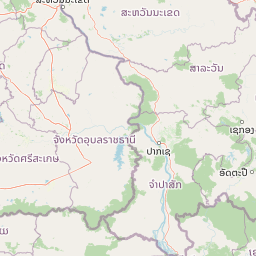
Why Phu Pha Thoep National Park stands out
Phu Pha Thoep is best known for two exceptional features that set it apart from other Thai protected areas. First, the mountain's dramatic rock formations present an extraordinary landscape of eroded sandstone pillars and boulders that have been shaped by natural forces into shapes resembling mushrooms, temples, and mythical creatures. These geological formations create a visually striking environment unlike typical Thai forest landscapes. Second, the park contains Tham Fa Mue Daeng cave, whose walls bear ancient hand paintings created between 3,000 and 5,000 years ago by prehistoric peoples. The cave's name translates as "red hand" in reference to the distinctive crimson hue of the pigment used in the artworks. This combination of remarkable geological beauty and significant prehistoric cultural heritage makes the park a destination of both natural and historical importance.
Phu Pha Thoep National Park history and protected-area timeline
The human history of Phu Pha Thoep National Park extends far deeper than its modern designation as a protected area. Archaeological evidence in the form of ancient hand paintings within Tham Fa Mue Daeng cave demonstrates human presence in this landscape between 3,000 and 5,000 years ago, placing the site within the prehistoric period of mainland Southeast Asia. These paintings, created using red pigment that has remained remarkably preserved on the cave's interior walls, represent artistic expression from societies that lived in the Mekong river valley long before the emergence of recorded history in the region. The cave's name, meaning "red hand" in Thai, directly references the distinctive color of the prehistoric artworks. The park's contemporary status as a protected area represents a more recent chapter in its history, with the territory originally designated as Mukdahan National Park before being renamed to reflect the prominence of the Phu Pha Thoep geological features. This transition in naming acknowledges the mountain's cultural and landscape significance while establishing the area's conservation framework under Thailand's national park system managed by the Department of National Parks, Wildlife and Plant Conservation.
Phu Pha Thoep National Park landscape and geographic character
The physical landscape of Phu Pha Thoep National Park presents a characteristic terrain of northeastern Thailand, defined by rolling hills and isolated rocky peaks that rise above the broader floodplain of the Mekong river system. The park's highest point, Phu Jongsi, reaches 420 meters above sea level, providing elevation relief from the surrounding lowlands that are typically only 100-200 meters in elevation. The most visually striking element of the park's topography is the complex of rock formations found on Phu Pha Thoep mountain, where erosion has produced an assortment of unusual shapes in exposed sandstone. These formations range from isolated pillars and balanced boulders to more complex arrangements that local interpretation has associated with mushrooms, temples, and various animal forms. The interplay of hard rock outcrops with softer forest-covered slopes creates a varied visual environment. Between the rocky hills, seasonal watercourses and small valleys support forest growth, while the lower elevations transition into agricultural landscapes as the park boundary is approached.
Phu Pha Thoep National Park ecosystems, habitats, and plant life
The ecological character of Phu Pha Thoep National Park reflects the broader vegetation patterns of Thailand's Isan region, though the park's protected status preserves forest types that have been extensively cleared across surrounding areas. The park supports mixed deciduous forest alongside areas of evergreen vegetation, creating a mosaic of habitat types that varies with topography, soil conditions, and moisture availability. These forests contain numerous tree species including Afzelia xylocarpa, Anisoptera costata, various Dalbergia species, Irvingia malayana, Lagerstroemia calyculata, Pterocarpus macrocarpus, and multiple Shorea species. The diversity of tree species provides structural complexity and ecological niches that support associated fauna. Dillenia, Barringtonia, and Cratoxylum genera add to the botanical diversity. The forest canopy varies in density across the park, with more open woodland on drier slopes and denser evergreen growth in drainage channels and sheltered valleys. This habitat diversity supports the animal species recorded within the park's boundaries.
Phu Pha Thoep National Park wildlife and species highlights
The wildlife community within Phu Pha Thoep National Park includes several mammal species typical of northeastern Thailand's forest environments. Northern pig-tailed macaques represent the most commonly observed primate species, often found in groups moving through the forest canopy. Sambar deer and wild boar maintain populations in the denser forest areas, while golden jackals and common palm civets occupy more secretive niches. Northern red muntjac, also known as the Indian muntjac, moves cautiously through undergrowth in the early morning and evening hours. The park's avifauna includes several notable species: junglefowl, the wild ancestor of domestic chickens, maintains presence in suitable habitat; green peafowl, a species of conservation concern in Thailand, has been recorded in the park; and various pheasant species add to the bird diversity. In 2005, researchers discovered specimens of a previously undescribed frog species, Fejervarya triora, within the park, demonstrating that even small protected areas can contribute to biodiversity documentation. This discovery highlights the potential for new species records in Thailand's forests, many of which remain poorly surveyed despite their proximity to populated areas.
Phu Pha Thoep National Park conservation status and protection priorities
Phu Pha Thoep National Park contributes to Thailand's protected area network by preserving a sample of the natural landscapes and ecosystems that once covered much of the Isan region. The park's relatively small size of 48 square kilometers makes it one of Thailand's smallest national parks, yet its conservation value is amplified by the combination of geological features, archaeological sites, and biological diversity it contains within this limited area. The forest communities within the park represent remnants of ecosystems that have been extensively converted to agricultural use, particularly for rice cultivation and cassava production. By maintaining forest cover, the park preserves habitat for wildlife species, protects watershed functions, and maintains soil stability on hillsides that would otherwise face erosion risk during the monsoon season. The ancient hand paintings in Tham Fa Mue Daeng cave represent a cultural heritage value that complements the ecological conservation mission, creating incentives for protection that extend beyond purely biological considerations. The park's classification as IUCN Category II reflects its management as a national park with both conservation and visitor use objectives.
Phu Pha Thoep National Park cultural meaning and human context
The cultural significance of Phu Pha Thoep National Park extends from prehistoric times through to the present day, creating multiple layers of human connection to this landscape. The ancient hand paintings in Tham Fa Mue Daeng cave represent the earliest cultural layer, created by prehistoric peoples between 3,000 and 5,000 years ago. These paintings, rendered in durable red pigment, demonstrate artistic and symbolic expression from societies that inhabited the Mekong river valley during the Neolithic or Bronze Age periods. The cave's name, translating as "red hand," preserves the local recognition of these ancient artworks. In more recent centuries, the landscape has been shaped by Buddhist practice, as evidenced by the Buddha image and numerous smaller wooden Buddha figures placed within the cave grotto above Phu Tam Pra waterfall. This religious addition represents the integration of the natural landscape into Buddhist spiritual practice, a pattern common throughout Thailand. The park's current name, Phu Pha Thoep, derives from the Thai words for the mountain's distinctive rock formations, preserving in nomenclature the geological feature that defines the park's visual identity.
Top sights and standout views in Phu Pha Thoep National Park
Phu Pha Thoep National Park offers visitors a concentrated combination of natural and cultural attractions within a compact territory easily explored in a day. The rock formations on Phu Pha Thoep mountain provide the park's most distinctive visual experience, with eroded sandstone shapes creating an almost surreal landscape unlike typical Thai forest environments. The ancient hand paintings in Tham Fa Mue Daeng cave represent a rare opportunity to view prehistoric art in its original setting, with the red-hued hand prints and markings estimated to be between 3,000 and 5,000 years old. The viewpoint at Phu Mano rewards visitors with sweeping views of Mukdahan city, the Mekong river, and the landscape of neighboring Laos beyond the international boundary. The seasonal Phu Tam Pra waterfall, while not a year-round water feature, adds another dimension to the park's attractions when conditions permit. These varied highlights make the park particularly suitable for visitors seeking to experience geological wonders and ancient cultural heritage within a single protected area.
Best time to visit Phu Pha Thoep National Park
The optimal time to visit Phu Pha Thoep National Park aligns with Thailand's cool dry season from November through February, when temperatures are comfortable for hiking and the landscape remains accessible. During this period, reduced rainfall makes trail conditions more favorable for exploring the park's hills and rock formations, while wildlife visibility improves as animals congreg more frequently at water sources. The hot season from March through May brings higher temperatures that can make midday hiking uncomfortable, though early morning excursions remain feasible. The monsoon season from June through October brings rainfall that can make trails slippery and some areas less accessible, though the landscape becomes more lush and waterfalls may flow more impressively during this period. The park remains open year-round, allowing visitors to choose timing based on their preferences for weather conditions and the type of experience they seek. Regardless of season, visitors should check current conditions and park status before planning trips, as seasonal variations can affect accessibility of specific attractions within the park.