Why Playona Acandí Fauna and Flora Sanctuary stands out
Playona Acandí is best known as one of the premier leatherback sea turtle nesting beaches in the Caribbean. The sanctuary protects the world's largest sea turtle species during its critical nesting period, with the Gulf of Darién beaches serving as a primary egg-laying destination for turtles that migrate throughout the western Caribbean. The area also supports significant hawksbill turtle nesting, and the dual protection of these two critically endangered species makes the sanctuary exceptionally important for regional marine conservation. The local community-driven conservation efforts, including the annual Leatherback Turtle Festival, have become a model for integrating cultural heritage with wildlife protection.
Playona Acandí Fauna and Flora Sanctuary history and protected-area timeline
The creation of Playona Acandí Fauna and Flora Sanctuary emerged from more than a decade of effort by local Afro-Colombian communities who sought formal protection for the coastline that had long served as a critical turtle nesting ground. The Afro Communities Councils representing different zones of the Acandí region, including the Tolo River Basin and Southern Coastal Zone, the Acandí Seco River Basin communities, and the Northern Coastal Zone, all advocated for the declaration of this protected area. WWF Colombia provided technical collaboration throughout nearly ten years of the designation process, supporting the communities in their efforts to establish the sanctuary. The declaration marked an important moment in Colombia's conservation history as one of eleven new national parks created during this period. The annual Leatherback Turtle Festival, which began in 1993 during Easter, represents one of the earliest community-driven conservation initiatives in the area, created to raise awareness about the importance of protecting these endangered marine reptiles. This festival has since become an integral part of the region's cultural identity, linking environmental stewardship to traditional community practices.
Playona Acandí Fauna and Flora Sanctuary landscape and geographic character
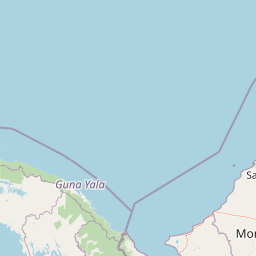
The sanctuary encompasses a distinctive Caribbean coastal landscape where the beaches of La Playona and El Playón de Acandí meet the warm waters of the Gulf of Darién. The shoreline consists of sandy beaches that provide the essential nesting habitat required by female leatherback and hawksbill turtles, while the adjacent marine zone extends protection to the foraging and migratory pathways these species depend upon throughout the year. The Gulf of Darién itself forms the southernmost extension of the Caribbean Sea into the Colombian mainland, creating a unique marine environment where tropical Caribbean waters meet the influences of the nearby Darién Gap. The landscape reflects the broader character of the Chocó biogeographic region, known for its high rainfall and rich coastal ecosystems, though the specific beach environments of the sanctuary represent a more open coastal character distinct from the dense mangroves found elsewhere in the department. The combination of beach, nearshore waters, and the broader gulf creates a mosaic of habitats that support both terrestrial egg-laying and marine turtle activities.
Playona Acandí Fauna and Flora Sanctuary ecosystems, habitats, and plant life
The ecological significance of Playona Acandí centers on its role as a critical nesting habitat for two of the Caribbean region's most endangered sea turtle species. The leatherback turtle, the world's largest sea turtle species, considers these beaches among its most important nesting grounds in the western Caribbean, with annual arrivals exceeding 200 turtles during the egg-laying season. The sanctuary's protection extends to the hawksbill turtle as well, a species also classified as critically endangered whose survival depends on protected nesting sites. The marine waters surrounding the nesting beaches support rich biodiversity that extends beyond the turtle species themselves, with more than 80 fish species forming the basis of local artisanal fisheries. The coastal zone contributes to maintaining the marine biodiversity of the broader Gulf of Urabá and Darién region, supporting ecosystems that sustain both wildlife and human communities. The protection of this area acknowledges the interconnected nature of coastal and marine ecosystems and the importance of safeguarding the entire lifecycle of migratory marine species.
Playona Acandí Fauna and Flora Sanctuary wildlife and species highlights
The wildlife of Playona Acandí is defined above all by its significance as a nesting ground for endangered sea turtles, with the leatherback turtle serving as the flagship species of the sanctuary. Leatherback turtles, which can reach weights of over 900 kilograms, travel vast distances through the Caribbean and beyond, with mark and recapture studies demonstrating that turtles nesting in Colombia spend significant portions of their annual cycle in the waters of Costa Rica and Mexico. This migratory behavior underscores the importance of international cooperation in sea turtle conservation and highlights why the protection of this nesting beach matters not only locally but across the entire western Caribbean. The hawksbill turtle, smaller but no less critically endangered, also relies on these beaches for egg-laying, making the sanctuary a dual-species protection site of exceptional importance. Beyond the turtles, the marine environment supports numerous shrimp species and fish populations that form the foundation of local fishing communities' livelihoods, creating an ecosystem where wildlife conservation and human wellbeing are intrinsically linked.
Playona Acandí Fauna and Flora Sanctuary conservation status and protection priorities
The designation of Playona Acandí as a Fauna and Flora Sanctuary represents a targeted conservation response to the urgent need to protect critically endangered sea turtle populations in the Caribbean. Both the leatherback and hawksbill turtles face severe threats from habitat loss, egg predation, pollution, and incidental capture in fishing gear, making protected nesting beaches essential to their survival. The sanctuary's approach to conservation acknowledges that the migratory nature of these species means that local protection efforts have far-reaching implications for the broader Caribbean population. Research using mark and recapture techniques has revealed the transnational movements of turtles nesting at Playona Acandí, demonstrating that conservation in this single location influences turtle populations across multiple countries. The involvement of local communities in conservation planning, through the three community councils that partnered with National Parks, ensures that protection measures are implemented in ways that respect traditional uses of the marine environment while prioritizing the survival of endangered species.
Playona Acandí Fauna and Flora Sanctuary cultural meaning and human context
The cultural landscape of Playona Acandí is deeply shaped by the Afro-Colombian communities who have lived along this coastline for generations and who view the leatherback turtle as a symbol of their regional heritage. The community councils that advocated for the sanctuary's establishment, representing different zones of the Acandí municipality, brought together local knowledge with conservation objectives in ways that have become a model for community-based environmental management in Colombia. The annual Leatherback Turtle Festival, initiated in 1993, represents a unique cultural tradition that merges environmental awareness with community celebration, creating a space for transmitting ecological knowledge across generations. These communities maintain direct relationships with the marine environment through artisanal fishing, with more than 80 species supporting the local economy and providing the foundation for a fishing tradition that coexists with turtle conservation. The sanctuary demonstrates how conservation can be strengthened when it emerges from and respects the cultural context of the people who share the landscape with endangered wildlife.
Top sights and standout views in Playona Acandí Fauna and Flora Sanctuary
The Playona Acandí Fauna and Flora Sanctuary stands out as one of the most important leatherback turtle nesting sites in the Caribbean, where over 200 turtles return annually to lay their eggs on beaches that have supported this tradition for generations. The sanctuary's dual protection of both leatherback and hawksbill turtles makes it exceptionally significant for Caribbean biodiversity conservation, addressing the needs of two critically endangered species in a single protected area. The collaborative management model involving three Afro-Colombian community councils represents an innovative approach to conservation that integrates local governance with national protected area management. The Leatherback Turtle Festival, held annually since 1993, embodies the deep cultural connections between coastal communities and the marine environment, turning conservation into a living cultural practice. The sanctuary's location in the Gulf of Darién places it at the intersection of Caribbean and Pacific-influenced marine ecosystems, creating a unique coastal environment that supports both exceptional biodiversity and traditional community livelihoods.
Best time to visit Playona Acandí Fauna and Flora Sanctuary
The optimal time to experience Playona Acandí coincides with the leatherback turtle nesting season, which typically peaks during the first months of the year when adult females come ashore to deposit their eggs in the warm sandy beaches. The Easter period, when the Leatherback Turtle Festival is celebrated, offers a particularly meaningful time to visit for those interested in witnessing both the natural phenomenon of turtle nesting and the cultural traditions that have grown around it. The dry season during the early months of the year generally provides more favorable conditions for beach observation and wildlife activities, though the Caribbean climate means that rainfall can occur throughout the year. Visitors interested in supporting conservation efforts while experiencing the sanctuary should plan ahead, as the remote location and community-based management mean that access may require coordination with local authorities or conservation organizations.