
Why Putna-Vrancea Natural Park stands out
Putna-Vrancea Natural Park is best known for its dramatic Carpathian mountain scenery centered on the Putna River and its cascade, the protection of significant Carpathian biodiversity including large mammals like brown bears, gray wolves, and Eurasian lynx, and the preservation of diverse montane and subalpine habitats. The park encompasses the Putna Waterfall as a notable natural landmark and contains several smaller reserves protecting old-growth forests, rock formations, and river habitats.
Putna-Vrancea Natural Park history and protected-area timeline
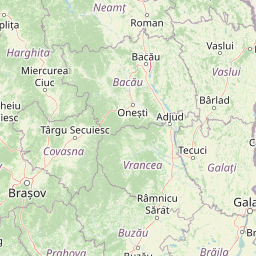
Putna-Vrancea Natural Park was declared a protected area through Government Decision Number 2151 of November 30, 2004, with the decision published in the Romanian Official Paper (Monitorul Oficial) Number 38 of January 12, 2005. This legislation established the protected area regime for the park as a natural park corresponding to IUCN Category V, which designates protected landscapes where human activity shapes the natural environment in ways that maintain ecological, cultural, and scenic values. The park was created to provide comprehensive protection for the Carpathian ecosystems of the Vrancea Mountains while integrating conservation with the sustainable management of the Putna River basin. The establishment reflected Romania's broader commitment to building a national network of protected areas and fulfilling European Union environmental commitments, as the park was subsequently incorporated into the Natura 2000 network as the Putna-Vrancea Site of Community Importance.
Putna-Vrancea Natural Park landscape and geographic character
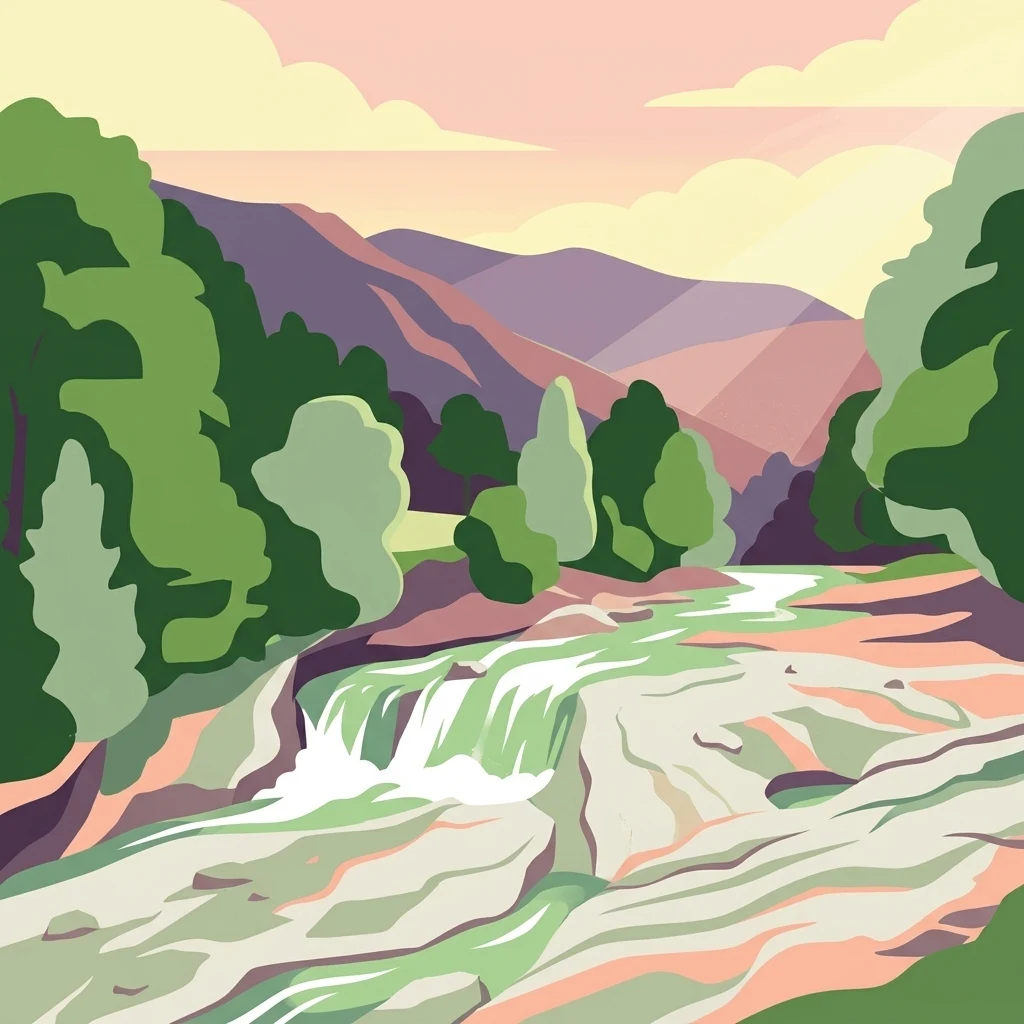
The landscape of Putna-Vrancea Natural Park exemplifies the dramatic mountain terrain of the Carpathians in this region of Romania. The terrain is characterized by steep mountain slopes, deep V-shaped valleys carved by the Putna River and its tributaries, rocky crevasses and cliff faces, and isolated mountain peaks rising above the surrounding terrain. The Putna River flows through the park, descending from higher elevations and creating the notable Putna Waterfall where the river drops over a rocky ledge. The Goru and Mordanu massifs form prominent mountain ridges within the park, their slopes covered in forest and rising to elevations that support subalpine vegetation. The park encompasses a range of elevations from valley floors to mountain summits, creating diverse microclimates and ecological zones. Rock outcrops and boulder fields occur throughout, particularly on steeper slopes and near ridgelines, while meadows and pastures occur in open areas and on slopes above the tree line.
Putna-Vrancea Natural Park ecosystems, habitats, and plant life
The ecological character of Putna-Vrancea Natural Park reflects the Carpathian biogeographical region, with the park protecting fifteen distinct habitat types recognized under European nature conservation frameworks. Montane beech forests dominate the lower and middle slopes, with both Luzulo-Fagetum and Asperulo-Fagetum forest types represented. Higher elevations support spruce-dominated forests of the Vaccinio-Piceetea association, while steep rocky slopes and ravines host mixed forests of the Tilio-Acerion community. Subalpine zones feature shrubland communities dominated by mountain pine (Pinus mugo) and Rhododendron, while alpine meadows occur on siliceous substrates at the highest elevations. The park's river valleys support riparian vegetation including willow communities and herbaceous vegetation along the Putna River and its tributaries. The diversity of habitats, from valley floors to alpine summits, creates a vertically stratified ecosystem that supports remarkable biodiversity across multiple ecological zones.
Putna-Vrancea Natural Park wildlife and species highlights
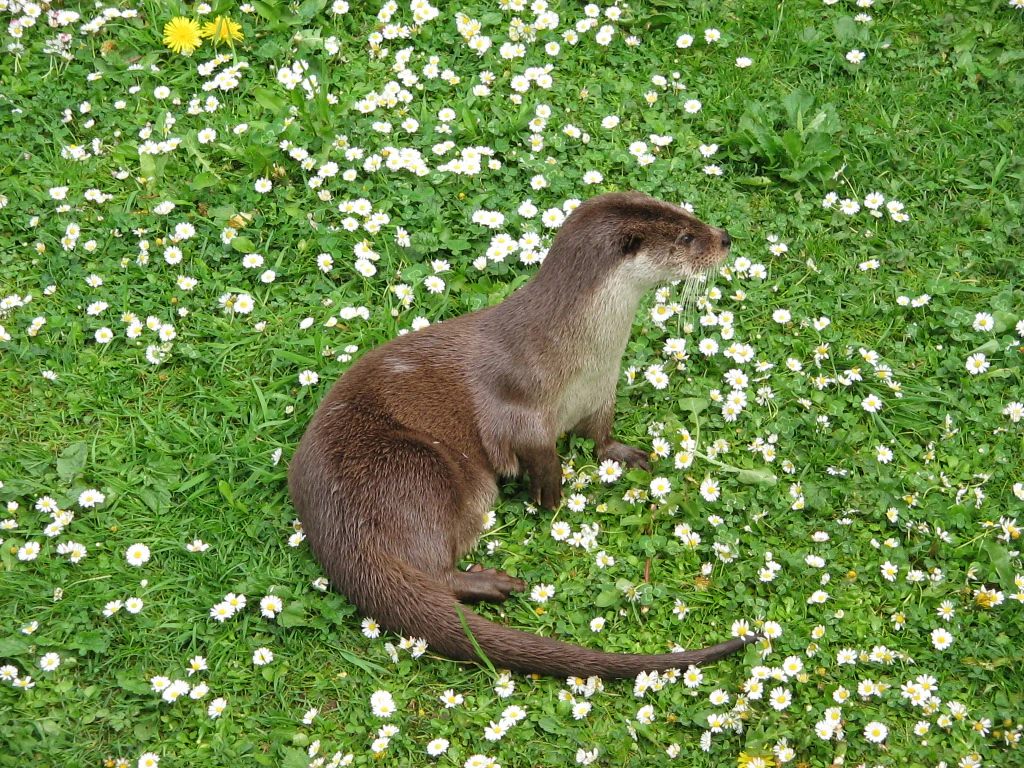
The wildlife of Putna-Vrancea Natural Park represents the Carpathian fauna community, with the park protecting several species of conservation significance at the European level. Large mammals include brown bear (Ursus arctos), gray wolf (Canis lupus), Eurasian lynx (Lynx lynx), roe deer (Capreolus capreolus), and wild boar (Sus scrofa), with the presence of these species reflecting the ecological integrity of the forest and mountain habitats. The river otter (Lutra lutra) inhabits the waterways, while common bats (Myotis myotis) use the forest and cave habitats. Reptile and amphibian species include the field lizard (Lacerta agilis), common viper (Vipera berus), yellow-bellied toad (Bombina variegata), and the Carpathian newt (Triturus montandoni), the latter being a species endemic to the Carpathian region. The park's streams support fish species including the bullhead (Cottus gobio) and Danube goby (Gobio uranoscopus). Several invertebrate species receive protection, including the alpine longhorn beetle (Rosalia alpina), a species listed in the EU Habitats Directive.
Putna-Vrancea Natural Park conservation status and protection priorities
Putna-Vrancea Natural Park serves as a key component of Romania's protected area network and contributes to the European Union's Natura 2000 ecological network through the designated Putna-Vrancea Site of Community Importance. The park protects fifteen types of European Union-listed natural habitats, including beech forests, spruce forests, riparian woodlands, subalpine shrublands, and alpine meadows, all of which receive conservation recognition under the EU Habitats Directive. The protection of these habitats ensures the preservation of the Carpathian ecological character of the region. Several smaller nature reserves within the park provide additional protection for specific natural features, including the Putna Waterfall, the Groapa cu Pini pine reserve, Muntele Goru, the Lepșa-Zboina forest, Strâmtura-Coza, and Valea Tișiței. Many of the species found within the park are protected under national legislation and European directives, including the brown bear, wolf, lynx, otter, and various other mammals, amphibians, and invertebrates.
Putna-Vrancea Natural Park cultural meaning and human context
The Putna-Vrancea region contains historical wooden churches that reflect the traditional architectural heritage of Vrancea County. Several of these churches are located within or adjacent to the park, including the wooden church of the Assumption of the Virgin at Lepșa Monastery, built between 1930 and 1936 and designated as a historical monument. The wooden church of Saint Nicholas at Nistorești dates to the eighteenth century, as does the Saint Nicholas church at Păulești and the Assumption of the Virgin church at Valea Neagră. These wooden churches represent traditional Romanian religious architecture and are part of the cultural landscape of the mountainous Vrancea region. The local communities of Nistorești, Păulești, Soveja, and Tulnici have historically inhabited these mountain valleys, with traditional land use patterns of agriculture, forestry, and pastoral activities shaping the cultural landscape.
Top sights and standout views in Putna-Vrancea Natural Park
The Putna Waterfall on the Putna River stands as the park's most prominent natural landmark, where the river cascades over a rocky ledge in a forested setting. The diverse Carpathian landscapes range from deep river valleys to mountain peaks, with views across the Vrancea Mountains from higher vantage points. The park's wildlife includes the opportunity to observe large Carpathian mammals including brown bears, wolves, and lynx in their natural habitat. The network of walking trails follows river valleys and climbs to mountain ridges, offering access to the park's scenic landscapes. The old-growth forests of the reserves protect representative Carpathian forest ecosystems, with the subalpine zones and alpine meadows providing contrast to the montane forests below.
Best time to visit Putna-Vrancea Natural Park
The summer months of June through August offer the most accessible conditions for exploring the park's trails and outdoor activities, with warm temperatures in the valleys and mountain meadows in full flower. Spring brings high water levels to the rivers and waterfalls following snowmelt, making the Putna Waterfall particularly impressive in May and early June. Autumn offers colorful forest foliage in the beech and spruce forests, with September and October providing pleasant hiking conditions. Winter access is limited due to snow in the higher elevations, but the park's lower valleys and villages can be visited year-round. The shoulder seasons of spring and autumn often provide the best combination of accessible conditions and fewer visitors.