Why Samur-Yalama National Park stands out
Samur-Yalama is notable for its coastal forest ecosystems along the Caspian Sea, where chestnut oak and Persian ironwood form the dominant tree communities. The park protects important habitat for several threatened species including the eastern imperial eagle and black kite among birds, while mammals such as lynx, brown bear, and Caspian red deer inhabit the more densely vegetated zones. The coastal waters support fish species of conservation and commercial significance including stellate sturgeon and Caspian kutum.
Samur-Yalama National Park history and protected-area timeline
Samur-Yalama National Park was established on November 5, 2012, through a presidential decree authorizing its creation within Khachmaz Rayon administrative territory. The park's establishment followed a period of growing environmental cooperation in the South Caucasus region, with funding support provided through a joint program between Azerbaijan's Ministry of Finance and KfW (Kreditanstalt für Wiederaufbau), the German development bank, as part of a broader ecoregional nature conservation initiative for the South Caucasus. The project framework involved financing agreements specifically directed toward establishing the park and fulfilling Azerbaijan's conservation commitments under the program. This international partnership approach reflected the transboundary ecological significance of the Caspian coastal zone, which supports migratory species and represents a biogeographically important corridor between European and Asian ecosystems.
Samur-Yalama National Park landscape and geographic character
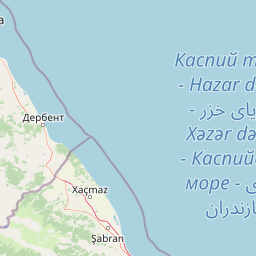
The park's physical geography encompasses multiple distinct landscape types across its 11,772-hectare territory. The dominant landscape is the heavily forested Caspian coastal zone, where deciduous forests cover extensive areas near the shoreline. Inland from the coast, the terrain transitions through wooded landscapes and forest-bush communities before reaching areas of bush and arid steppe vegetation. This gradient from coastal to inland environments creates visual and ecological diversity within a relatively compact protected area. The park sits at relatively low elevation given its coastal setting, with terrain that includes flat coastal plains and more rolling inland areas. The Samur River flows through the broader region, contributing to the hydrological character of the area. Soils across the park exhibit considerable variation, ranging from very sandy compositions in coastal zones to heavier clay substrates in other areas, reflecting the complex geological history of this Caspian shoreline region.
Samur-Yalama National Park ecosystems, habitats, and plant life
The ecological character of Samur-Yalama reflects its position within the Caspian coastal zone, where four distinct climate zones converge across the park's territory. This climatic diversity supports corresponding variation in vegetation communities, from the littoral landscapes of the shore through forested zones to steppe habitats. The dominant forest trees include chestnut oak and Persian ironwood, the latter being a distinctive species of the broader Caspian-Hyrcanian mixed forests that extend across the southern Caspian region. The park's flora extends beyond its trees to include herbaceous communities such as rosehip, ivy, wormwood, yarrow, and honey mint, which occur particularly in the meadow and shrubland areas. Soils include meadow-forest soils, chestnut soils, and lighter chestnut variants, with extensive meadow and shrub communities across the flatter terrain. The Gülalan lake area within the park adds a wetland dimension to the terrestrial and coastal habitats.
Samur-Yalama National Park wildlife and species highlights
The fauna of Samur-Yalama reflects the ecological diversity of its multiple habitats. Bird species of note include the black kite and eastern imperial eagle, both of which are birds of prey that hunt across the open landscapes and forest edges. The park also supports game birds including quail and partridge, which inhabit the more open terrain and agricultural edges. Mammalian residents include several species of conservation concern: the lynx represents a rare feline predator in the forested zones, while the brown bear occurs in the denser cover areas. The Caspian red deer is a distinctive subspecies of red deer historically associated with the Caspian region, and the park provides habitat for this animal alongside more common species. Additional mammals include otter, reed cat, and chamois. The coastal waters support commercially and ecologically important fish species: stellate sturgeon, brown trout, eel, pikeperch, and Caspian kutum all occur in the nearshore waters belonging to the national park.
Samur-Yalama National Park conservation status and protection priorities
Samur-Yalama National Park was created with the explicit purpose of preserving biological and genetic diversity across several unique natural areas within Azerbaijan's Caspian coastal zone. The park's conservation mandate extends beyond pure biodiversity protection to include preservation of historical-cultural objects found within its territory, reflecting an integrated approach to landscape conservation. The involvement of international development financing through the German KfW bank indicated the transboundary ecological significance recognized by conservation partners. The park contributes to Azerbaijan's national protected area network, which aims to represent the country's major ecosystem types and protect representative samples of biodiversity. Eco-tourism development represents a complementary conservation strategy, providing economic justification for landscape preservation while generating visitor engagement with conservation values.
Samur-Yalama National Park cultural meaning and human context
The park lies within Khachmaz Rayon in northern Azerbaijan, a region with mixed rural and agricultural character. The settlement of Yalama serves as a gateway for some tourist routes into the park, connecting visitors to the protected area. The park's establishment as a national park in 2012 reflected modern conservation planning approaches that integrate biodiversity protection with sustainable development objectives. The region has traditional land uses including hunting and fishing, with local hunting societies operating in the area and the Gülalan lake reserve managed in conjunction with these activities. The name Samur-Yalama combines references to the Samur River that flows through the broader region and the Yalama settlement, anchoring the park in local toponymy.
Top sights and standout views in Samur-Yalama National Park
Samur-Yalama protects one of Azerbaijan's significant coastal forest areas along the Caspian Sea, where chestnut oak and Persian ironwood forests represent a distinctive component of the Caspian-Hyrcanian forest ecosystem. The park's multiple landscape types support a diverse fauna including raptors like the eastern imperial eagle, large mammals like brown bear and lynx, and commercially important fish in the coastal waters. The combination of littoral, forested, and steppe habitats within a single protected area creates ecological richness that justifies the park's conservation status. The relatively recent establishment of the park in 2012 reflects contemporary conservation priorities in the South Caucasus region.
Best time to visit Samur-Yalama National Park
The park's location in Azerbaijan's northern Caspian region means visitor experiences vary considerably across seasons. The coastal forests and steppe landscapes offer different characteristics depending on rainfall patterns, with inland areas receiving higher precipitation than the coastal zone. Spring and early summer bring active wildlife activity and green vegetation, while autumn offers distinct color changes in the deciduous forests. Visitors interested in birdwatching may find the spring migration period particularly relevant for observing raptors and waterfowl. The park's eco-tourism infrastructure continues to develop following its relatively recent establishment, with the Flameland Camp Festival now held annually in May, indicating growing visitor interest in outdoor experiences at the site.