
Why Soğuksu National Park stands out
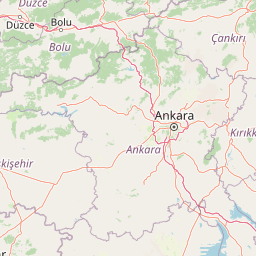
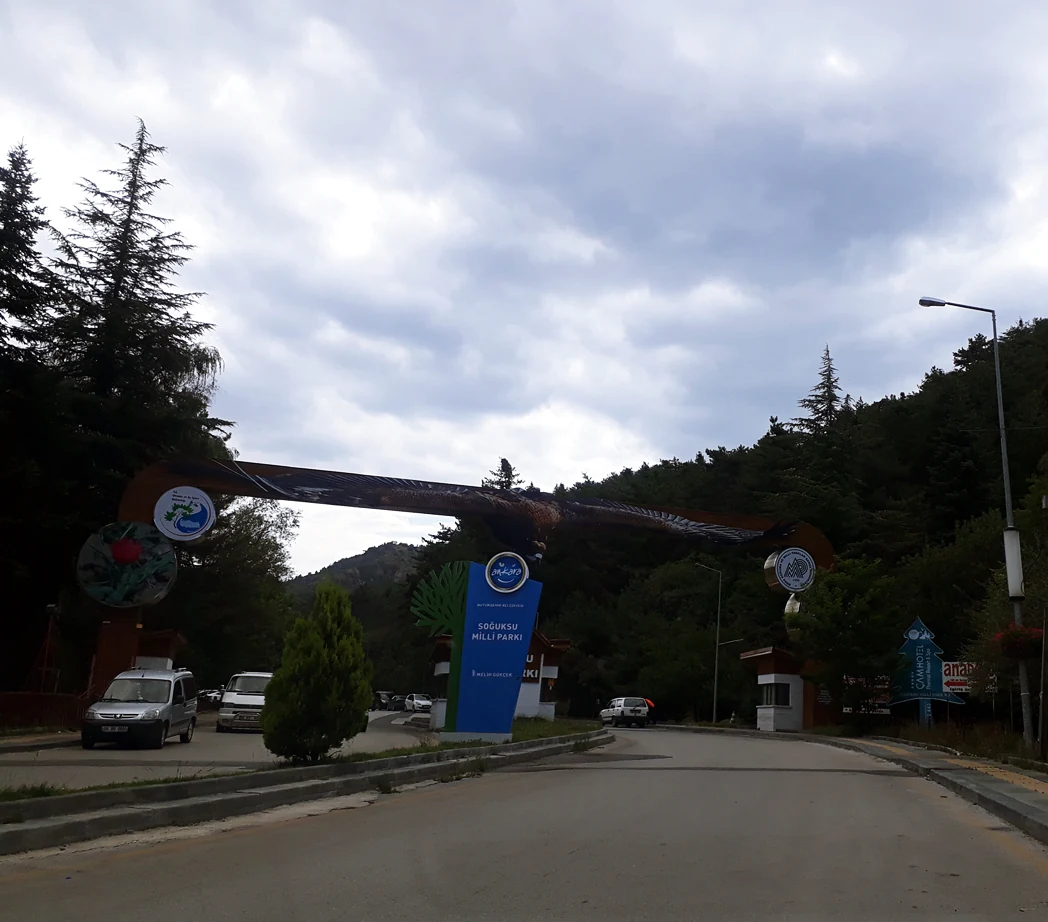
Soğuksu National Park is best known for its significant forest ecosystem in the heart of Anatolia, a region where dense woodland becomes increasingly rare as one moves southward into the central steppe. The park's mix of coniferous forest, rolling hills, and volcanic terrain creates a distinctive highland landscape. It is particularly notable for its population of cinereous vultures and other raptors that nest in the area, making it a destination for birdwatching. The presence of petrified wood fossils in the northern sector represents a unique geological feature, while the park's historical connection to Mustafa Kemal Atatürk, who rested beneath a pine tree in the area in 1934, adds cultural significance. The proximity to Ankara makes this one of the most accessible nature destinations for residents of the capital.
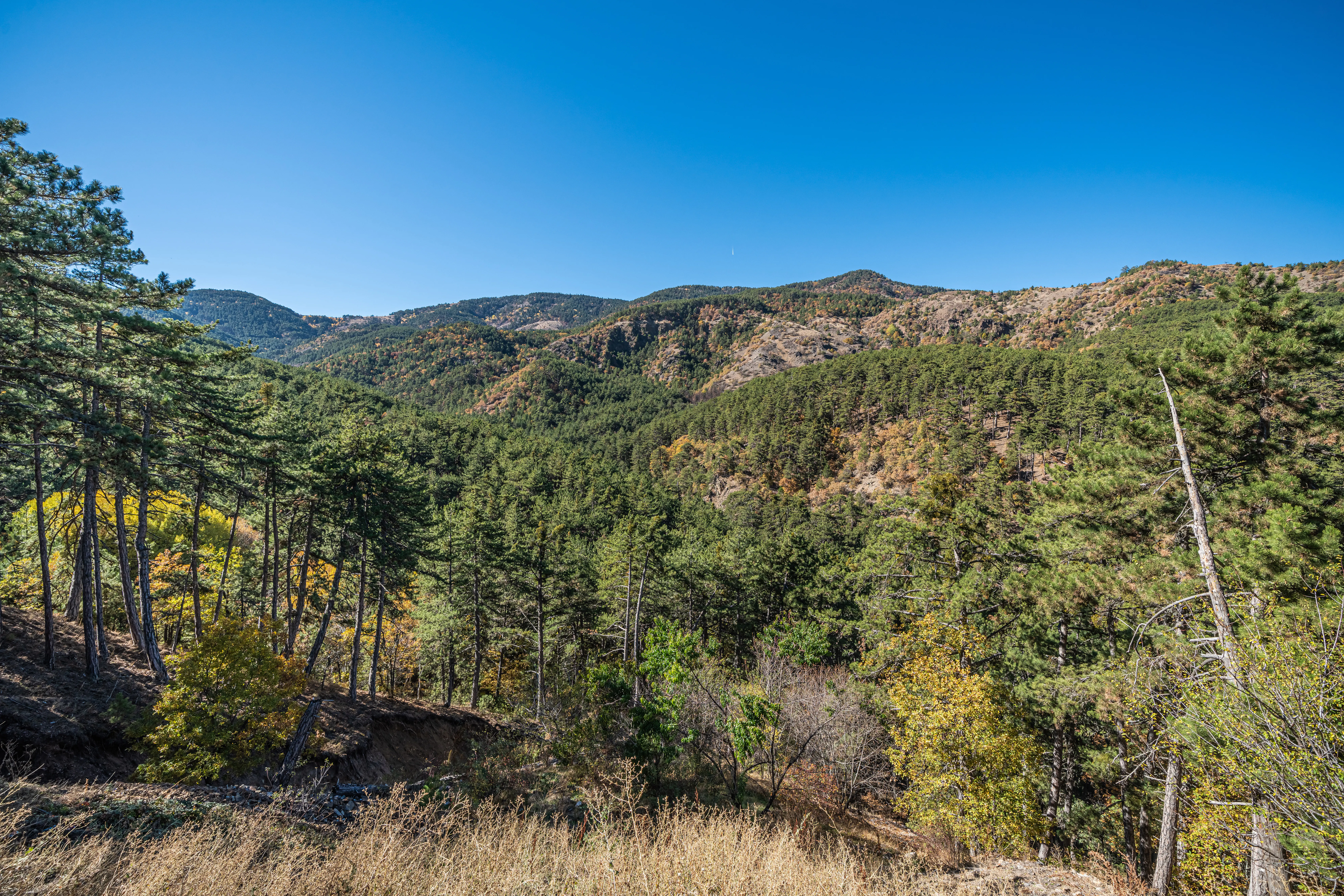
Soğuksu National Park history and protected-area timeline
Soğuksu National Park was established on February 19, 1959, making it one of Turkey's earliest national parks created under the country's post-war conservation framework. The initial protected area covered 1,050 hectares before being extended in 1979 to its current size of 1,187 hectares. The park was established to protect the significant forest ecosystem in this part of central Anatolia, where woodland is otherwise limited due to the region's continental climate and steppe conditions. The area has historical significance beyond its ecological value—the site known as Atatürk's Pine Tree marks where Mustafa Kemal Atatürk rested under a pine tree during a visit to the area in July 1934. This location remains a point of cultural heritage within the park, with an annual Atatürk Day commemorated at the site on July 18 each year. The Ministry of Forest and Water Management has administered the park since its establishment, developing visitor facilities and recreational infrastructure over the decades while maintaining protection of the core natural areas.
Soğuksu National Park landscape and geographic character
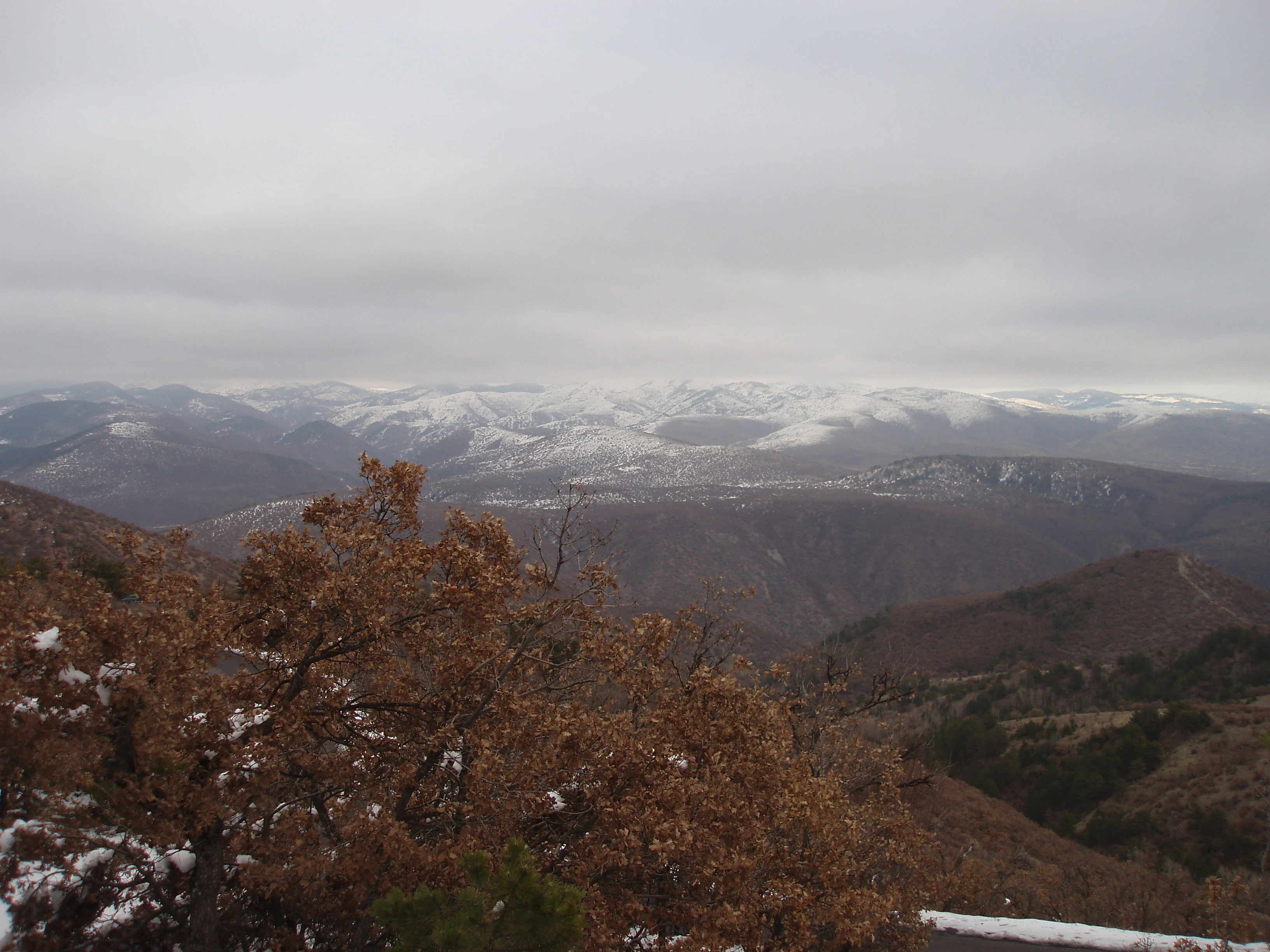
The landscape of Soğuksu National Park is defined by its volcanic origin and position in a transition zone between two major geographical regions of Turkey. The terrain is rugged and hilly, with elevations ranging from 1,030 meters in the valley floors to 1,800 meters at the highest peaks. The most prominent summits are Arhut Hill at 1,789 meters and Tolubelen Hill at 1,776 meters, while other notable elevations include Harmandoruk Hill, Çakmaklı's Doruktepe, Samrıdoruk Hill, Kayabelen Hill, Kel Hill, and Kara Hill. The park consists of plains interspersed between small valleys that drain into two main valley systems fed by seasonal streams—Batılganın Creek and Küçük Soğuksu Creek, both of which dry during the summer months. The underlying geology consists of volcanic rocks including andesite, basalt, tuff, and agglomerate, with hot springs and cold water sources emerging in various locations. In the northern part of the park, deposits of petrified wood dating to approximately 10-12 million years ago represent a remarkable geological feature, with one preserved trunk measuring 250 centimeters in length and 170 centimeters in diameter.
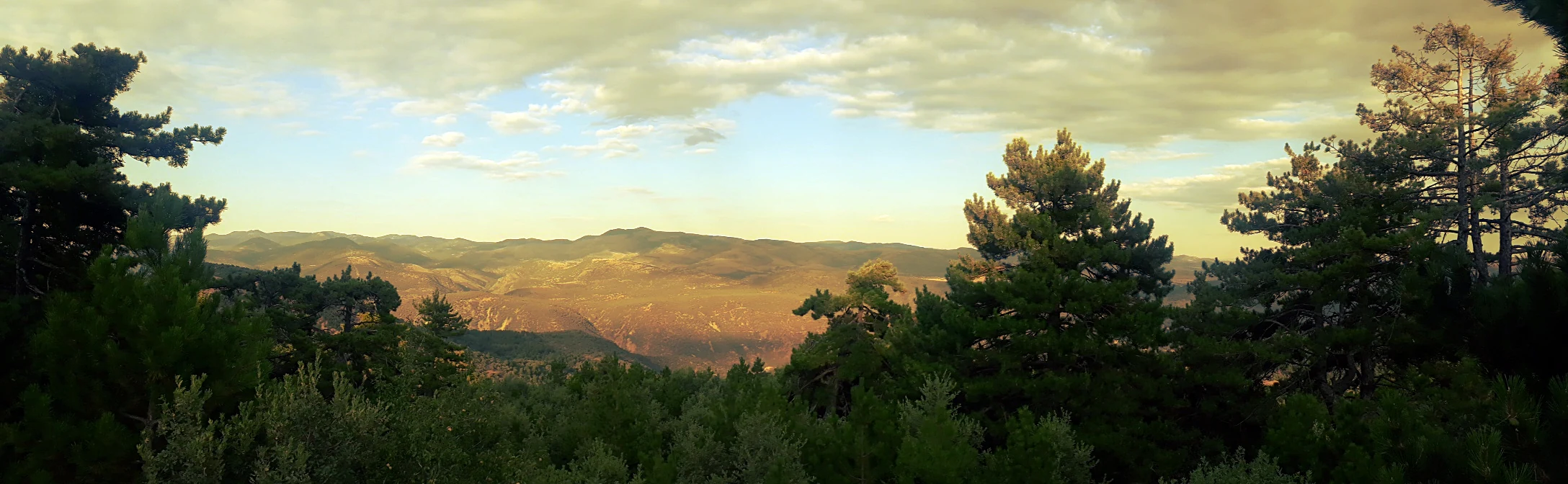
Soğuksu National Park ecosystems, habitats, and plant life
The forest ecosystem of Soğuksu National Park represents one of the most significant woodland areas in central Anatolia, characterized by European-Siberian vegetation types in an otherwise predominantly steppe region. The forests cover 933 hectares of the park's total area and are dominated by coniferous species—Scots pine accounts for approximately 65% of the tree cover, followed by larch at 24% and fir at 6%. Broadleaf species including oak, alder, aspen, maple, dogwood, and black locust contribute to the forest's diversity, collectively representing about 5% of the tree population. The understory and low vegetation include wild strawberry, wild rose, wild pear, dwarf juniper, wild hazelnut, and hawthorn, creating a layered habitat structure. This forest composition creates important ecological functions in the transition zone between the Black Sea region's humid forests and the continental interior, providing habitat for species adapted to both moist and drier conditions. The park's elevation range and varied topography further enhance habitat diversity across the protected area.
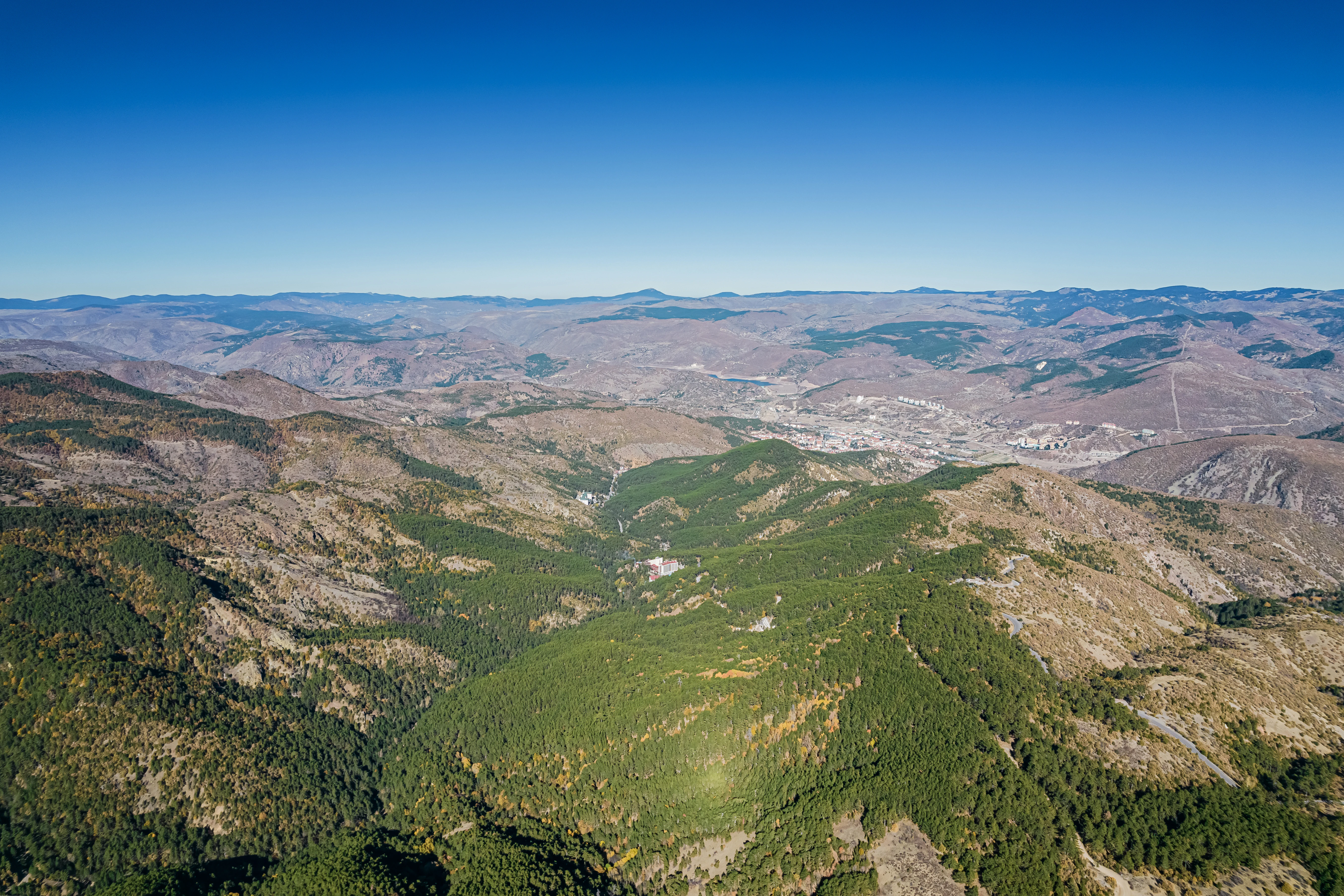
Soğuksu National Park wildlife and species highlights
Soğuksu National Park supports a rich avifauna of approximately 160 bird species, making it an important area for bird conservation in central Anatolia. The park is particularly significant for populations of near-threatened bird species, including the cinereous vulture (Aegypius monachus) and several eagle species that nest within the park boundaries. A dedicated birdwatching station was established in 2009 at the hillside of Kayabelen Hill to observe black vultures, with an associated feeding station located at Yanık Sırtı. The woodlands also support populations of larger mammals including red deer and roe deer, while species such as bear, wolf, fox, jackal, weasel, wild boar, rabbit, and squirrel are present in smaller numbers. The park maintains a bird hatchery operation that breeds chukar partridge, grey partridge, falcon, pheasant, quail, and pigeon species, contributing to conservation and potentially restocking efforts. This combination of forest-dwelling mammals, raptors, and breeding bird populations creates a relatively diverse wildlife community for a protected area in central Anatolia.
Soğuksu National Park conservation status and protection priorities
Soğuksu National Park represents an important conservation outcome in central Anatolia, protecting a forest ecosystem that would otherwise be vulnerable to logging, agricultural conversion, or degradation in this transition zone between climatically distinct regions. The park's establishment in 1959 reflected early recognition of the ecological value of this woodland area at a time when Turkey was developing its national park system. The forest ecosystem, representing European-Siberian vegetation, supports species that have limited habitat elsewhere in the region, while the presence of near-threatened bird species like the cinereous vulture adds international conservation significance. The park's management strategy divides the area, with only one-third designated for public recreation and the remaining two-thirds maintained as protected natural area to preserve core ecological functions. The volcanic geology and petrified wood deposits also represent geological heritage worth protection, while the hot springs and associated thermal waters contribute to the park's environmental diversity.
Soğuksu National Park cultural meaning and human context
The cultural significance of Soğuksu National Park extends beyond its natural features to include historical connections to Turkey's founding leader. The site known as Atatürk's Pine Tree marks where Mustafa Kemal Atatürk rested beneath a pine tree during a visit to the Kızılcahamam area in July 1934. This location has been preserved as a point of heritage within the park, and an annual Atatürk Day is held on July 18 to commemorate the historical visit. The surrounding region of Kızılcahamam has been known for its hot springs and thermal waters, which have attracted visitors for centuries and contributed to the area's reputation as a spa destination. The park sits within a landscape of small villages including Karacaören, Sazak, Saraycık, and Alveren, representing the rural communities that have historically interacted with this forested highland area.
Top sights and standout views in Soğuksu National Park
Soğuksu National Park offers a rare combination of accessible forest wilderness near Turkey's capital. The coniferous forests covering the hillsides represent a significant woodland ecosystem in central Anatolia where such coverage is uncommon. Birdwatching opportunities focus on the cinereous vulture and other raptor species that nest in the area, supported by dedicated observation facilities. The volcanic geology provides distinctive landscape character and petrified wood deposits approximately 10-12 million years old. Historical significance attaches to Atatürk's Pine Tree, where the republic's founder once rested in 1934. The 16-kilometer trail network, thermal spa facilities, and camping areas provide recreational infrastructure while only one-third of the park is developed, preserving the natural core.
Best time to visit Soğuksu National Park
The best time to visit Soğuksu National Park depends on the experience sought, but the summer months offer the most reliable access to trails and outdoor activities when the park's facilities are fully operational. The park's high elevation means temperatures are noticeably cooler than in Ankara or the surrounding lowlands, providing a welcome retreat during hot summer periods. Spring and autumn offer different character—the forests display seasonal color changes and the quieter conditions may suit those seeking more contemplative visits. Winter brings snow to the higher elevations and a dramatically different landscape, though some facilities may have reduced services. The transition climate between the Black Sea and Central Anatolia regions means weather patterns can vary, and visitors should be prepared for conditions that may differ from the nearby steppe or coastal areas.