
Why Soomaa National Park stands out
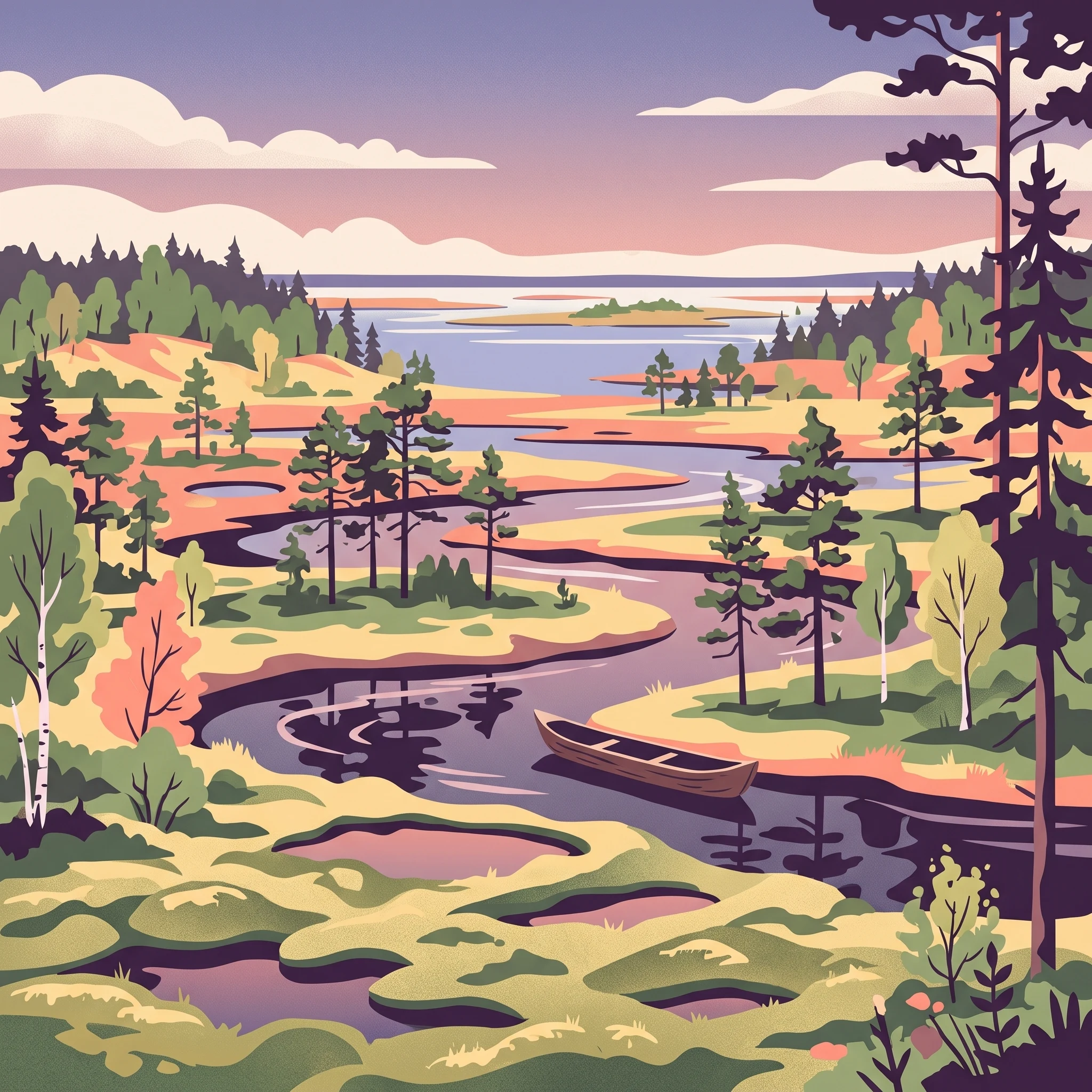
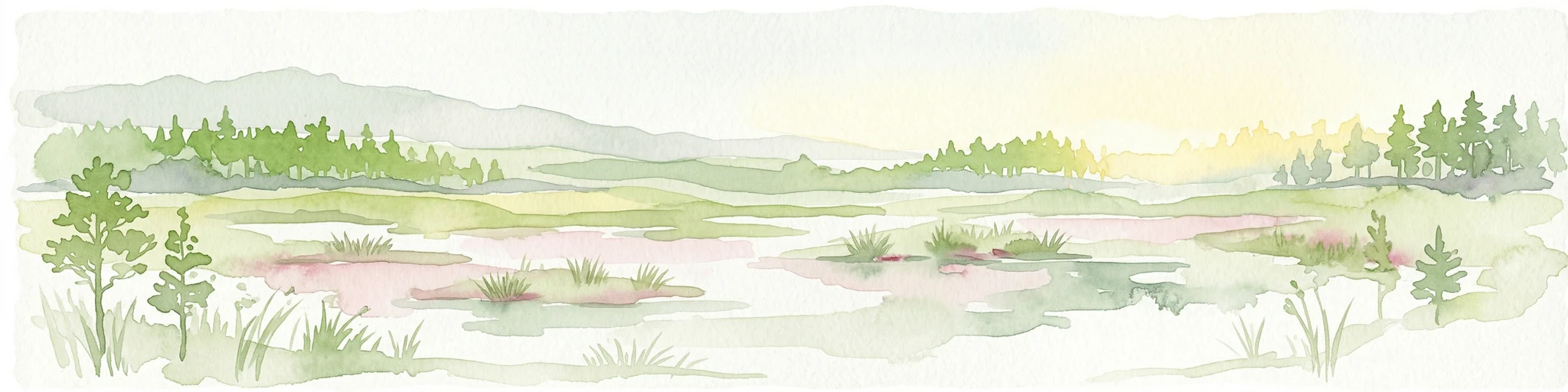
Soomaa is renowned for its dramatic seasonal floods, which create the largest regularly flooded area in Estonia and all of Northern Europe. The Riisa flood area can cover up to 175 square kilometres, transforming the wetland into a vast inland sea where raised bogs appear as islands in the water. The park contains Kuresoo Bog, one of the two best-preserved large bogs in Estonia with exceptional species diversity. Soomaa also preserves the tradition of dugout canoe (haabjas) building, believed to be the only place in Europe where this ancient craft survived into the 21st century. The PAN Parks certification awarded in 2009 recognizes Soomaa as one of Europe's premier wilderness areas.
Soomaa National Park history and protected-area timeline
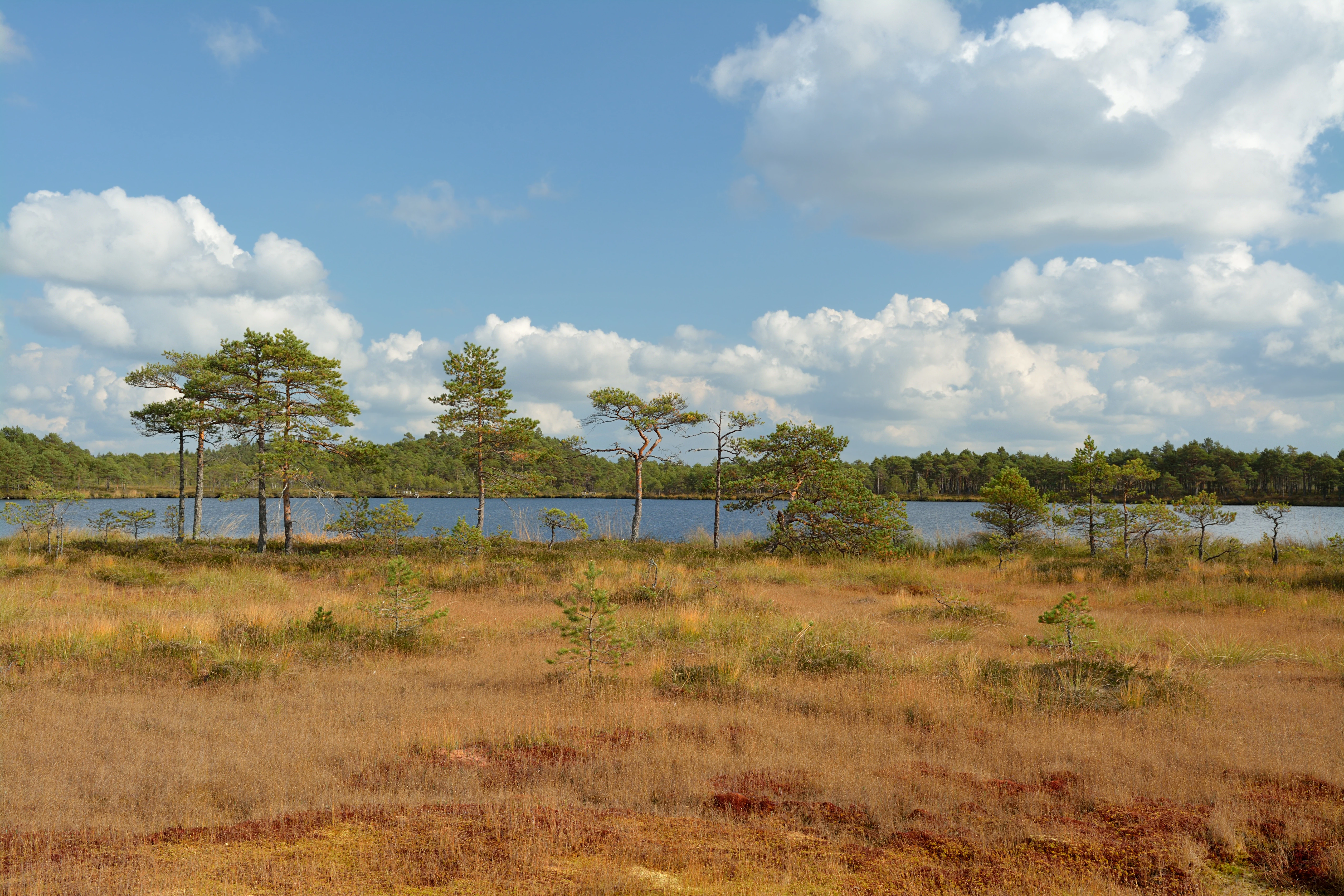
Soomaa National Park was established on 8 December 1993 to protect the extensive bog systems, floodplains, and natural landscapes of south-western Estonia. The park was created in response to growing recognition of the ecological value of Estonia's remaining wilderness areas and the need to preserve the country's largest intact peat bog complex. The name "Soomaa" was coined by academic Theodor Lippmaa to describe the bog landscapes spanning the border between South-Central and South-Western Estonia. Prior to establishment, the area had been subject to varying degrees of human activity, including limited forestry and agricultural use, but the remote and wet conditions prevented extensive development. In 1989, the area was designated an Important Bird Area, recognizing its significance for migratory and breeding bird populations. The Ramsar Convention designated Soomaa as a protected wetland site in 1997, and the park became part of the European Union's Natura 2000 network in 2004. In 2009, Soomaa achieved PAN Parks certification, becoming the largest certified wilderness area in Europe at that time, recognizing the park's success in combining strict nature protection with sustainable tourism development.
Soomaa National Park landscape and geographic character
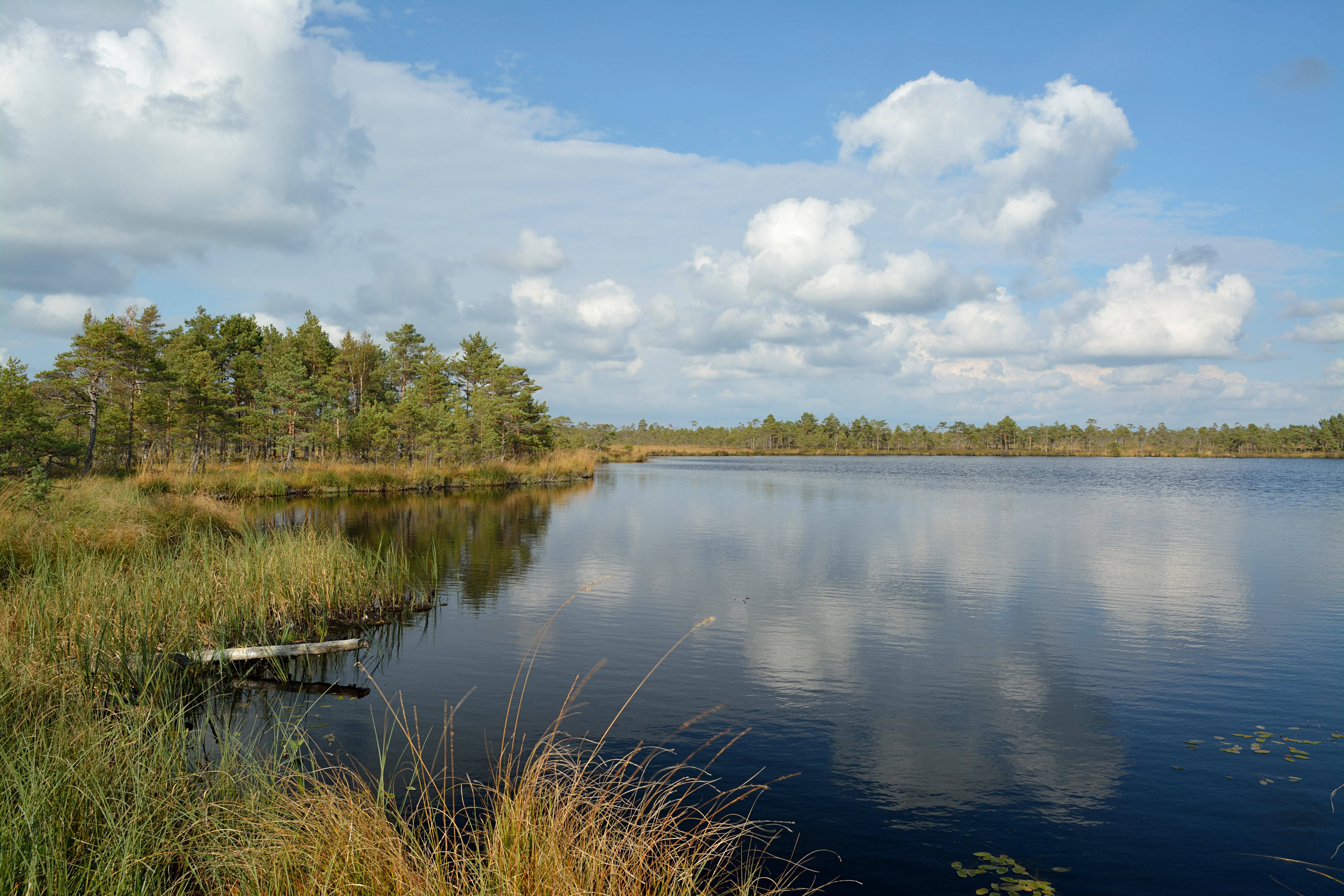
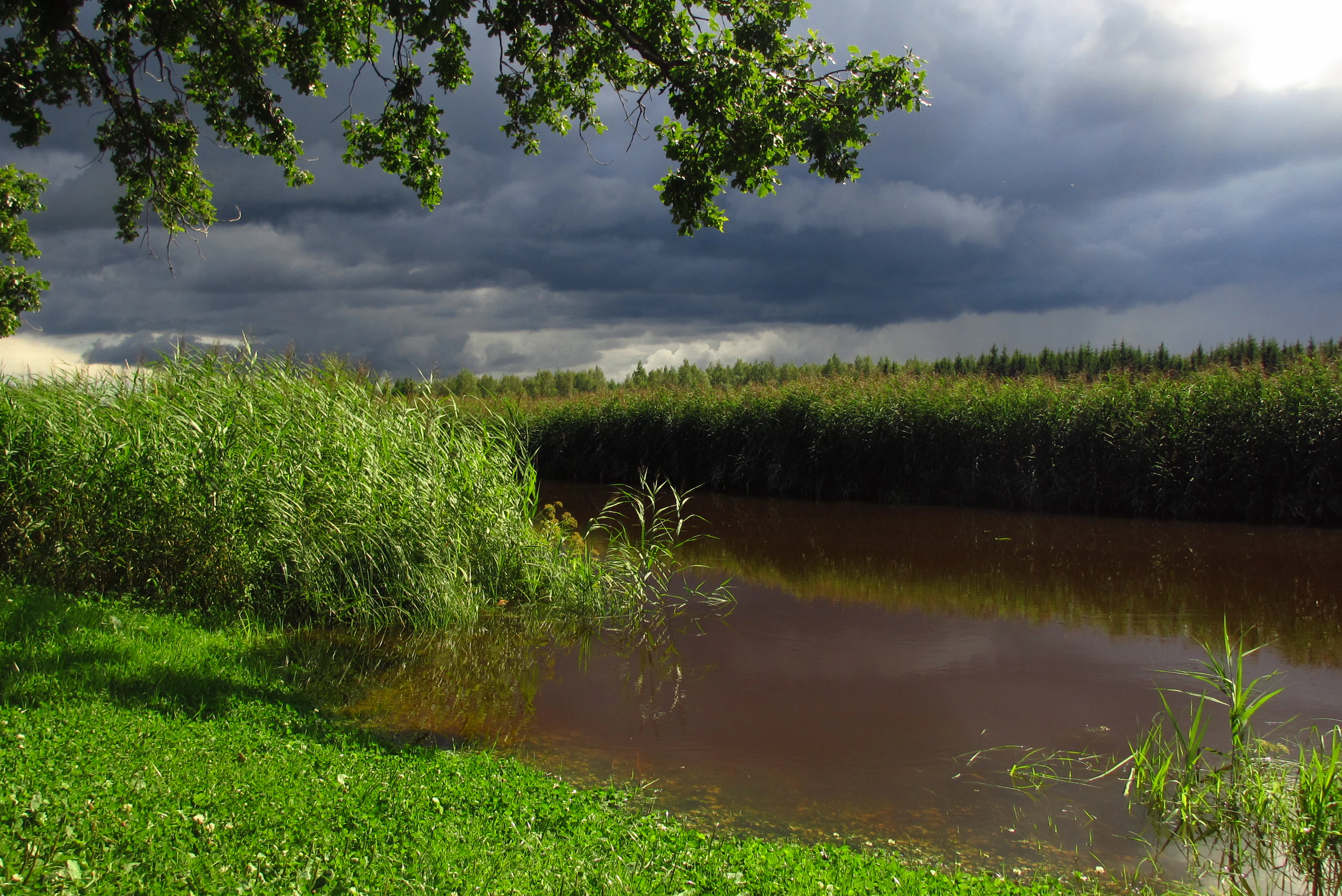
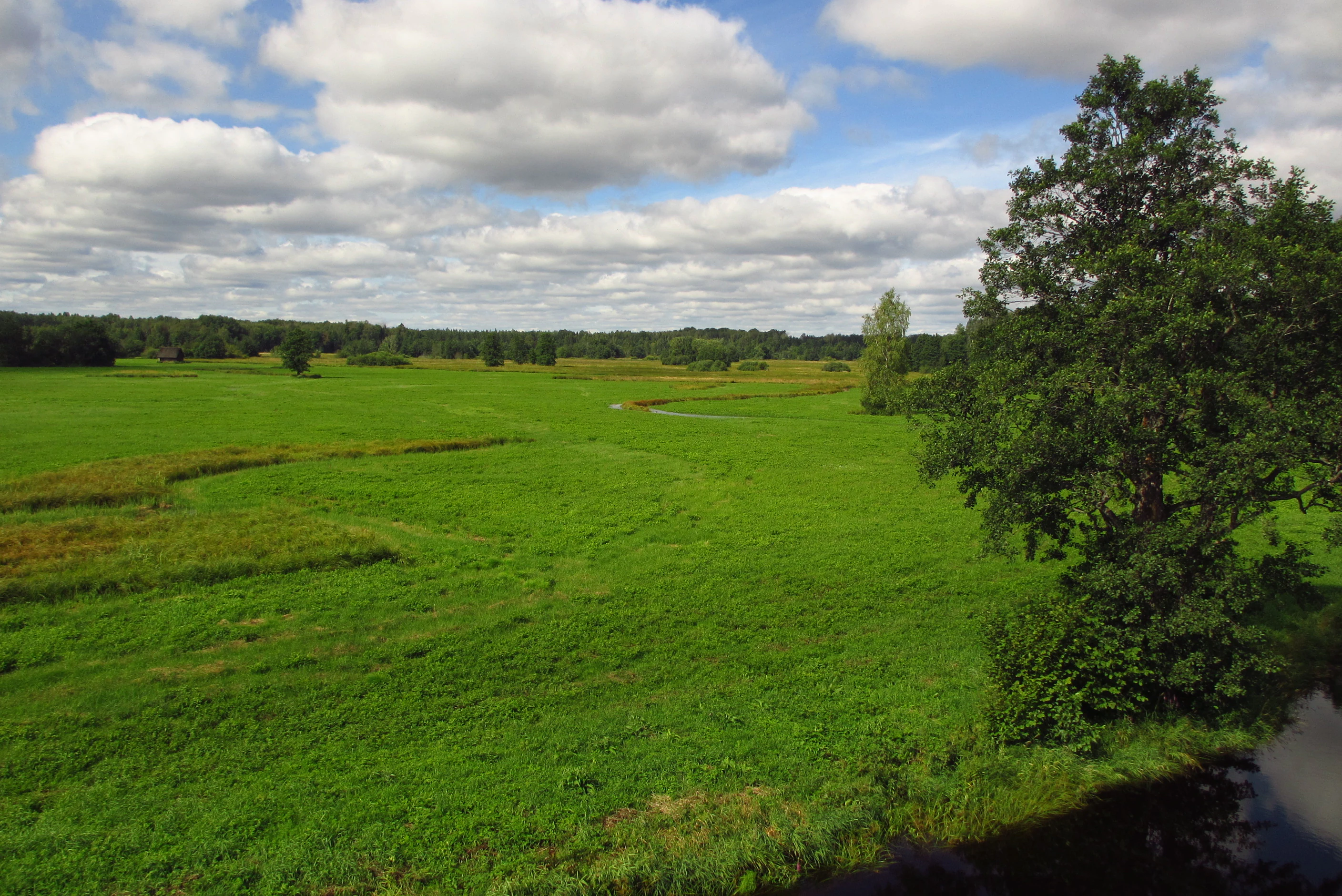
The physical landscape of Soomaa National Park is defined by its extensive peat bog systems, river valleys, and ancient dune formations. The raised bogs, some of the most pristine in Europe, form the park's core, with the steep southern slope of Kuresoo Bog rising eight metres over a distance of just 100 metres where it meets the Lemmejõgi river. The river system—comprising the Navesti, Halliste, Raudna, and Lemmjõgi—drains from the Sakala Upland and creates the corridors that separate the major bog complexes. The eastern edge of the park preserves the highest dunes on the Estonian mainland, relicts of the Baltic Ice Lake's predecessor coastline positioned approximately 50 kilometres inland from the contemporary Baltic Sea. The Ruunaraipe Dunes form a 1.2-kilometre-long sand ridge running northwest to southeast, reaching a maximum height of 12 metres. The flood plains between the bogs and rivers form seasonally inundated grasslands that become vast sheets of water during the spring melt, creating the phenomenon known as the "fifth season" when the entire wetland system transforms into a dynamic water landscape.
Soomaa National Park ecosystems, habitats, and plant life
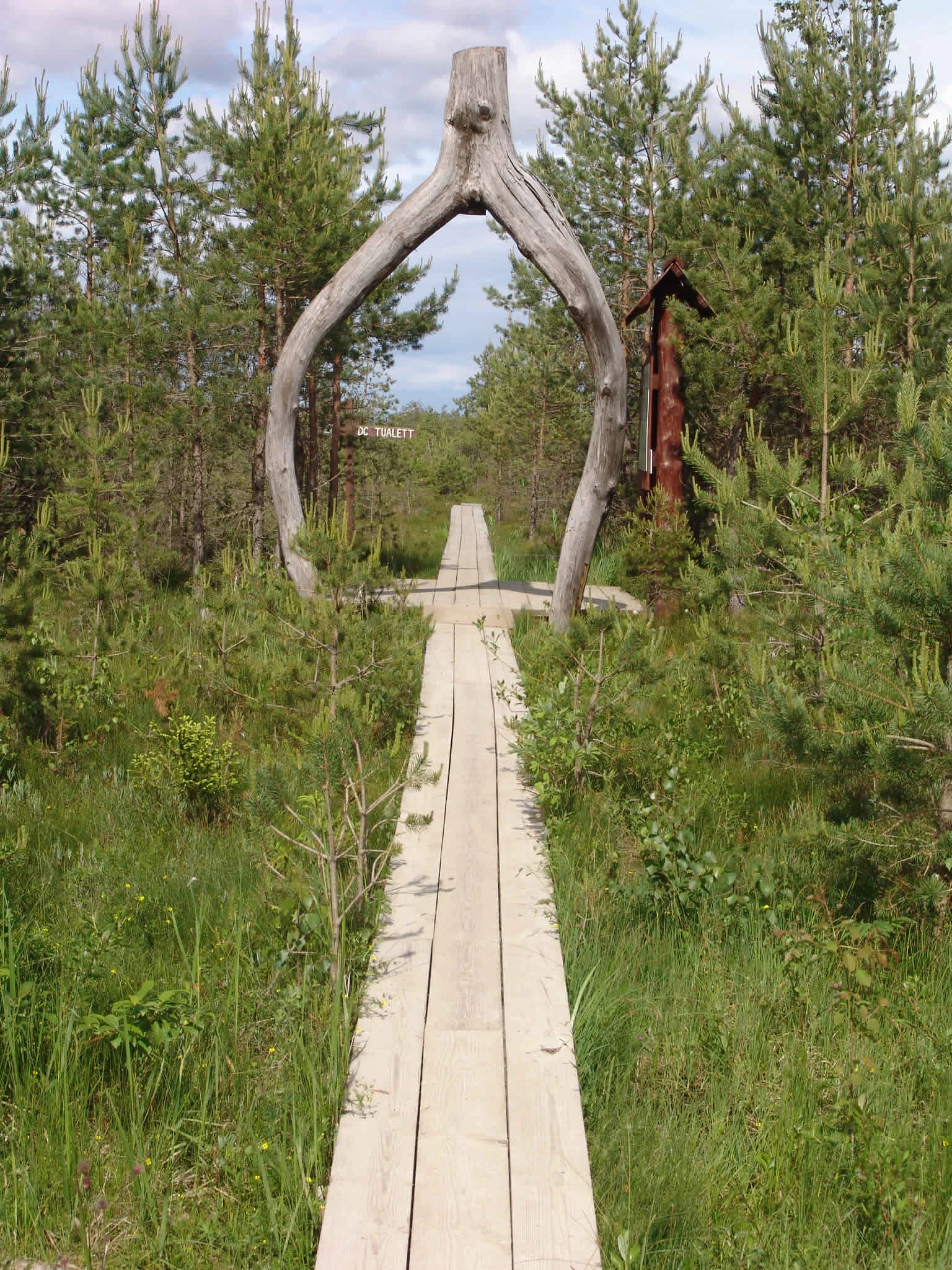
Soomaa National Park contains remarkable ecological diversity across its bog, forest, and wetland habitats. The park supports approximately 540 species of vascular plants, over 200 species of mosses, and around 360 species of fungi, with at least 29 protected species among them. The alluvial meadows and forests along the riverbanks hold particular botanical value, supporting species such as Gladiolus imbricatus, Iris sibirica, and Sedum telephium. The unique swamp forests known as carr surrounding the water bodies represent a specialized habitat type of special interest. The raised bogs support distinctive bog vegetation adapted to acidic, nutrient-poor conditions, while the paludified forests—woodlands growing on peat soils—create transition zones between open bog and upland forest. The flood plain grasslands provide seasonal habitat for numerous species, and the river systems connect the various habitat types, supporting aquatic life throughout the year.
Soomaa National Park wildlife and species highlights
Soomaa supports exceptional wildlife populations that reflect its status as one of Estonia's most important wilderness areas. The bird fauna is particularly notable, with the park regularly supporting more than one percent of the European populations of Bewick's swan and common crane. During autumn migration, approximately 1,000 common crane and 500 Bewick's swan use the area as a stopover and roosting site, while spring migration brings around 2,000 Bewick's swan. Kuresoo Bog hosts one of the most representative bird communities in Estonia, including golden eagle, more than 100 pairs of Eurasian whimbrel, approximately 150 pairs of European golden plover, dunlin, merlin, willow ptarmigan, and Montagu's harrier. The floodplain meadows support 50 to 100 pairs of corncrake. The park serves as important spawning ground for northern pike. Large mammals include roe deer, elk, and wild boar as the most numerous species, along with Eurasian beaver, Eurasian lynx, grey wolf, and brown bear. The park and its surroundings serve as one of the main research areas for large carnivores in Estonia, with telemetry studies on lynx and wolf populations conducted since 2004.
Soomaa National Park conservation status and protection priorities
Soomaa National Park represents one of the most significant conservation areas in the Baltic region and holds multiple international designations recognizing its ecological importance. The park's designation as an Important Bird Area since 1989 reflects its critical role for migratory waterfowl and breeding bog birds. Its Ramsar status since 1997 recognizes the international significance of its wetland ecosystems, while inclusion in Natura 2000 since 2004 integrates it into Europe's protected area network under the EU Birds and Habitats Directives. The PAN Parks certification awarded in 2009 recognized Soomaa as the largest intact peat bog system in Europe preserved as wilderness, highlighting its exceptional value for biodiversity conservation. The European Commission's designation of Soomaa as a supreme nature holiday destination in 2009 further acknowledged the park's success in balancing conservation with sustainable visitor experiences. The park's extensive peat stores also represent significant carbon reserves, and the intact hydrological systems maintain water quality and regulate flow for downstream areas.
Soomaa National Park cultural meaning and human context
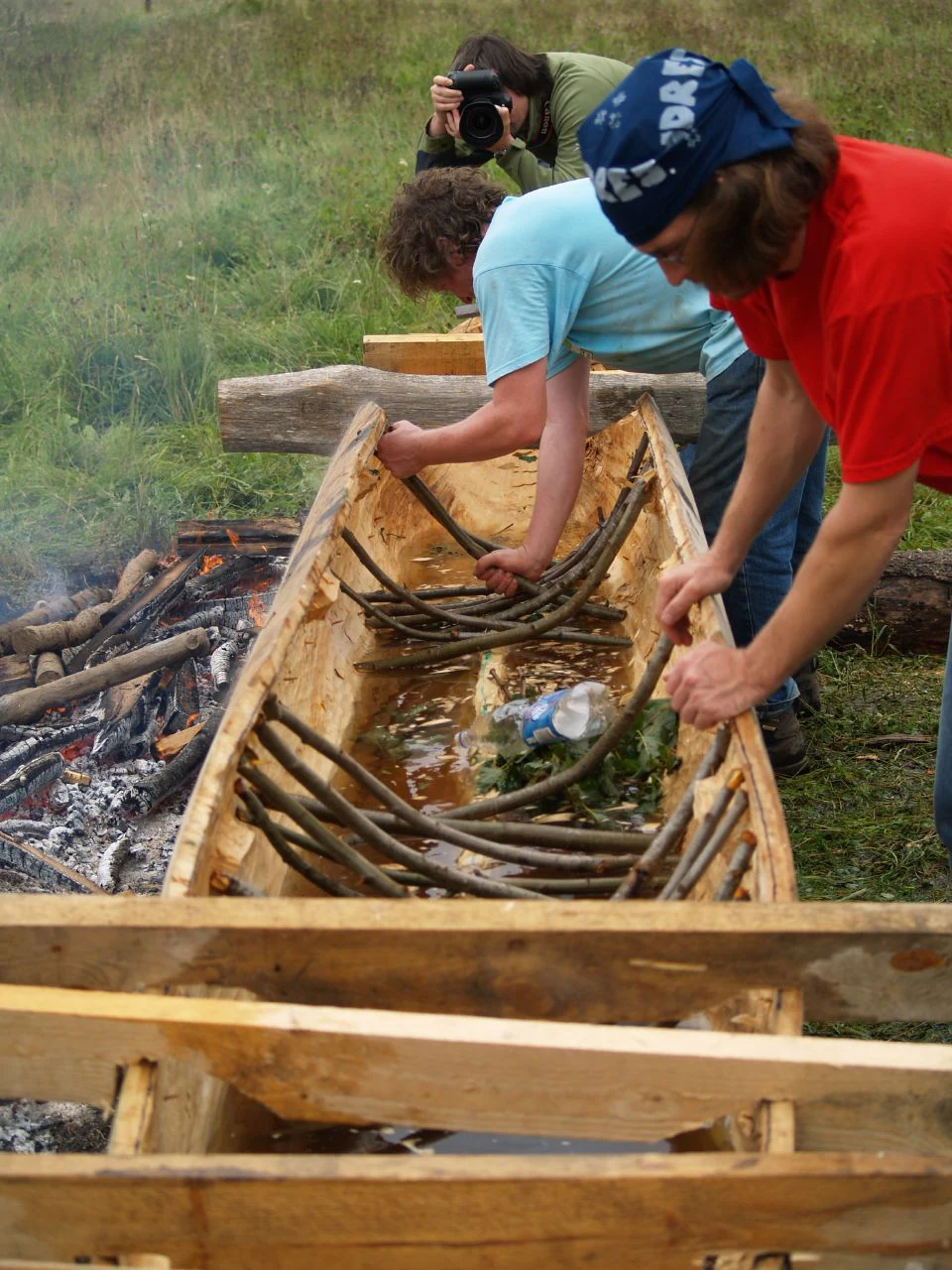
The Soomaa region has experienced dramatic demographic changes over the past century, with the human population decreasing more than tenfold since the mid-20th century to just 87 residents according to 2011 municipal records. This depopulation has resulted in the loss of both tangible and intangible cultural heritage, though efforts to preserve remaining traditions and knowledge continue through various projects. The remote character of Soomaa preserved a unique tradition of dugout canoe (haabjas) building that likely survived nowhere else in Europe, continuing into the 20th and 21st centuries. Recent decades have seen a revival of interest in this traditional craft, with log-boat building camps organized during summer months. The landscape contains traditional place names (toponyms) that reveal historical land use patterns and hold cultural significance for modern conservation efforts. Organizations including the Estonian Fund for Nature, the Tipu Nature School, and Mardu Studio work to support the park's administration and preserve remaining cultural heritage through educational programs and community initiatives.
Top sights and standout views in Soomaa National Park
Soomaa National Park protects one of Europe's largest intact peat bog wilderness areas, with five major bog systems forming the core of a dynamic wetland landscape. The dramatic spring floods, known as the "fifth season," create Northern Europe's largest regularly flooded area, transforming the park into a vast aquatic landscape where raised bogs appear as islands. The park's bird populations are internationally significant, supporting major concentrations of Bewick's swan, common crane, and breeding populations of waders and birds of prey. Kuresoo Bog ranks among Estonia's two best-preserved large bogs. The park preserves Europe's only surviving tradition of dugout canoe building. The PAN Parks certification recognizes excellence in combining strict wilderness protection with sustainable tourism. The ancient dune formations on the park's eastern edge preserve landscape features from the Baltic Ice Lake period.
Best time to visit Soomaa National Park
Soomaa can be explored throughout the year, with each season offering distinct experiences. The spring flood season, typically occurring at the end of March or early April, creates the park's most dramatic landscape transformation when water can rise by a metre per day, flooding the river valleys and creating the famous "fifth season" experience. This is the optimal time for canoeing through the flooded areas, though conditions require careful timing and local knowledge. The summer months from May through August offer stable conditions for hiking the network of trails, with the visitor centre providing maps and guides for self-guided exploration. The autumn migration from September to November brings large concentrations of cranes and swans, making this an excellent season for birdwatching. Winter, when the wetlands freeze solid, enables snowshoe and cross-country skiing excursions across the frozen bogs. The canoeing season extends from April through October, with the traditional dugout canoe trips providing a distinctive way to experience the waterways.