
Why Subotička Peščara stands out
Subotička Peščara is best known for its rare inland dune ecosystem in the heart of the Pannonian Plain, representing one of Serbia's most significant sand habitat complexes. The area is recognized internationally as an Important Bird Area due to the presence of approximately 170 bird species. It contains the only Serbian location of the Meadow Saffron (Colchicum autumnale), a botanical rarity with national significance. The habitat also supports extremely rare species including a Panonian subspecies of blind mole rat and the marsh glutton butterfly, both dependent on very specific ecological conditions.
Subotička Peščara history and protected-area timeline
The history of Subotička Peščara is closely tied to human attempts to stabilize and utilize this challenging sandy terrain. Geological evidence indicates the sand deposition occurred during the younger Pleistocene epoch through a process where summer glacial melt carried sand and silt from alpine and Carpathian sources, which was then redistributed by winter winds across the loess and sandy terrain. Historical records from Austro-Hungarian military surveys document the dynamic process of deforestation and subsequent sand movement that transformed the landscape. The first organized afforestation effort was conducted in spring 1771 in areas known as Jasenovac and Agina bara. Throughout subsequent centuries, various reforestation programs were implemented to bind the shifting sands, creating the forested character that now dominates much of the area. In 2002, the area received formal protected status as a Landscape of Outstanding Features, recognizing its ecological significance and unique character within Serbia's natural heritage.
Subotička Peščara landscape and geographic character
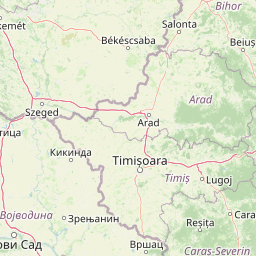
The physical landscape of Subotička Peščara is defined by its aeolian origins and the resulting dune topography. The terrain features a series of elongated sand dunes oriented parallel to the prevailing northerly and northwesterly winds that predominate throughout most of the year. Dune heights typically range from 4 to 6 meters, while the underlying sand and loess deposits reach depths of 100-140 meters. The landscape is characterized by the contrast between dry dune crests and moisture-retaining interdune depressions, where clay substrates create periodically flooded conditions that support distinct wetland habitats. The highest points reach approximately 137 meters above sea level in the northwestern portion, while the lowest areas around Horgoš drop to about 95 meters. The eastern sector follows the meandering course of the Kereš river, which forms part of the border with Hungary.
Subotička Peščara ecosystems, habitats, and plant life
The ecological character of Subotička Peščara is defined by a mosaic of habitat types—sandy, steppe, and wetland—resulting from the interaction of edaphic, climatic, and hydrological factors. The area exhibits a forest-steppe character with both larger and smaller woodland complexes, most of which are of anthropogenic origin following centuries of afforestation. The vegetation includes both native and introduced species, with robinia (black locust), elm, and American ash dominating the plantation forests, while native grey and white poplar occur only in small self-set stands. Historical evidence from geobotanical and pollen research indicates that pedunculate oak once covered much of the area but has been nearly eliminated through human activity. The most significant habitats are the wetlands formed on lowland peat deposits in the Kereš river valley and the Selevenj stubble areas, where sand depressions meet wet meadows of saline character. These support remarkable displays of wildflowers in spring, including orchids, crocuses, and irises. The flora includes several endemic and subendemic species for which this represents the only known location in Serbia, including the sand crocus, late carnation, sand iris, and various grasses.
Subotička Peščara wildlife and species highlights
Subotička Peščara supports remarkable biodiversity, with approximately 170 bird species recorded within its boundaries—these numbers have earned the area recognition as an internationally significant Important Bird Area (IBA). The mammalian fauna includes several rodent species, with the lesser mole rat being particularly notable. The area also supports populations of steppe lizards, marsh turtles, and the European roller. Of exceptional conservation significance are two recently discovered species: a small population of the marsh glutton butterfly (a rare species dependent on the specific combination of bloody warrior plant and certain ant species) and a Panonian subspecies of blind mole rat (Nannospalax leucodon superspecies montanosyrmiensis), whose entire global population is restricted to the Carpathian Basin. The blind mole rat population, consisting of approximately 100 individuals, has retreated to the last remaining unploughed steppe areas along the state border, representing a significant and practically sensational finding given previous assumptions that this population had become extinct.
Subotička Peščara conservation status and protection priorities
Subotička Peščara holds significant conservation value as one of Serbia's rare inland dune ecosystems and as a component of the broader Pannonian sand habitat network. The area's designation as a Landscape of Outstanding Features reflects recognition of its ecological, geomorphological, and biodiversity significance. The presence of endemic plant species found nowhere else in Serbia, the internationally recognized bird population, and the existence of globally threatened species like the Panonian blind mole rat subspecies all contribute to its conservation importance. The Selevenj stubble area within the complex functions as a strict nature reserve. The transboundary nature of the dune system, continuing into Hungary's Kiskunság region, emphasizes the need for coordinated conservation approaches across national boundaries. The mosaic of habitats—ranging from dry sandy dunes through steppe grasslands to wetland depressions—creates conditions for exceptional species diversity within a relatively limited geographic area.
Subotička Peščara cultural meaning and human context
The Subotička Peščara landscape has been intimately connected to human settlement and land use patterns in the Bačka region for centuries. The area around Subotica historically supported important viticulture, with the sandy soils producing quality wines including Riesling, Blue Franconia (Modra franokvka), and Kadarka varieties. The town of Horgoš itself is largely situated on sandy terrain, and the broader region includes scattered settlements such as Mali Pesak and Mala Pijaca associated with the sand complex. The landscape forms part of the broader Bačka region, which has been shaped by the interplay of various ethnic and cultural groups throughout history, with the area's proximity to the Hungarian border reflected in the bilingual character of many local place names.
Top sights and standout views in Subotička Peščara
The rare inland dune ecosystem at Subotička Peščara represents one of Serbia's most distinctive natural landscapes, forming a transboundary habitat complex with Hungary's Kiskunság region. The area's significance is underscored by its population of approximately 170 bird species, the presence of nationally rare plant species including the only Serbian location of Meadow Saffron, and the discovery of globally significant species such as the Panonian subspecies of blind mole rat. The mosaic of forest, steppe, and wetland habitats created by the interaction of sandy, clay, and peat substrates supports exceptional biodiversity within a relatively compact area.
Best time to visit Subotička Peščara
The continental climate of Subotička Peščara creates distinct seasonal experiences. Spring, particularly late April and May, brings remarkable wildflower displays in the wetland depressions, with orchids, crocuses, and irises creating natural carpets across the meadows. The hot summer months can bring desert-like conditions with temperatures reaching 40°C in August, making early morning or late afternoon visits more comfortable. Autumn offers milder temperatures and the changing colors of the plantation forests, while winter can be starkly beautiful though temperatures may drop to -27°C in February. The area receives approximately 2,141 hours of annual sunshine, making it one of the sunniest regions in Serbia.