Why Ta' Qali National Park stands out
Ta' Qali National Park is best known as Malta's largest urban park and a major venue for public events and concerts. The park's concert area, spanning 14,700 square metres, has become a flagship venue for major cultural events including the annual Earth Garden festival and Farsons Beer Festival. It also houses Malta's first dedicated dog park, opened in 2012, and a popular adventure zone for children. The park's transformation from a wartime airfield to a modern recreational facility represents one of Malta's most significant green-infrastructure projects.
Ta' Qali National Park history and protected-area timeline
The site that now comprises Ta' Qali National Park was originally part of RAF Ta' Kali, a wartime airfield with grass runways that played a significant role during the Second World War. The airfield was operational during the Siege of Malta, when the island faced intense bombardment while maintaining its strategic importance as a British naval base. Following the end of the war and the conclusion of RAF operations, the former airfield land was progressively decommissioned and converted to civilian recreational use.
In May 2019, the Maltese government announced comprehensive plans to expand and upgrade the park, including new trails and amenities. A multi-year regeneration programme began in 2020, representing one of Malta's most ambitious green-infrastructure projects. The works have been led by Public Works entities, and by 2023, a specialised management unit was established to coordinate large public-realm projects including Ta' Qali.
A significant milestone came on 4 May 2024 when the Prime Minister inaugurated a €16 million concert zone within the park, the culmination of months of finishing works. By April 2025, further progress was reported on the regeneration of the Picnic Area, which is heavily used by families each weekend. The regeneration has included procurement of irrigation water supply systems and construction of accessibility features at the Concert Area.
Ta' Qali National Park landscape and geographic character
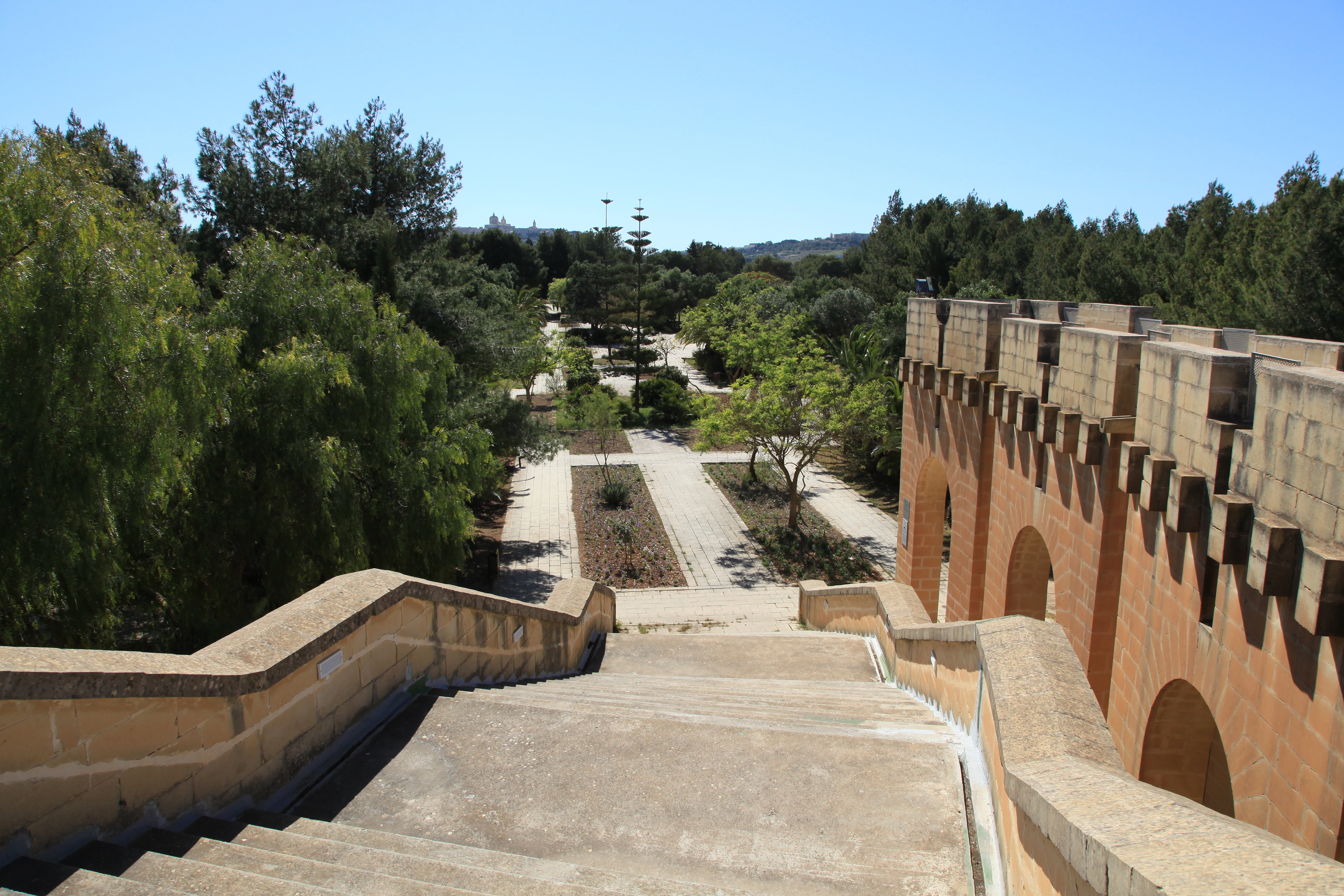
The landscape of Ta' Qali National Park reflects its origins as a military airfield, now transformed into a planned urban green space. The terrain is predominantly flat, consistent with its former use as a runway and dispersal area. The park is characterised by a mix of formal landscaped gardens, open grass lawns, and tree-lined pathways.
The Formal Garden area features designed planting beds, paving, and irrigation systems, creating a more structured horticultural environment compared to the open recreational zones. The broader park includes scattered mature trees and shrubs, with approximately 1,500 trees and shrubs having been planted as part of ongoing afforestation and landscaping works.
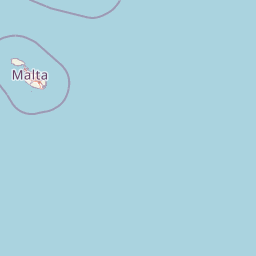
The park's setting within central Malta places it in an urban context, surrounded by residential areas, the National Stadium, and other institutional buildings. Unlike natural parks with dramatic topography, Ta' Qali's landscape is defined by its designed recreational spaces and the contrast between formal garden areas and open lawn recreation zones.
Ta' Qali National Park ecosystems, habitats, and plant life
The ecological character of Ta' Qali National Park is that of a managed urban green space rather than a natural wilderness area. The park's vegetation consists of cultivated gardens, planted trees, and maintained lawns, created through deliberate landscaping and afforestation efforts rather than natural succession. Ongoing planting programmes have introduced approximately 1,500 trees and shrubs alongside upgraded irrigation systems, building on earlier reforestation initiatives.
The park's nature offerings focus on providing green space within Malta's densely populated central region, rather than protecting significant natural habitats or ecosystems. The petting farm provides family-friendly interactions with small domestic animals. The managed nature trails allow visitors to explore the planted areas while the formal gardens demonstrate ornamental horticulture appropriate for Malta's Mediterranean climate.
Ta' Qali National Park wildlife and species highlights
Wildlife at Ta' Qali National Park reflects its character as an urban recreational park rather than a natural habitat preserve. The petting farm provides close encounters with domestic animals including goats, sheep, rabbits, and other small farm animals popular with children. Birdlife in the park includes common species attracted to the green spaces and trees, though the park does not serve as a significant habitat for rare or protected bird species.
The park's value for wildlife is primarily indirect, providing green space within Malta's urban environment that offers some habitat elements for common urban-adapted species. The trees and shrubs planted throughout the park provide nesting and foraging opportunities for urban birds, while the open areas attract various insects and other small creatures typical of maintained grassland.
Ta' Qali National Park conservation status and protection priorities
Ta' Qali National Park's conservation significance lies primarily in its role as Malta's largest urban green space and its contribution to the island's limited green infrastructure. While not a nature reserve protecting significant ecological habitats, the park represents an important green lung within Malta's densely built central region.
The ongoing regeneration programme has emphasised sustainable practices including water-efficient irrigation systems and the extensive tree planting programme with approximately 1,500 trees and shrubs. These efforts contribute to carbon sequestration, urban cooling effects, and biodiversity enhancement within the urban fabric. The park also serves an important recreational function in preserving green space for community use as Malta faces pressures from urban development.
The management approach focuses on balancing recreational facilities with green space preservation, though the development of the concert area has generated public discussion about the appropriate balance between event infrastructure and open green space.
Ta' Qali National Park cultural meaning and human context
Ta' Qali National Park occupies a site with significant modern Maltese history, having served as RAF Ta' Kali during the Second World War. The airfield played a role in Malta's wartime defence during the Siege of Malta, one of the most challenging periods in the island's modern history. While the physical remains of the wartime airfield have been largely transformed, the site's historical association remains part of its identity.
The park's name derives from the locality of Ta' Qali, and it holds a place in Maltese cultural life as a primary venue for community events and gatherings. The annual Earth Garden festival and Farsons Beer Festival have become established events in the Maltese calendar, drawing large crowds to the park. The adjacent Ta' Qali Crafts Village and Malta Aviation Museum add to the cultural context of the area, creating a hub for recreation, heritage, and community activities.
The park serves as a gathering space for families and community groups, particularly on weekends when the Picnic Area sees heavy use. This social function represents an important aspect of Maltese urban culture, where gathering spaces in the limited land-available island nation carry particular value.
Top sights and standout views in Ta' Qali National Park
Ta' Qali National Park stands as Malta's largest and most significant urban park, representing a major green-infrastructure project on an island with limited open space. The park's transformation from a WWII airfield to a modern recreational facility is unique among European parks. The 14,700 square metre concert venue has become a premier cultural venue hosting major festivals and events that draw visitors from across Malta. The presence of Malta's first dedicated dog park, established in 2012, demonstrates the park's role in pioneering recreational facilities. The ongoing regeneration programme, representing an investment of many millions of euros, continues to develop the park's facilities and green spaces.
Best time to visit Ta' Qali National Park
Ta' Qali National Park is open year-round and can be enjoyed in any season, though the optimal time for outdoor recreation is during the cooler months from autumn through spring. The Mediterranean climate means summer temperatures can be very high, making midday visits uncomfortable. Early morning or late afternoon visits are preferable during warmer months. The park sees particularly high weekend usage, especially on Saturdays and Sundays when families gather at the Picnic Area. Major events such as Earth Garden and the Farsons Beer Festival draw large crowds during summer months, offering a different experience for those interested in Maltese cultural events.