Why Tablas de Daimiel National Park stands out
Tablas de Daimiel is best known as one of Spain's most important inland wetland ecosystems and a crucial stopover for migratory birds across the Iberian Peninsula. The park protects the last remaining example of the traditional "tablas fluviales" floodplain wetland system, a rare landscape formed when rivers overflow in their middle stretches across nearly flat terrain with limited slope. Its exceptional ecological significance derives from the convergence of two rivers with different salinity levels, fresh water from the Guadiana aquifer and brackish water from the Gigüela, creating habitat diversity that supports unusual plant and animal communities. The park is renowned for its significant populations of ducks, geese, herons, egrets, and grebes, with over 200 species of birds recorded. The extensive beds of great fen-sedge (Cladium mariscus) represent one of the largest remaining formations of this species in Western Europe. The park's vulnerability to water scarcity and its ongoing battle against aquifer overexploitation have also made it a symbol of wetland conservation challenges in Mediterranean Europe.
Tablas de Daimiel National Park history and protected-area timeline
The history of Tablas de Daimiel as a protected space stretches back centuries, with the site's ecological value recognized long before formal conservation measures existed. As early as 1325, the infante Don Juan Manuel documented the exceptional qualities of the Gigüela riverbanks for falconry in his hunting treatise "Libro de la caza," demonstrating the long-standing appreciation for the area's wildlife. In 1575, King Philip II ordered the compilation of the Topographic Relations of Philip II, which explicitly commanded that the Tablas be well maintained, marking one of the earliest official recognitions of the need to protect this wetland.
The water resources of the area historically supported not only hunting but also fishing and milling operations, establishing a human relationship with the wetland that continued for generations. The ecosystem's value for waterfowl hunting persisted into the twentieth century, providing informal protection even as broader political currents favored wetland drainage. In the 1950s, the Spanish government promoted land reclamation projects across La Mancha aimed at reducing wetland areas for agricultural development. Despite this official policy, the area maintained some protection, with General Prim hunting there in 1870 and King Alfonso XII in 1875. In 1966, the Tablas became a National Hunting Reserve, providing formal if limited protection.
The modern conservation movement for the park emerged in the 1960s when the International Union for the Conservation of Nature and Natural Resources launched the MAR Project to conserve and manage wetlands globally. This initiative identified the Tablas de Daimiel as a site of international importance and recommended its protection. Following intense public debate about drainage proposals and growing scientific concern about the wetland's fate, the Spanish government created the national park in 1973 within an initial area of 1,820 hectares. The park was expanded in 1980 to 1,928 hectares and again in 2014 to its current 3,030 hectares. International recognition followed rapidly, with UNESCO including Las Tablas in the Mancha Húmeda Biosphere Reserve in 1980 and the Ramsar Convention listing the wetland in 1982. The park received Special Protection Area status for birds in 1987 under the European Union's Birds Directive.
Tablas de Daimiel National Park landscape and geographic character
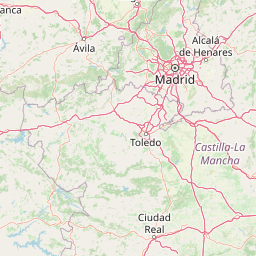
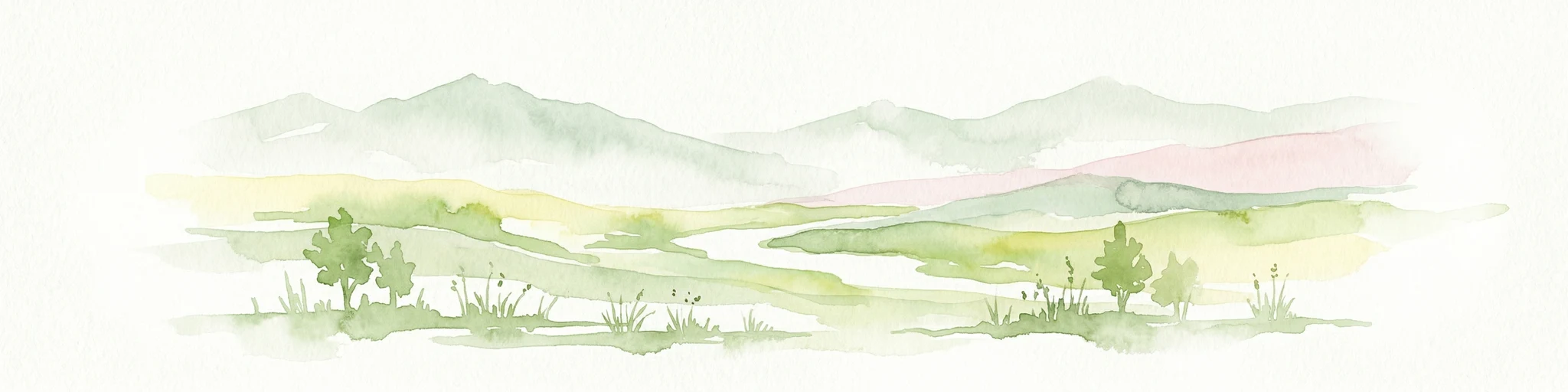
The landscape of Tablas de Daimiel represents a unique wetland formation in the context of the Spanish interior. The park sits on the nearly flat La Mancha plain, a predominantly agricultural landscape where the sudden appearance of wetlands at the river confluence creates a striking contrast with the surrounding dry farmland. The terrain is essentially flat, with minimal elevation changes that allow rivers to spread across wide floodplains during periods of high water. This flatness, combined with the semi-endorreic nature of the drainage basin (where water flows inland without reaching the sea), creates the conditions for the distinctive "tablas" formation where rivers spread into extensive shallow sheets of water.
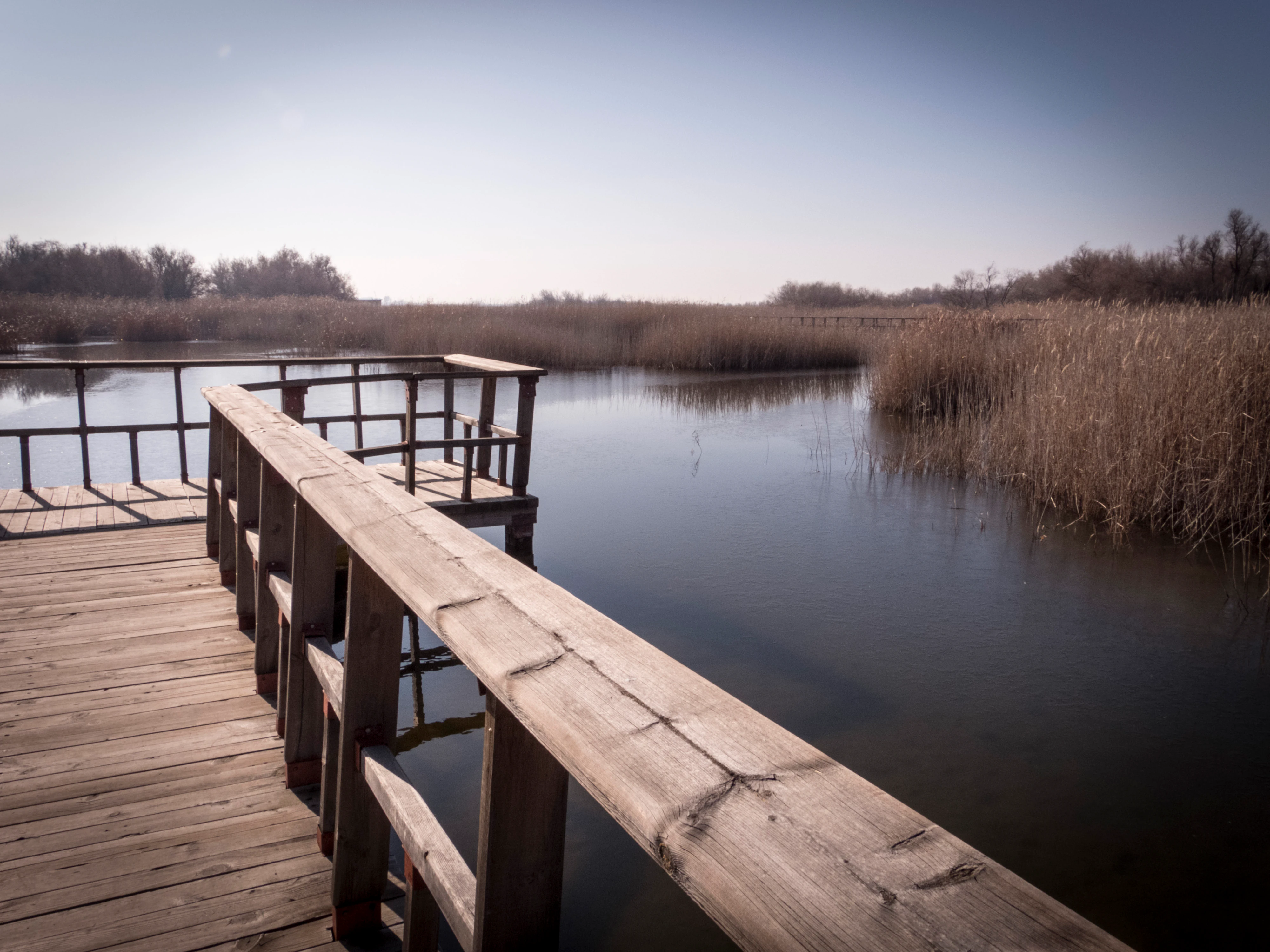
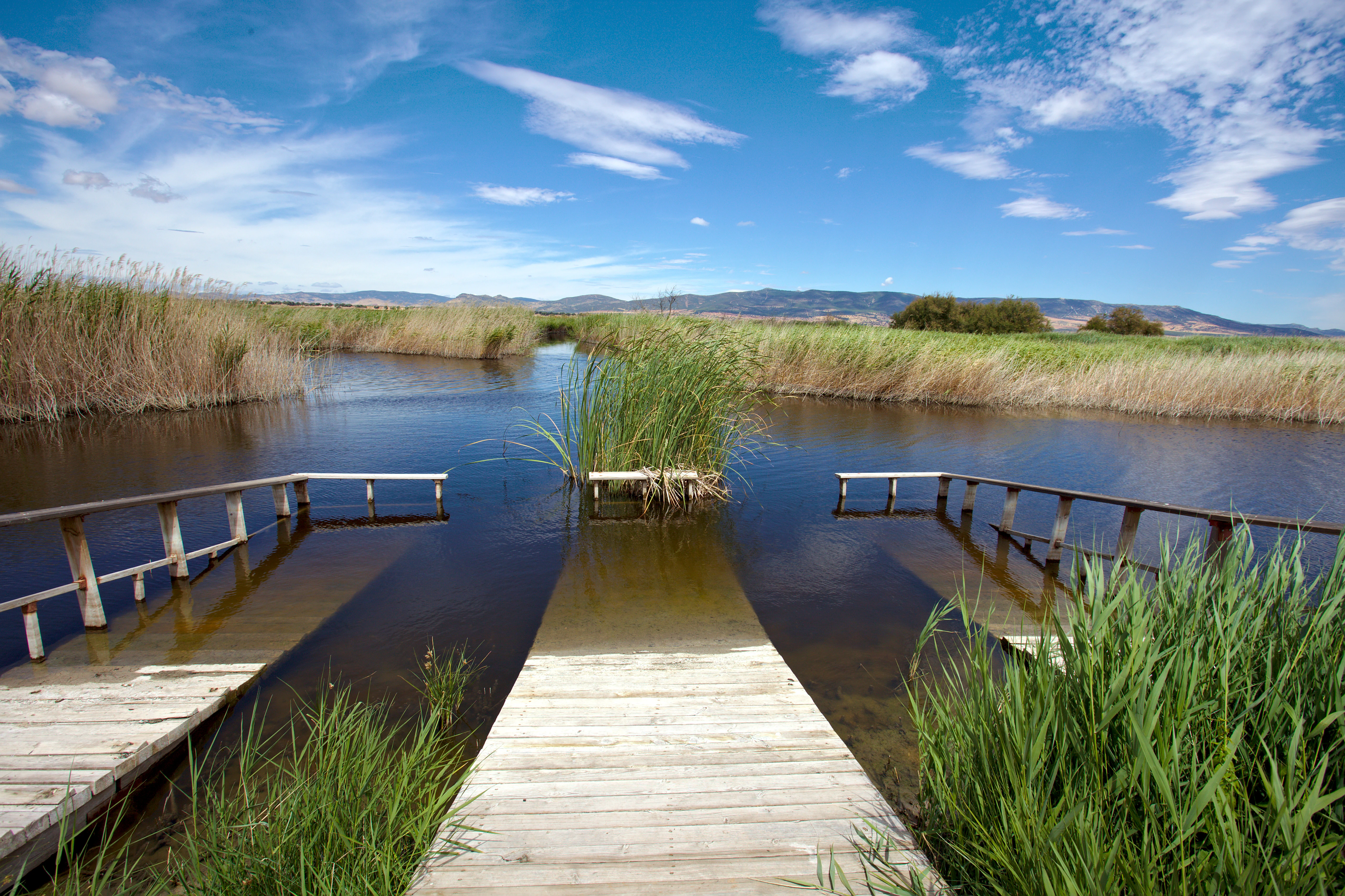
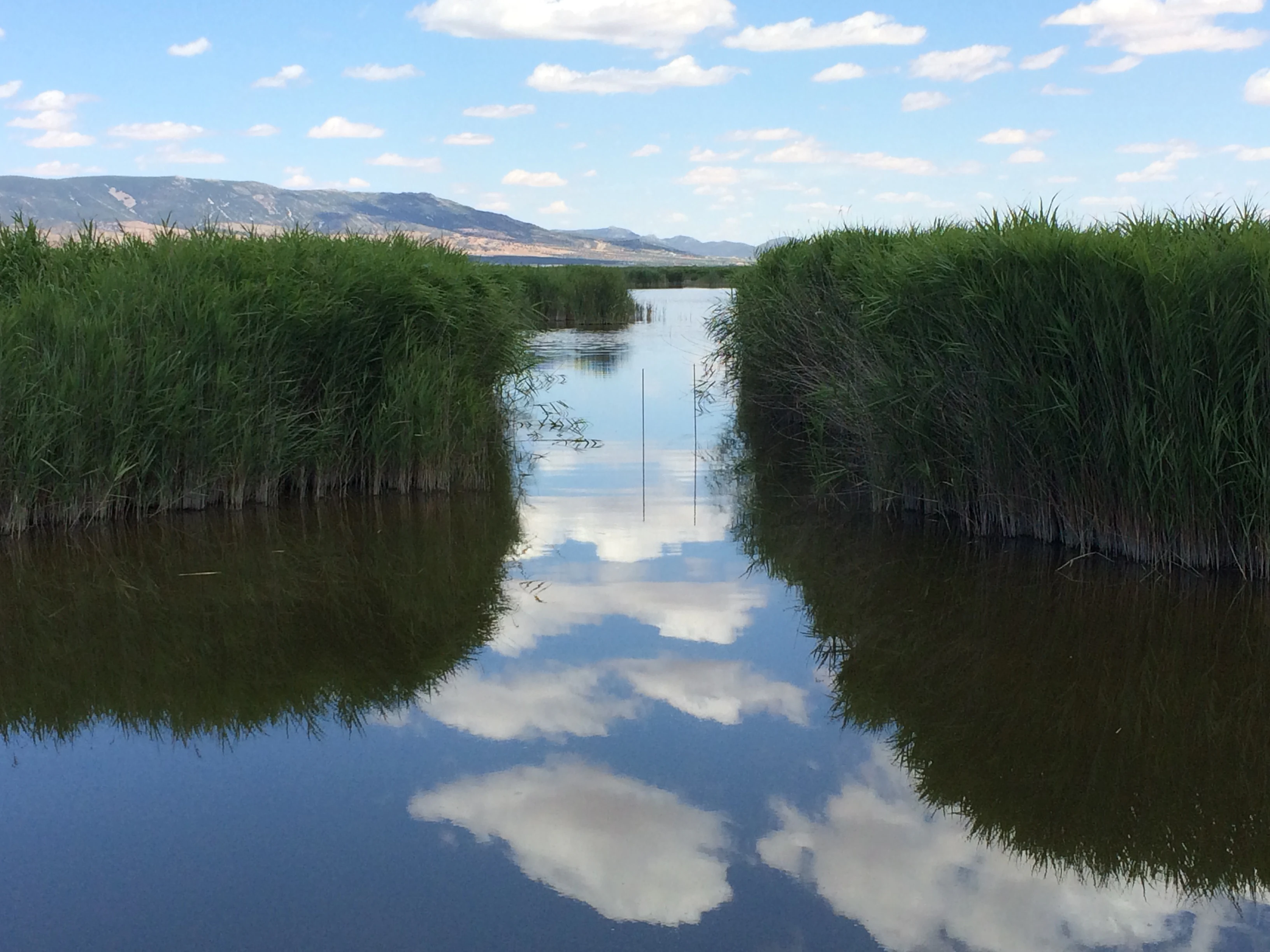
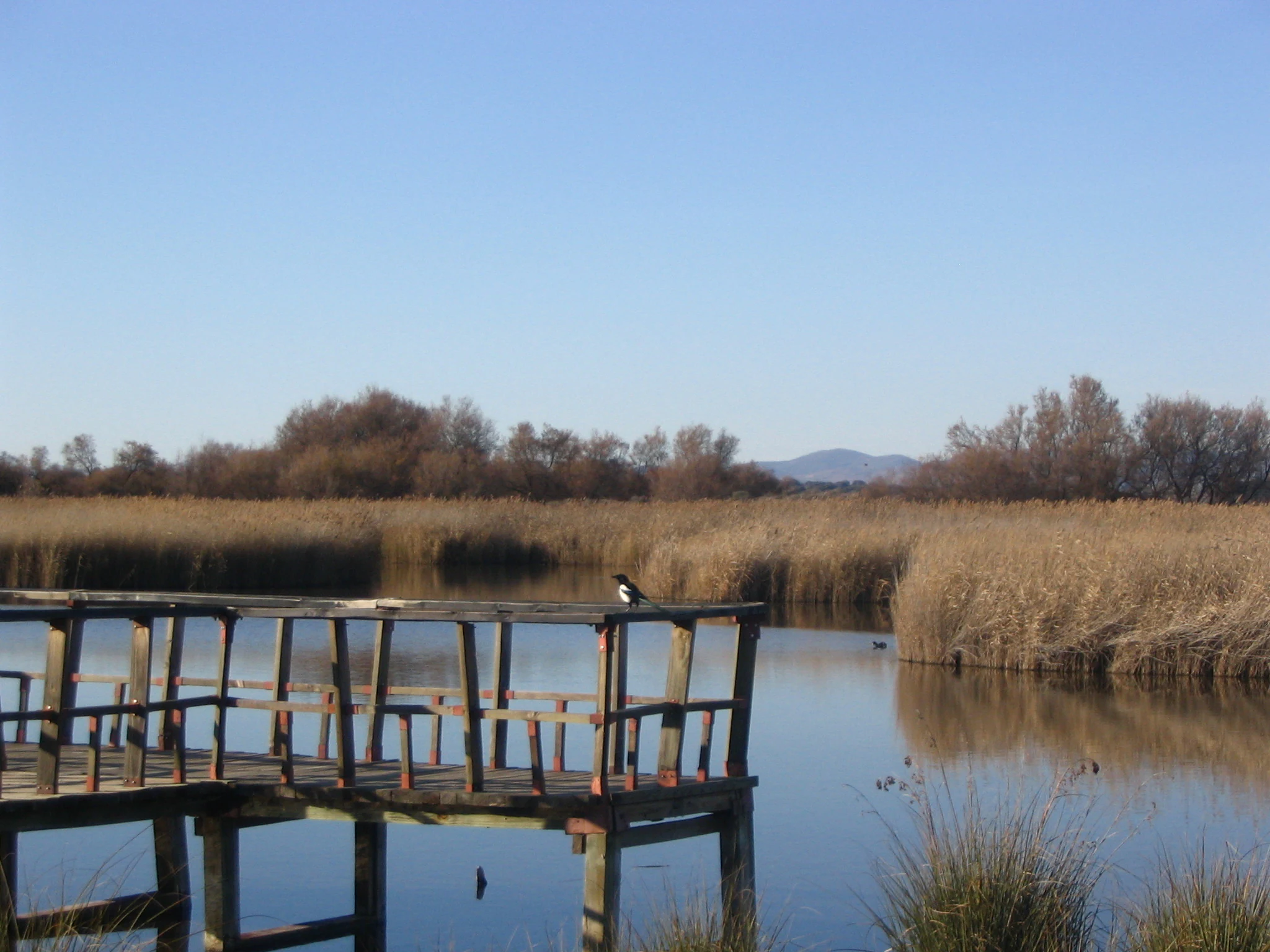
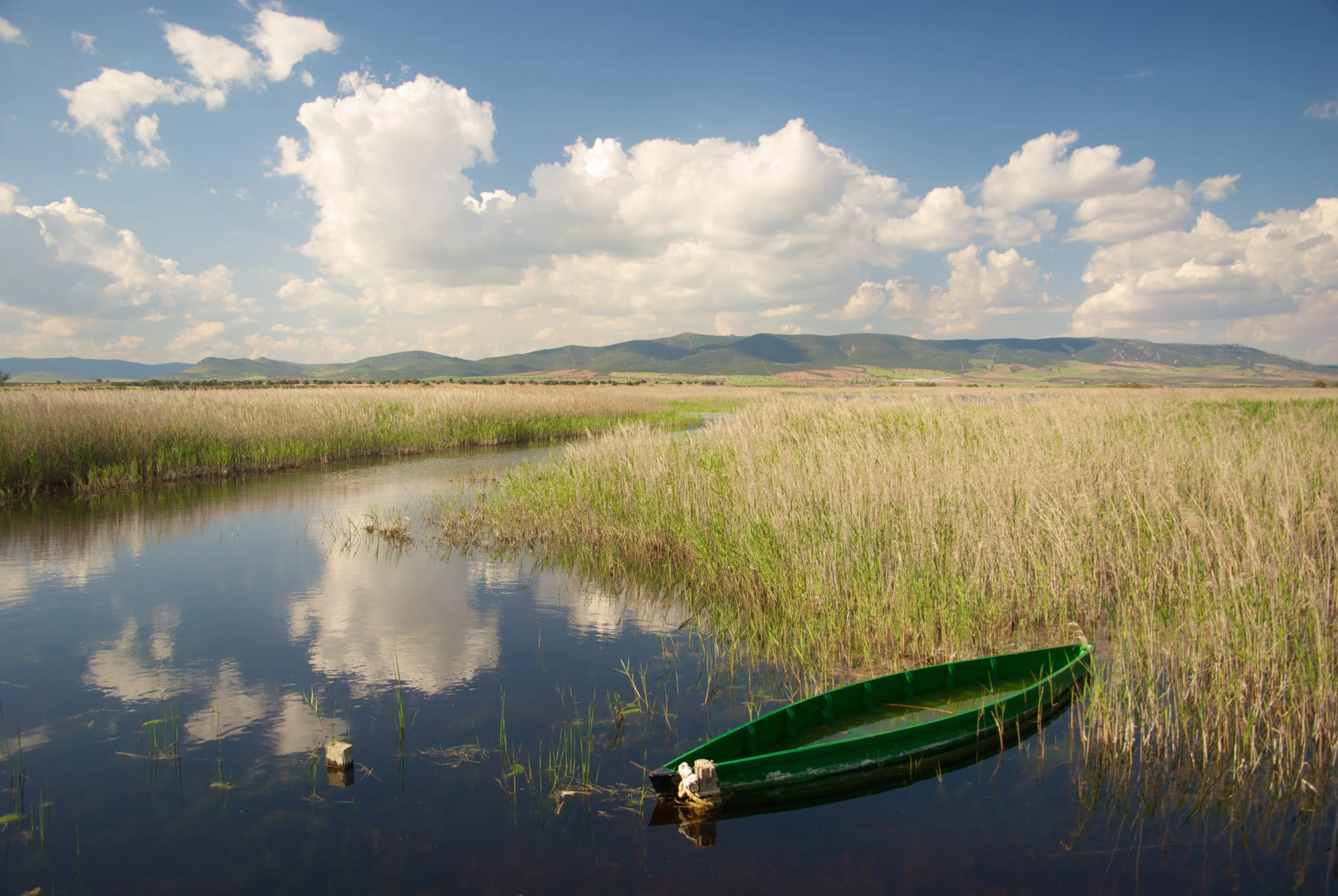
The park's visual character is dominated by water and emergent vegetation rather than by the woody vegetation typical of many forests. Reed beds of common reed (Phragmites australis) create dense stands in areas with persistent shallow water, while the great fen-sedge (Cladium mariscus) dominates in areas with more permanent inundation and slightly higher salinity. Areas of open water alternate with zones of emergent vegetation, creating a mosaic that changes with the seasons and the water level. The few trees present are limited to tamarisk (Tamarix gallica) that tolerate the combination of salinity and periodic flooding. Throughout the park, wooden boardwalks and observation platforms provide access for visitors while minimizing disturbance to the sensitive wetland habitats.

Tablas de Daimiel National Park ecosystems, habitats, and plant life
The ecological character of Tablas de Daimiel centers on the unusual combination of fresh and brackish waters that creates a distinctive wetland environment in Spain's interior. The park represents one of the most important aquatic ecosystems in the Iberian Peninsula and was probably the main inland wetland before the widespread drainage of similar systems across La Mancha. The mixing zone where the fresh waters of the Guadiana meet the saltier waters of the Gigüela supports plant and animal communities found in few other locations, with species requiring different water chemistries existing in close association.
The vegetation patterns reflect this hydrological complexity. In areas influenced by fresh water from the Guadiana, common reed forms extensive stands that provide crucial habitat for breeding birds and shelter for fish and amphibians. In areas affected by the brackish waters of the Gigüela, the great fen-sedge predominates, forming what was once one of the most extensive zones of this species in Western Europe. The shallower areas support communities of bulrushes, rushes, and other emergent plants adapted to variable water depths and durations of inundation. Particularly distinctive are the charophyte meadows that form almost continuous carpets on the submerged lake beds, composed of species of the genus Chara that thrive in calcium-rich waters.
The ecological value of the park is significantly enhanced by its position along major bird migration routes. The wetland serves as a crucial staging area where migratory waterfowl can rest and feed during their journeys between breeding grounds in northern Europe and wintering areas in Africa. The combination of abundant food resources, secure resting areas, and the central geographic position of the park along the Iberian Peninsula makes it one of the most important bird habitats in Spain.
Tablas de Daimiel National Park wildlife and species highlights
The wildlife of Tablas de Daimiel reflects the park's position as one of Spain's most important wetland bird habitats. During migration periods, the park hosts extraordinary concentrations of waterfowl including various species of ducks such as the red-crested pochard, northern shoveler, wigeon, northern pintail, and common teal. Geese also pass through the area, adding to the spectacle of migratory bird movements. Herons and egrets are particularly well represented, with the purple heron, grey heron, little egret, and black-crowned night heron all common visitors or residents. The great bittern, a secretive wetland bird, also breeds in the reed beds.
Beyond birds, the park supports a range of other wildlife. The European freshwater crayfish was historically abundant and economically important to local families but has been drastically reduced by habitat degradation and the introduction of the northern pike predator. Native fish species including the barbel, common carp, and chub are now endangered in the park's waters. Amphibians such as the European tree frog, Perez's frog, and common toad breed in the wetland during spring and summer, while the grass snake and water snake hunt in the shallows. Mammals include the European polecat, red fox, European otter, and water vole, with species like European rabbits, Cape hares, least weasels, and wild boars found in the surrounding areas.
Tablas de Daimiel National Park conservation status and protection priorities
Tablas de Daimiel faces severe conservation challenges centered on water scarcity caused by overexploitation of the underlying aquifer system. The park's existence depends on a delicate balance between water inputs from rivers, springs, and groundwater discharge, and outputs through evaporation, transpiration, and water extraction. For decades, agricultural expansion in the surrounding region has placed enormous pressure on Aquifer 23, the main groundwater source that historically fed the Ojos del Guadiana springs and maintained wet conditions throughout the park. The transformation of approximately 100,000 hectares from rain-fed agriculture to irrigation has far exceeded the renewable water capacity of the aquifer system.
The consequences have been devastating. The Ojos del Guadiana, which once flowed at 8-9 cubic meters per second year-round, went dry in 1982 and have not recovered. The Guadiana-Azuer river, which once contributed substantial flows to the wetland, was effectively cut off from the park when the Puerto de Vallehermoso dam was completed in 1988, remaining dry for 22 years. The Gigüela became the sole natural water source, but its waters are partially diverted upstream for irrigation and artificial hunting lagoons, leaving only a fraction to reach the park. In the worst years, less than 2% of the park's potential 1,734 hectares of inundable area held water.
Conservation responses have included water transfers from the Tagus River, the Special Upper Guadiana Plan with its water banking system, and the acquisition of farmland surrounding the park to retire water rights. Peat fires in 2009 added to the crisis by burning underground organic matter that had accumulated over thousands of years, threatening the physical structure of the wetland. UNESCO considered removing the park's Biosphere Reserve status, and the European Union opened proceedings against Spain. Some recovery occurred after heavy rains in 2009-2010 and improved water management, but the situation remained fragile with alarming declines recorded in 2022-2023 when less than 7% of the wetland held water.
Tablas de Daimiel National Park cultural meaning and human context
The cultural context of Tablas de Daimiel is deeply rooted in the human history of La Mancha, one of Spain's most distinctive cultural regions. The wetland has been intertwined with local communities for centuries, serving not only as a hunting ground but also as a source of fish, water power for mills, and other resources that supported the regional economy. The park's name itself refers to the "tablas" or wooden tables that once characterized the landscape, though these have been largely replaced by modern boardwalks. The area's significance as a hunting ground attracted nobility, including visits by General Prim in 1870 and King Alfonso XII in 1875.
The scientific appreciation of the park's ecological value emerged in the mid-twentieth century, notably through the work of Félix Rodríguez de la Fuente and his team, who produced television documentaries about the wetland in the 1970s that brought national attention to its unique character. This scientific advocacy helped build public support for protection at a time when drainage projects threatened the ecosystem. The park also sits within the broader cultural landscape of Don Quixote country, with the windmills of La Mancha visible from certain viewpoints and the flat agricultural plains forming part of the iconic Manchegan landscape that inspired Cervantes' masterpiece.
Top sights and standout views in Tablas de Daimiel National Park
Tablas de Daimiel stands out as a remarkable wetland in an unexpected setting—the arid heart of Spain's Castilla-La Mancha region. Its very existence as a thriving wetland surrounded by dry farmland makes it a striking anomaly and a testament to the complex hydrology that once characterized this region. The park protects one of the last remaining examples of the traditional floodplain wetlands that once covered much of the La Mancha plain, representing an ecosystem type that has been almost entirely lost to agricultural development. The combination of fresh and brackish waters creates unique ecological conditions that support exceptional biodiversity, particularly of waterbirds.
The park's international significance is underscored by its multiple designations: Ramsar Wetland, Biosphere Reserve core area, and Special Protection Area for birds. It serves as a crucial waypoint for migratory birds traversing the Iberian Peninsula, with tens of thousands of waterfowl using the area annually. The great fen-sedge formations represent some of the most extensive remaining in Western Europe. The park's ongoing struggle against water scarcity and its partial recovery after crisis periods provide valuable lessons about wetland conservation and the challenges of balancing human water needs with environmental requirements.
Best time to visit Tablas de Daimiel National Park
The best time to visit Tablas de Daimiel depends on what visitors hope to experience, though certain seasons offer particular advantages. Late winter and early spring typically bring the highest water levels as winter rains refill the aquifer and raise river flows, creating optimal conditions for observing the wetland at its most expansive. This period also coincides with the peak of bird migration, when large numbers of waterfowl pass through the area on their journey north to breeding grounds. The spectacle of thousands of ducks, geese, and swans concentrated in the wetland is particularly impressive during these months.
Autumn represents another excellent visiting season, as migratory birds return south and again concentrate in significant numbers. The summer months tend to bring lower water levels and reduced bird activity, though the park remains accessible and the warmer weather allows for comfortable exploration of the trails and observation points. Summer visits may offer a different experience, with more open water persisting in the deeper channels and the opportunity to see breeding species that remain year-round. Given the park's ongoing conservation challenges and vulnerability to drought, the actual conditions encountered can vary substantially from year to year depending on rainfall patterns and water management decisions.