Why Tayrona National Natural Park stands out
Tayrona is most renowned for its extraordinary concentration of biodiversity in a relatively compact area, combining Caribbean coastal ecosystems with montane forest environments. The park is globally significant as the final refuge of the cotton-top tamarin, a critically endangered monkey species found nowhere else in the world. Its coral reef systems support exceptional marine life, while its terrestrial forests shelter more than 300 bird species and 108 mammal species. The dramatic landscape where the Sierra Nevada de Santa Marta meets the Caribbean Sea creates some of Colombia's most iconic coastal scenery, with beaches like Playa Brava and Cabo San Juan serving as major visitor attractions.
Tayrona National Natural Park history and protected-area timeline
Tayrona National Natural Park was officially established on April 24, 1964, through Law 191 of the Colombian Institute for Agrarian Reform, reflecting the Colombian government's commitment to preserving the ecological integrity of the Sierra Nevada de Santa Marta region and its Caribbean coastal interface. The creation of the park responded to growing recognition of the area's exceptional biodiversity and the urgent need to protect endemic species, particularly as development pressures increased along Colombia's northern coast. The park was designated as a protected area under the National System of Protected Areas, receiving Category II status under the IUCN classification system, which recognizes its national park designation and primary conservation purpose. In the decades following its establishment, the park's management has balanced conservation objectives with sustainable tourism development, particularly as visitor numbers have grown substantially, reaching over 545,000 in 2022 to become Colombia's second most visited national park. The park's boundary encompasses diverse terrain including coastal beaches, the mouth of the Piedras River, and a maritime zone extending one kilometer offshore, reflecting the integrated land-sea approach to protection.
Tayrona National Natural Park landscape and geographic character
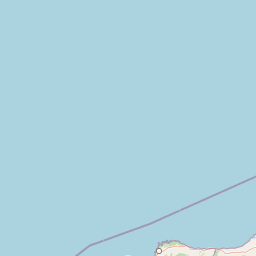
The physical landscape of Tayrona National Natural Park is defined by the dramatic intersection of the Sierra Nevada de Santa Marta mountain range with the Caribbean Sea, creating a coastal environment of exceptional topographic contrast. The park encompasses a series of coastal features including broad sandy beaches such as Playa Brava and Castilletes Beach, rocky headlands like Cabo San Juan, and smaller coves accessible only by trail. The terrain rises sharply from sea level through a sequence of hills including Santa Rosa Hill, Tovar Hill, Guacamayo Peak, Aguas Muertas Hill, and Cielito Peak, with the highest elevations reaching approximately 900 meters above sea level. Several watercourses traverse the park, including the Piedras River, Cañaveral Creek, Santa Rosa Creek, La Boquita Creek, and Cinto Creek, as well as the Rodríguez and Gairaca streams. The marine portion of the park extends approximately one kilometer offshore along much of its coastline, protecting the underwater terrain and coral communities adjacent to the shore. This varied terrain creates distinct microclimates and ecological zones, from the arid coastal fringe to the more humid conditions of the foothill forests.
Tayrona National Natural Park ecosystems, habitats, and plant life
The ecological character of Tayrona National Natural Park is defined by its exceptional habitat diversity arising from the steep topographic gradient and the transition between terrestrial and marine environments. The park encompasses multiple distinct vegetation zones, ranging from dry coastal scrub and palm savanna at lower elevations through tropical humid forest to cloud forest in the higher elevations. More than 770 plant species have been documented within the park's boundaries, including extensive representations of tropical forest species. The marine environments support coral reef communities that constitute one of three reef-bearing national parks in Colombia's Caribbean region, with approximately 110 coral species recorded. The park's marine biodiversity extends to include over 400 fish species, 471 crustacean species, 700 mollusk species, 202 sponge species, 96 annelid species, 31 reptile species, and 15 amphibian species. This remarkable concentration of species across terrestrial, freshwater, and marine habitats within a relatively limited area makes Tayrona one of Colombia's most biodiverse protected areas.
Tayrona National Natural Park wildlife and species highlights
Tayrona National Natural Park supports remarkable animal diversity, with more than 108 mammal species and approximately 300 bird species documented within its boundaries. The park is globally significant for protecting the last remaining population of the critically endangered cotton-top tamarin, a small primate found nowhere else on Earth, making the park essential for the survival of this species. Other primate species present include the mantled howler monkey, which is commonly encountered in the forest canopy throughout the park. The mammal fauna also includes the oncilla, a spotted wild cat, as well as various deer species and more than 70 bat species representing significant diversity. The avian community is particularly diverse, with species such as the montane solitary eagle, military macaw, black-backed antbird, white-bellied antbird, and lance-tailed manakin among the notable residents. The marine environment adds substantially to wildlife diversity, with the coral reefs supporting over 400 fish species and numerous invertebrate groups, while sea turtles and other marine megafauna utilize the coastal waters.
Tayrona National Natural Park conservation status and protection priorities
Tayrona National Natural Park holds particular conservation significance as one of Colombia's premier protected areas for endemic biodiversity. The park's global importance is most clearly demonstrated by its role as the final refuge for the cotton-top tamarin, a critically endangered species whose survival depends entirely on protection of its remaining habitat within the park boundaries. The coral reef systems represent another critical conservation asset, as they constitute one of only three reef-containing national parks in Colombia's Caribbean region, serving as refuges for reef-dependent species and demonstrating resilience in the face of regional environmental pressures. The protected area functions as a crucial corridor linking the coastal zone with the higher elevations of the Sierra Nevada de Santa Marta, allowing for species movement and genetic exchange across ecological gradients. Management under Colombia's National System of Protected Areas provides institutional framework for conservation, while the park's popularity as an ecotourism destination creates both challenges and opportunities for sustainable financing and community engagement in conservation efforts.
Tayrona National Natural Park cultural meaning and human context
Tayrona National Natural Park occupies a region of significant archaeological and cultural importance, with evidence of pre-Columbian human settlements existing in the area up until the 16th century. The park contains archaeological sites that reflect the presence of indigenous peoples who inhabited this coastal region long before European contact, with the most notable archaeological location being El Pueblo, a settlement that has been a popular hiking destination within the park. The Cañaveral Site near the mouth of the Piedras River houses the Archaeologic Museum of Chairama, which provides interpretation of the area's pre-Columbian heritage. The park's boundaries abut territories of the Indigenous Kogui communities of the Sierra Nevada de Santa Marta, whose cultural connection to this landscape extends across centuries. The management of the park involves ongoing dialogue with these indigenous communities, and certain areas have been closed to visitors in response to indigenous community preferences, reflecting the park's role in contemporary cultural politics and collaborative management approaches.
Top sights and standout views in Tayrona National Natural Park
Tayrona National Natural Park offers visitors an exceptional combination of Caribbean coastal scenery, biodiversity, and ecological diversity within a compact and accessible protected area. The iconic beaches of Playa Brava and Cabo San Juan rank among the most photographed landscapes in Colombia, while the opportunity to observe cotton-top tamarins in their natural habitat draws nature enthusiasts from around the world. The park's coral reef systems provide accessible snorkeling and scuba diving experiences, with sites ranging from shallow training areas to more challenging drift diving locations. Hiking trails through varied terrain offer access to archaeological sites and panoramic viewpoints, while the dramatic backdrop of the Sierra Nevada de Santa Marta rising directly behind the coastal beaches creates one of the most distinctive protected area landscapes in South America.
Best time to visit Tayrona National Natural Park
Tayrona National Natural Park experiences a tropical hot climate with temperatures ranging from 27 to 35 degrees Celsius at sea level year-round, and rainfall patterns that influence the character of a visit. The dry season typically extends from December through April, offering more predictable weather conditions and generally lower rainfall, though this period also corresponds with higher visitor numbers. The wet season from May through November brings increased rainfall, particularly during the October and November months when precipitation averages exceed 200 millimeters monthly, though this period often features lusher green landscapes and fewer visitors. The shoulder months of late April and early May, and November into December, often provide a balance between manageable visitor numbers and favorable weather conditions. Humidity remains consistently high throughout the year, averaging around 87 percent, and visitors should be prepared for hot and humid conditions regardless of when they choose to visit.