
Why The Glen Nature Reserve stands out
The Glen Nature Reserve is best known as a stronghold of sub-tropical sclerophyll forest in the Hunter Region, where a relatively small area sustains an unusually rich fauna of frogs, birds, mammals and reptiles. It is particularly recognised for its populations of threatened species such as the koala and the yellow-bellied glider, which depend on the mature hollow-bearing eucalypt forest that the reserve protects. The reserve is also valued for the way its creek corridors, gullies and forested ridges create varied microhabitats within a compact footprint, supporting orchids, ferns, and a frog community that includes the great barred frog. These features together give The Glen a strong reputation as a biodiversity-focused sanctuary on the forested western edge of the New South Wales Mid North Coast hinterland.
The Glen Nature Reserve history and protected-area timeline
The Glen Nature Reserve was gazetted in January 1999, creating a formally protected area of approximately 2,750 hectares in the Hunter Region of New South Wales. Its establishment brought the forested lands south-east of Gloucester under the protection of the NSW National Parks and Wildlife Service, recognising the area's ecological value as a stronghold of sub-tropical sclerophyll forest and home to several threatened species.
The reserve has since been managed within the New South Wales protected-area framework as a strict nature reserve, a designation that emphasises conservation over recreation. Over time it has become known among researchers and naturalists for the unusually detailed documentation of its fauna, and the reserve continues to function as a small but ecologically important refuge for koalas, gliders, frogs and other native wildlife in eastern Australia.
The Glen Nature Reserve landscape and geographic character
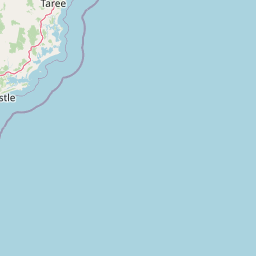
The Glen Nature Reserve occupies a modestly hilly part of the New South Wales hinterland, in the Hunter Region between the coast and the higher country of the Great Dividing Range. Its terrain is shaped by small ridges, sheltered gullies, and creek lines that drain the surrounding forested hills, producing a varied topography within a relatively compact footprint.
The broader landscape around the reserve retains a strongly forested character, with sclerophyll woodland extending across the slopes and rolling country near Gloucester. Small creek corridors, pools and rocky streambeds cut through the forest, providing both the moisture that supports the sub-tropical elements of the vegetation and the varied microhabitats used by the reserve's frogs, reptiles and other wildlife.
The Glen Nature Reserve ecosystems, habitats, and plant life
The ecological identity of The Glen Nature Reserve is defined by sub-tropical sclerophyll forest, an Australian vegetation type that blends hardy eucalypt woodland with pockets of moisture-loving plants. Eucalyptus and angophora species dominate the canopy, while the sheltered, humid conditions of the gullies and creek corridors allow stands of ferns and orchids to flourish in the understorey.
This combination of a tough, drought-adapted canopy with a moist, sheltered understorey gives the reserve an unusual ecological richness. Old, hollow-bearing trees within the sclerophyll forest provide critical habitat for arboreal mammals and cavity-nesting birds, while the fern-rich gullies support amphibians and reptiles that depend on damp forest conditions. The result is a layered ecosystem in which sclerophyll forest, sub-tropical influences, and freshwater creek environments overlap.
The Glen Nature Reserve wildlife and species highlights
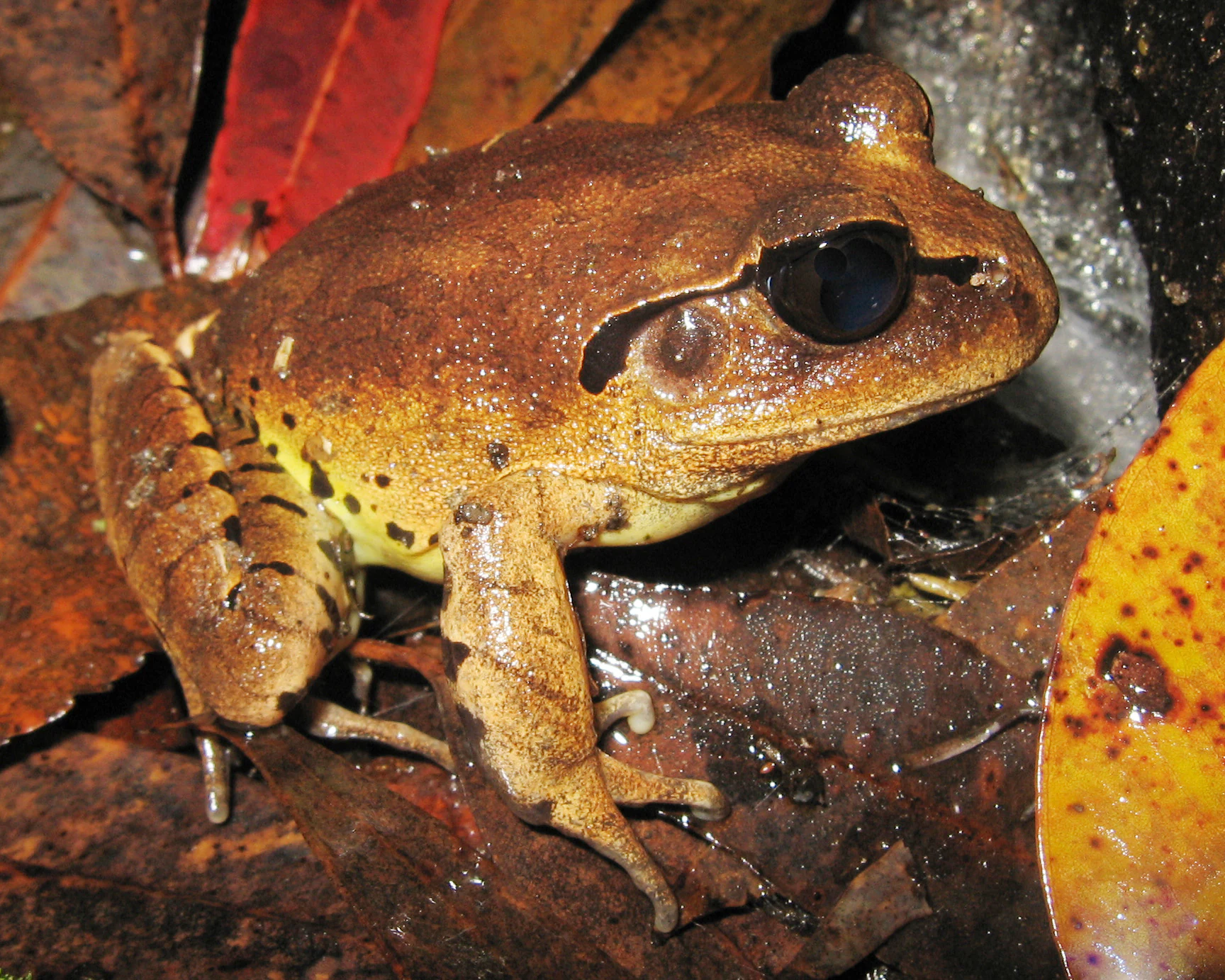
The fauna of The Glen Nature Reserve has been the subject of extensive study, and the reserve supports a notably diverse animal community for its size. Over fourteen frog species have been recorded, including the great barred frog, which depends on the moist forest streams of the reserve. More than seventy bird species, over twenty mammal species, and eighteen reptile species have also been documented, with researchers expecting further records as surveys continue.
Among the mammals, the koala is one of the reserve's most recognised residents, while the yellow-bellied glider highlights the importance of the mature, hollow-bearing eucalypt forest for gliding marsupials. Reptiles exploit the rocky outcrops, logs and forest floor habitats of the reserve, while the amphibian community is closely tied to its creek corridors and damp gullies. The presence of multiple threatened species gives the reserve significant conservation value beyond its modest area.
The Glen Nature Reserve conservation status and protection priorities
The Glen Nature Reserve is significant from a conservation perspective because it protects a substantial tract of sub-tropical sclerophyll forest in a region where habitat loss and fragmentation have affected wildlife populations. Its vegetation supports multiple threatened species, and the reserve's mature trees provide crucial hollow-bearing habitat for koalas, yellow-bellied gliders and other animals that depend on old-growth forest features.
Managed as a strict nature reserve under the New South Wales protected-area framework, The Glen is treated primarily as a biodiversity refuge rather than a recreational area. This high level of protection helps safeguard the reserve's ecological processes, allowing its fauna, including its well-documented frog, bird, mammal and reptile communities, to persist within an increasingly modified landscape.
Top sights and standout views in The Glen Nature Reserve
The Glen Nature Reserve's strongest qualities lie in the combination of sub-tropical sclerophyll forest, detailed biodiversity records, and a strict nature reserve protection status that prioritises conservation. Within a modest area, it shelters populations of threatened koalas and yellow-bellied gliders, supports more than seventy bird species, fourteen frog species, and a rich reptile and mammal community.
The reserve's creek corridors, fern-rich gullies and angophora-eucalypt canopy produce a layered landscape in which sclerophyll woodland and sub-tropical influences meet. This, together with its location in the Hunter Region of New South Wales, makes The Glen a small but ecologically important node in the broader network of protected areas along the forested western edge of eastern Australia.