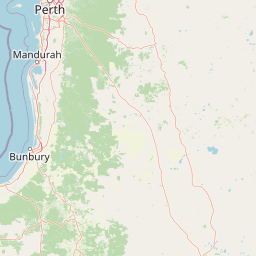
Why Whicher National Park stands out
Whicher National Park is best known for protecting the headwaters and scenic landscapes of the Margaret River, one of Western Australia's most famous waterways. The park encompasses the mountainous heart of the Whicher Range, preserving a landscape of rugged ridgelines and forested slopes that contrast sharply with the surrounding jarrah and marri woodlands of the lower slopes. The protection of Petrophile populations represents a significant botanical conservation value, as this genus comprises several species endemic to the Southwest Australian Floristic Region, a global biodiversity hotspot. The park also serves as a critical catchment area, with its hydrological function supporting the broader Margaret River wine region's agricultural economy and environmental health.
Whicher National Park history and protected-area timeline
Whicher National Park was officially declared in 2019, representing the culmination of conservation efforts that began in the early 2000s. Prior to national park designation, the Whicher Range area had been managed as a state forest with limited formal protection, despite its ecological significance and importance as a catchment for the Margaret River. Environmental organizations and local conservation groups advocated for elevated protection status, emphasizing the area's unique biodiversity, its role as a water source, and the threat posed by changing land use pressures in the surrounding region. The declaration of Whicher National Park added approximately 25,000 hectares to Western Australia's national park system, consolidating protection for the Whicher Range's most significant natural values. Management of the park falls to the Western Australia Department of Parks and Wildlife, which oversees visitor access, conservation programs, and fire management within the reserve.
Whicher National Park landscape and geographic character
The landscape of Whicher National Park is defined by the Whicher Range, a mountainous ridge that rises abruptly from the surrounding jarrah forest plains. The range reaches elevations exceeding 400 meters above sea level, with the highest peaks presenting panoramic views across the South West landscape. The underlying geology consists of ancient Precambrian granite and gneiss, among the oldest rock formations in Western Australia. These ancient rocks have been subjected to millions of years of weathering, resulting in deeply weathered soils and laterite capped ridges. The terrain is characterized by steep slopes, rocky outcrops, and narrow valleys that channel rainfall into the headwaters of the Margaret River and its tributaries. The park's forests transition from tall jarrah-marri woodland on the lower slopes to more open woodland and heath communities on the exposed ridgelines.
Whicher National Park ecosystems, habitats, and plant life
Whicher National Park lies at the intersection of two major bioregions: the Jarrah Forest to the north and the Warren bioregion to the south. This transitional position contributes to the park's ecological diversity, as species from both regions overlap in the Whicher Range. The vegetation communities within the park reflect this biogeographic complexity, with jarrah and marri trees dominating the taller woodland formations, while proteaceous shrubs including various Petrophile species characterize the more open heath communities on rocky sites. The Southwest Australian Floristic Region, to which this park belongs, is recognized as one of the world's biodiversity hotspots, supporting an extraordinary concentration of endemic plant species. The park's function as a catchment area for the Margaret River adds aquatic and riparian values to its terrestrial biodiversity.
Whicher National Park wildlife and species highlights
The wildlife of Whicher National Park reflects the diverse forest and woodland habitats found throughout the South West of Western Australia. Mammals common to the area include western grey kangaroos, common ringtail possums, and various small marsupials adapted to forest life. The jarrah and marri woodlands provide important habitat for diverse bird communities, including honeyeaters, parrots, and woodland birds that depend on the old-growth tree hollows for nesting. Reptiles including skinks, dragons, and snakes occupy the rocky outcrops and ground-layer habitats. The riparian zones along the Margaret River and its tributaries support species adapted to aquatic and streamside environments. While specific species inventories for Whicher National Park remain limited, the broader South West forest bioregions are known for high levels of reptile and invertebrate endemism.
Whicher National Park conservation status and protection priorities
The establishment of Whicher National Park represents a significant conservation outcome for the South West of Western Australia. The park protects representative examples of Jarrah Forest and Warren bioregion landscapes that had previously lacked formal protection at the national park level. The protection of Petrophile populations is particularly significant, as several species within this genus are endemic to the Southwest Australian Floristic Region and face varying levels of threat from habitat fragmentation and changing fire regimes. The park's role in protecting the headwaters of the Margaret River adds a critical conservation value, as the river's downstream reaches support agricultural operations, community water supplies, and important estuarine and marine ecosystems. The Whicher Range also serves as a biological corridor, connecting fragmented remnants of native vegetation and facilitating species movement across the agricultural landscape.
Whicher National Park cultural meaning and human context
The Whicher Range and surrounding South West forests have been home to Aboriginal peoples for tens of thousands of years, though specific cultural heritage information for the park area is limited in the available sources. The Noongar peoples are the traditional owners of much of the South West of Western Australia, and the landscape contains cultural values that may not be documented in publicly available material. The region more broadly is known for the extensive logging history that shaped much of the jarrah forest, with the establishment of Whicher National Park representing a shift toward conservation-oriented management that preserves the area's natural values rather than extracting its timber resources.
Top sights and standout views in Whicher National Park
Whicher National Park protects one of the Southwest Australian Floristic Region's most significant mountainous wilderness areas, preserving the source waters of the Margaret River and critical habitat for endemic plant species including protected Petrophile shrubs. The park's rugged ridgelines, ancient geological formations, and diverse forest communities offer a wilderness experience distinct from the more accessible coastal and vineyard landscapes of the broader Margaret River region. The recent establishment of the park in 2019 marks it as one of Western Australia's newest national parks, with ongoing development of visitor facilities and management programs. The Whicher Range's function as a hydrological divide and water source adds ecological significance beyond the park's boundaries.