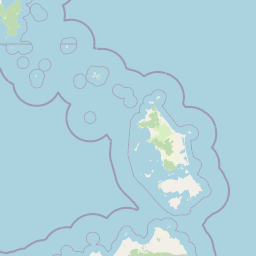
Why Wilsons Promontory National Park stands out
Wilsons Promontory is renowned for its exceptional combination of ecosystems, where temperate rainforests exist in close proximity to coastal heathlands and sandy beaches. The park protects one of the most significant remaining patches of warm temperate rainforest in Victoria, a rare habitat type characterized by ancient myrtle beech and soft tree ferns. Its coastline features spectacular granite formations, secluded coves, and the iconic quartzite peaks known as the Lianhabub (or The Promontory Peaks) that rise dramatically from the sea. The park is also famous for its abundant wildlife that has become remarkably habituated to visitor presence in the camping areas around Tidal River, offering close encounters with kangaroos, wombats, and numerous bird species. The multi-day hiking trails, including the famous circuit walks through the southern wilderness, rank among the most spectacular in Victoria.
Wilsons Promontory National Park history and protected-area timeline
The European discovery of Wilsons Promontory dates to 1798 when George Bass and Matthew Flinders became the first recorded Europeans to sight the peninsula during their coastal exploration. The subsequent decades saw extensive sealing activity at Sealer's Cove, where seal populations were hunted so intensively that the species was eventually eliminated from the area. The late nineteenth century marked a turning point for the region's conservation, as members of the Field Naturalists Club of Victoria and the Royal Society of Victoria, including prominent naturalist Arthur Henry Shakespeare Lucas, advocated persistently for government protection of the promontory's natural values. These efforts resulted in the Victoria State Government temporarily reserving the area as National Park in July 1898, with permanent protection achieved in 1908, making Wilsons Promontory one of the earliest national parks in Australia. The original settlement within the park was established at the Darby River site, where a chalet provided early accommodation. The Field Naturalists Club has maintained an active watching brief over the promontory for more than 120 years. During World War II, the park served as a commando training area, and a memorial at Tidal River honors those who lost their lives during military training operations. The park has experienced significant fire events, including a major bushfire in April 2005 that burned a large section of the park after a controlled burn escaped containment lines due to warmer and windier conditions than forecast, forcing the evacuation of approximately 600 people. The Black Saturday fires of February 2009 caused additional extensive damage, with lightning strikes igniting fires that destroyed up to half of the national park.
Wilsons Promontory National Park landscape and geographic character
Wilsons Promontory National Park showcases a dramatic and varied landscape shaped by geological forces spanning millions of years. The dominant geological feature is the massive granite batholith that forms the core of the peninsula, creating the rugged mountainous terrain characterized by tors, domes, and dramatic rock formations. The southern portion of the park features the most spectacular topographic relief, where the quartzite peaks of the Lianhabub rise steeply from surrounding terrain, their jagged silhouettes creating one of the most recognizable coastal skylines in Victoria. The coastline presents remarkable diversity, from the broad sandy beach of Norman Bay at Tidal River to the secluded coves and pocket beaches tucked between granite headlands along the eastern and western shores. The park contains extensive areas of warm temperate rainforest in the southern gullies, where deep shade and high moisture support lush understories of ferns, mosses, and epiphytic plants. In contrast, the northern portions around the Yanakie Isthmus feature extensive heathy woodlands on sandy soils, creating a distinctly different character. The inland areas include wetlands, heaths, and grassy woodlands that add further ecological and visual diversity to the park's landscape mosaic.
Wilsons Promontory National Park ecosystems, habitats, and plant life
The ecological character of Wilsons Promontory is defined by a remarkable convergence of habitat types within a relatively compact area. The park protects one of the most significant and extensive remnants of warm temperate rainforest in Victoria, a globally restricted ecosystem type that thrives in the moist, shaded gullies of the southern peninsula. These rainforests feature canopy dominants such as myrtle beech, southern sassafras, and Hazel pomaderris, with an understory rich in tree ferns, ground ferns, and epiphytic ferns. The transition zones between rainforest and surrounding woodland and heath communities create ecologically important ecotones that support diverse species assemblages. The park's position at the southernmost point of mainland Australia gives it significance as a biogeographic crossroads, with species from both northern and southern distributions meeting here. Coastal heathlands, heathy woodlands, and grassy ecosystems add further habitat complexity, while the marine environments surrounding the peninsula support distinct assemblages adapted to temperate waters. The park's long history of protection, dating to 1898, has allowed ecological processes to continue with relatively minimal modern human disturbance in remote areas.
Wilsons Promontory National Park wildlife and species highlights
Wilsons Promontory supports an impressive diversity of wildlife, with the park's varied habitats providing refuge for numerous species. The large marsupial fauna includes grey kangaroos and swamp wallabies, which are commonly encountered throughout the park, particularly in more open areas and along walking tracks. Common wombats are abundant, especially in the Tidal River camping area where they have become accustomed to human presence and often wander through campsites, and their burrows are visible on hillsides throughout the park. Echidnas, Australia's egg-laying monotreme, are frequently encountered as they forage across the forest floor, while emus roam through woodland and heath areas. The birdlife is particularly diverse, with rosellas, honeyeaters, wrens, and numerous other species contributing to the park's ornithological richness. The forest and heath environments support populations of possums that can be observed at night with a torch, and the northern sections of the park contain notable snake diversity. Marine mammals occasionally transit the offshore waters, while the surrounding marine national park protects additional aquatic biodiversity. The habituation of wildlife around the Tidal River camping area is notable, though feeding wildlife remains illegal and is enforced with penalties.
Wilsons Promontory National Park conservation status and protection priorities
Wilsons Promontory National Park represents one of Victoria's most significant protected areas, preserving critical examples of multiple ecosystem types within a single management unit. The park's long protection history, spanning more than 125 years, has allowed ecological communities to persist with relatively intact processes in many areas, particularly in the remote southern wilderness zones. The warm temperate rainforest communities represent a conservation priority given their restricted global distribution and the threats they face from climate change and altered fire regimes. The park's coastal and marine environments are protected through the adjacent Wilsons Promontory Marine National Park, creating an integrated coastal and terrestrial protected area network. The park's fire history, including significant events in 2005 and 2009, has informed adaptive management approaches and highlighted the challenges of fire management in temperate ecosystems with flammable vegetation. The ongoing management by Parks Victoria balances visitor access and enjoyment with conservation of the park's exceptional natural values, including maintenance of walking tracks, visitor facilities, and targeted conservation programs for significant species and communities.
Wilsons Promontory National Park cultural meaning and human context
Wilsons Promontory holds significance in the cultural landscape of both the indigenous communities who have connections to the region and the European settlers who recognized its natural values. While the Wikipedia source does not extensively detail indigenous cultural associations, the traditional lands of the Gunai/Kurnai people extend through the Gippsland region, and the peninsula would have been significant in the cultural landscape of Aboriginal communities. The park's European history is well documented, with exploration by Bass and Flinders in 1798 marking the beginning of recorded contact. The advocacy by naturalists in the late nineteenth century reflects a growing appreciation for wilderness protection that helped establish the conservation movement in Victoria. The use of the area as a World War II commando training ground adds a military heritage dimension to the park's cultural layering, commemorated by the memorial at Tidal River. The outdoor cinema at Tidal River, established in the late 1940s, represents a unique cultural tradition that continues among summer campers, illustrating how the park has become embedded in Victorian recreational culture.
Top sights and standout views in Wilsons Promontory National Park
The Wilsons Promontory experience centers on the spectacular combination of rainforests, mountains, and coastline that can be explored through its extensive walking track network. Mount Oberon provides the park's most accessible elevated viewpoint, with walking tracks from Telegraph Saddle leading to summit views encompassing Tidal River, Norman Bay, and the offshore islands. The multi-day wilderness walks through the southern sections of the park offer remote backcountry experiences among ancient rainforests and dramatic coastal scenery. The Tidal River camping area provides a hub for visitors, with the campground nestled behind sand dunes at Norman Bay offering proximity to beach access and the park's visitor center. The wildlife viewing opportunities, particularly the habituated wombats and kangaroos around Tidal River, provide memorable encounters for visitors. The park's lighthouse at South East Point stands as a historic landmark marking the southernmost point on the Australian mainland and represents the long maritime history of the peninsula.
Best time to visit Wilsons Promontory National Park
Wilsons Promontory can be visited throughout the year, with each season offering distinct experiences and considerations for visitors. The summer months of December through February represent the peak visitation period, when warm weather draws large numbers of campers to Tidal River, and a ballot system allocates campsites during the Christmas to late January peak. Summer offers optimal conditions for beach activities and swimming, though the campground can become very crowded during peak holiday periods. Autumn and spring provide more moderate conditions with fewer visitors, making these seasons ideal for those seeking a quieter experience while still enjoying comfortable temperatures for walking. Winter brings cooler conditions and significantly reduced visitor numbers, offering the opportunity to experience the park's moods and atmosphere with greater solitude, though some facilities may have reduced operating hours. The park's rainforests are particularly atmospheric during the cooler months when mist and moisture create evocative conditions. Fire risk varies seasonally, and visitor access may be affected during high fire danger periods, particularly during summer heatwaves.