
Why Aigüestortes i Estany de Sant Maurici National Park stands out
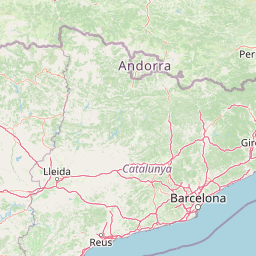
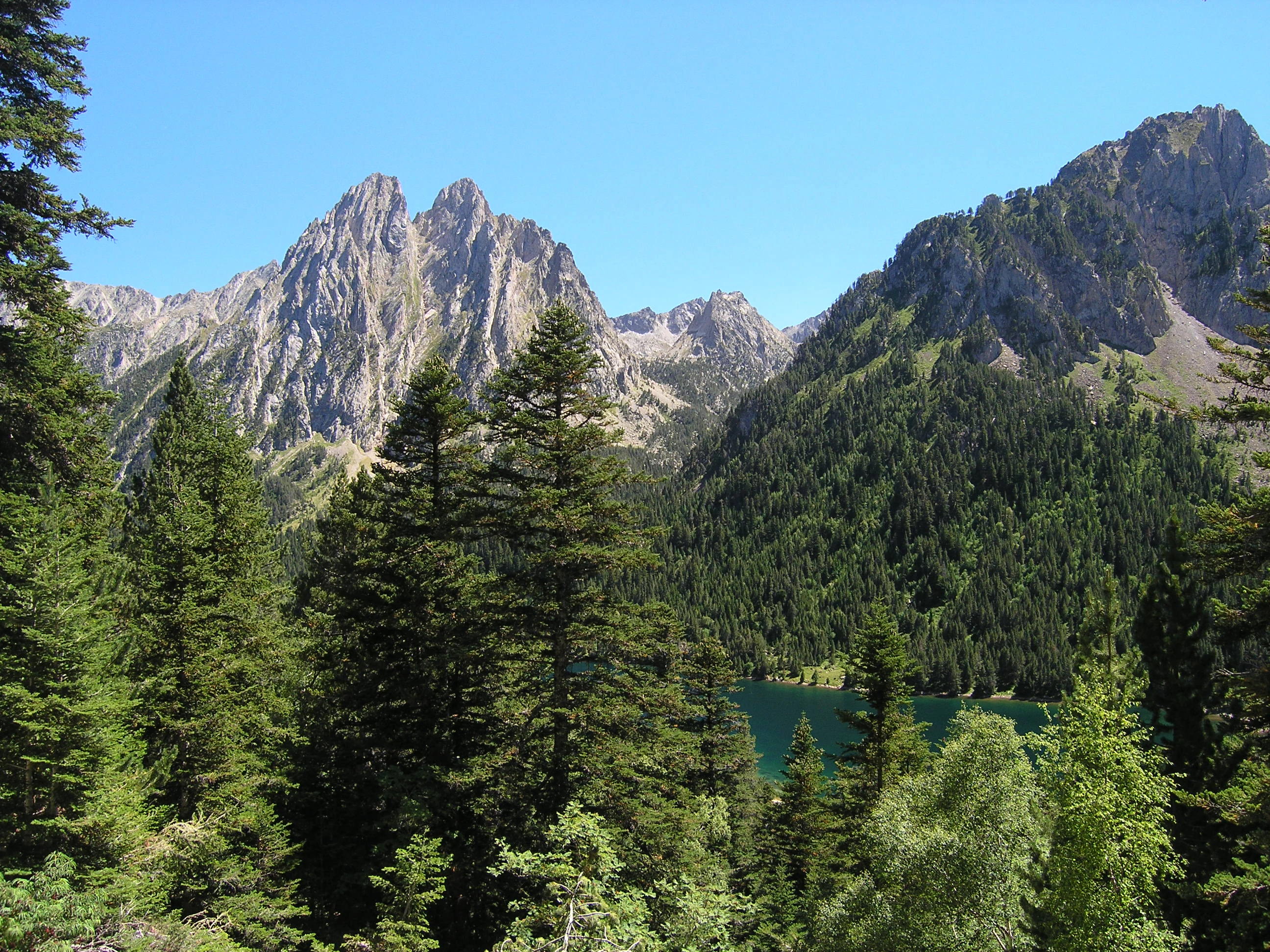
Aigüestortes i Estany de Sant Maurici is best known for its exceptional concentration of glacial lakes and the striking landscape of Sant Maurici lake framed by the dramatic twin peaks of Els Encantats, which appears on the park's official logo. The Aigüestortes plain, meaning "winding waters," gives the park its name and showcases the distinctive meandering streams that flow slowly across a flat valley floor, a rare hydrological feature in mountain terrain. The park protects one of the most important high-mountain ecosystems in the Pyrenees, with four distinct vegetation zones supporting remarkable biodiversity. Visitors are drawn to the network of mountain refuges that enable multi-day treks through this pristine alpine environment, as well as the opportunity to observe species such as the Pyrenean chamois, golden eagle, and bearded vulture in their natural habitat.
Aigüestortes i Estany de Sant Maurici National Park history and protected-area timeline
Human presence in the high Pyrenees dates back at least 8,500 years to the Neolithic period, though archaeological evidence indicates only temporary settlements within the current park boundaries rather than permanent habitation. The 19th century brought intense exploitation of forest resources, farming, and fishing as the high Pyrenees became more densely populated. The early 20th century saw the construction of hydroelectric power plants that transformed the landscape through dam construction and water diversions. On 21 October 1955, the park was officially created as Spain's fifth national park, originally covering 9,851 hectares under the name "Parque Nacional de Aiguas Tortas y Lago de San Mauricio." The Catalan government assumed management responsibilities in 1988 according to Catalan law, establishing the buffer zone and implementing stricter protection measures. A significant enlargement occurred in 1996, expanding the core area to its current extent. Following legal disputes between Catalan and Spanish authorities, a 1997 agreement restored the park's status within Spain's national park system while allowing autonomous community participation in management.
Aigüestortes i Estany de Sant Maurici National Park landscape and geographic character
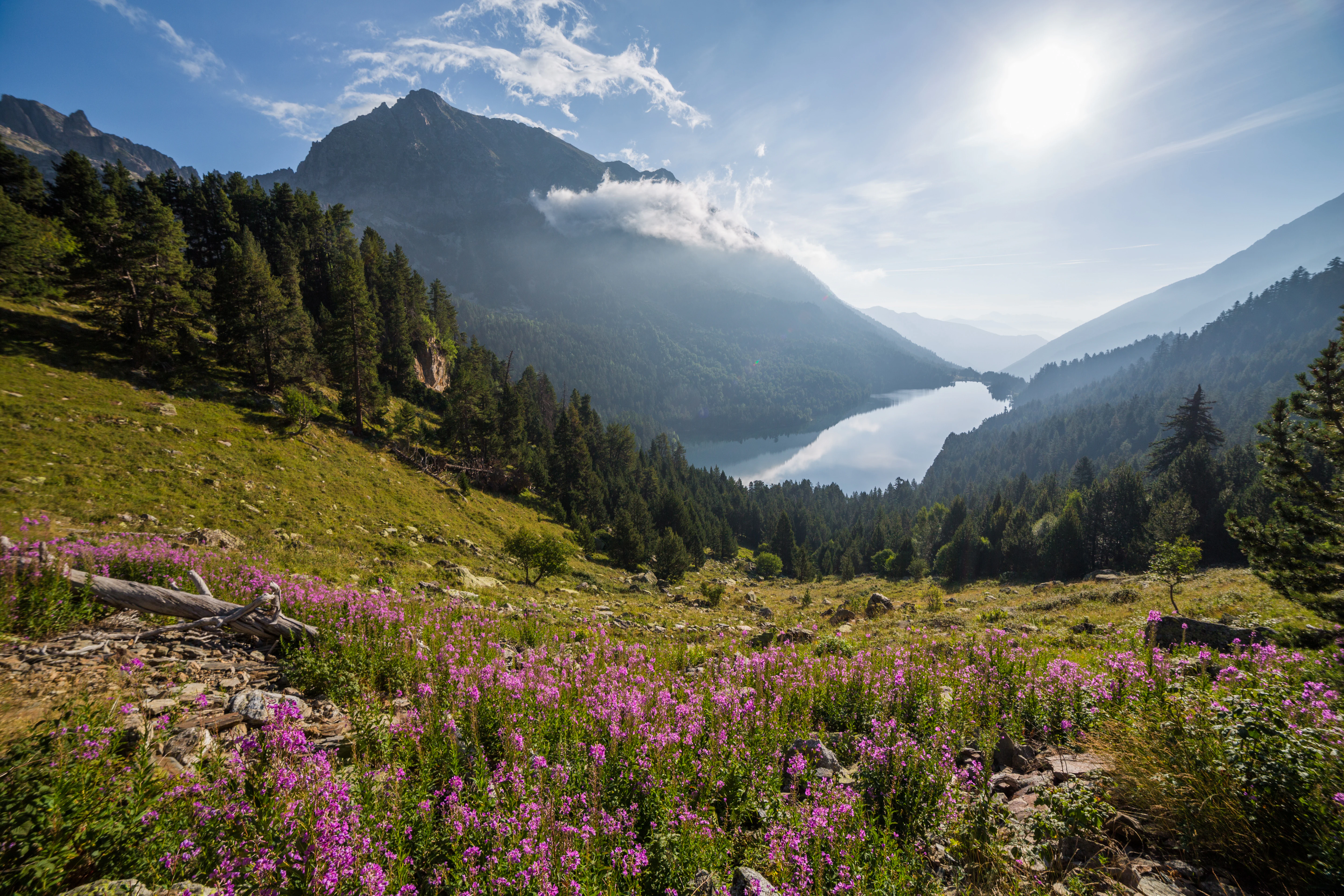
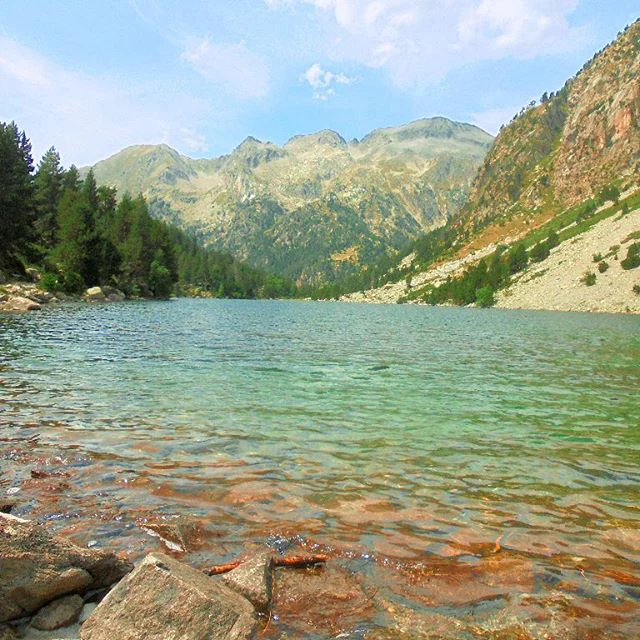
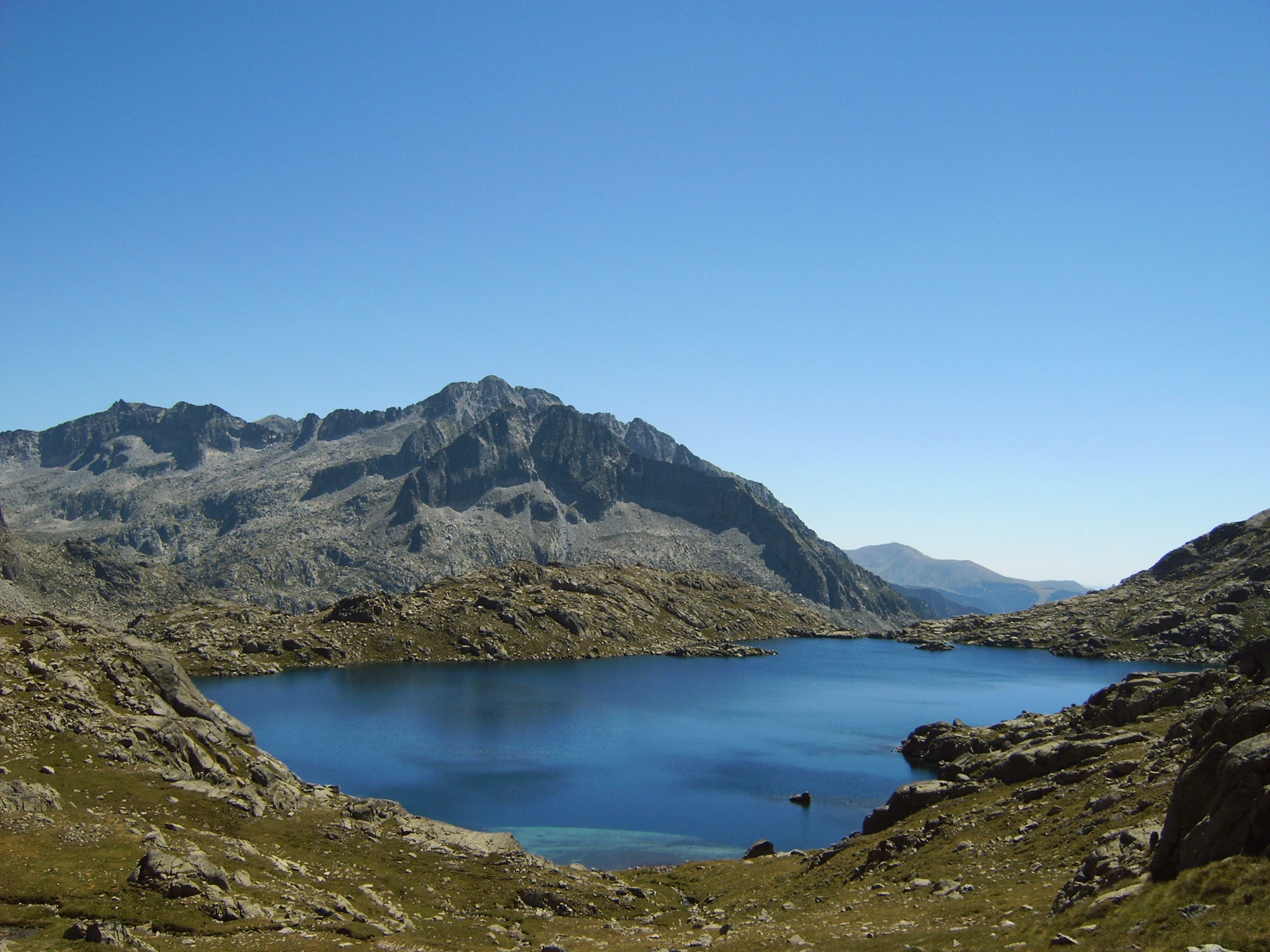
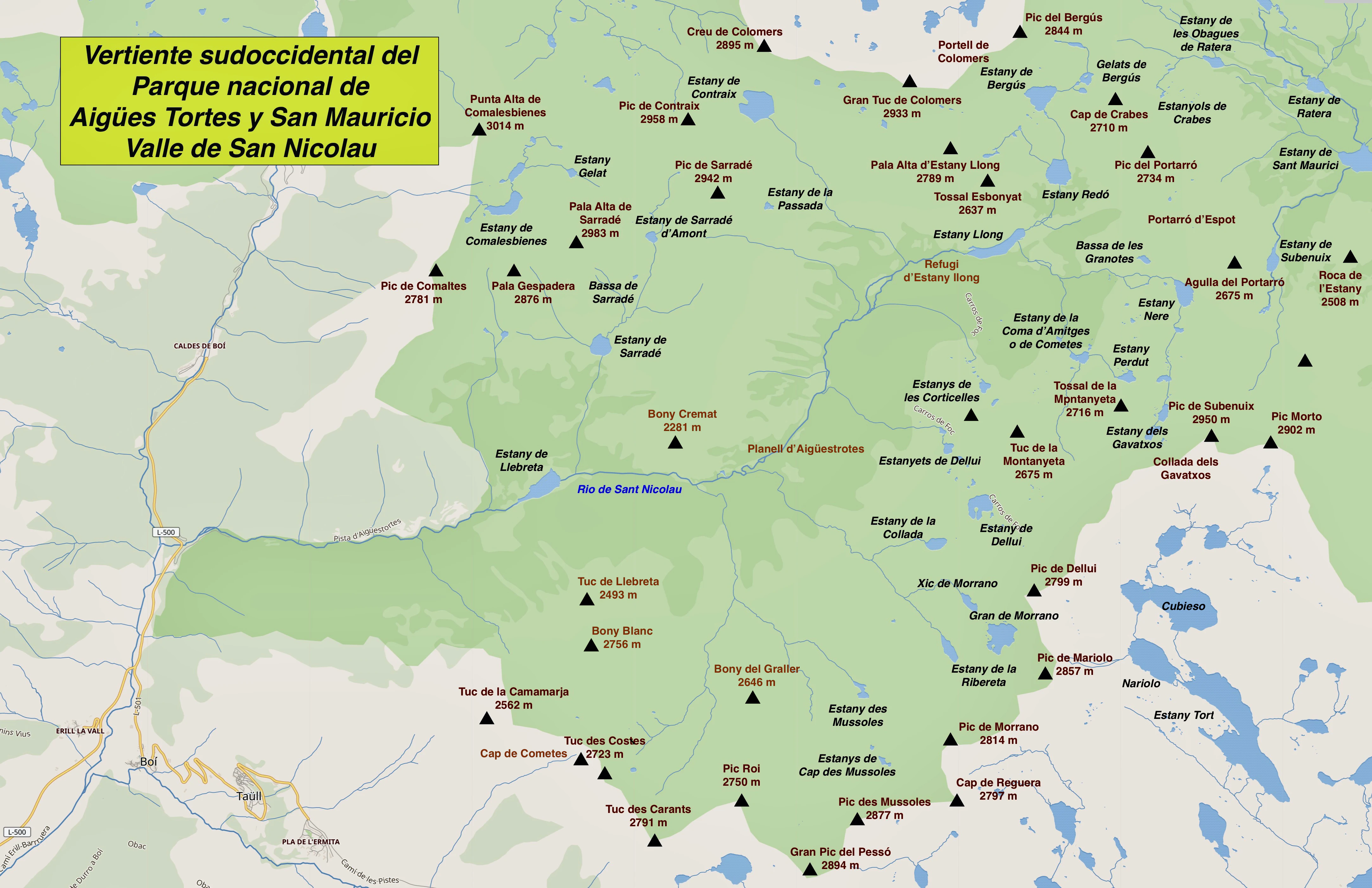
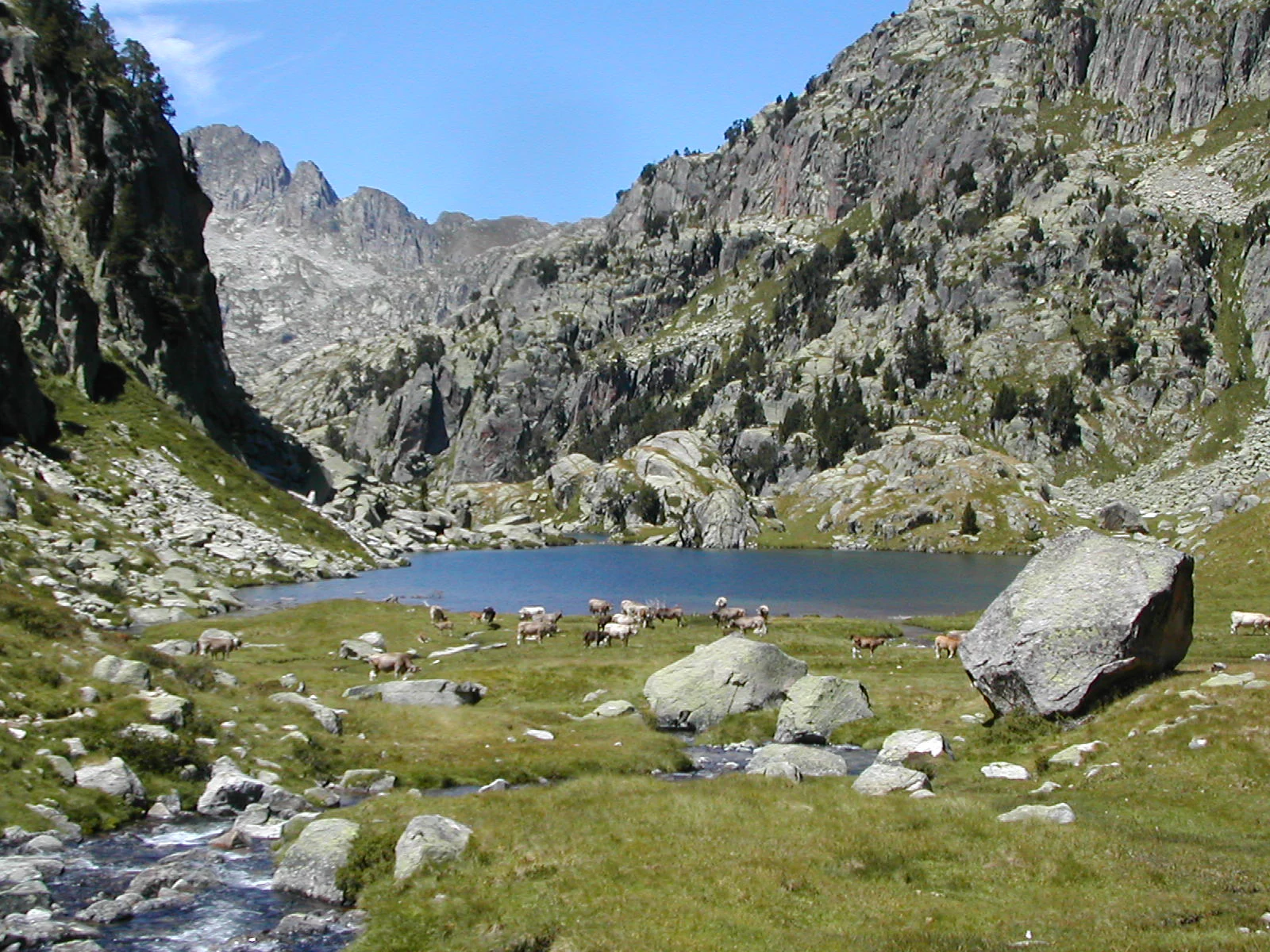
The landscape of Aigüestortes i Estany de Sant Maurici presents an archetypal high-mountain environment shaped by ancient glacial processes. The most striking features are the nearly 200 lakes, most of glacial origin, which together form the most important lacustrine complex in the Pyrenees. The western sector centres on the Aigüestortes plain, a remarkably flat area where the Sant Nicolau river meanders slowly across sediments deposited in what was once a larger lake, creating the winding channels that give the park its name. The eastern sector features Sant Maurici lake, a classic glacial tarn set beneath the twin peaks of Els Encantats, one of the most photographed scenes in the Pyrenees and the symbol of the park. The surrounding terrain includes cirques such as Colomers and Saboredo, the Besiberri valley with its dramatic peaks reaching over 3,000 metres, and the Montardo massif. U-shaped valleys, sharp ridges, and hanging valleys are characteristic of this landscape, while waterfalls fed by glacial meltwater descend from hanging valleys into the main drainage systems.
Aigüestortes i Estany de Sant Maurici National Park ecosystems, habitats, and plant life
The ecological diversity of Aigüestortes i Estany de Sant Maurici stems from its significant elevation range and the varied orientation of its valleys, creating distinct microclimates and habitat conditions. Four major vegetation zones traverse the park: lower montane forests of deciduous species including pubescent oak, European ash, beech, and common hazel; upper montane forests dominated by mountain pine growing up to 2,400 metres; subalpine zones with rhododendron and blueberry understory; and alpine meadows above the tree line where only hardy herbs can survive. Approximately eight percent of the park's plant species are endemic to the Pyrenees, while around seven percent have boreo-alpine or arctico-alpine distributions representing species that arrived during the last Ice Age. La Mata de Valencia contains the largest silver fir forest in the Pyrenees. The park serves as an important watershed, with rivers feeding the Noguera Pallaresa, Noguera Ribagorzana, and Garona basins through a complex hydrological network.
Aigüestortes i Estany de Sant Maurici National Park wildlife and species highlights
The wildlife of Aigüestortes i Estany de Sant Maurici, while challenging to observe due to the terrain and the skittish nature of many species, includes approximately 200 vertebrate species with roughly two-thirds being birds. The Pyrenean chamois represents one of the most characteristic mammals, often spotted on rocky slopes, while the brown bear, though rarely seen, maintains a presence in the park. Other mammals include the stoat, introduced alpine marmot, roe deer, and fallow deer. The avifauna is particularly rich, featuring the western capercaillie in coniferous forests, rock ptarmigan on high rocky terrain, golden eagle and griffon vulture soaring over the peaks, and the bearded vulture, also known as lammergeier, a species for which the Pyrenees are a significant stronghold. The black woodpecker inhabits old-growth forests, while the wallcreeper graces cliff faces with its distinctive crimson wings. The Pyrenean brook salamander is a significant amphibian endemic to the northern Iberian Peninsula, though difficult to find among the park's streams and lakes.
Aigüestortes i Estany de Sant Maurici National Park conservation status and protection priorities
Aigüestortes i Estany de Sant Maurici holds significant conservation value as Catalonia's only national park and as a Ramsar-designated wetland since 2007. The park's protection extends across a core area of 14,119 hectares with a surrounding buffer zone of 26,733 hectares, creating a graduated protection scheme. The diverse ecosystems, from deciduous forests through subalpine conifers to alpine meadows, support significant biodiversity including endemic Pyrenean species and relict boreo-alpine flora that survived the last glaciation. Conservation measures prohibit resource exploitation within the core area, though traditional livestock grazing and hydroelectric generation continue under managed concessions. The park also functions as a Special Protection Area for Birds and a Special Area of Conservation under the European Union's Natura 2000 network, providing formal protection for species such as the capercaillie and bearded vulture that require specific habitat conditions.
Aigüestortes i Estany de Sant Maurici National Park cultural meaning and human context
The cultural landscape surrounding Aigüestortes i Estany de Sant Maurici reflects centuries of traditional mountain life in the Pyrenean valleys. While the park itself contains no permanent settlements, the surrounding comarques maintain pastoral traditions that have shaped the landscape over millennia. The Vall de Boí, just outside the park boundaries, contains a remarkable ensemble of Romanesque churches that UNESCO designated as a World Heritage Site in 2000, demonstrating the deep historical connection between human communities and this mountain environment. The mountain refuges scattered throughout the park represent a continuation of traditional high-mountain shelter practices, now adapted for modern trekking use. The park's information centres at Boí and Espot, along with the Museum of the Shepherds at Llessui, provide context about the historical relationship between Pyrenean communities and their mountain environment.
Top sights and standout views in Aigüestortes i Estany de Sant Maurici National Park
The park's standout features include the iconic Sant Maurici lake with its backdrop of Els Encantats peaks, the vast network of nearly 200 glacial lakes scattered throughout cirques and valleys, and the remarkable Aigüestortes plain where slow-moving waters create an almost wetland-like environment in the high mountains. The diversity of vegetation zones from deciduous forests through mountain pine to alpine meadows provides visual variety and supports ecological complexity. The network of ten guarded mountain refuges enables multi-day treks through the most spectacular terrain, including the challenging Carros de Foc circuit that circles between refuges. The GR-11 trans-Pyrenees trail provides access for serious hikers, while shorter walks from both Boí and Espot offer accessible introductions to the park's landscapes. Wildlife viewing opportunities, particularly for Pyrenean chamois and birds of prey, add another dimension to the visitor experience.
Best time to visit Aigüestortes i Estany de Sant Maurici National Park
The optimal season for visiting Aigüestortes i Estany de Sant Maurici runs from late June through September, when the high-mountain trails are snow-free and the refuges operate with full services. July and August bring the warmest conditions and the longest days for trekking, though they also coincide with the highest visitor numbers. September often offers excellent conditions with thinner crowds and the added possibility of seeing autumn colour in the lower forests. The park is accessible year-round for day visits from nearby villages, but winter access to the interior is severely limited by snow and the closure of refuges, making it essentially a summer and autumn destination for backcountry exploration. Spring arrives late in these high elevations, with snow typically persisting in passes and north-facing cirques until early summer.