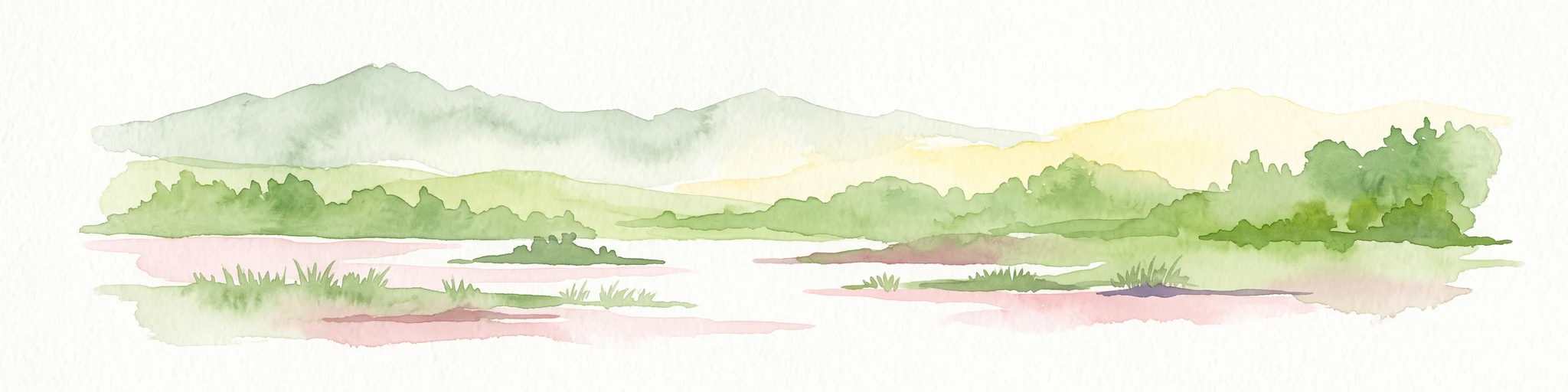
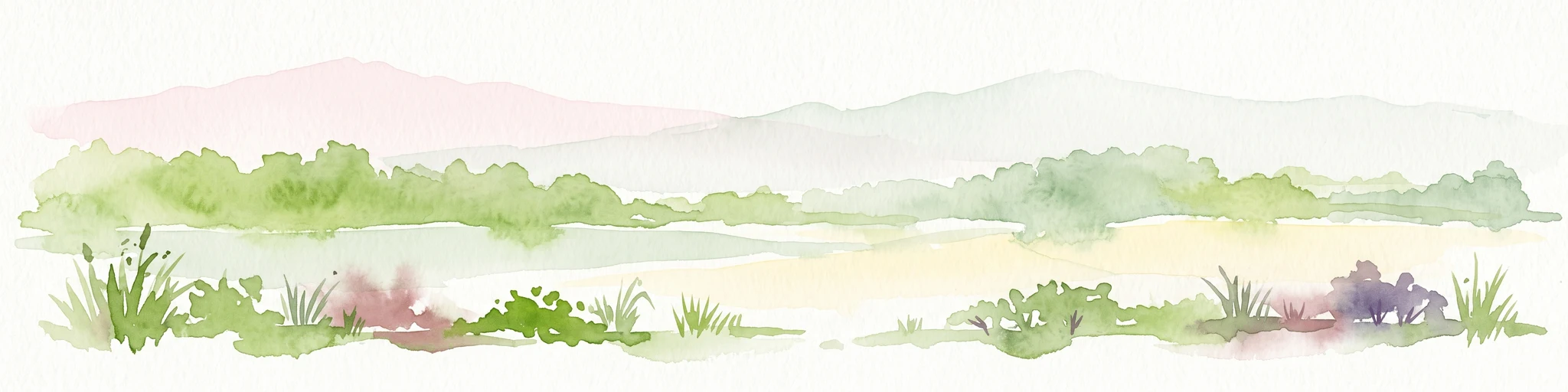
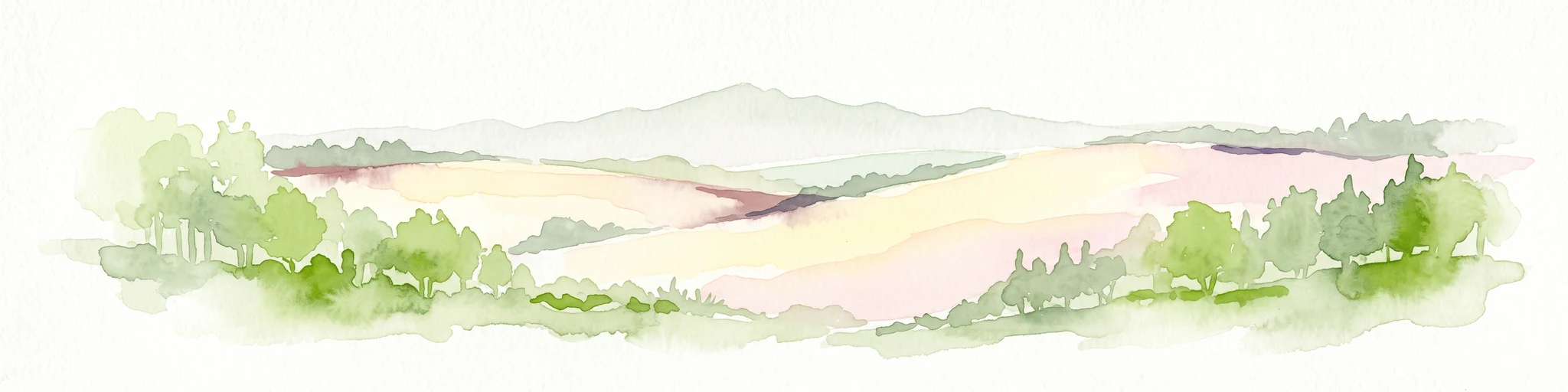
A sweeping, nearly treeless wetland meadow in the Baruther Urstromtal, sheltering one of Germany's last refuges for the great bustard.
Belziger Landschaftswiesen
The Belziger Landschaftswiesen form a wide, flat, and almost entirely open lowland landscape in the southwest of Brandenburg, lying wholly within the Baruther Urstromtal, a broad glacial meltwater valley shaped during the last ice age. Covering roughly 7,600 hectares of permanently uninhabited countryside northeast of the town of Bad Belzig, the area belongs to the Naturpark Hoher Fläming and has been protected as a nature reserve since 2005, with about 4,500 hectares under formal German Naturschutzgebiet status.
The reserve stands out for its combination of a rare Durchströmungsmoor, a peatland threaded by near-natural streams around the River Plane, and the open, traditionally mown meadows that replaced the once-dominant alder and oak swamp forests. Thanks to decades of conservation effort, the Belziger Landschaftswiesen have become one of the last surviving strongholds of the great bustard in Germany and a regionally important breeding and resting site for numerous meadow birds, including the corncrake, snipe, lapwing, and curlew.
Beyond its ecological value, the landscape carries deep historical resonance: until 1815 the meadows formed the frontier between the Kingdom of Saxony and the Kingdom of Prussia, and traces of the Ascanian settlement history, Cistercian land reclamation, and the old Brandenburgische Städtebahn railway still frame the otherwise silent, sprawling wetland.