
Why Berchtesgaden National Park stands out
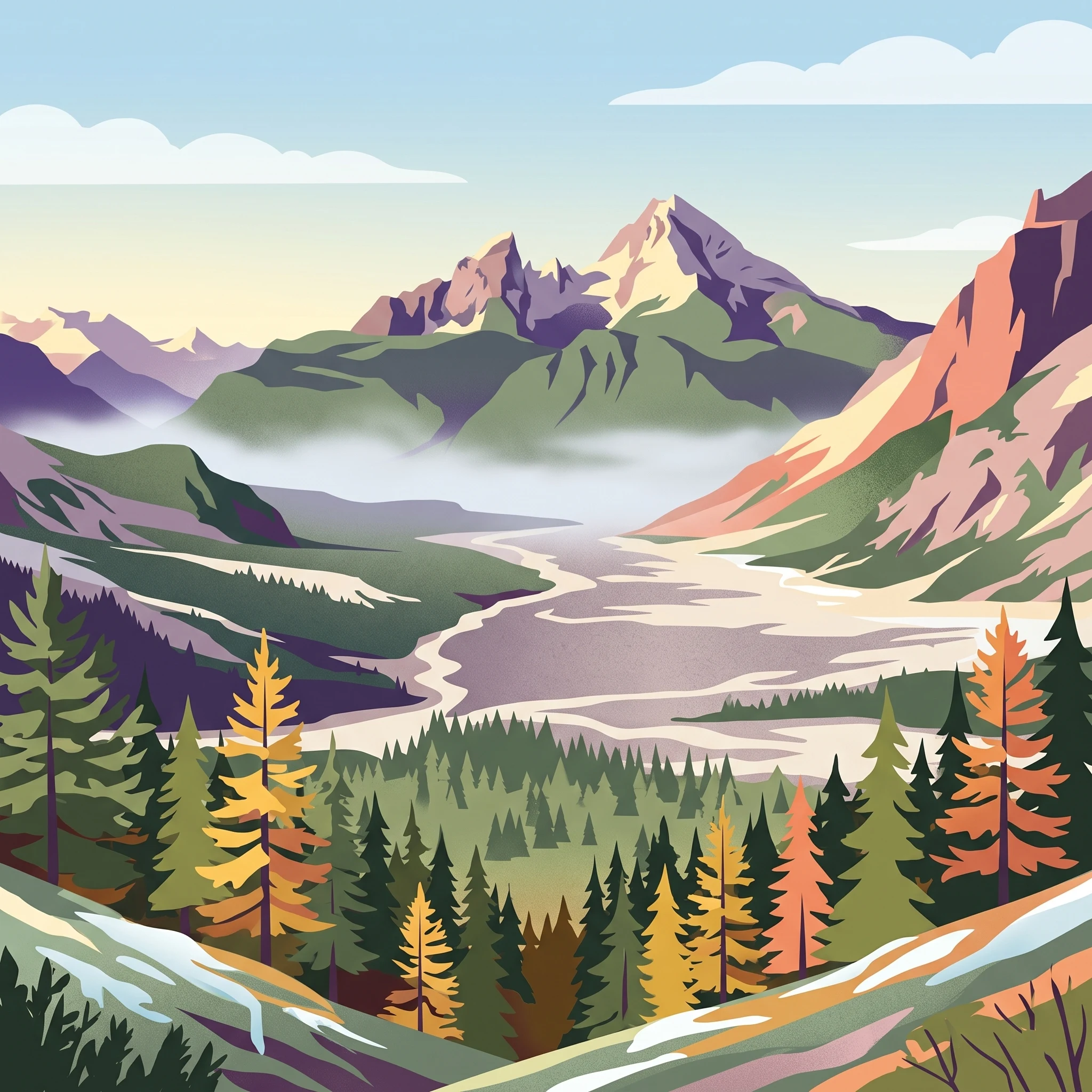
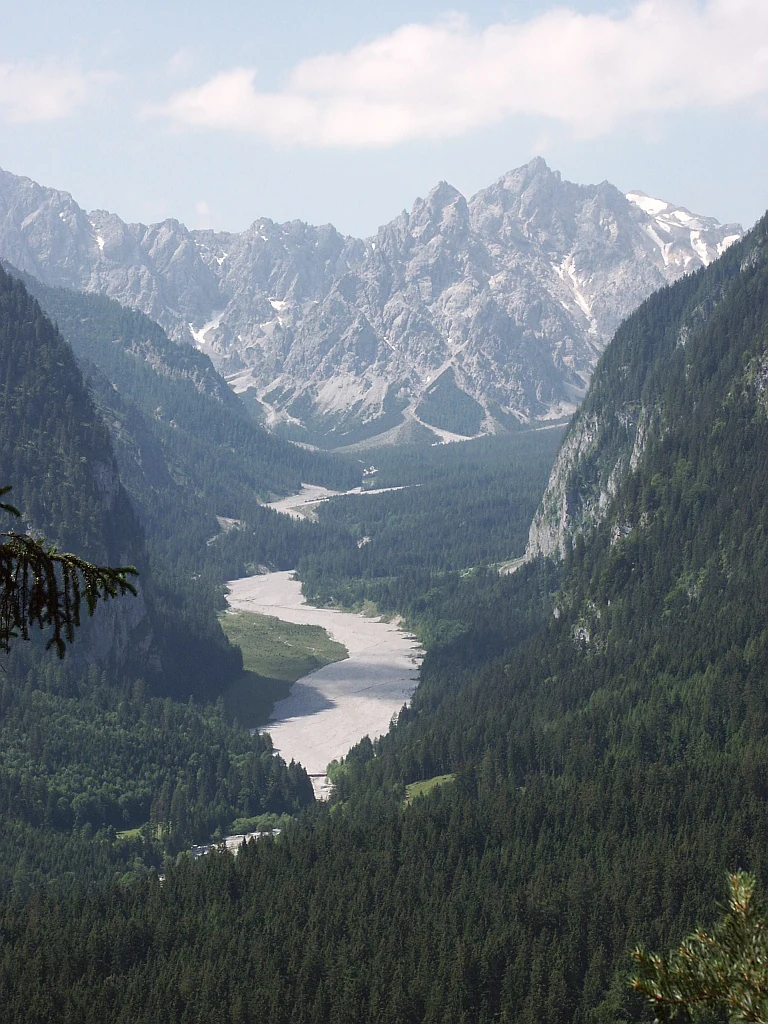
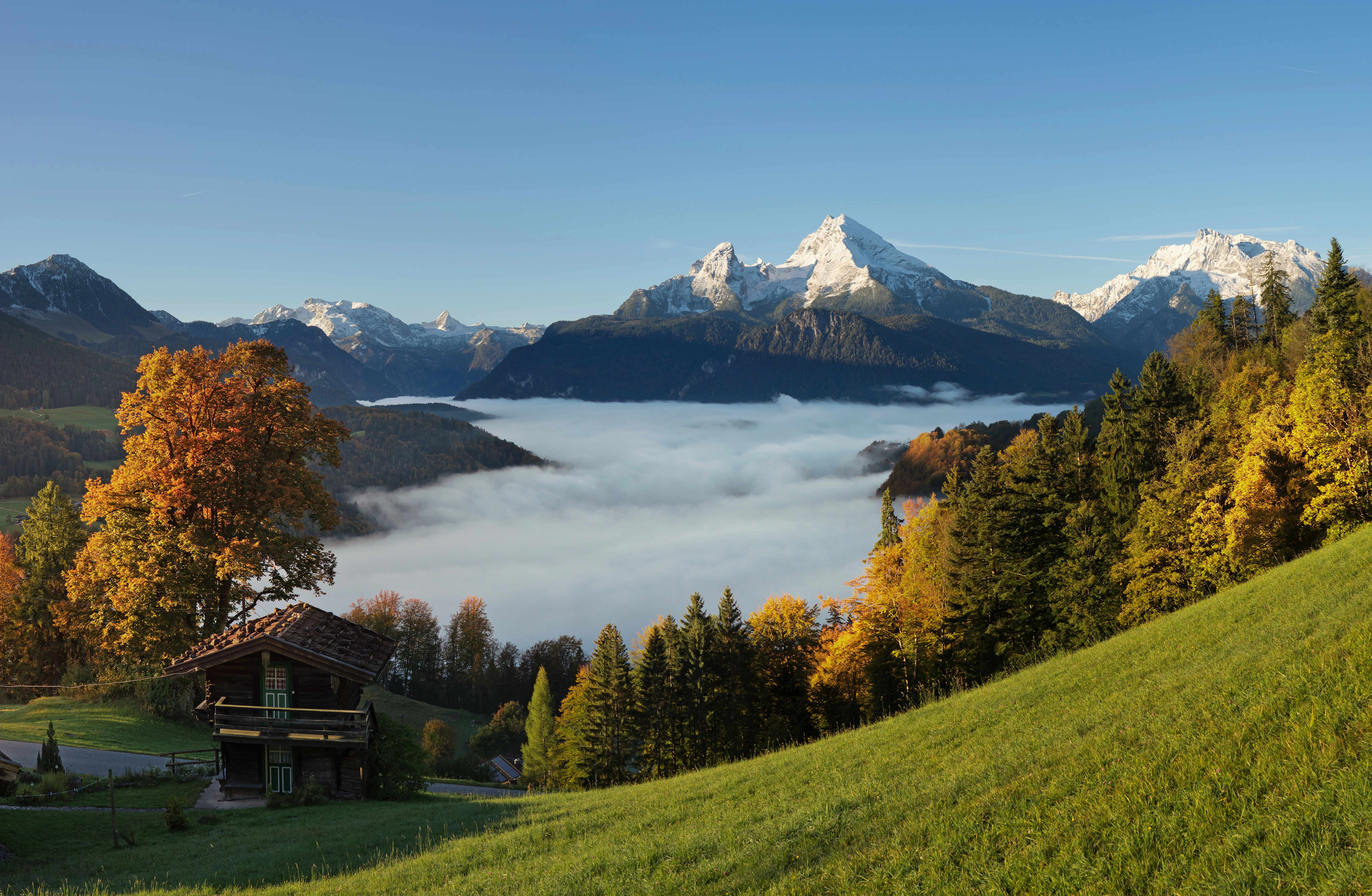
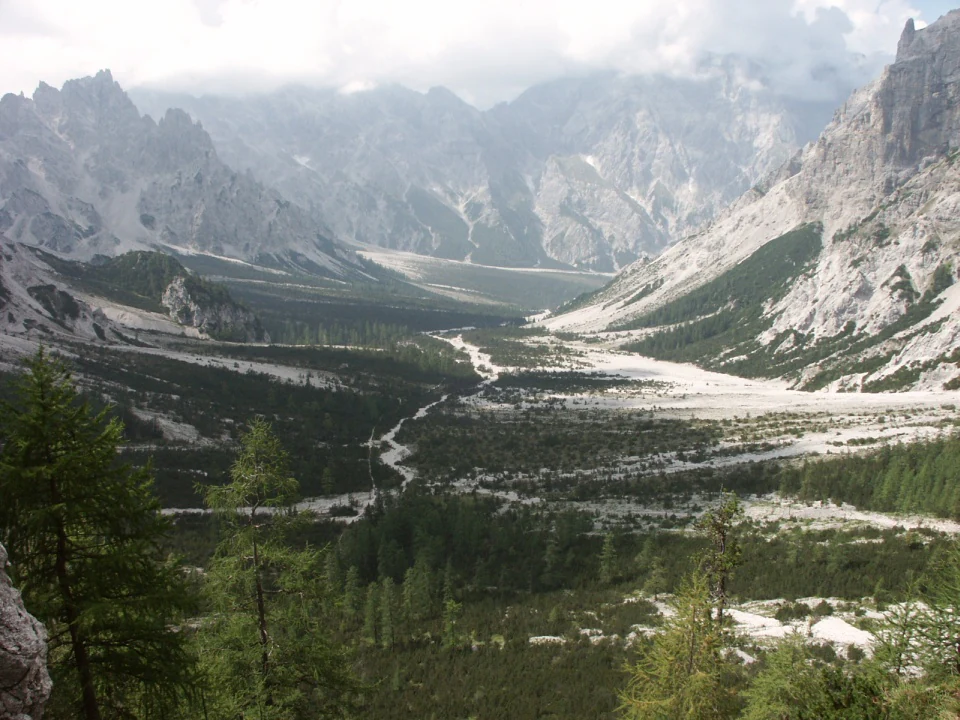
Berchtesgaden National Park is renowned for its dramatic Alpine scenery, with towering limestone peaks and dramatic cliff faces. The park protects Germany's only glaciers in the Alps, specifically the Watzmann Glacier and Blaueis. The Königssee, a deep glacial lake surrounded by steep walls, is a defining feature accessible by electric boat. The Watzmann massif presents one of the most recognizable silhouettes in the Eastern Alps. The park also preserves rare karst landscape features, including the Wimbachgries, a vast debris field between the Watzmann and Hochkalter massifs.
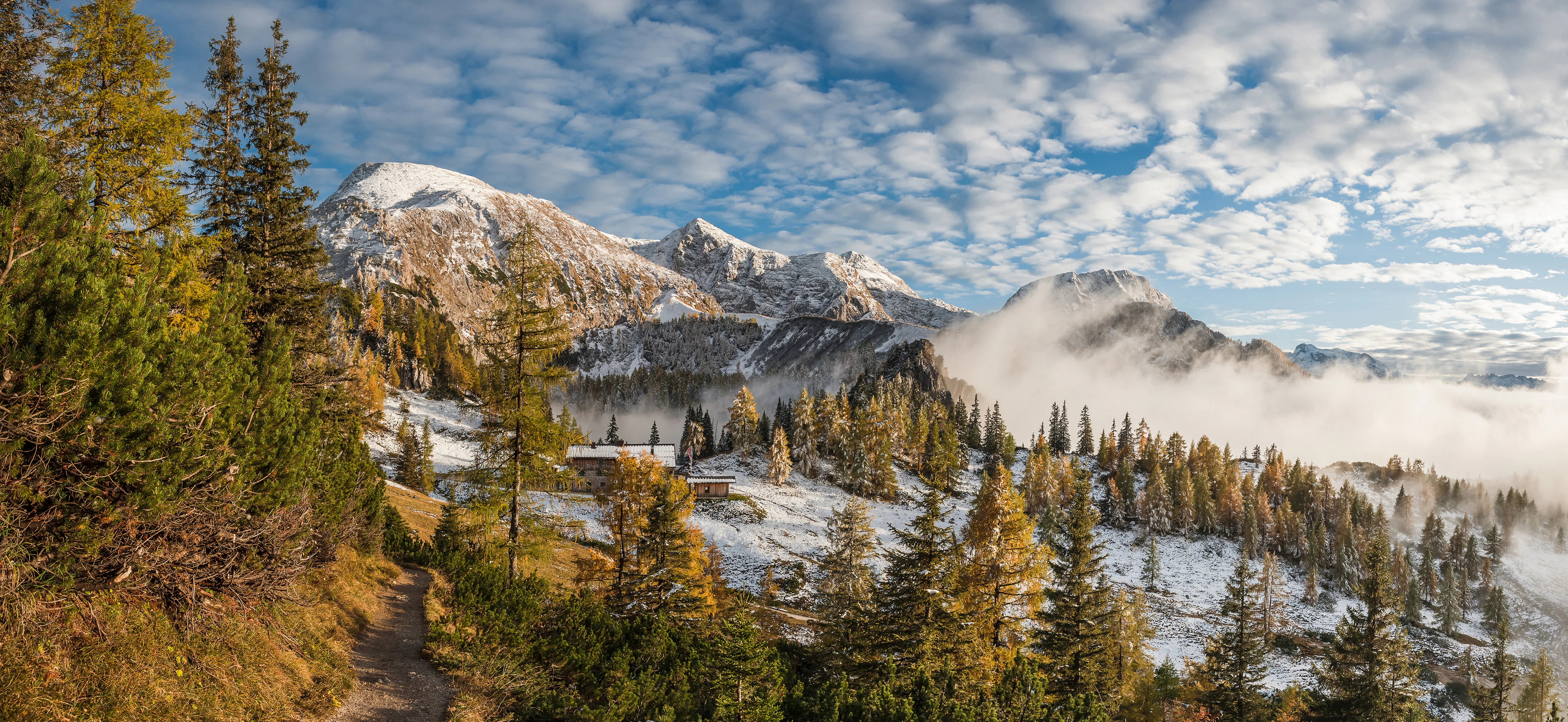
Berchtesgaden National Park history and protected-area timeline
The protection of the Berchtesgaden Alps began in 1910 when an 8,600-hectare nature conservation area was established in what is now the southeastern part of the park. Modeled on American national parks, this represented an early effort to preserve Alpine landscapes. The area expanded to 20,400 hectares in 1921, encompassing the Watzmann and Hochkalter massifs. During World War II, Hermann Göring, then State Minister of Forestry and Hunting, declared the Obersee area a particularly protected natural conservation area, and six additional faunal protection zones were designated, though these were largely used for hunting in practice. The formal initiative to create a national park emerged in the 1950s. In the 1960s, a competing proposal to construct an aerial lift to the Watzmann summit directly conflicted with national park plans. The cable car project was ultimately abandoned in 1972 by the Free State of Bavaria, which simultaneously decided to establish the national park. The park officially opened on 1 August 1978 with an area of 208.08 square kilometers. UNESCO recognized the area as a Biosphere Reserve in 1990, and the park was expanded in 2010 to its current extent of approximately 210 square kilometers. The park's establishment faced significant local opposition, particularly from surrounding municipalities, though acceptance has grown over time.
Berchtesgaden National Park landscape and geographic character
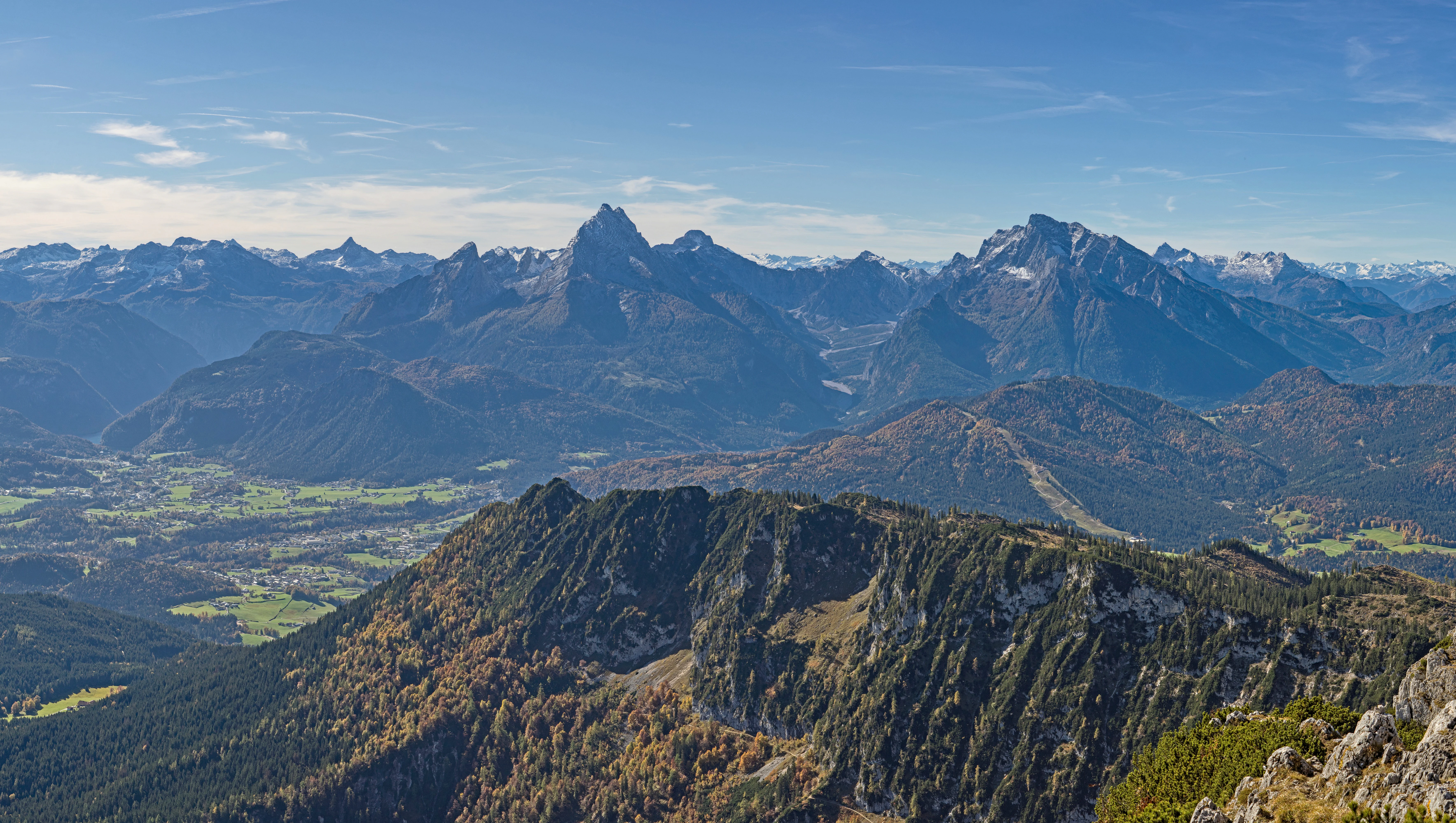
The physical landscape of Berchtesgaden National Park exemplifies classic Alpine geology and topography shaped by glacial processes. The park is carved from the Berchtesgaden Alps, a subset of the Northern Limestone Alps, where massive limestone and dolomite formations have been sculpted by ice age glaciers into dramatic ridges, cirques, and peaks. The Watzmann massif dominates the western portion of the park, rising to 2,713 meters and forming one of the most imposing mountain groups in Germany. East of the Watzmann, separated by the Wimbachtal valley, the Hochkalter reaches 2,607 meters and supports the Blaueis Glacier, one of the few remaining glaciers in Germany. The central feature of the park is the Königssee, a elongated glacial lake extending from south to west, with the smaller Obersee situated above it in a hanging valley position. The Wimbachgries, a remarkable feature between the Watzmann and Hochkalter, is a vast debris field filled with material up to 300 meters thick extending over ten kilometers, believed to have formed from the collapse of a massive rock vault. The Funtensee, a mountain lake in the park, is notable for regularly recording Germany's lowest winter temperatures. Elevations within the park range from approximately 603 meters at the Königssee to 2,713 meters at the Watzmann summit.
Berchtesgaden National Park ecosystems, habitats, and plant life
The ecological character of Berchtesgaden National Park reflects its position in the transitional zone between the Northern Alps and the central Alpine regions, supporting a diversity of habitats from lake and riparian zones through forest stages to Alpine meadows and summit scree fields. The park's elevation range creates distinct vegetation zones, with mixed forests in the lower valleys giving way to coniferous forests, then krummholz scrub, Alpine meadows, and finally bare rock and permanent snow. The karst geology influences soil development and water movement, creating specialized habitats. The lake systems, particularly the Königssee and Obersee, support distinct aquatic communities. The park's protected status allows natural processes to proceed largely without intervention, with erosion, vegetation succession, and predator-prey dynamics permitted to unfold naturally in the core zone. This approach distinguishes Berchtesgaden from more heavily managed German protected areas and provides valuable opportunities for ecological research in a near-pristine Alpine setting.
Berchtesgaden National Park wildlife and species highlights
Berchtesgaden National Park supports a diverse vertebrate fauna typical of the Northern Alps. The larger mammals include roe deer, red deer, chamois, and Alpine ibex, the latter reintroduced in the 1930s after earlier extinction. Smaller mammals include Alpine marmot, snow hare, and snow vole. The park hosts approximately 100 breeding bird species, with characteristic species including golden eagle, Tengmalm's owl, pygmy owl, hazel grouse, black grouse, capercaillie, Alpine ptarmigan, raven, Alpine chough, nutcracker, and wallcreeper. Griffon vultures and bearded vultures are occasionally observed. The park contains sixteen amphibian and reptile species, including endangered species such as the common adder, smooth snake, grass snake, Alpine salamander, fire salamander, Alpine newt, yellow-bellied toad, lake char, and brown trout. Notable insects include the longhorn beetle and Apollo butterfly. Historically, the region supported European bison, lynx, brown bear, wolf, and European otter, and some of these species may naturally recolonize from neighboring Austrian populations in the future, though reintroduction is not planned.
Berchtesgaden National Park conservation status and protection priorities
Berchtesgaden National Park serves as the core conservation area for the Berchtesgadener Land Biosphere Reserve, a 467-square-kilometer region recognized by UNESCO in 1990. The park's conservation objectives follow IUCN guidelines and German federal nature protection law, emphasizing the protection of natural processes and biodiversity rather than individual species or landmarks. A key management principle is allowing natural dynamics, including erosion and succession, to proceed without interference in the core zone. The park is divided into a strictly protected core zone and a care zone that accommodates traditional land uses such as Alpine farming. The designation as a Special Area of Conservation under the EU Birds Directive provides additional regulatory protection. Research priorities include ecosystem analysis, long-term environmental monitoring, and understanding environmental change in Central European mountain landscapes. The park maintains a partnership with Yosemite National Park in California for staff and research exchange, and collaborates with the Technical University of Munich on ecosystem dynamics research.
Berchtesgaden National Park cultural meaning and human context
The Berchtesgaden region has a long human history intertwined with its mountain landscape. The establishment of the national park required balancing conservation objectives with traditional land uses including Alpine pastoralism and local community interests. The park contains cultural features such as the Church of Saint Bartholomew on the Königssee, a pilgrimage site with origins dating to the mountain hotel built in 1919. The Wimbachschloss in the Wimbachtal serves as a traditional mountain inn. The transition to national park status was initially controversial among local communities, and ongoing debates concern the balance between protection and traditional agricultural uses, including a recent controversy over infrastructure development. The park administration emphasizes environmental education and building acceptance among local residents. The surrounding Nationalparkvorfeld area extends the protected landscape concept beyond the strict national park boundaries.
Top sights and standout views in Berchtesgaden National Park
The defining features of Berchtesgaden National Park include its status as Germany's sole Alpine national park, protecting a landscape of dramatic peaks, glaciers, and glacial lakes. The Watzmann massif presents the park's most spectacular vertical relief, while the Königssee offers a unique lake experience accessible by silent electric boats. The remaining glaciers, the Watzmann Glacier and Blaueis, represent vanishing remnants of Alpine glaciation and attract scientific interest. The extensive trail network allows access to both accessible valley routes and challenging high-Alpine terrain. The Haus der Berge visitor center provides comprehensive introduction to the park's natural and cultural significance.
Best time to visit Berchtesgaden National Park
The summer months from June through September offer the most reliable access to the park's trail network, with warm temperatures in the valleys and the full range of Alpine flora in bloom. Autumn brings crisp air and often stable weather, with the changing foliage creating dramatic color in the forests. Winter transforms the landscape into a snow-covered wilderness, though trail access becomes limited and requires mountaineering experience and appropriate equipment for the high terrain. The shoulder seasons of late spring and early autumn typically provide fewer visitors while maintaining good access to lower-elevation trails. The park can be visited year-round, but the high-Alpine environment demands appropriate preparation regardless of season.