
Why Bavarian Forest National Park stands out
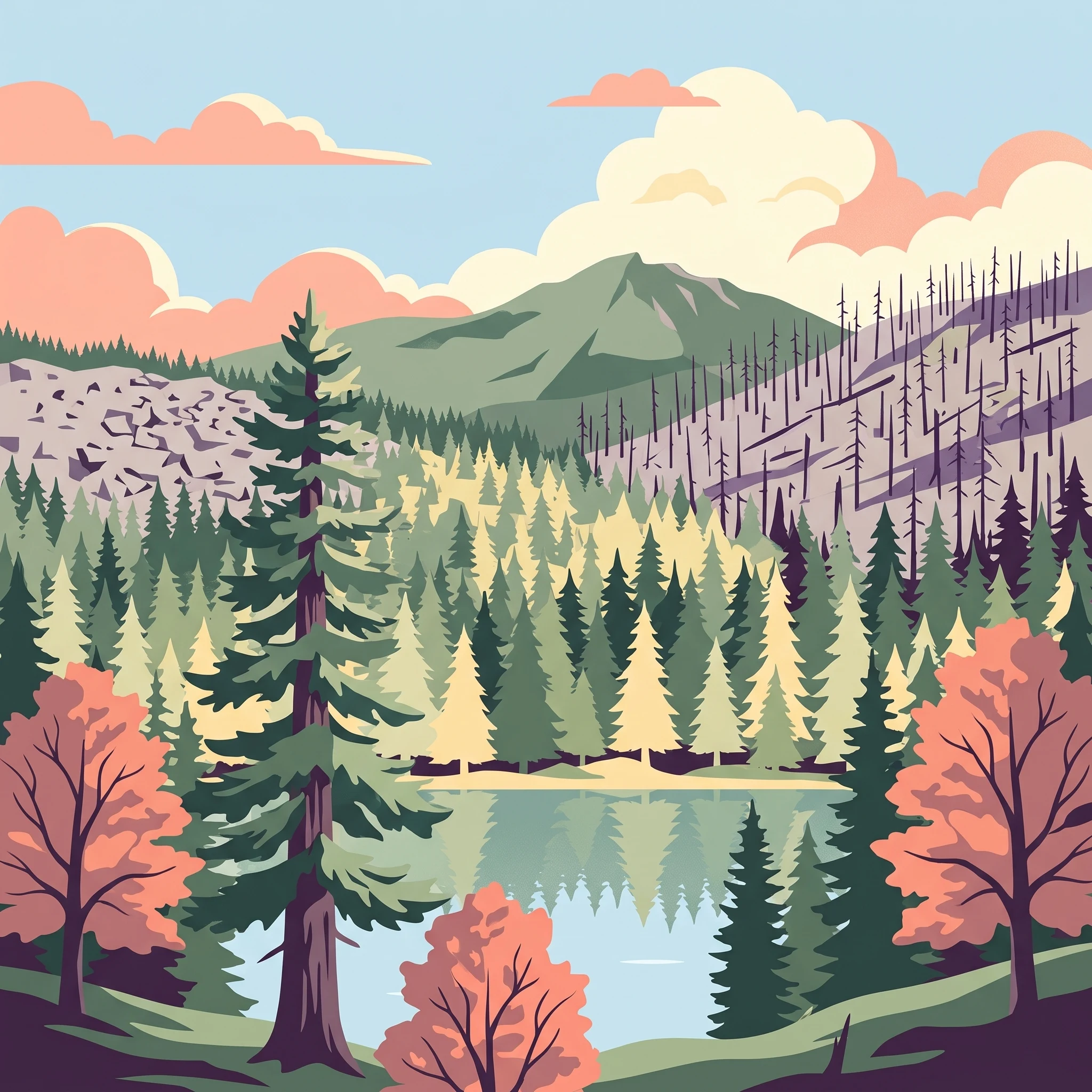
Bavarian Forest National Park is best known as Germany's pioneering national park and its bold approach to wilderness conservation that lets nature take its course without human intervention. The park gained international attention during the 1990s when extensive bark beetle infestations killed large areas of high-elevation spruce forest, sparking intense public debate about conservation philosophy. It is also famous for successful species reintroductions, particularly the Eurasian lynx, and more recently for establishing a wolf population with the first wild-born cubs in Bavaria in over 150 years. The park protects significant old-growth forest remnants including the Urwaldgebiet Mittelsteighütte and Hans-Watzlik-Hain with centuries-old trees.
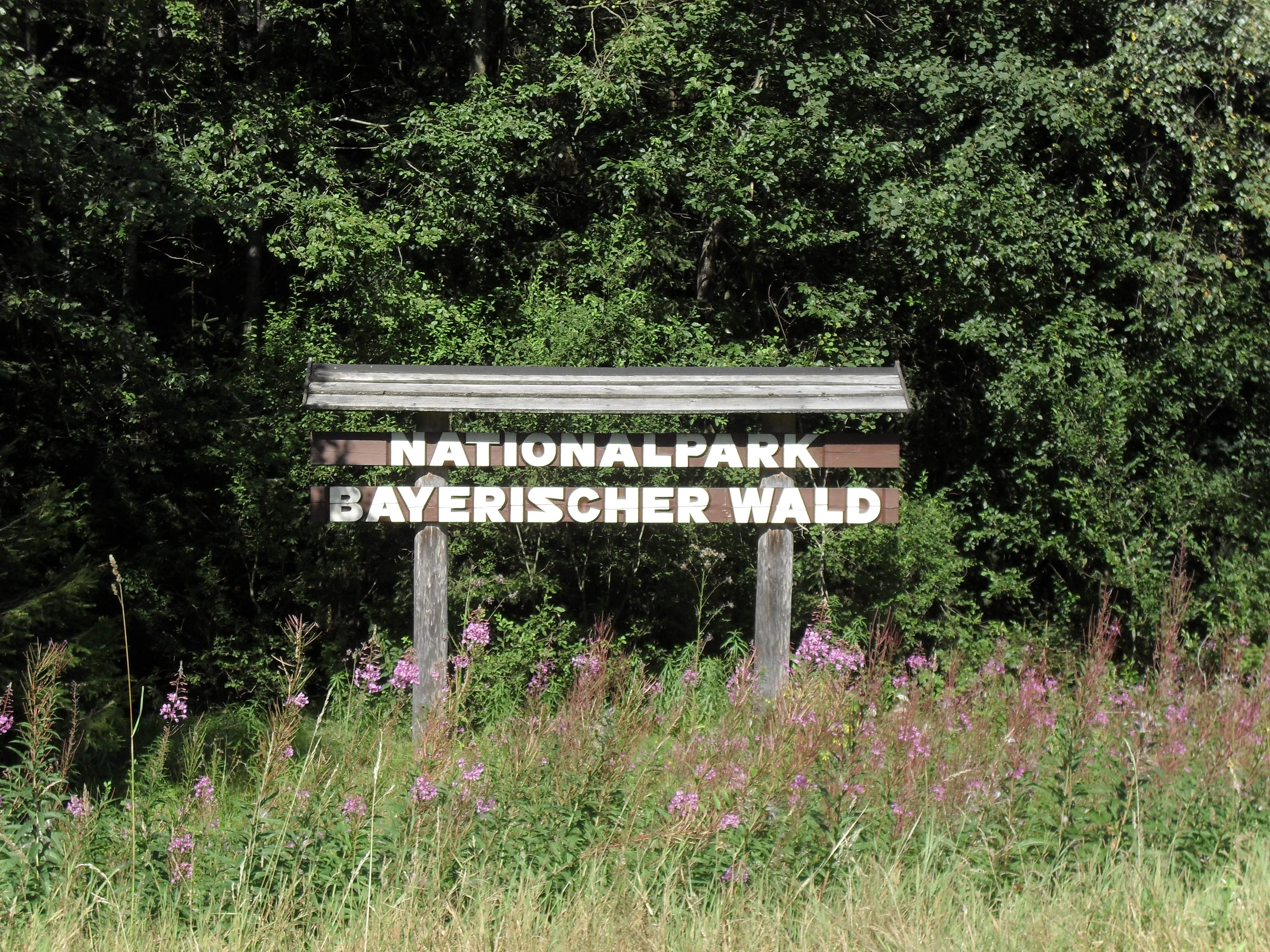
Bavarian Forest National Park history and protected-area timeline
The movement to protect the Bavarian Forest began in the early 20th century as the last old-growth forests disappeared to industrial forestry. Early protected areas included Höllbachgspreng (1914), Urwaldgebiet Mittelsteighütte (1939), and Hans-Watzlik-Hain (1950). After World War II, plans for a national park were delayed until the 1960s when conservationists including Bernhard Grzimek and Hubert Weinzierl renewed efforts. The Bavarian Parliament unanimously approved the park in 1969, and it officially opened on October 7, 1970, covering 13,229 hectares in the Rachel-Lusen area. Initially, reduced forestry continued, but in 1983 the decision was made to end all timber extraction in inner reservations, aiming to create a wilderness for future generations. In 1997, the park expanded by 10,950 hectares to include the Falkenstein area. The park celebrated its 50th anniversary in 2020, and in 2022 achieved the IUCN goal of having 75 percent of its area free from human intervention, four years ahead of the 2027 target.
Bavarian Forest National Park landscape and geographic character
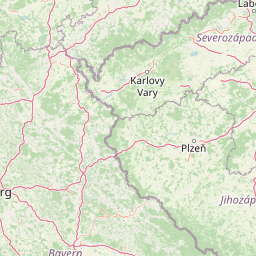
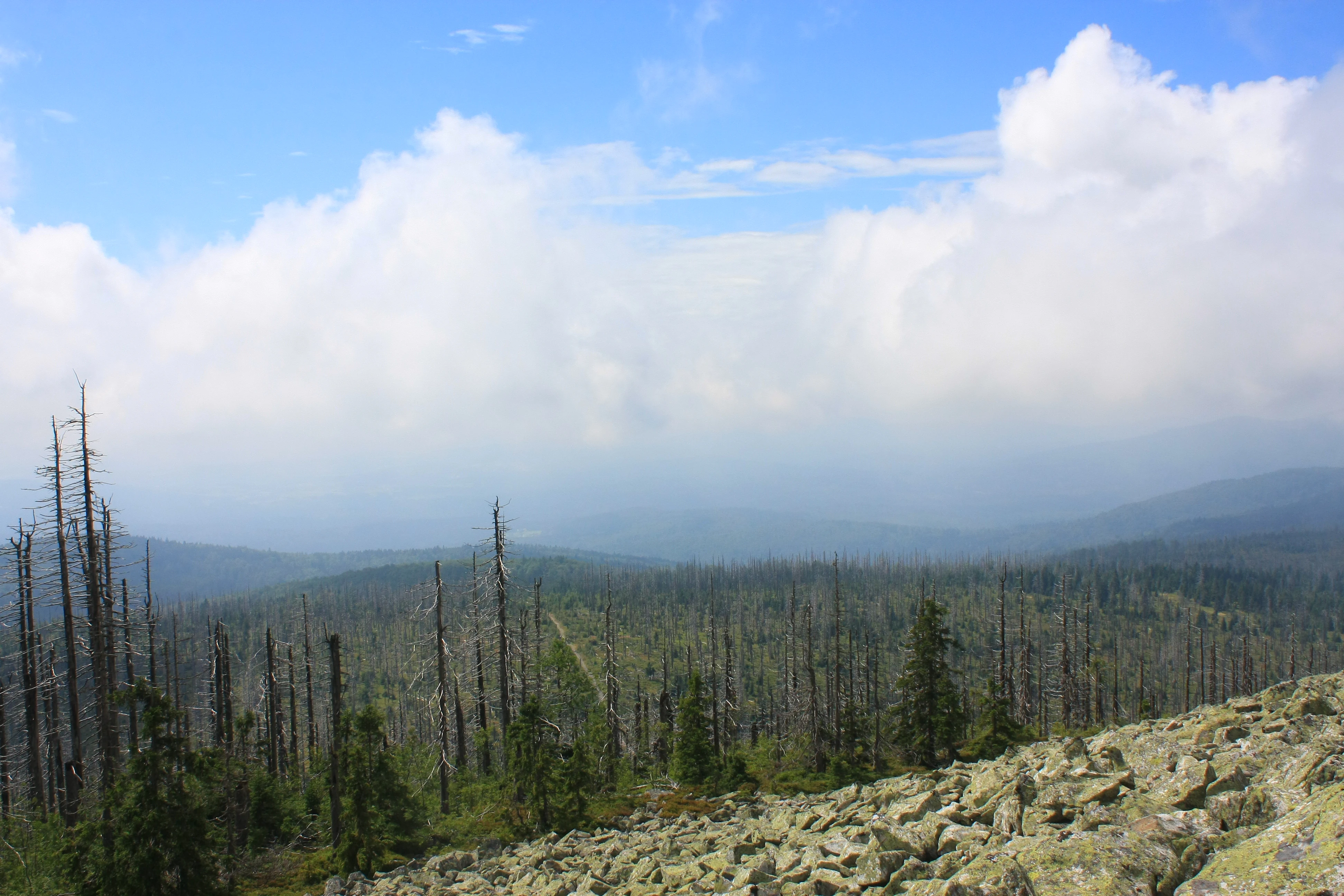
The park spans the main ridge of the Bavarian Forest from Großer Falkenstein in the northwest through Großer Rachel to Lusen in the southeast. The terrain consists of rounded mountain peaks and ridges underlain by ancient granitic and gneissic bedrock of the Bohemian Massif, with soils dominated by acidic brown earths, podzols and peat soils in the bogs. Rock outcrops and block fields characterize higher elevations. The landscape includes ecologically significant raised bogs such as Großer Filz and Latschenfilz with their bog lakes including Latschensee. Former high-altitude pastures called Schachten dot the landscape, and steep-walled valleys like the Höllbachgspreng contain remnants of original ravine forests. The numerous enclaves of municipal land scattered throughout the park create a complex boundary with adjacent communities.
Bavarian Forest National Park ecosystems, habitats, and plant life
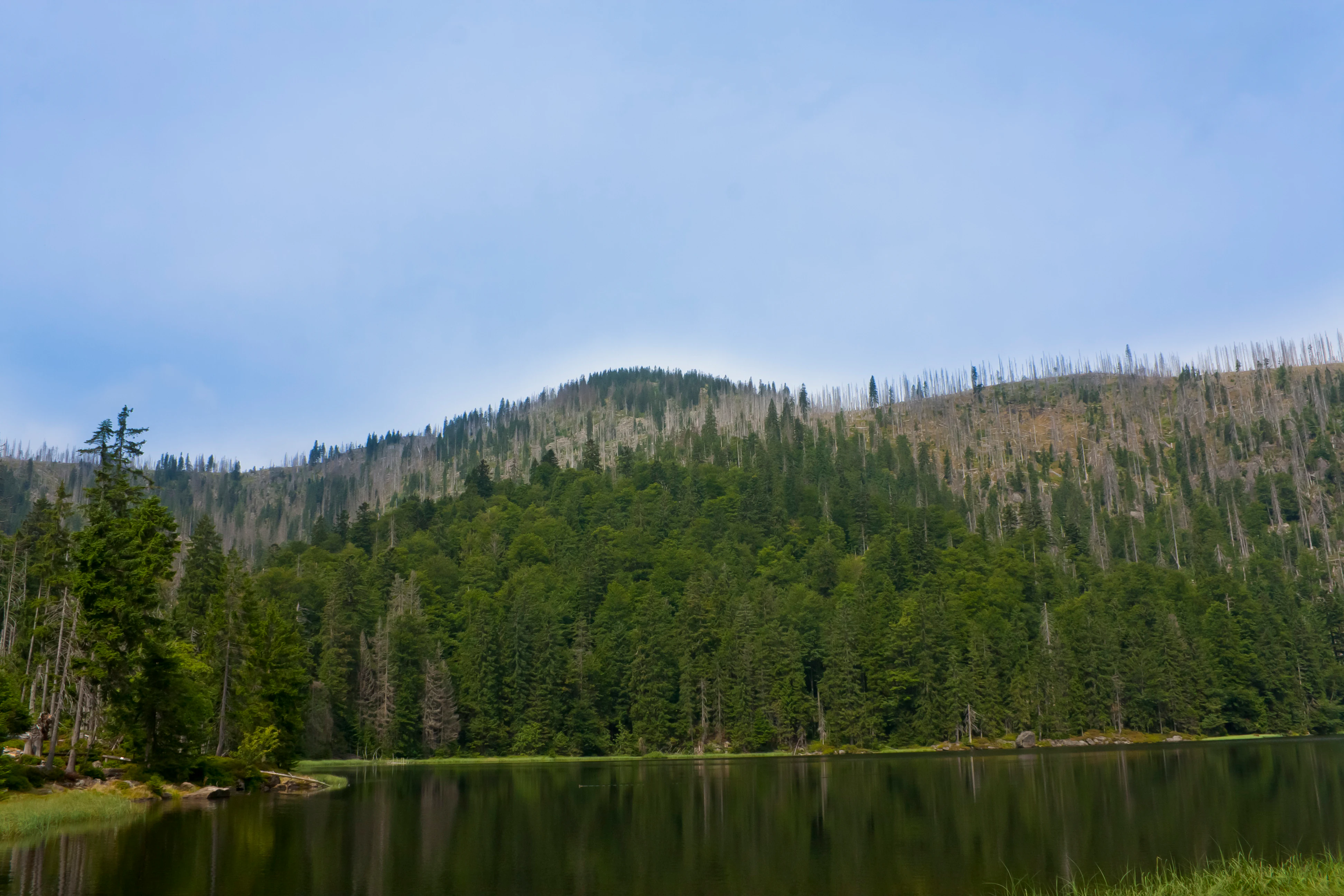
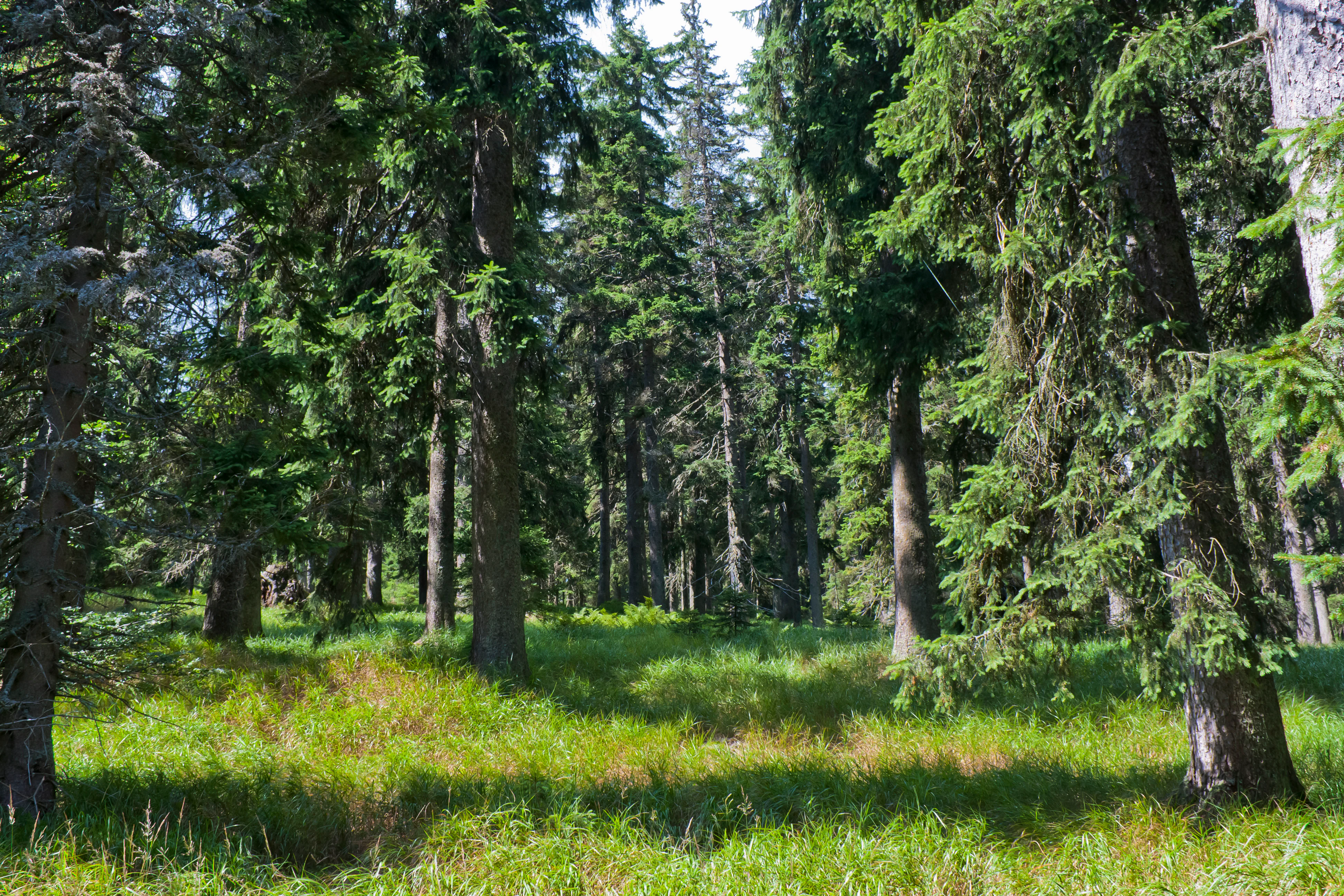
The park protects a representative cross-section of Central European mountain forest ecosystems. At the highest elevations above 1,050 meters, Norway spruce dominates nearly pure stands, while the montane zone between 700 and 1,150 meters features mixed forests of European beech, European silver fir and spruce in roughly equal proportions. Valley forests at 600-800 meters are dominated by spruce with birch, rowan and alder. The park contains rare raised bogs fed only by rainwater, supporting specialized vegetation including sphagnum mosses, heathers, cranberry and cloudberry. Deep ravine forests host diverse deciduous species including sycamore maple, mountain elm, ash, linden and yew. The tree species composition has been heavily influenced by past forestry, with spruce far exceeding its natural proportion while silver fir, the dominant species in natural montane forests, has been nearly eliminated and is now only about 5 percent of the forest but regenerating in gaps.
Bavarian Forest National Park wildlife and species highlights
The park supports populations of rare mammals that have been reintroduced or recolonized naturally. Eurasian lynx were reintroduced in the 1970s and established a population of roughly 70-100 animals before declining due to illegal persecution. Wolves arrived naturally beginning in 2015-2016, with the first wild-born cubs documented in 2017, establishing a transboundary population with Šumava. Other notable mammals include wildcat, Eurasian beaver, otter, and several rare bat species. The park is particularly important for capercaillie, a species whose population declined dramatically after World War II but has recovered to over 600 individuals through intensive conservation efforts including winter feeding stations. Hazel grouse, peregrine falcon, black stork and pygmy owl represent other rare bird species. Over 1,800 beetle species have been documented, including 14 ancient woodland indicator species such as the longhorn beetle Tragosoma depsarium.
Bavarian Forest National Park conservation status and protection priorities
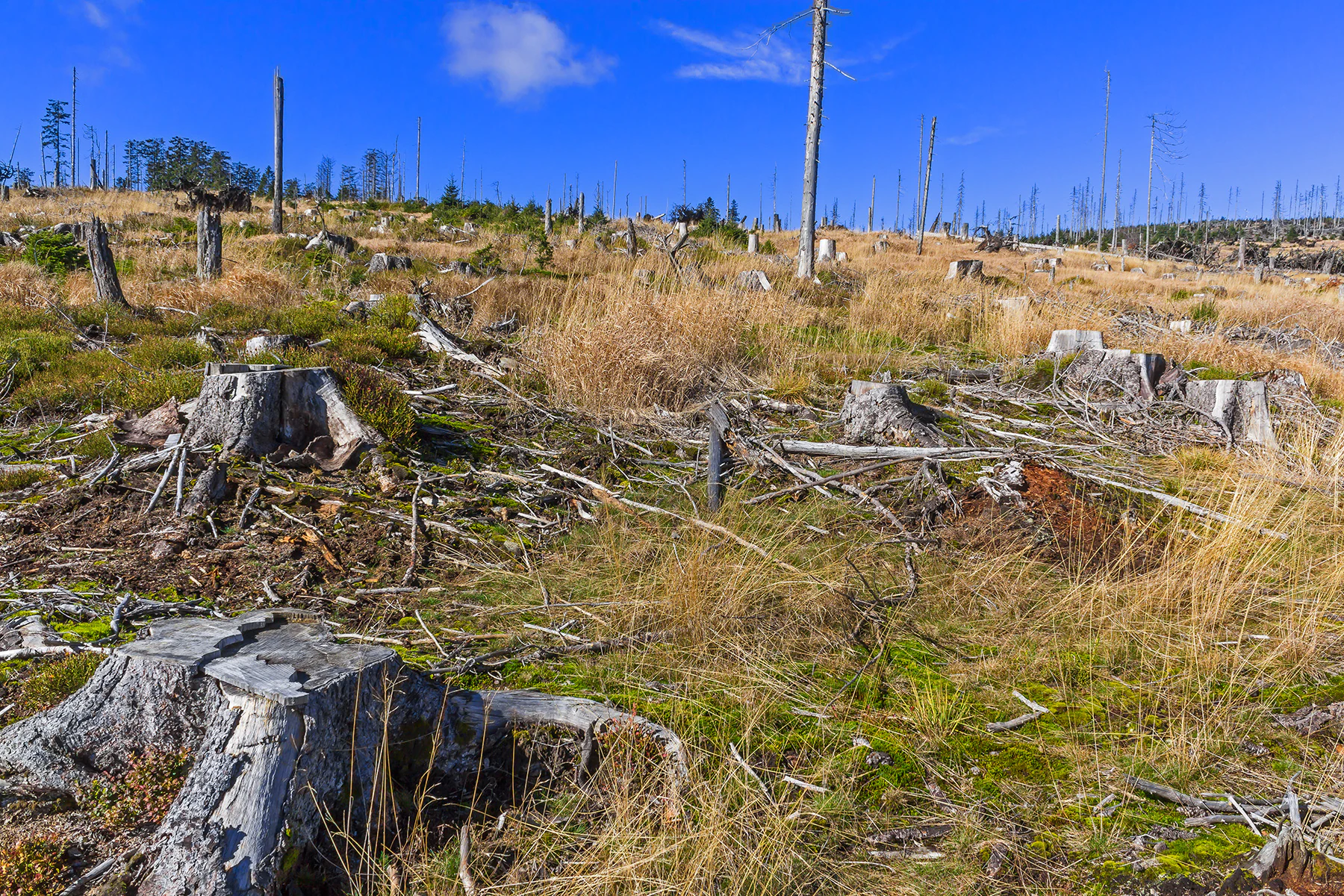
Bavarian Forest National Park exemplifies the non-intervention or process protection approach to conservation that allows natural disturbances like windthrows and bark beetle outbreaks to shape forest development without human interference. This controversial approach generated significant public debate, particularly during the extensive spruce dieback of the 1990s, but has produced large areas of dead wood and natural forest regeneration that support biodiversity. The park achieved IUCN Category II protection in 2024 and has been certified as a Transboundary Peace Park with Šumava since 2009. The zoning system divides the park into nature zone (where no management occurs), management zone (where bark beetle control protects adjacent forests), and recreation zone (concentrating visitor facilities). The park maintains an extensive environmental education program including two national park centers, animal enclosures, youth facilities and numerous interpretative trails.
Bavarian Forest National Park cultural meaning and human context
The Bavarian Forest region, historically known as the Herkynian Forest, was largely uninhabited forest wilderness through medieval times. Settlement began with monastic clearances from the Danube valley, creating forest clearings for villages along trade routes to Bohemia. The glass-making industry from the 13th century established many present-day communities including Riedlhütte and Neuschönau. Local inhabitants, called Waidler, traditionally viewed the forest as a source of livelihood but also as dangerous wilderness to be controlled. The establishment of the national park represented a cultural shift, with traditional perspectives viewing wild forest as threatening contrasting with modern conservation values embracing wilderness. The park's history includes ongoing tensions between local communities dependent on forest resources and conservation philosophy.
Top sights and standout views in Bavarian Forest National Park
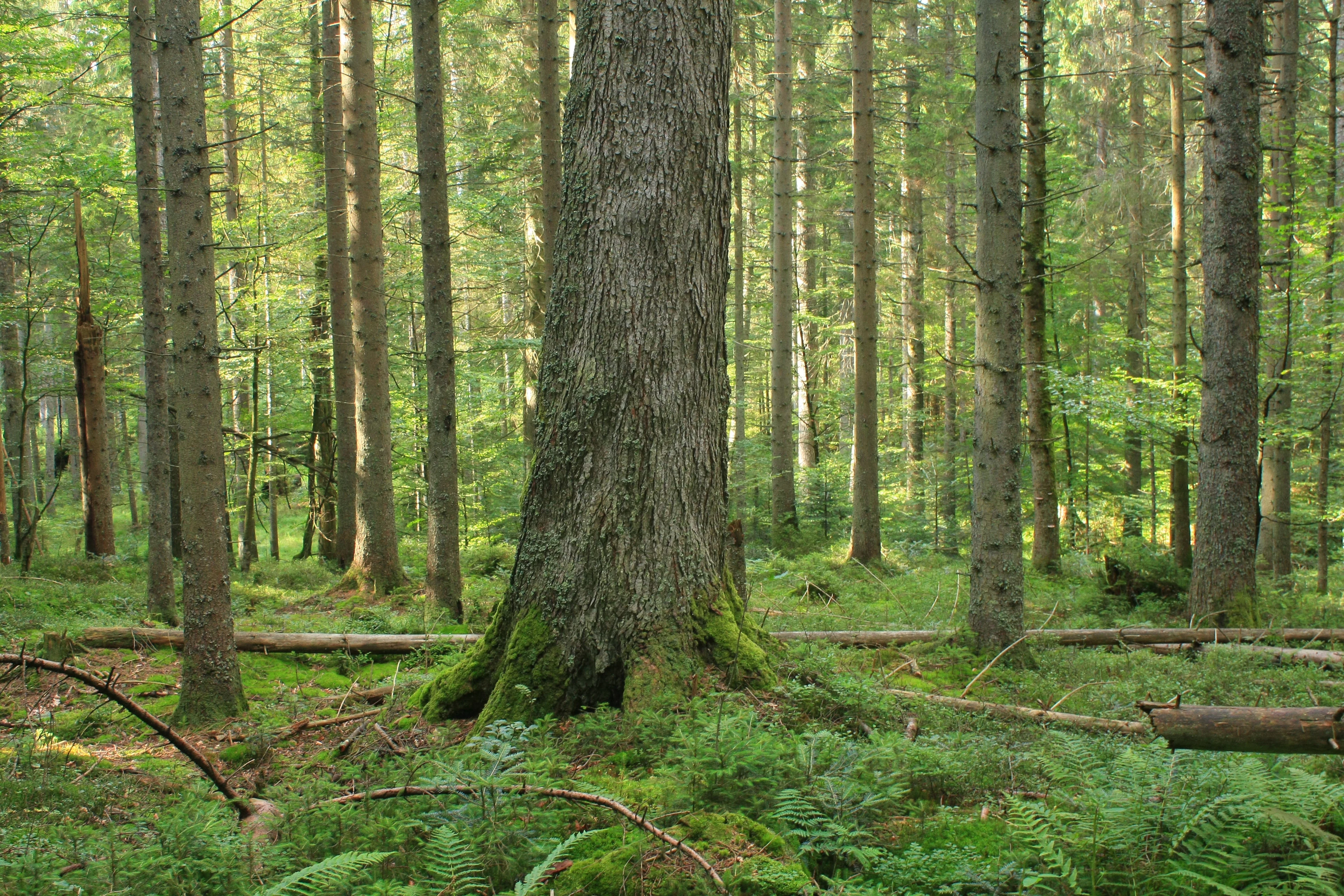
The park offers diverse attractions including the Großer Rachel, the highest peak at 1,453 meters with its glacial lake Rachelsee and ice age interpretive trail. The Lusen mountain features a distinctive silicate block scree field and natural forest regeneration following 1990s bark beetle dieback. The Urwaldgebiet Mittelsteighütte preserves 38 hectares of old-growth forest with massive spruce, fir and beech specimens. The Hans-Watzlik-Hain contains the Waldhaustanne, one of the largest trees in the region with a 6.4-meter trunk circumference and estimated 600-year age. The raised bog areas of Schachten and Filze provide unique wetland habitats, while the Baumwipfelpfad treetop walkway offers elevated forest views. Wildlife viewing opportunities include the animal enclosures at both visitor centers showcasing lynx, wolves, wisent and other species.
Best time to visit Bavarian Forest National Park
The park can be visited year-round, with each season offering distinct experiences. Summer provides the most accessible hiking conditions and full operation of visitor facilities, with July and August seeing the warmest temperatures but also heaviest visitor traffic. Autumn offers colorful forest scenery and fewer crowds, though facilities begin seasonal closures in October. Winter transforms the landscape into a snowy wilderness with excellent cross-country skiing on marked trails, though many higher-elevation trails close and some roads restrict car access. Spring brings fresh vegetation and awakening wildlife, though trail conditions may be muddy and some facilities remain closed. The shoulder seasons of May-June and September-October often provide optimal conditions for hiking with moderate temperatures, lower visitor numbers and full facility access.