
Why Jökulsárgljúfur National Park stands out
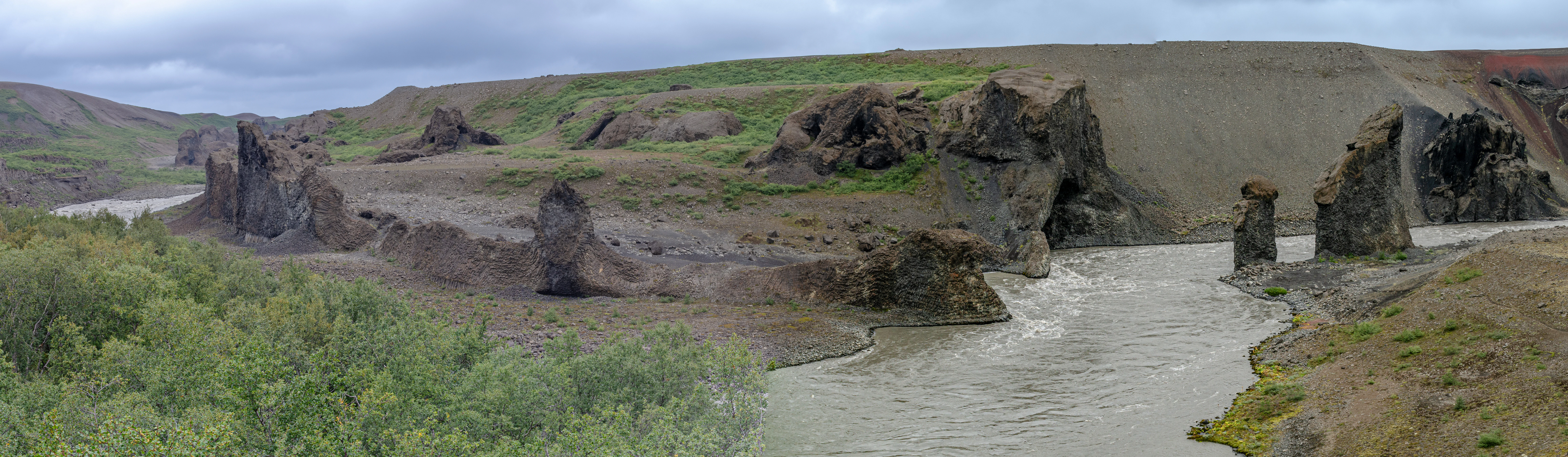
Jökulsárgljúfur was best known for its dramatic volcanic canyon landscape and the raw, untamed character of the Jökulsá á Fjöllum river valley. The park contained notable geological features including Vesturdalur with its distinctive Hljóðaklettar (echo rock) formations and the colorful Rauðhólar hills colored by iron oxidation. The nearby Ásbyrgi canyon, a horseshoe-shaped gorge to the north of the park, represented another striking feature of this volcanic landscape.
Jökulsárgljúfur National Park history and protected-area timeline
Jökulsárgljúfur was established as Iceland's 13th national park, protecting the Jökulsá á Fjöllum canyon system and surrounding volcanic terrain. The park remained an independent protected area until June 7, 2008, when it was incorporated into Vatnajökull National Park as part of a major expansion of Iceland's national park system. This consolidation brought the former Jökulsárgljúfur under the unified management of Vatnajökull National Park, which now covers approximately 14% of Iceland's territory and serves as the country's flagship conservation initiative.
Jökulsárgljúfur National Park landscape and geographic character
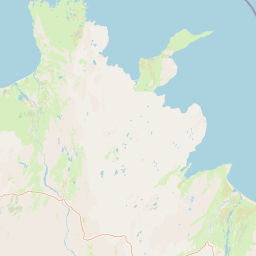
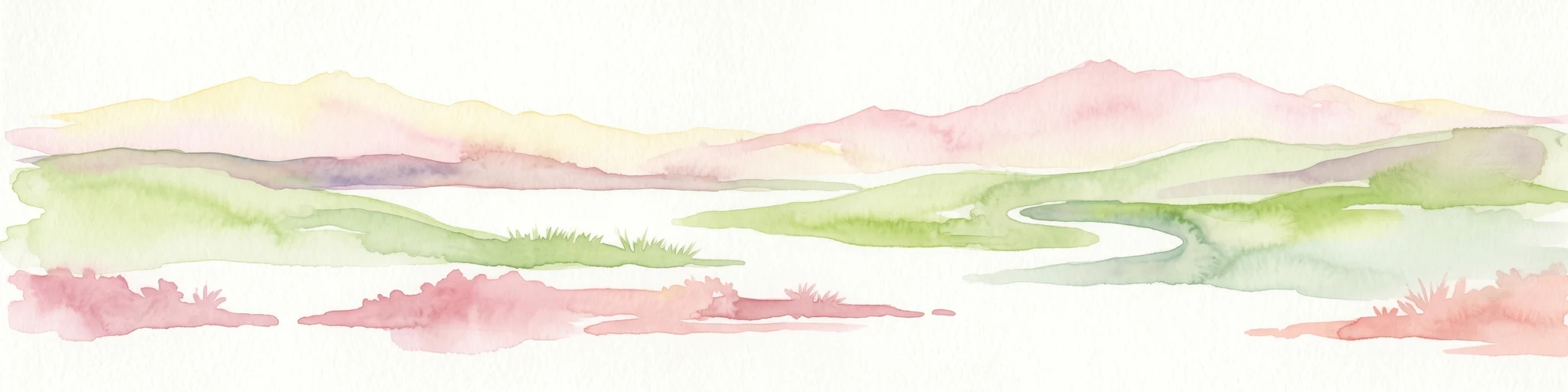
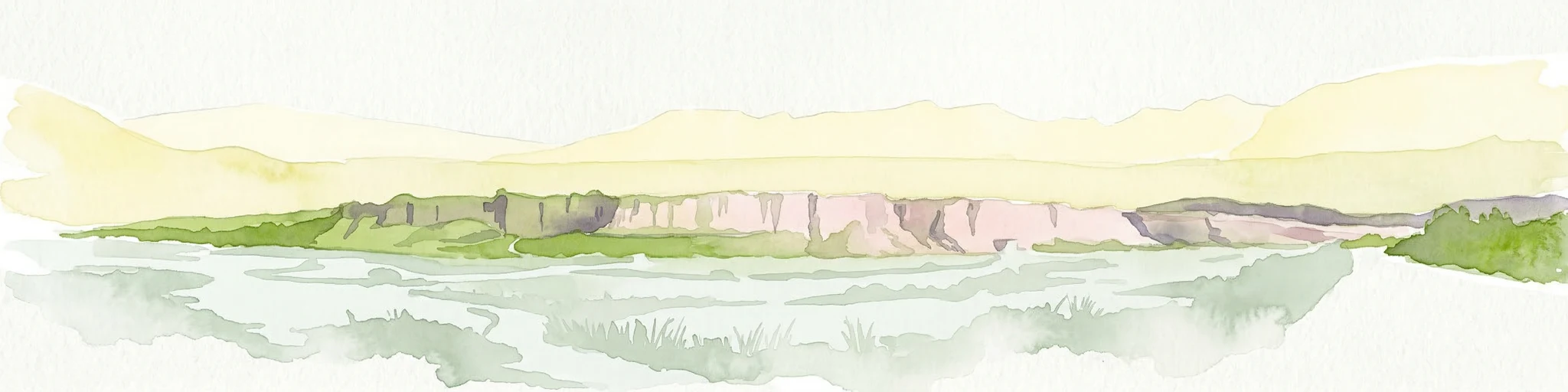
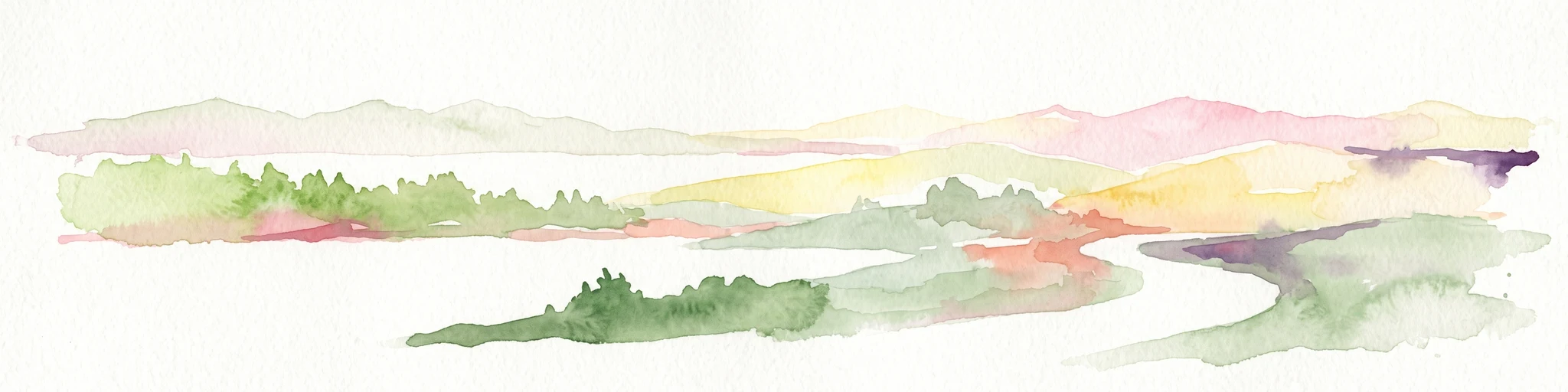
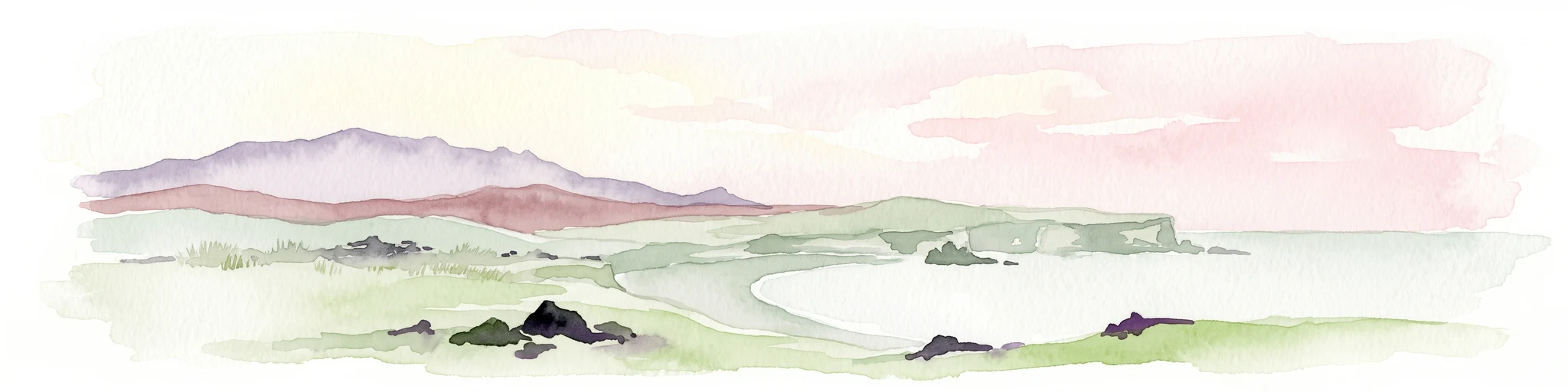
The landscape of Jökulsárgljúfur is defined by the dramatic canyon of Jökulsá á Fjöllum, one of Iceland's most powerful glacial rivers. Volcanic mountains rise along the canyon edges, their slopes composed of basalt flows and volcanic debris. The terrain exhibits the chaotic character left by past volcanic eruptions and glacial outburst floods—the park's name itself evokes the powerful river that carved this landscape. Notable features include the distinctive rock formations of Vesturdalur and the iron-colored hills of Rauðhólar, where iron oxidation has painted the terrain in distinctive red and orange hues. The horseshoe-shaped Ásbyrgi canyon, located to the north of the former park boundary, represents another remarkable geological formation shaped by catastrophic water flows.
Jökulsárgljúfur National Park ecosystems, habitats, and plant life
The natural environment of Jökulsárgljúfur reflects Iceland's subarctic highland ecosystem. The volcanic terrain supports specialized vegetation adapted to the harsh conditions—mosses, lichens, and low-growing shrubs cling to the basalt cliffs and canyon walls. The river corridor provides habitat for fish and supports bird populations along its banks. The dramatic landscape represents a dynamic interface between volcanic geology and glacial hydrology, where ongoing erosion continues to shape the terrain.
Jökulsárgljúfur National Park wildlife and species highlights
Wildlife in the Jökulsárgljúfur area reflects Iceland's subarctic biodiversity. The Jökulsá á Fjöllum river system supports salmon and trout populations, while the surrounding terrain provides habitat for Arctic foxes and various bird species. The cliff formations offer nesting sites for ravens and other birds of prey. The harsh volcanic landscape, while not supporting the rich mammal communities found in lower-elevation areas, maintains its own ecological character through species adapted to Iceland's extreme conditions.
Jökulsárgljúfur National Park conservation status and protection priorities
The incorporation of Jökulsárgljúfur into Vatnajökull National Park in 2008 ensured continued protection for the area's volcanic landscapes and ecological communities. As part of Europe's largest national park, the former Jökulsárgljúfur benefits from comprehensive conservation management that addresses both geological preservation and ecological protection. The park's volcanic features represent important records of Iceland's geological history, while its river systems and associated habitats contribute to broader conservation goals for Iceland's northern ecosystems.
Top sights and standout views in Jökulsárgljúfur National Park
The standout features of Jökulsárgljúfur include the dramatic Jökulsá á Fjöllum canyon carved through volcanic terrain, the distinctive Hljóðaklettar (echo rock) formations in Vesturdalur, and the rust-colored hills of Rauðhólar created by iron oxidation. The park lies immediately north of Dettifoss, Europe's most powerful waterfall, and near the horseshoe-shaped Ásbyrgi canyon. The area preserves a landscape shaped by catastrophic jökulhlaup events approximately 8,000 years ago when volcanic fissures from the Askja system erupted beneath glacial ice.