Why Las Palmas de Cocalán National Park stands out
Las Palmas de Cocalán is best known for its ancient forests of the Chilean palm (Jubaea chilensis), one of the world's southernmost palm species and endemic to Chile. The park contains some of the oldest, tallest, and thickest specimens of this vulnerable palm species, representing a living relic of Chile's unique Mediterranean-climate ecosystems. The combination of extreme longevity in the palm trees, the restricted access due to private land ownership, and the park's status as the only national park in Chile on private property make it uniquely significant in the country's protected area system.
Las Palmas de Cocalán National Park history and protected-area timeline
The history of Las Palmas de Cocalán reflects both the cultural significance of the Chilean palm and the evolution of conservation in Chile. By the nineteenth century, the palms of the Cocalán estate were already objects of regional admiration, and in 1873, several specimens were transplanted to Santiago at the request of Intendant Benjamín Vicuña Mackenna for ornamental purposes, notably planting some on Cerro Santa Lucía. The species was later catalogued as vulnerable due to habitat loss and exploitation, prompting conservation action. The park was initially created in 1971 with the support of local residents who recognized the need to protect the palm population. In 1989, it was officially declared a national park by the Chilean Ministry of National Assets and Ministry of Agriculture, becoming part of a network of protected areas safeguarding the Chilean palm from extinction. Other protected areas in this network include La Campana National Park, which holds the largest palm population in Chile, and Los Palmares de Ocoa, a protected zone serving as a reserve. The unique private-land tenure model means that public access was historically restricted, though guided educational visits began in 2018 through collaboration with the hacienda owners and local guides.
Las Palmas de Cocalán National Park landscape and geographic character
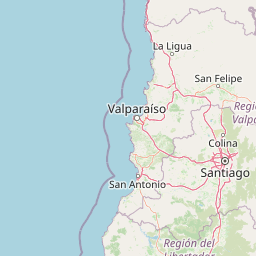
The park is situated in the Cordillera de la Costa, the coastal mountain range of central Chile, within a valley basin environment that supports the palm forest ecosystem. The landscape consists of gently rolling terrain interspersed with the distinctive silhouettes of ancient Chilean palms rising above the understory vegetation. The Chilean Coast Range in this region creates a transitional zone between the higher Andes Mountains to the east and the Pacific coastal plain. The soils and climate of the Cocalán basin support a Mediterranean-type ecosystem with characteristic vegetation adapted to seasonal dry summers and wet winters. The palm forests create a visually distinctive landscape unlike typical temperate forests, with the tall, stout trunks of Jubaea chilensis forming an open canopy that allows light to penetrate to the forest floor.
Las Palmas de Cocalán National Park ecosystems, habitats, and plant life
The park protects one of Chile's most ecologically significant native palm forests, centered on Jubaea chilensis, the Chilean palm, which represents the southernmost extent of the palm family in the world and is endemic to Chile. This species can live for more than a millennium, with individual specimens in the Cocalán basin achieving remarkable dimensions in both height and trunk thickness, making them the largest Chilean palms in the country. The forest exists within a Mediterranean-climate ecosystem characterized by dry summers and autumns, with most precipitation falling during the winter months. The park forms part of a network of three protected areas in Chile that conserve ancient Chilean palm populations, collectively representing a critical stronghold for this endemic species. The vegetation community includes the Chilean palm as the dominant species, with associated native understory plants adapted to the unique microclimate created by the palm canopy.
Las Palmas de Cocalán National Park wildlife and species highlights
While the park is primarily celebrated for its botanical significance as a Chilean palm forest, the protected ecosystem supports various wildlife adapted to the Mediterranean-climate woodlands of central Chile. The ancient palm forest provides habitat and foraging resources for birds and small mammals native to this region. The structural complexity of the old-growth palm forest, with its large trunks and scattered canopy, creates microhabitats supporting biodiversity. The park's location within the broader Cocalán basin and its proximity to agricultural lands creates an interface between protected native habitat and working landscape, with species adapted to both environments. While detailed species inventories are not prominent in available sources, the intact palm forest ecosystem clearly provides ecological functions for regional wildlife populations.
Las Palmas de Cocalán National Park conservation status and protection priorities
Las Palmas de Cocalán represents a unique conservation model in Chile as the first and only national park established on private land, demonstrating how protected area designation can function collaboratively with private land stewardship. The park was established specifically to protect Jubaea chilensis, the Chilean palm, which was classified as a vulnerable species due to historical habitat loss and exploitation for palm honey production and other uses. The protected area forms part of a three-site network protecting ancient Chilean palm forests in Chile, alongside La Campana National Park and the Los Palmares de Ocoa protected zone. Conservation of this species is particularly significant given its extreme longevity and limited distribution, with the Cocalán basin specimens representing some of the most impressive individuals of this endemic palm anywhere in Chile. The restricted access policy, while limiting traditional tourism, serves a conservation function by minimizing disturbance to the sensitive ecosystem.
Las Palmas de Cocalán National Park cultural meaning and human context
The Chilean palm holds significant cultural value in Chile, with historical connections to the country's landscape identity and traditional practices. The Cocalán palms were already noted as remarkable specimens in the nineteenth century, leading to their transplantation to Santiago's Cerro Santa Lucía in 1873, where they remain visible today. The species has traditionally been used to produce palm honey (miel de palma), a sweetener derived from the sap of the palm, a practice that contributed to historical population declines and continues in the surrounding productive lands. The park exists within the Hacienda Las Palmas de Cocalán, an active agricultural property, representing a model where conservation operates alongside ongoing land use rather than displacing it. Since 2018, guided educational tours have created a new layer of cultural engagement, allowing visitors to learn about the palm's natural history and cultural significance through local guides.
Top sights and standout views in Las Palmas de Cocalán National Park
The ancient Chilean palm forests of Las Palmas de Cocalán represent one of the three great palm forest protected areas in Chile, with specimens among the tallest and thickest of this endemic species in the country. The park's unique status as Chile's only national park on private land demonstrates an innovative conservation model balancing private land stewardship with national protection. The extreme longevity of the Chilean palm, with individuals capable of living over 1,000 years, makes this forest a living historical record spanning multiple centuries. The restricted access has preserved the ecosystem from heavy visitation impacts, maintaining a more natural state than typical national parks. The guided educational tours introduced in 2018 provide controlled access for those seeking to experience this remarkable palm forest while ensuring conservation safeguards.
Best time to visit Las Palmas de Cocalán National Park
The park's location in central Chile's Mediterranean climate means that the best conditions for visiting occur during the Chilean spring and early summer months from October through December, when weather is mild and the landscape is vibrant following winter rains. The summer months of January through March can be hot and dry, while the winter brings rainfall that may affect access on the private lands. Since visits are conducted through pre-arranged guided tours via the Hacienda Las Palmas de Cocalán, visitors must coordinate their trip in advance rather than arriving independently. The controlled visitation model ensures that access is managed according to conservation priorities and available capacity, making advance planning essential regardless of season.