
Why Pollino National Park stands out
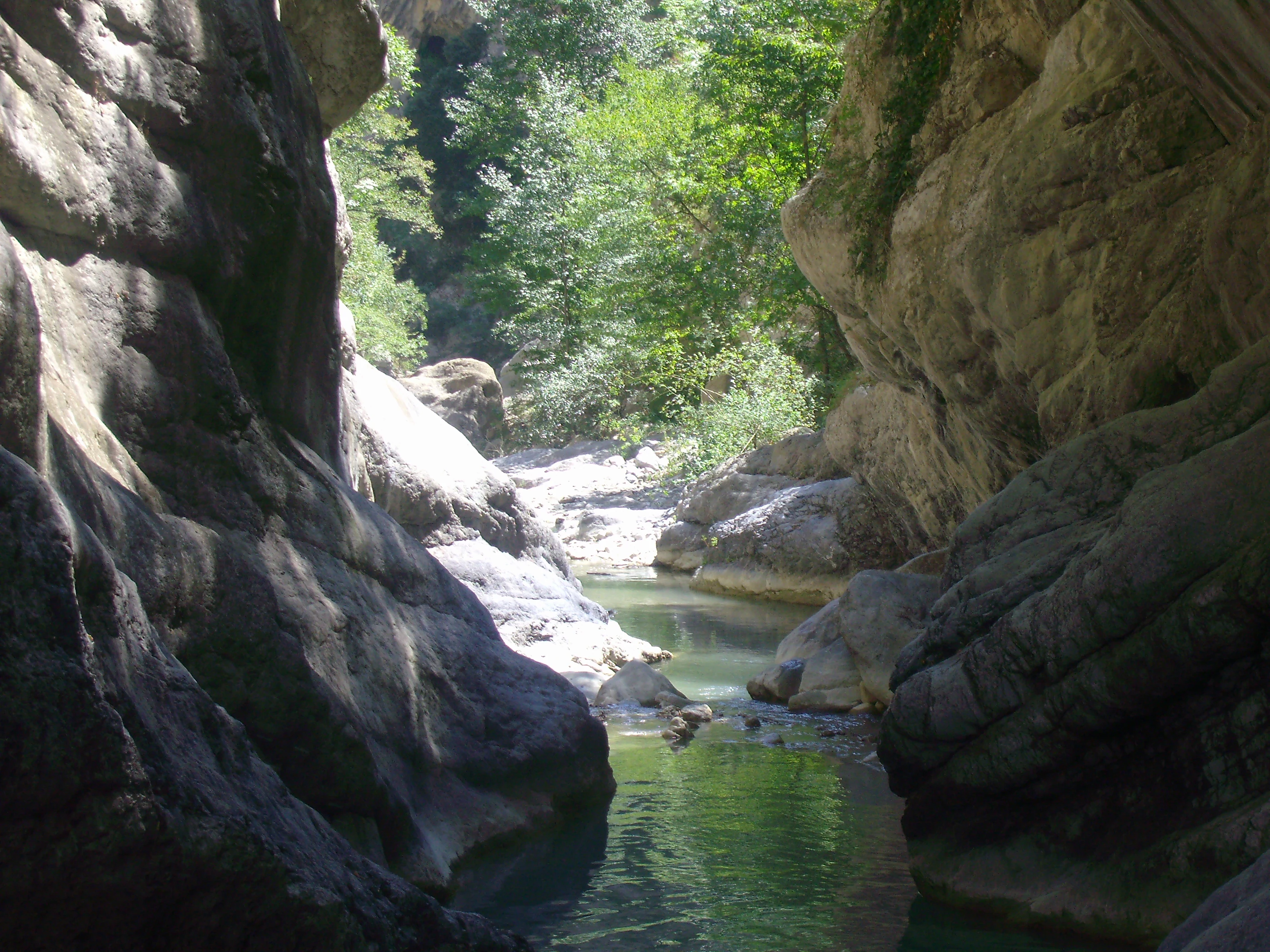
Pollino National Park is best known for its exceptional ancient forests of Bosnian pine, particularly the famous Heldreich's pine specimens that dominate the high-altitude landscape. The park contains the oldest tree in Europe, a 1,230-year-old Bosnian pine named Italus, standing in the ancient beech forest of Cozzo Ferriero, which has been recognized by UNESCO as the southernmost old-growth beech forest in Europe. The park's UNESCO Global Geopark status highlights its extraordinary geological heritage, including glacial cirques, morainic deposits from the Würm glaciation, fossil-rich limestone formations, and dramatic gorges such as the Gole del Raganello. The park is also renowned for its populations of golden eagle, Italian wolf, and the rare Calabrian black squirrel, as well as its Albanian-speaking communities that preserve unique cultural traditions dating to the 15th century.
Pollino National Park history and protected-area timeline
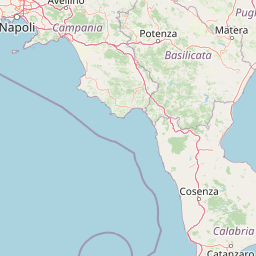
The establishment of Pollino National Park represents the culmination of decades of efforts to protect southern Italy's most significant mountain landscape. Initial protection measures were enacted through legislation in 1988, with provisional boundaries defined in 1990 and formal designation following in 1993. The park's administrative structure was put in place between 1993 and 1994, when the presidency, administrative council, and technical direction were established, with the management headquarters located in Rotonda. The park's territory encompasses 56 municipalities distributed across Basilicata and Calabria, along with nine mountain communities and four oriented natural reserves. Throughout its history, the park has expanded its conservation mandate to include not only wildlife and habitat protection but also geological preservation, culminating in the UNESCO Global Geopark designation in November 2015. This international recognition came through the UNESCO Global Geoparks Network, which now includes Pollino among its members, acknowledging the outstanding geological values of the mountain massif and surrounding territories.
Pollino National Park landscape and geographic character
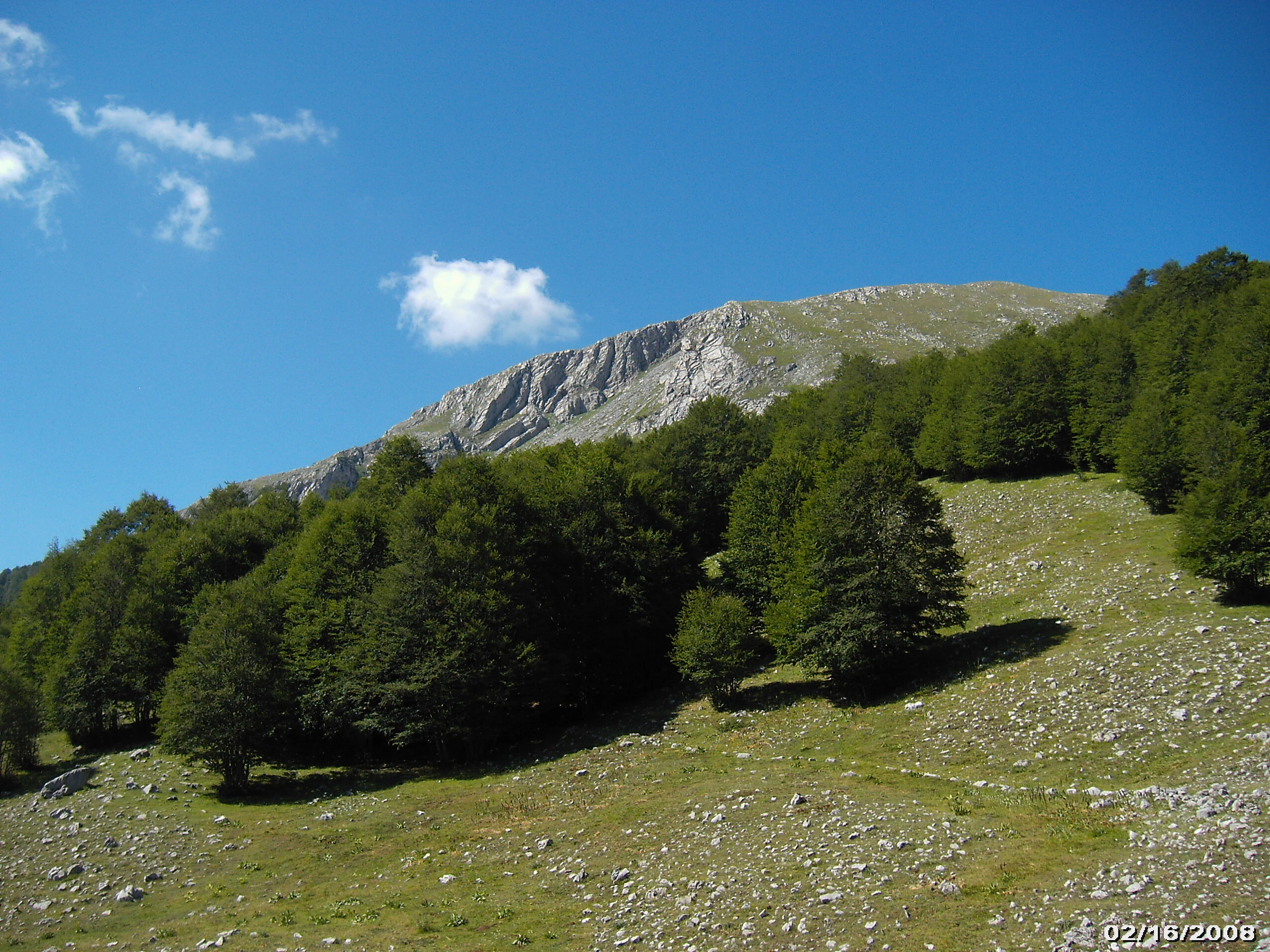
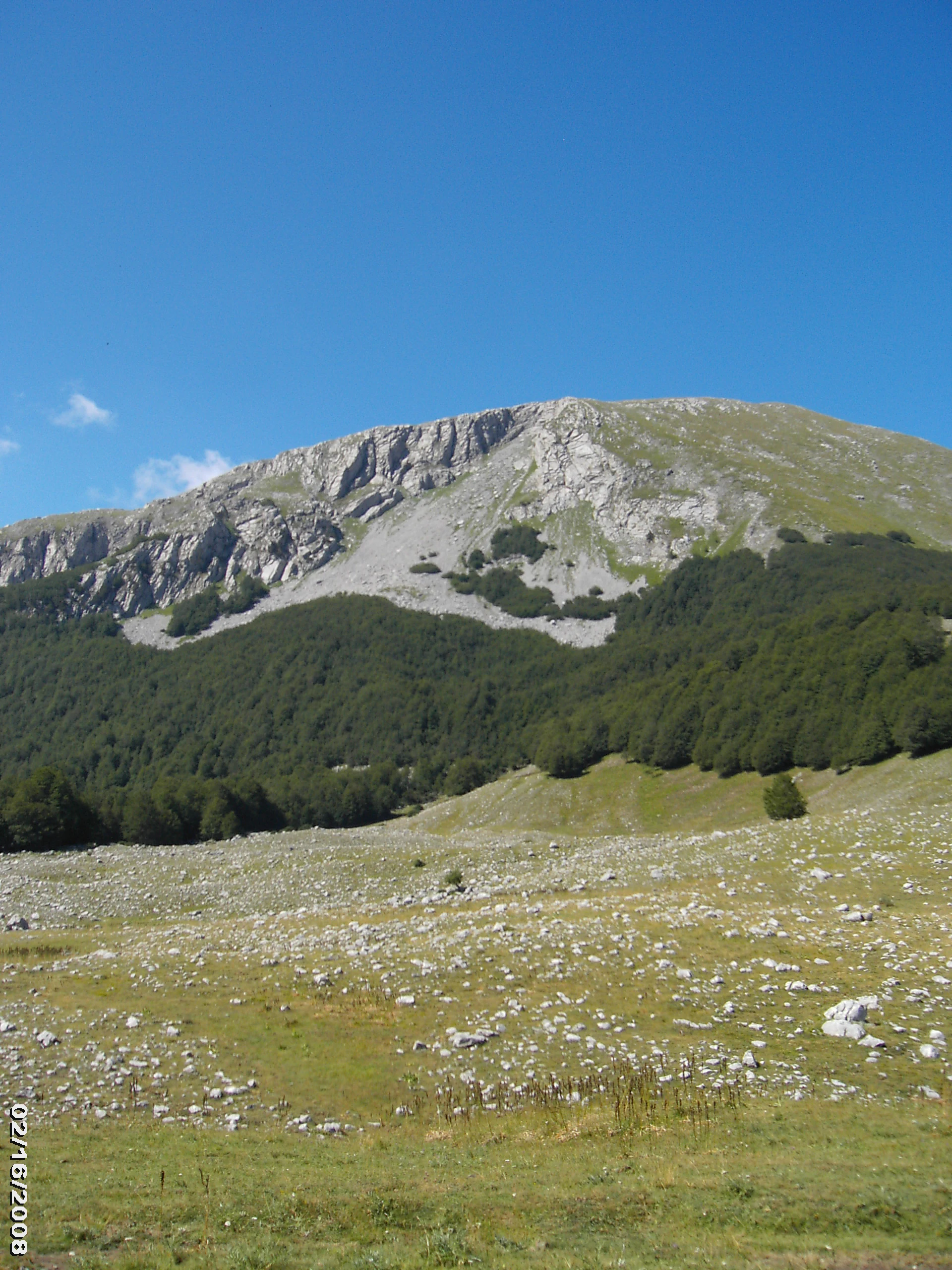
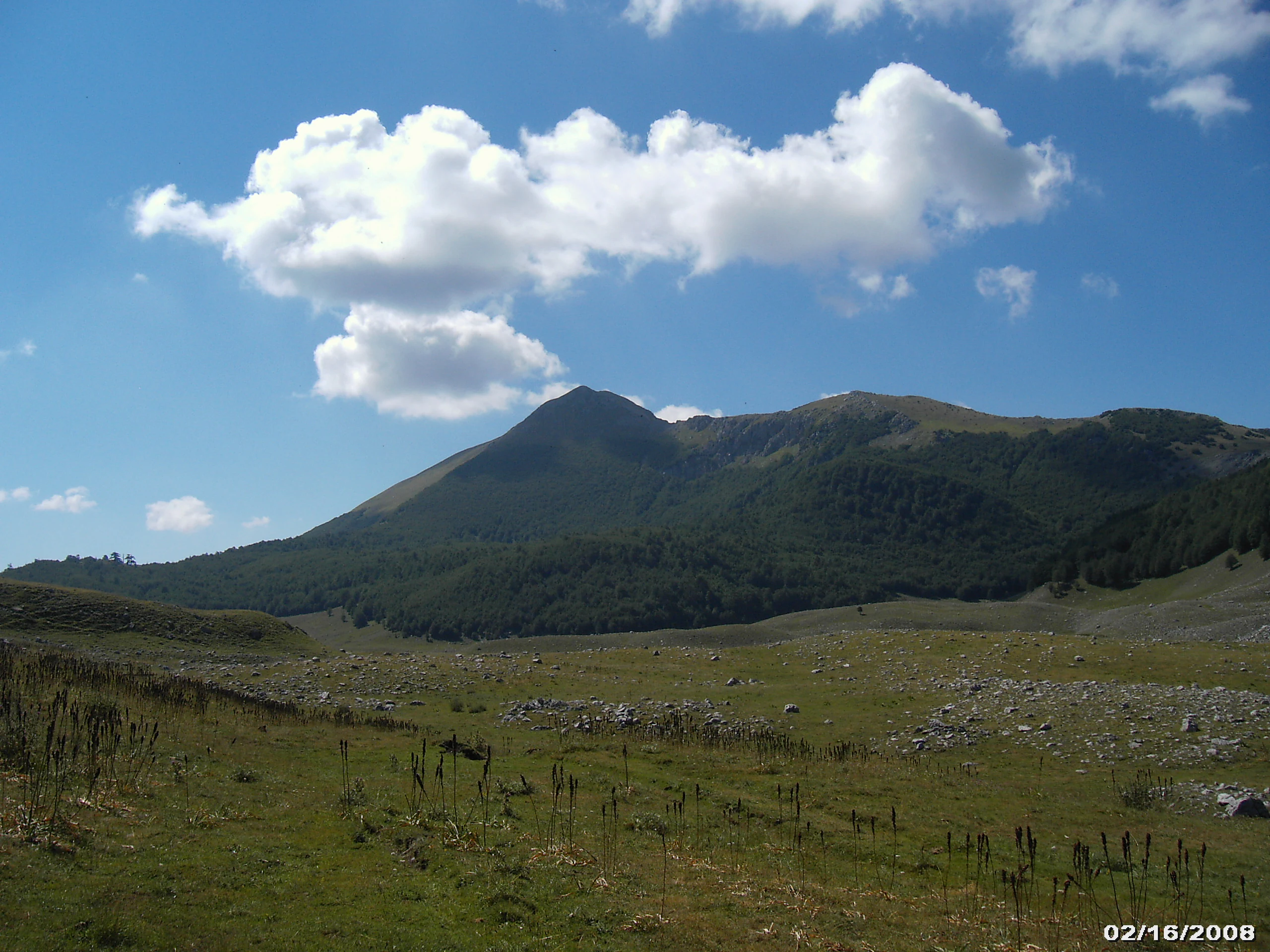
The landscape of Pollino National Park is defined by its dramatic mountain terrain, where limestone peaks rise abruptly from surrounding hills and valleys, creating one of the most spectacular mountain settings in southern Italy. The park's highest summits, including Serra Dolcedorme at 2,267 meters, Monte Pollino at 2,248 meters, and Serra del Prete at 2,181 meters, form a rugged alpine environment that stands in stark contrast to the lower-lying terrain of the surrounding peninsula. These peaks bear the clear marks of ancient glaciation, with glacial cirques, morainic deposits, and characteristic U-shaped valleys providing evidence of the ice ages that shaped this landscape. Below the alpine zone, extensive beech forests cover the mountain slopes, while the valleys are carved by rivers including the Sinni, Lao, Coscile, and Raganello, the latter cutting through spectacular limestone gorges. The park also contains significant karst features, including sinkholes, caves, and the Abisso del Bifurto, one of the world's deepest caves descending 683 meters. The landscape varies dramatically with elevation, from rocky peaks through forest-covered slopes to the more cultivated valleys where traditional agricultural practices continue.
Pollino National Park ecosystems, habitats, and plant life
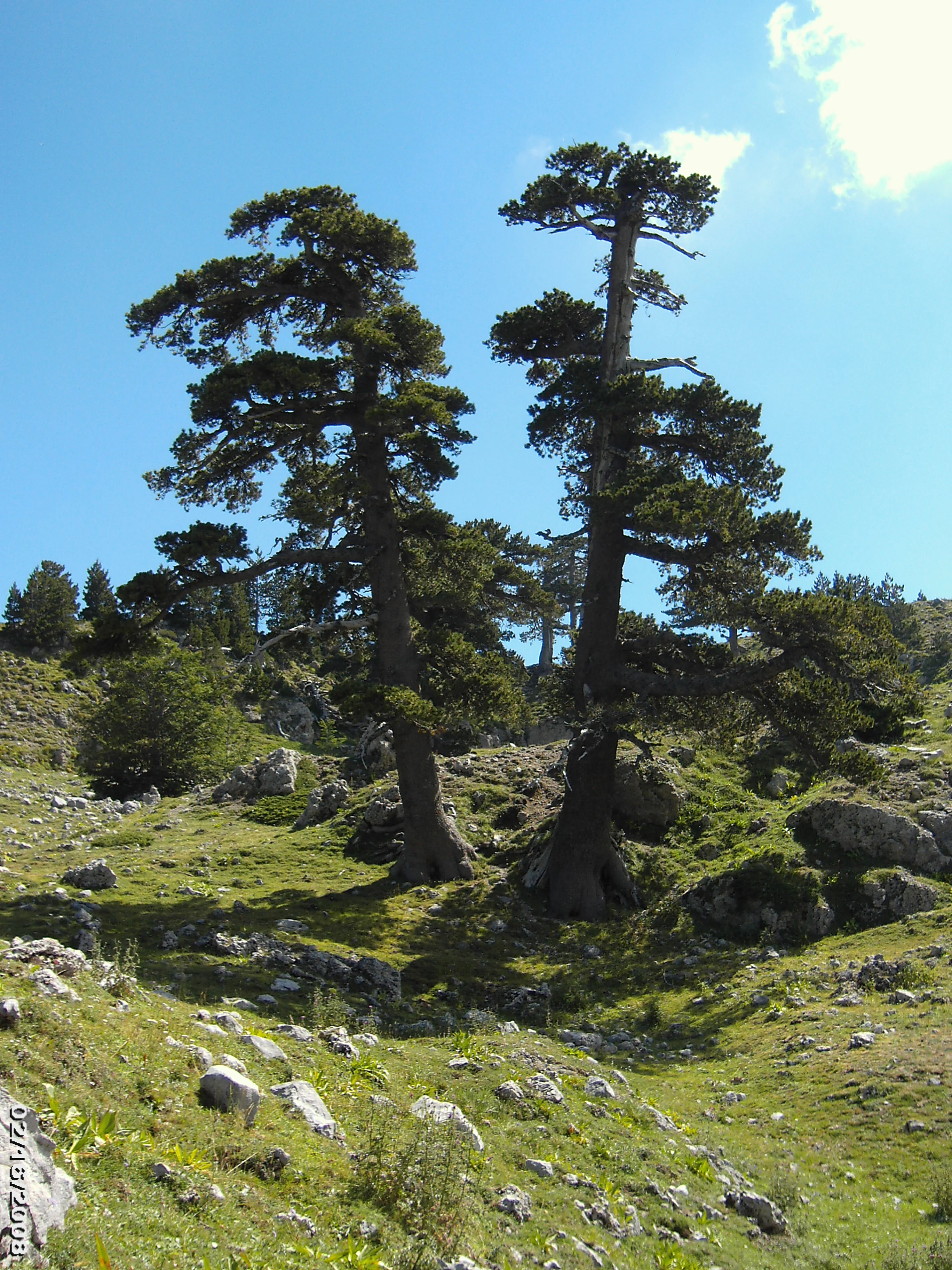
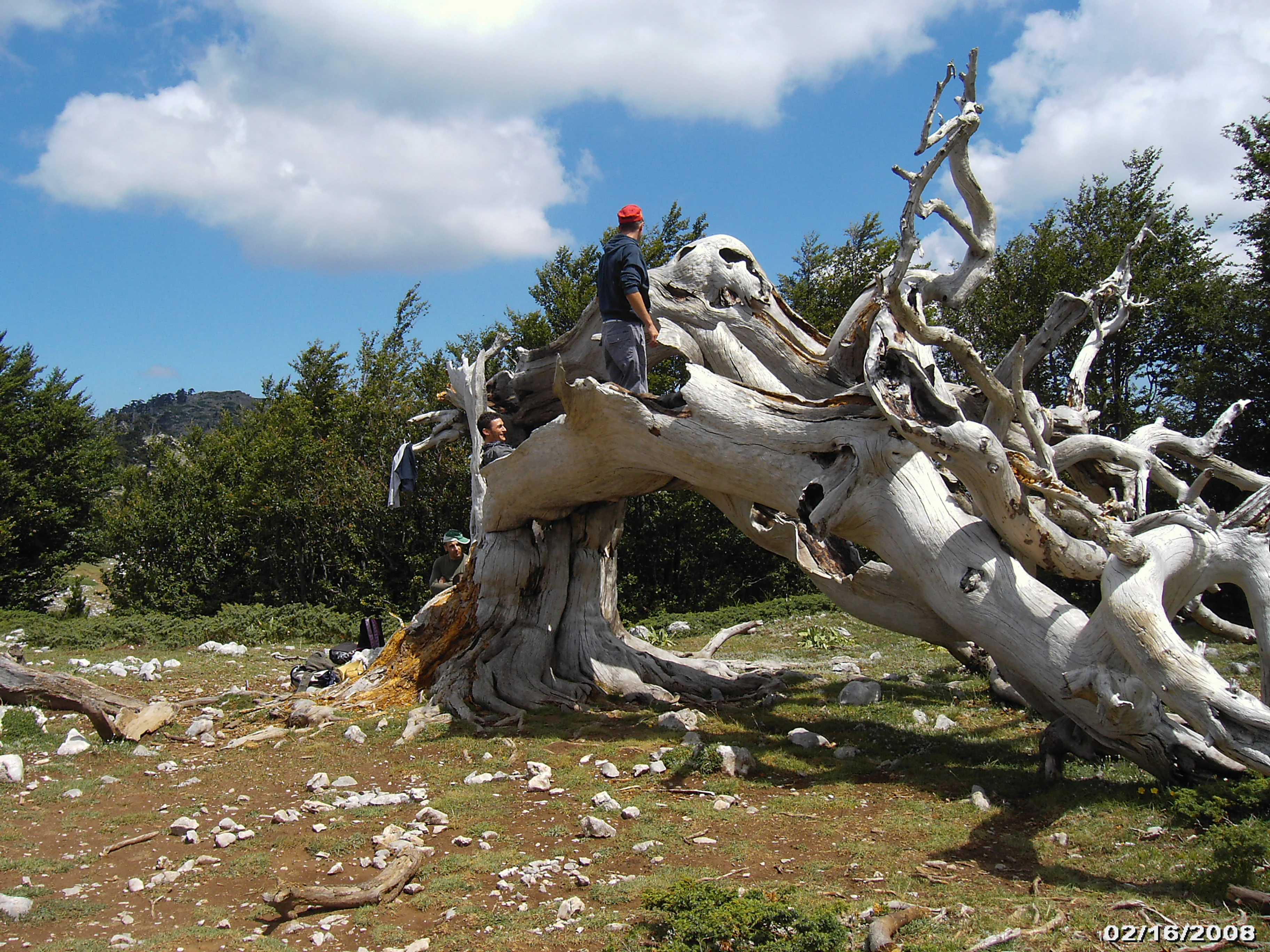
The ecological character of Pollino National Park is defined by its position at the junction of different climatic and biogeographic zones, creating a mosaic of habitats supporting extraordinary biodiversity. The park's forests are dominated by common beech, which forms extensive stands across the mountain slopes, including the remarkable old-growth beech forest at Cozzo Ferriero, recognized by UNESCO as the southernmost ancient beech forest in Europe. At higher elevations, the rare Bosnian pine, locally known as pino loricato, dominates the landscape, forming distinctive open woodlands on rocky terrain where few other trees can survive. This species, the park's official symbol, represents one of the most important populations in the Mediterranean region. The park's flora includes seven different maple species, silver fir, black pine, yew, and numerous oaks and chestnuts, while the understory supports a rich community of medicinal and aromatic plants, including many species of mint, thyme, sage, lavender, and hyssop. Spring brings spectacular displays of orchids, violets, and gentians, while summer features the rare red lily and abundant wild berries along the forest trails.
Pollino National Park wildlife and species highlights
Pollino National Park supports a remarkable diversity of wildlife, including several species that have become rare or extinct in other parts of Italy and Europe. The park's mammalian fauna includes the endangered Italian wolf, which roams the forests and mountain slopes in search of prey, alongside wild boar, roe deer, red deer (reintroduced in the early 2000s), and the distinctive Calabrian black squirrel, a endemic subspecies found only in this region. The European otter inhabits the park's rivers and streams, while the forest dormouse and southern black squirrel occupy the woodland canopy. The park's avifauna is particularly impressive, with golden eagle nesting on the cliff faces, Egyptian vulture and griffon vulture (reintroduced in 2002) soaring on the thermal currents, and a range of raptor species including peregrine falcon, lanner falcon, red kite, and short-toed eagle. The forest supports the rare black woodpecker, while the high peaks are home to the red-billed chough and rock partridge. Reptiles include the endemic Italian wall lizard and both collared snake and asp viper, while amphibians such as the yellow-bellied toad and fire salamander occupy the park's wetlands and streams.
Pollino National Park conservation status and protection priorities
Pollino National Park holds exceptional conservation significance at both national and European levels, representing the largest protected area in Italy and one of the most important mountain conservation landscapes in the Mediterranean. The park's designation as a UNESCO Global Geopark in 2015 reflects the international recognition of its outstanding geological heritage, which includes 69 documented geosites representing a complete record of the region's geological history. The ancient beech forest at Cozzo Ferriero received UNESCO recognition as a World Heritage Site as part of the serial transnational inscription of primeval beech forests of the Carpathians and other regions of Europe, making it the southernmost old-growth beech forest on the continent. The park's populations of Italian wolf and golden eagle represent key conservation priorities for these species, which have suffered significant range contraction across Italy and Europe. The rare Bosnian pine forests are of particular conservation importance, as they represent isolated populations of a species with limited distribution in the Balkans and Greece. The network of four oriented natural reserves within the park provides additional protection for critical habitats, including the river valleys of the Lao, Raganello, Argentino, and Rubbio streams.
Pollino National Park cultural meaning and human context
The cultural heritage of Pollino National Park is as rich as its natural values, with the park's territory preserving evidence of human presence spanning thousands of years. The Valle del Mercure has yielded paleontological findings including remains of Elephas antiquus and Hippopotamus major, demonstrating the presence of prehistoric megafauna in this region. Within the park's boundaries lie numerous medieval towns and villages whose architecture reflects centuries of settlement, including Morano Calabro, famous for its Convent of Colloreto, and Castrovillari, a historic center controlling the strategic pass between Calabria and Basilicata. The park is notable for its Albanian-speaking communities, known as Arbëreshë, which settled in this region between 1470 and 1540 following the Ottoman expansion into the Balkans. Communities such as San Paolo Albanese, San Costantino Albanese, San Basile, Lungro, Plataci, Frascineto, and Civita preserve distinctive linguistic, cultural, and religious traditions that represent an important element of the park's cultural landscape. Religious sites include the Sanctuary of Madonna delle Armi in Cerchiara, the Sanctuary-Basilica of Madonna del Pettoruto in San Sosti, and the Sanctuary of Madonna del Pollino at 1,537 meters altitude in San Severino Lucano, a site of deep local pilgrimage tradition.
Top sights and standout views in Pollino National Park
The most compelling highlights of Pollino National Park include the ancient Bosnian pine forests, where the 1,230-year-old Italus tree stands as Europe's oldest living tree and a powerful symbol of the park's conservation values. The UNESCO-recognized old-growth beech forest at Cozzo Ferriero represents a unique ecological treasure, being the southernmost ancient beech forest in Europe. The dramatic mountain peaks of the Pollino massif offer spectacular hiking opportunities and panoramic views spanning both the Tyrrhenian and Ionian seas. The park's gorges, particularly the Gole del Raganello, provide thrilling opportunities for torrentism and caving, while the deep cave of Abisso del Bifurto has attracted international scientific attention and served as a filming location for the award-winning documentary Il buco. The presence of Italian wolf, golden eagle, and the endemic Calabrian black squirrel makes the park a destination of choice for wildlife enthusiasts, while the cultural heritage of Albanian-speaking communities offers a unique dimension to the visitor experience.
Best time to visit Pollino National Park
The best time to visit Pollino National Park depends on the experiences sought, with each season offering distinct advantages for exploration. Summer, from June through September, brings warm temperatures ideal for hiking and outdoor activities, with wildflowers carpeting the meadows and the high peaks accessible for day trips. Autumn, particularly October and November, offers spectacular fall colors in the beech forests and is often considered the most beautiful season for photography and scenic drives. Spring, from April through May, brings blooming flora including orchids and other wildflowers, though higher elevations may still have snow patches. Winter transforms the park into a snowy mountain landscape, with cross-country skiing possible at higher elevations, though many trails become inaccessible and some facilities close for the season. The shoulder seasons of spring and autumn generally offer the best combination of accessible trails, comfortable temperatures, and fewer visitors, making them ideal for those seeking a more tranquil experience of the park's natural wonders.