A protected Castilian landscape of ancient juniper forests, limestone gorges, and raptor-rich cliffs.
Sabinares del Arlanza-La Yecla
Sabinares del Arlanza-La Yecla is a natural park in the south of Burgos province, in the autonomous community of Castile and León in north-central Spain. It covers a large area south of the Sierra de la Demanda, stretching across the transition between the Arlanza and Demanda comarcas, and lies very close to the Cañón del Río Lobos Natural Park. The park was formally declared as a natural park on 14 December 2020 under regional Law 4/2020.
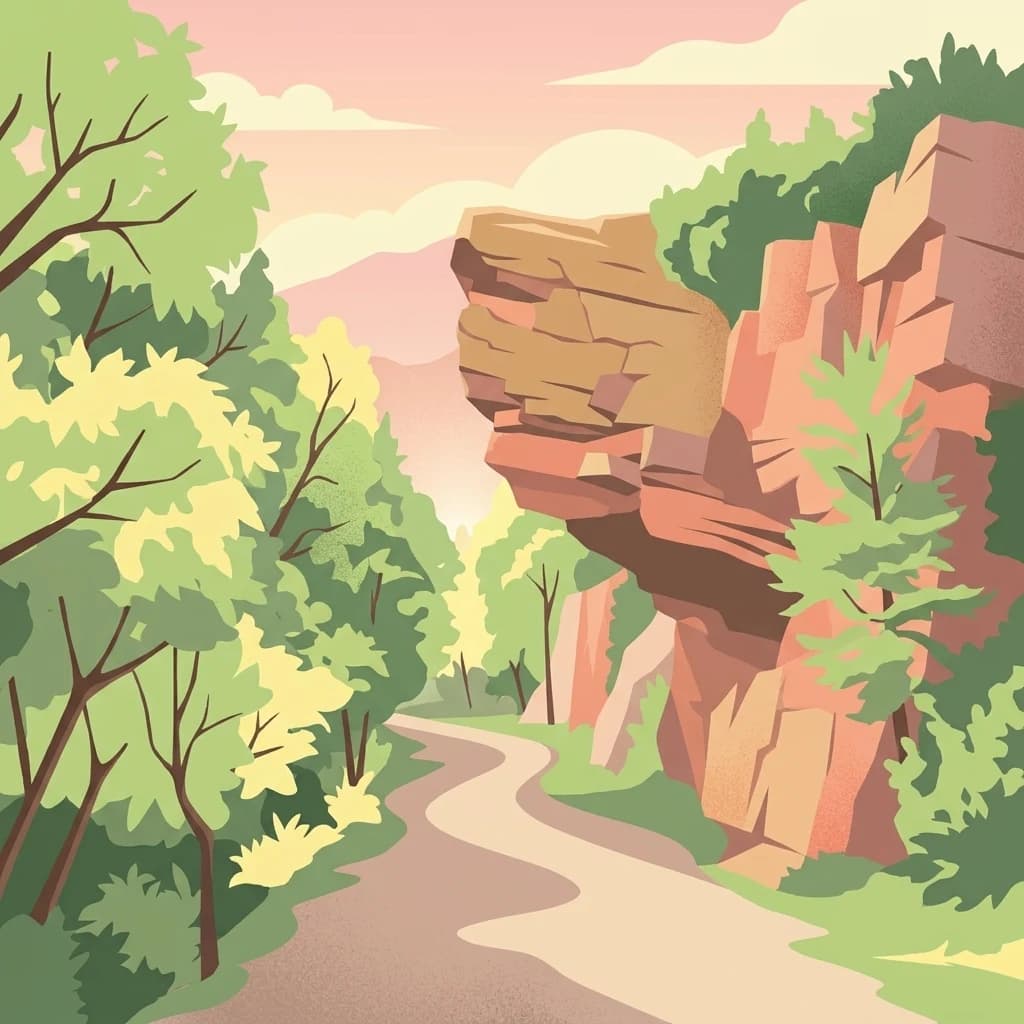
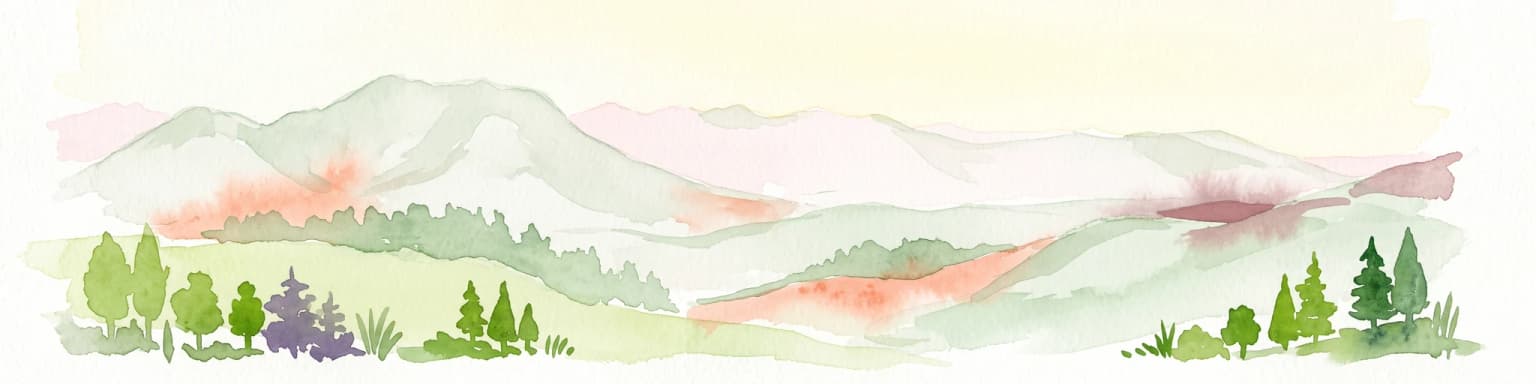
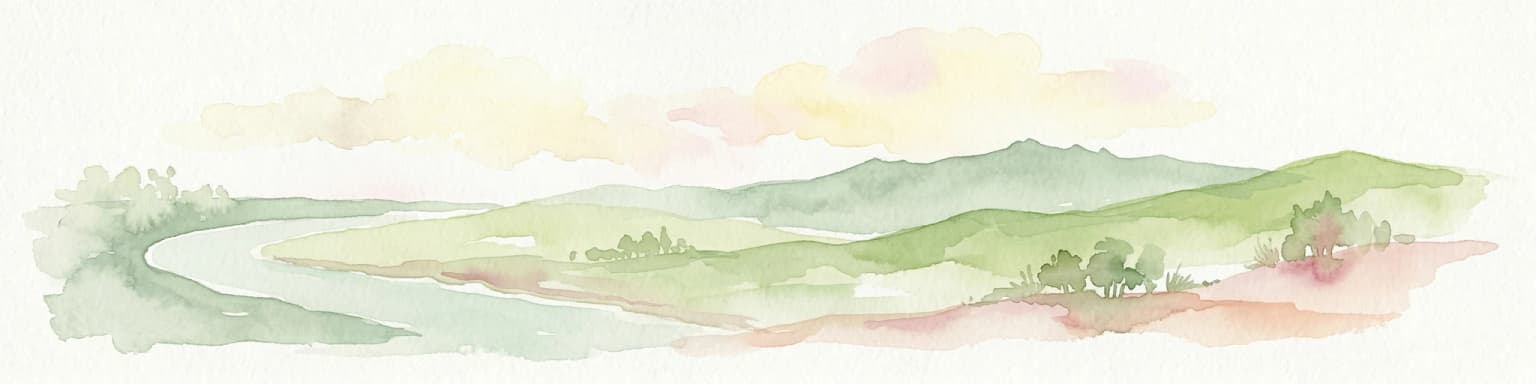
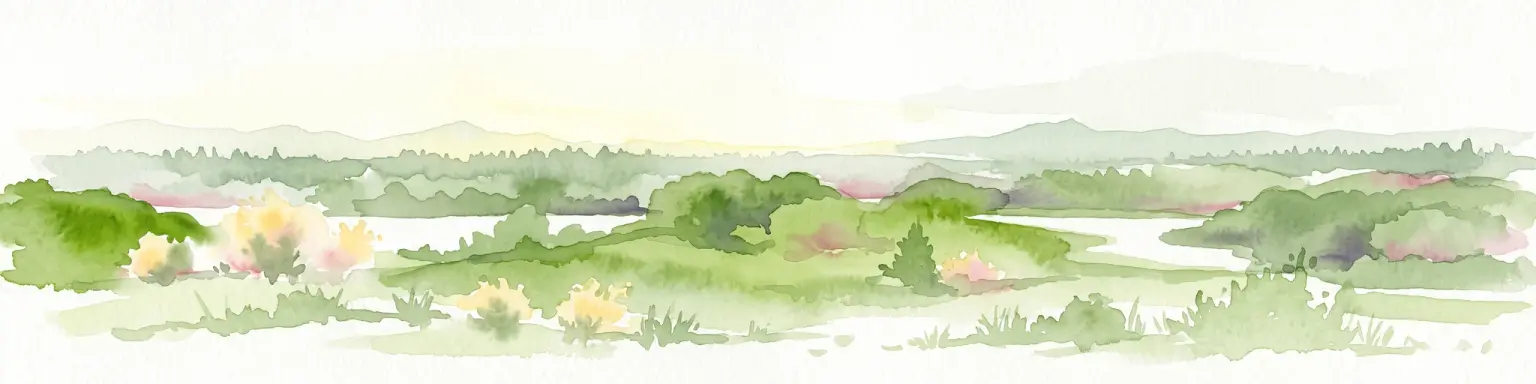
The protected landscape is defined by alternating limestone plateaus, deep folds, and narrow gorges cut into the calcareous bedrock. It is one of the most important areas in Europe for Spanish juniper (Juniperus thurifera), locally known as sabina, with some specimens estimated to be more than two thousand years old. Oak, Scots pine, rebollo (Quercus pyrenaica), and quejigo woodlands, together with riverside vegetation along the Arlanza River, give the park a rich Mediterranean and supramediterranean forest character.
The rocky cliffs and ravines of the park host a notable community of cliff-nesting raptors, including griffon vulture, Egyptian vulture, golden eagle, peregrine falcon, and eagle-owl. The territory overlaps substantially with a Special Protection Area for Birds (ZEPA) classified in 2000, reflecting both its ecological value and its importance for bird conservation in Spain and across the wider region.