
Why Algeti National Park stands out
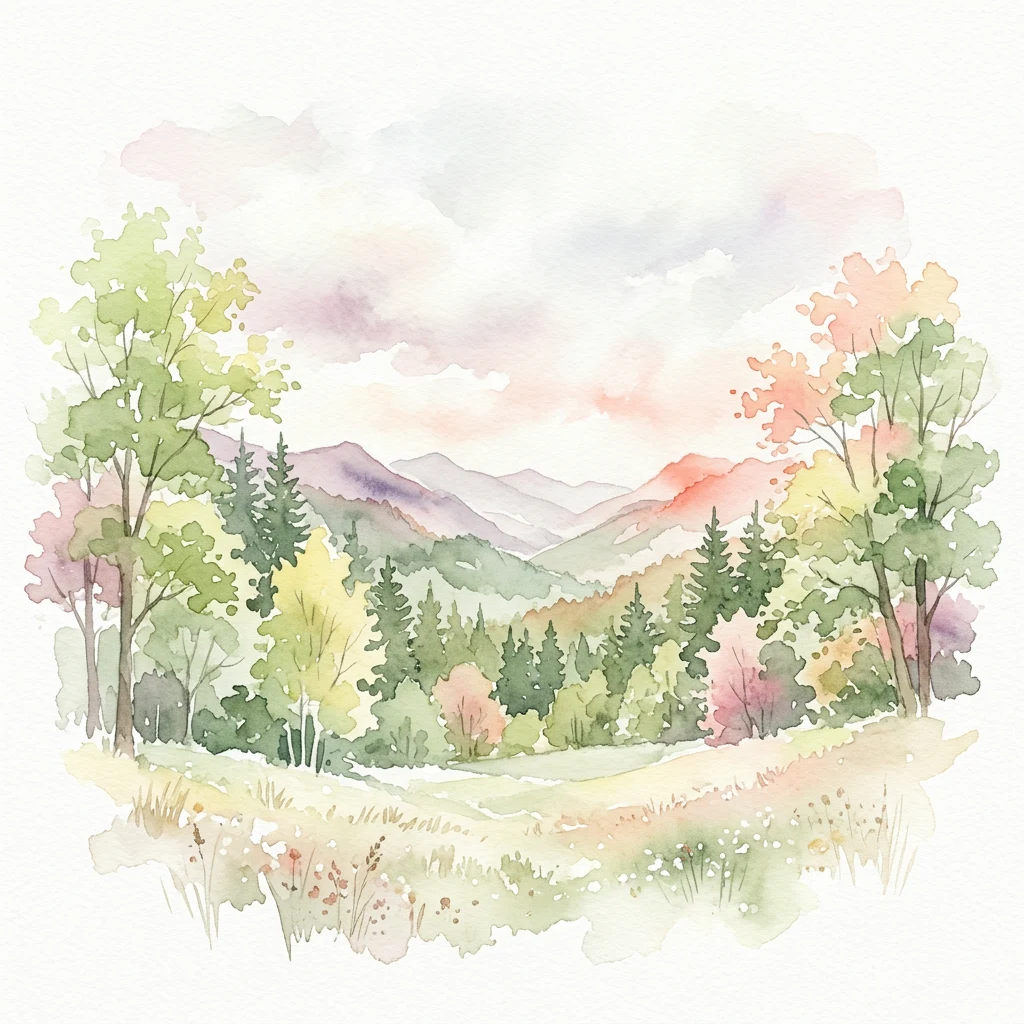
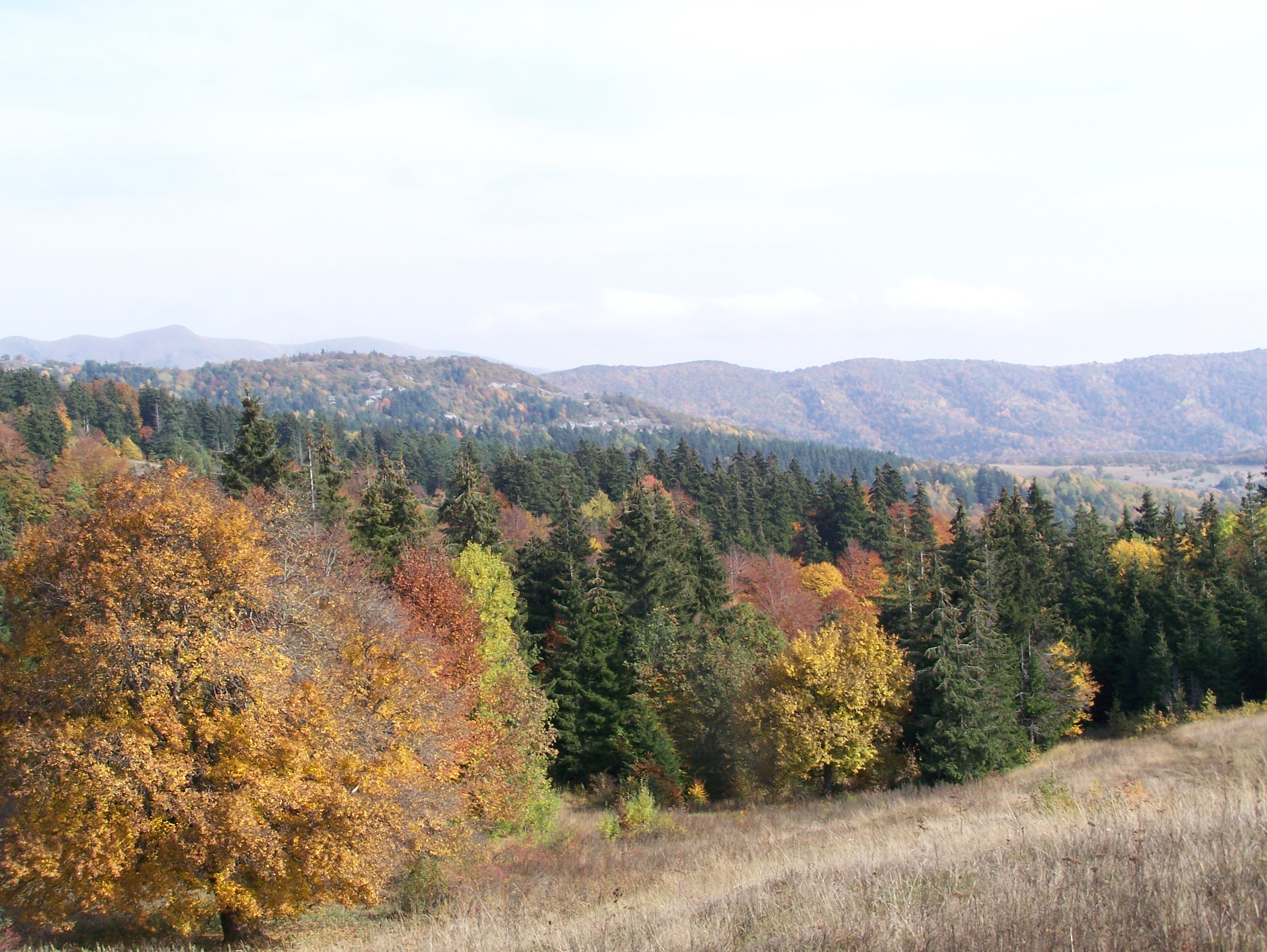
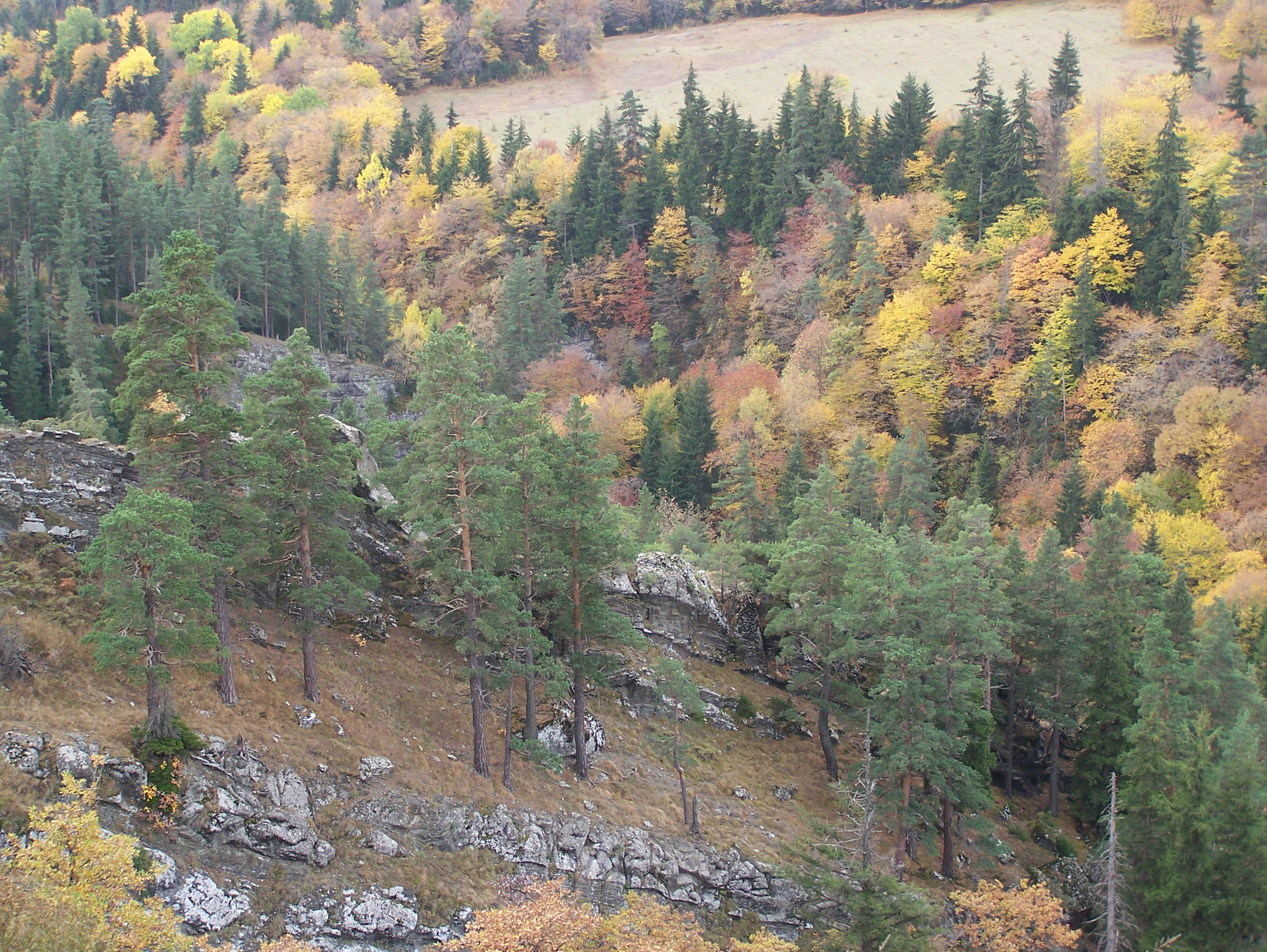
Algeti National Park is best known for its extensive old-growth forests of Caucasian Spruce and Nordmann Fir, which represent the easternmost extent of these species in the Caucasus. The park protects one of the most significant coniferous forest ecosystems in Georgia, with diverse forest types including spruce, oak, beech, pine, and hornbeam communities. The dramatic mountainous terrain of the Trialeti Range, with its deep ravines, clear rivers, and forested slopes, creates a distinctive landscape that supports remarkable biodiversity including brown bears, wolves, roe deer, and over 80 bird species.
Algeti National Park history and protected-area timeline
Algeti National Park traces its institutional history to 1965, when it was established as a state reserve during the Soviet era in Georgia. The original purpose of the reserve was the protection of the easternmost limits of Caucasian Spruce and Nordmann Fir forests, species of significant ecological and scientific interest in the Caucasus region. For over four decades, the area functioned as a state reserve under Soviet and then post-Soviet Georgian administration, maintaining its core conservation mission despite broader political and administrative transitions. In 2007, the reserve was reorganized and elevated to national park status as part of Georgia's comprehensive reform of its protected areas system. This transformation brought increased management resources, clearer public access provisions, and integration into the country's national parks network administered by the Agency of Protected Areas. The 2007 reorganization reflected Georgia's commitment to international conservation standards and sustainable nature tourism development.
Algeti National Park landscape and geographic character
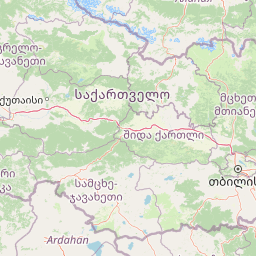
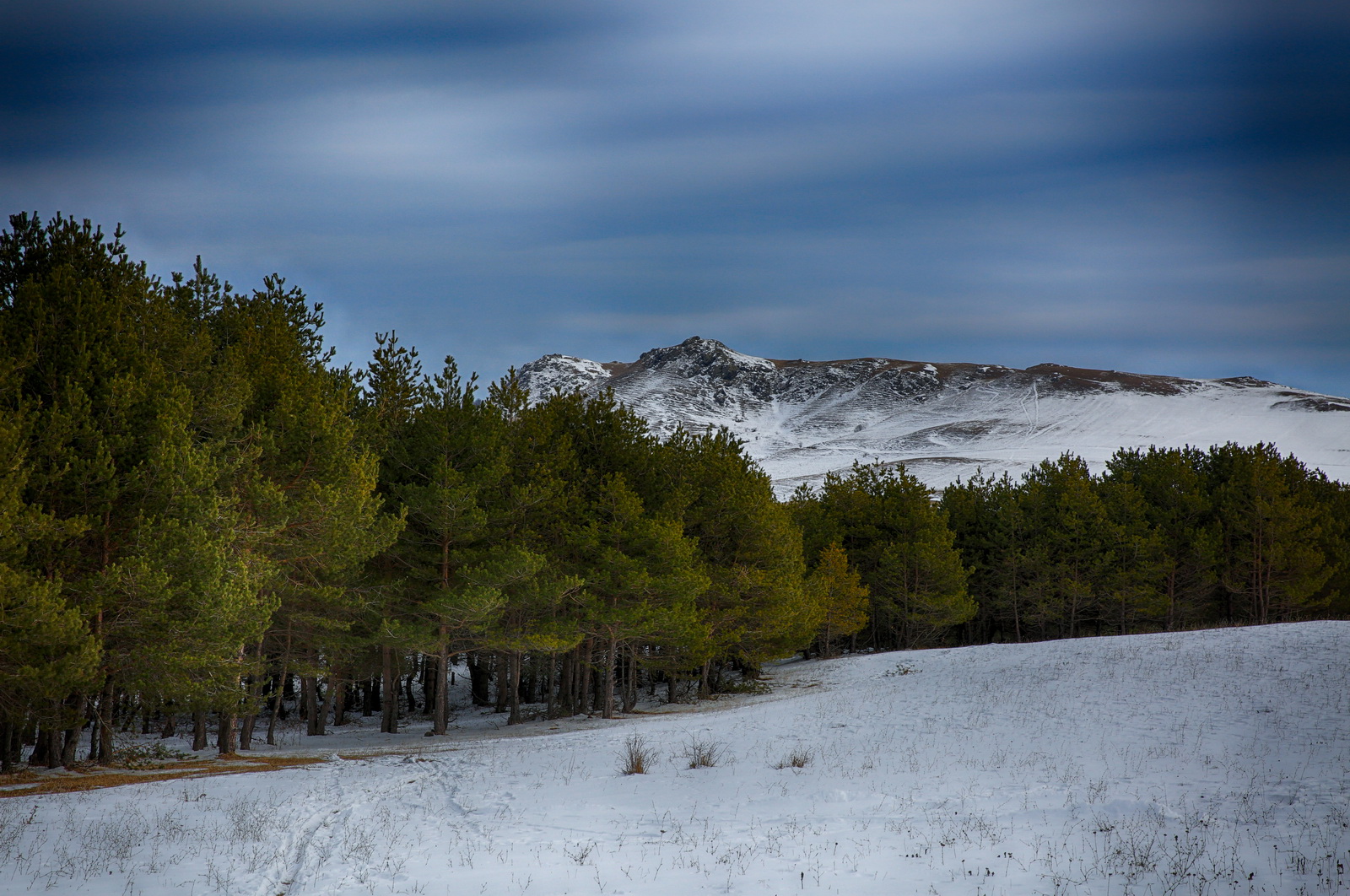
The physical landscape of Algeti National Park is defined by its position along the upper Algeti valley and the woody southern slopes of the eastern Trialeti Range. The terrain is characterized by strongly mountainous relief, deeply incised by numerous small rivers and ravines that carve through the forested slopes. The park's highest point is Mount Kldekari at approximately 2,000 meters above sea level, while the valley floors sit at lower elevations around 1,100 meters. The underlying geology consists of volcanic and sedimentary rocks, which influence soil types and vegetation patterns throughout the park. The Algeti River and its numerous smaller tributaries flow through the protected area, creating a dendritic drainage pattern that has shaped the valley morphology over geological time. The combination of elevation range, aspect variations, and water availability supports the diverse forest communities that characterize the park's landscape.
Algeti National Park ecosystems, habitats, and plant life
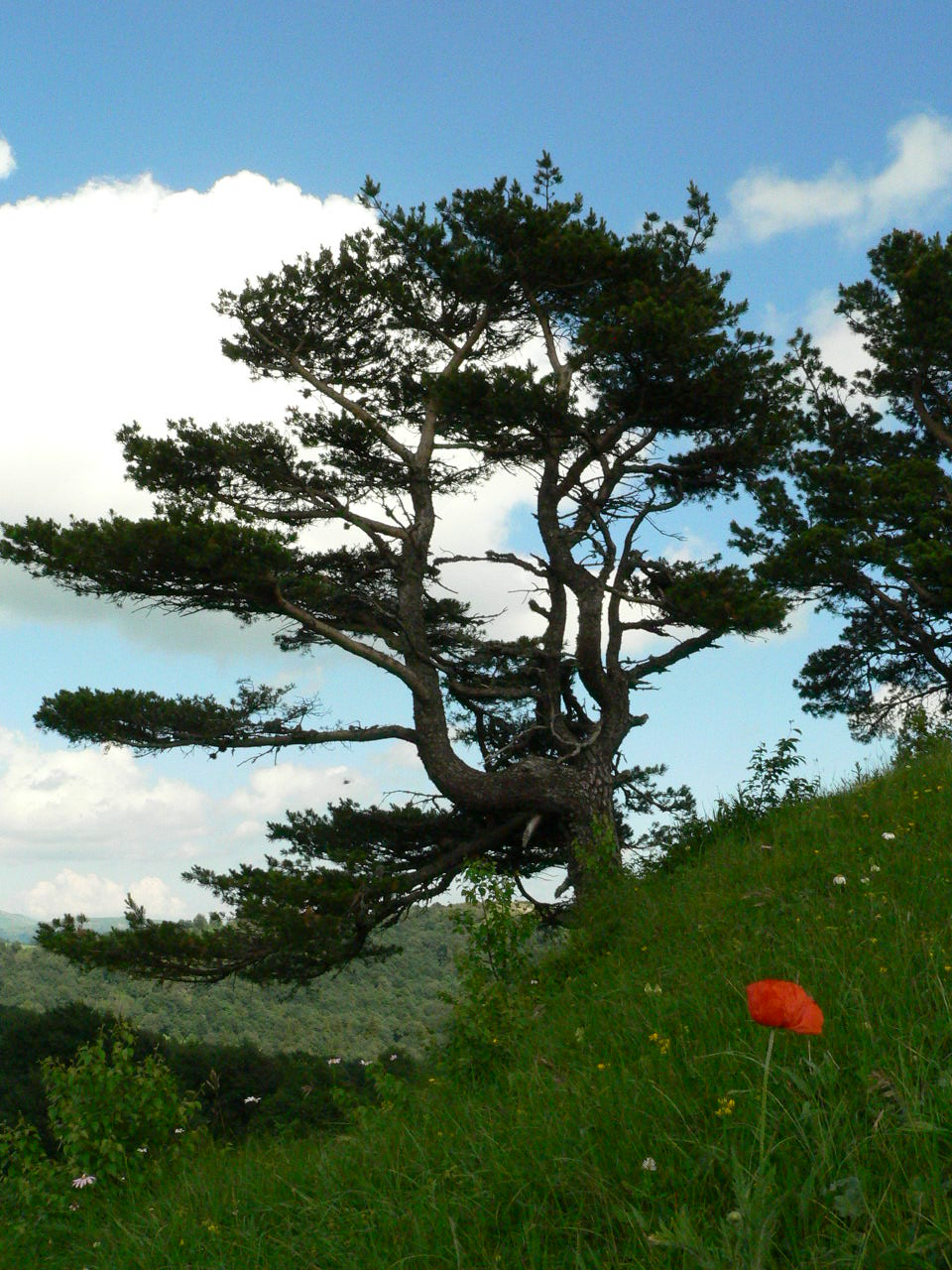
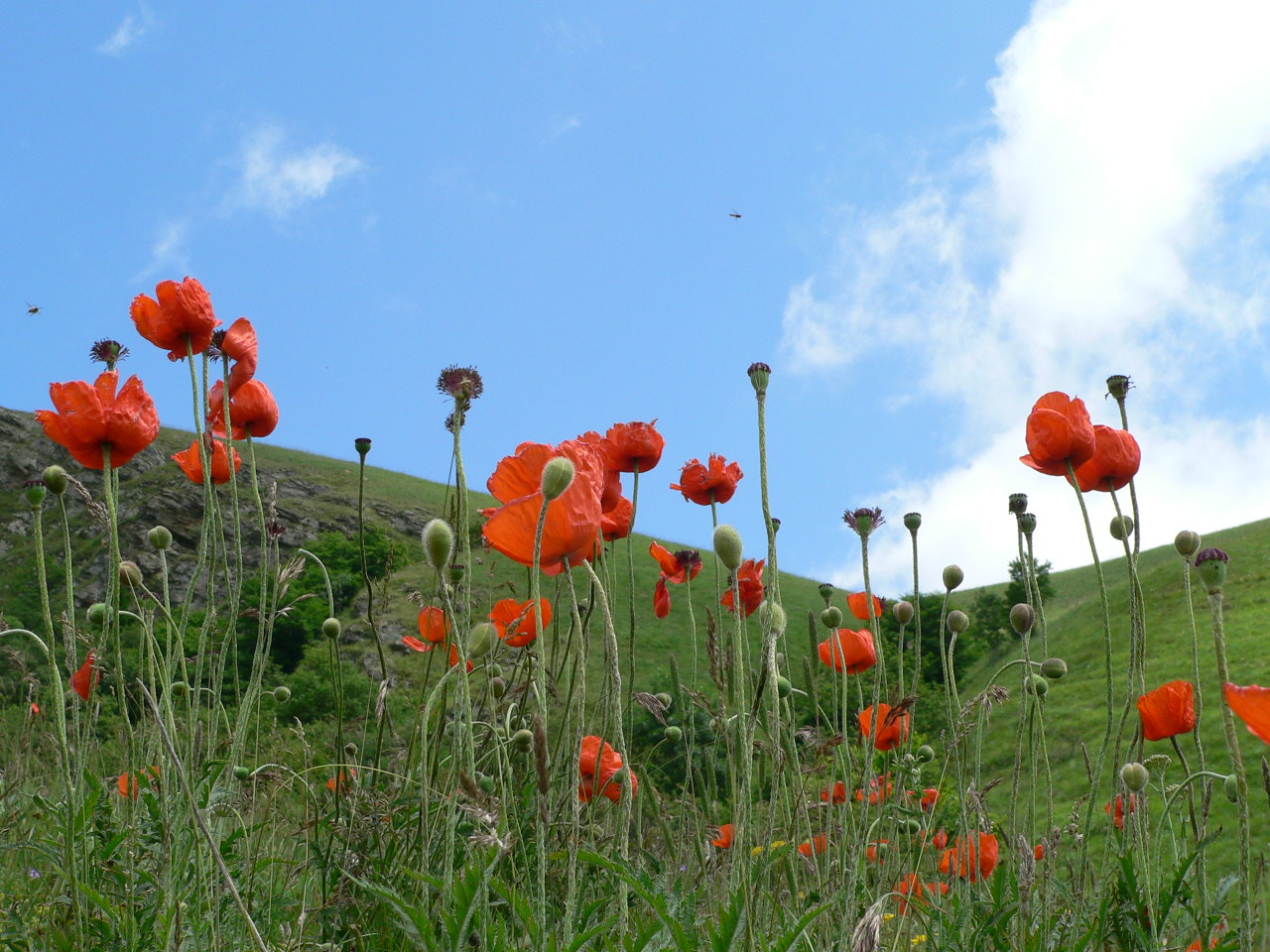
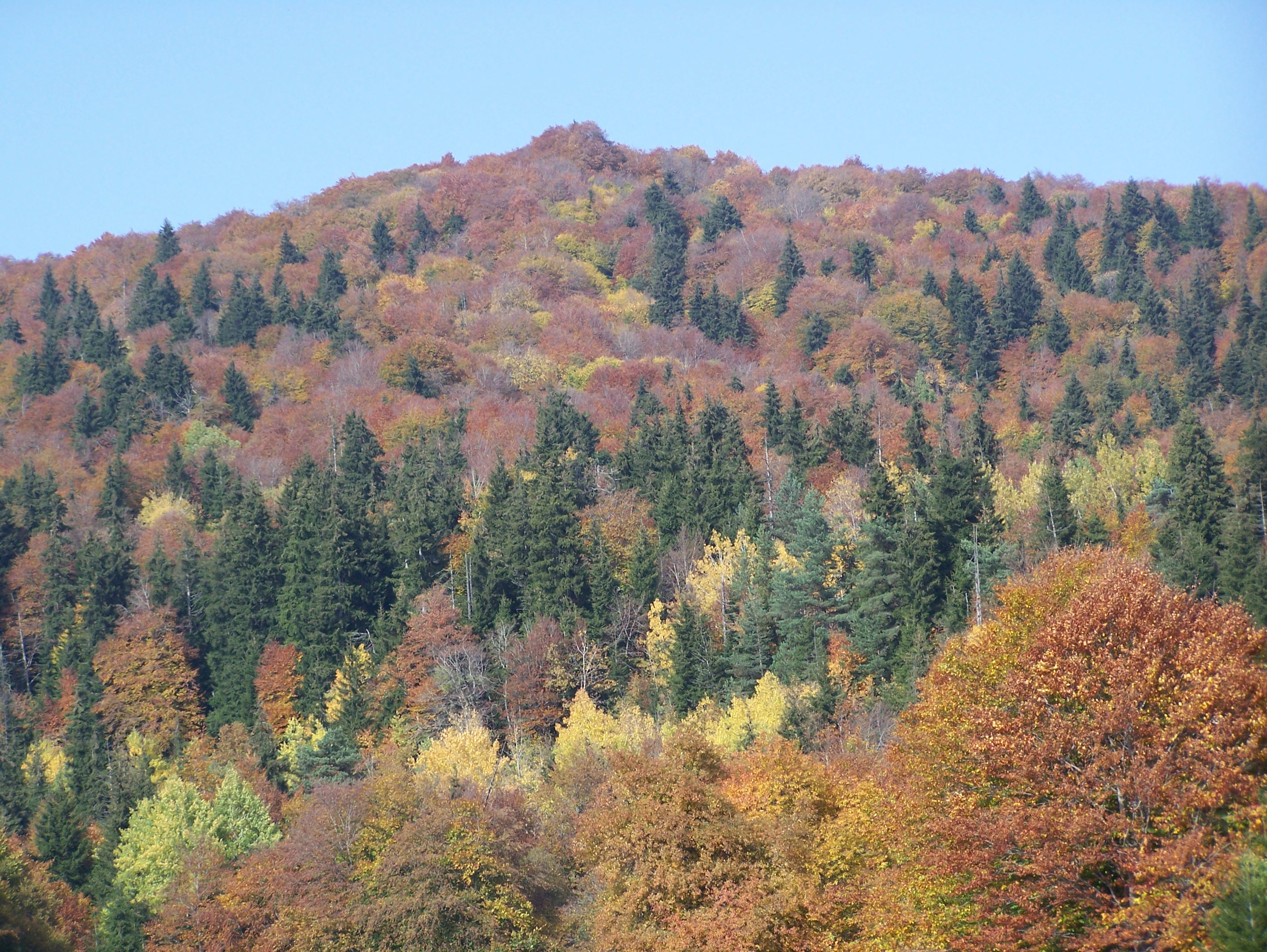
The ecological character of Algeti National Park centers on its extensive forest cover, which occupies approximately 6,044 hectares of the protected area's 6,822 hectares. The forest composition reflects the park's significance as a repository of Caucasus biodiversity, with several distinct forest types present. Spruce forests dominate portions of the higher elevations, while oak forests cover substantial areas at middle elevations. Beech forests occur in moist ravines and northern aspects, and pine forests are found on drier sites. Smaller areas of hornbeam, fir, and birch complete the forest mosaic. The park supports remarkable plant diversity, with 1,664 plant species documented, including 80 tree species and 74 shrub species. The fungal diversity is equally impressive, with 250 species identified, including ten species first discovered within the park. The moist continental climate, with moderately cold winters and long warm summers, supports these rich ecological communities and maintains the park's role as a biodiversity reservoir in the Caucasus region.
Algeti National Park wildlife and species highlights
Algeti National Park supports a diverse fauna reflecting the Caucasus region's status as a biodiversity hotspot. Large predators present include brown bear and wolf, with occasional sightings of lynx noted in the more remote forest areas. Roe deer are permanent residents of the park's forests, while smaller mammals include badger, dormouse, hare, fox, and wild boar. The reptile and amphibian communities are represented by several species, with snakes including copperhead, common grass snake, water snake, and field snake documented in the park. Birdlife is particularly diverse, with over 80 species recorded in the Algeti valley. Raptors such as eagles and hawks are commonly observed, while the valley supports populations of kestrels, herons, storks, black woodpeckers, larks, thrushes, and other songbirds. The golden eagle, a species of conservation concern, is rarely but occasionally observed in the park. Several species protected under Georgia's Red Book occur in the park, including the brown bear and Caucasian grouse, highlighting the conservation significance of the protected area.
Algeti National Park conservation status and protection priorities
Algeti National Park serves multiple conservation functions within Georgia's protected areas network. The primary conservation purpose stems from its role as a refuge for Caucasian Spruce and Nordmann Fir, species whose easternmost populations occur within the park boundaries. These coniferous forests represent critical habitat for numerous species and provide ecosystem services including watershed protection, soil stabilization, and carbon sequestration. The park functions as a scientific research base, supporting botanical, zoological, and ecological studies of Caucasus ecosystems. Additional conservation values include water-retention and soil-protection functions, with the forested slopes playing a role in regulating water flow and preventing erosion in the Algeti valley. The designation as a Category II protected area under the IUCN framework reflects the park's primary objective of protecting natural ecosystems while allowing for limited sustainable use.
Algeti National Park cultural meaning and human context
The Algeti valley has supported human communities for millennia, and the area surrounding the national park contains numerous archaeological sites reflecting long-term human presence. Archaeological finds in the vicinity include materials from the Eneolithic period and Early Bronze Age, indicating prehistoric occupation of the valley. Remnants from later periods include Bronze Age cyclopean fortifications, Medieval churches and church ruins, and the ruins of Kldekari fortress dating to the ninth century. The eleventh-century Bitvisi castle-city stands near the park's northeastern boundary, while the fourth-century Manglisi temple is located nearby. These historical sites, though not within the national park boundaries themselves, contribute to the cultural landscape context and reflect the valley's historical significance as a corridor for movement and settlement in the Caucasus region.
Top sights and standout views in Algeti National Park
Algeti National Park stands out for its exceptional old-growth coniferous forests of Caucasian Spruce and Nordmann Fir, the easternmost populations of these species in their range. The park offers a distinctive Caucasus mountain landscape with forested slopes, clear rivers, and deep ravines within relatively close proximity to Tbilisi. The biodiversity value is substantial, with over 1,600 plant species and 250 fungal species documented, alongside diverse wildlife including brown bears, wolves, roe deer, and more than 80 bird species. The combination of natural heritage, accessibility, and cultural context makes the park significant for both conservation and educational purposes.
Best time to visit Algeti National Park
The best time to visit Algeti National Park is during the warmer months from May through September, when weather conditions are most suitable for hiking and outdoor exploration. Spring brings blossoming flora and active wildlife in the lower elevations, while summer offers warm temperatures and full forest canopy coverage. Autumn provides colorful foliage displays and mushroom season, with the park's fungal diversity becoming evident. Winter visits are possible but limited by snow and colder temperatures at higher elevations. The shoulder seasons of late spring and early autumn often offer the most comfortable conditions for exploring the park's trails while avoiding peak visitor periods.