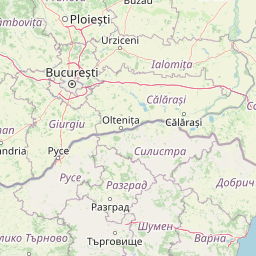
Why Balta Mică a Brăilei Natural Park stands out
The park is particularly renowned for its exceptional waterfowl populations and serves as one of the most important nesting and migratory bird habitats in the Lower Danube region. The Dalmatian pelican, red-breasted goose, pygmy cormorant, and black stork represent flagship species that draw attention from conservationists and ornithologists. The wetland complex supports globally significant populations of colonial waterbirds and serves as a critical staging area during spring and autumn migrations. The presence of the critically endangered red-breasted goose during winter months makes this area especially notable on the European conservation map.
Balta Mică a Brăilei Natural Park history and protected-area timeline
The formal protection of Balta Mică a Brăilei evolved through several phases reflecting Romania's changing approach to nature conservation. Initial designation in 1978 marked the first recognition of the area's ecological importance, though implementation remained limited during the communist period. The comprehensive legal framework established by Law Number 5 of March 6, 2000 provided the modern foundation for park management, published in the Romanian Official Paper and providing clear legal status for the protected area.
Romania's subsequent integration into the European Union in 2007 brought additional protection mechanisms through the Natura 2000 network. The designation as both a Site of Community Importance and a Special Protection Area for birds formalized the park's role in European-level conservation. The Ramsar Convention designation in June 2001 confirmed the wetland's international importance under the global treaty for wetland conservation. These overlapping protection frameworks have strengthened management capacity and aligned conservation practices with European standards.
Balta Mică a Brăilei Natural Park landscape and geographic character
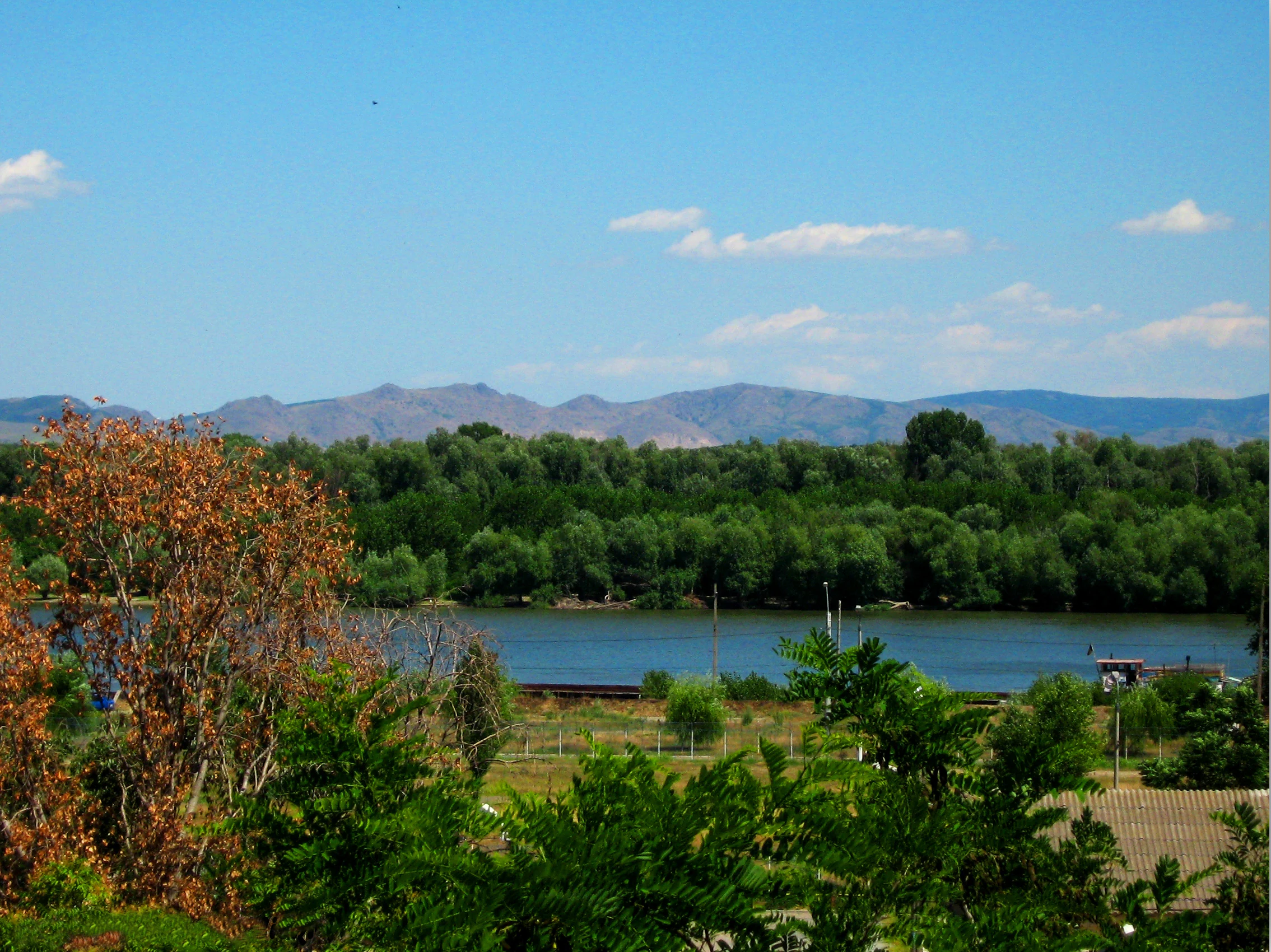
The physical landscape of Balta Mică a Brăilei is characterized by the flat, low-lying terrain typical of major river floodplains in southeastern Romania. The terrain consists almost entirely of alluvial deposits deposited by the Danube over millennia, creating a landscape with minimal topographic variation. The Small Brăila Island rises only slightly above the surrounding floodplain, with elevation changes rarely exceeding a few meters.
The park's hydrological network includes the main Danube channel, secondary distributary channels, oxbow lakes, permanent marshes, and seasonally flooded depressions. These water bodies range from open lake surfaces with extensive emergent vegetation to narrow, tree-lined channels winding through riparian forests. The vegetation pattern reflects the complex hydrology, with hydrophilic plant communities dominating areas with permanent water saturation while drought-tolerant species occupy higher ground that floods only during exceptional events.
The surrounding landscape beyond the park boundaries consists primarily of agricultural land cultivated for cereals and other crops, representing the transformed Bărăgan Plain. The Macin Mountains appear as a low, rocky backdrop visible from higher points within the park on clear days, adding visual context to the otherwise horizontal landscape.
Balta Mică a Brăilei Natural Park ecosystems, habitats, and plant life
The ecological diversity of Balta Mică a Brăilei reflects the combination of aquatic, wetland, and steppe habitats within a relatively compact area. The park contains over a dozen distinct habitat types recognized under European conservation legislation, ranging from oligotrophic to mesotrophic standing water communities to riparian forests and steppe grasslands. These habitats support approximately 25,000 hectares of interconnected wetland environments within the broader floodplain complex.
The aquatic habitat component includes rivers with muddy banks supporting specialized vegetation communities, oxbow lakes and ponds with floating and emergent plant assemblages, and extensive reed beds that provide critical nesting habitat for colonial waterbirds. The terrestrial habitats encompass floodplain forests dominated by oak, elm, and ash species, willow and poplar galleries along water channels, and steppe grasslands that represent the western extension of the Bărăgan steppe bioregion. The mosaic of habitats creates ecological corridors that support species movement between different ecosystem types.
The biodiversity inventory documents numerous species protected under the EU Birds Directive and Habitats Directive, confirming the park's importance for European nature conservation. The presence of both aquatic and terrestrial species communities reflects the transitional character of the site between pure aquatic ecosystems and continental steppe environments.
Balta Mică a Brăilei Natural Park wildlife and species highlights
The avifauna of Balta Mică a Brăilei represents the park's most internationally significant wildlife asset, with over 150 bird species documented within the protected area. Waterfowl populations include numerous duck species such as northern pintail, wigeon, northern shoveler, mallard, gadwall, and teal, along with diving ducks including ferruginous duck. Geese are represented by the globally threatened red-breasted goose and the more common greater white-fronted goose and gray goose, with the latter two species forming large wintering flocks.
Colonial nesting species include great cormorant, purple heron, squacco heron, night heron, little egret, and the iconic Dalmatian pelican, which nests in the reed beds and adjacent islands. The park supports significant populations of the Dalmatian pelican, one of the rarest pelican species globally and a species for which the park holds international responsibility for conservation. Wading birds such as black stork, white stork, spoonbill, and various heron species forage in the shallow wetlands and adjacent meadows.
The fish community includes economically important species such as pike, zander, wels catfish, and common carp, along with migratory species including Danube shad, Pontic shad, and sturgeon species. Mammals include European otter, roe deer, red fox, and badger, while the European pond turtle represents the reptile community. The European hamster and undervine moth represent species of conservation concern associated with grassland and agricultural edge habitats.
Balta Mică a Brăilei Natural Park conservation status and protection priorities
Balta Mică a Brăilei holds exceptional conservation significance as one of the most important wetland complexes in southeastern Europe. The Ramsar designation confirms the site's international importance for waterbird conservation, while Natura 2000 status integrates it into the European Union's protected area network. The combination of Special Area of Conservation and Special Protection Area designations provides comprehensive coverage of both habitat and species conservation requirements.
The park contributes to conservation of species listed in the EU Birds Directive Annex I, including the red-breasted goose, Dalmatian pelican, pygmy cormorant, and black stork. The wetland habitats support populations of species listed in the EU Habitats Directive, including various fish species and the European pond turtle. Management measures focus on maintaining natural hydrological processes, controlling invasive species, and reducing disturbance to nesting waterbirds.
Challenges facing the park include hydrological modifications from upstream water management, agricultural runoff affecting water quality, and potential disturbance from increasing recreational use. Climate change poses additional threats through altered flooding patterns and potential shifts in species distributions. Conservation efforts prioritize maintaining the ecological connectivity between the park and the broader Danube floodplain system to ensure long-term viability of migratory species populations.
Balta Mică a Brăilei Natural Park cultural meaning and human context
The landscape of Balta Mică a Brăilei reflects centuries of human interaction with the Danube floodplain, though the park itself remains relatively free of extensive permanent settlement. The surrounding Brăila Plain has been intensively cultivated since medieval times, transforming the steppe grassland into agricultural land. The floodplain itself has historically supported fishing communities who utilized the rich fish stocks and seasonal floodplain pastures.
Traditional land use within the park area has included seasonal grazing of livestock, fishing, and limited agriculture on higher ground. These activities created the cultural landscape that characterizes the region today, with the park preserving elements of traditional floodplain use within a modern conservation framework. The name "Balta Mică" (Small Swamp) reflects historical understanding of the wetland's character and seasonal dynamics.
The administrative communes surrounding the park include Berteștii de Jos, Chiscani, Gropeni, Mărașu, Stăncuța, and Tichilești, all within Brăila County. These communities maintain connections to the floodplain through fishing, agriculture, and increasingly through tourism and nature-based activities associated with the protected area.
Top sights and standout views in Balta Mică a Brăilei Natural Park
The park's defining characteristic is its role as a major European waterbird habitat, supporting globally significant populations of Dalmatian pelican and red-breasted goose. The wetland complex provides critical staging and wintering grounds for migratory waterfowl moving between northern breeding areas and southern wintering grounds. The diversity of habitat types within a relatively compact area creates exceptional opportunities for wildlife observation, particularly for colonial nesting birds and wintering waterfowl concentrations. The park's location within the Lower Danube region positions it as part of a larger conservation landscape connecting with the Danube Delta Biosphere Reserve.
Best time to visit Balta Mică a Brăilei Natural Park
The optimal time to visit Balta Mică a Brăilei depends on the wildlife viewing objectives, with each season offering distinct experiences. Spring migration (March through May) brings large numbers of waterfowl moving northward, with species diversity at its peak and active breeding behavior providing excellent observation opportunities. The breeding season from May through July features colonial nesting activity by herons, cormorants, and pelicans, with chicks visible in nests and adults engaged in feeding behavior.
Autumn migration (September through November) again brings substantial bird numbers as species move southward, with particularly impressive gatherings of geese and swans during October and November. Winter months (December through February) feature the red-breasted goose, which winters in the area alongside large flocks of greater white-fronted geese and whooper swans. Summer months offer opportunity to observe the full complement of breeding species but also coincide with higher temperatures and increased insect activity. The park's wetland character means that access by boat provides the best wildlife viewing opportunities regardless of season.